
 EN
EN
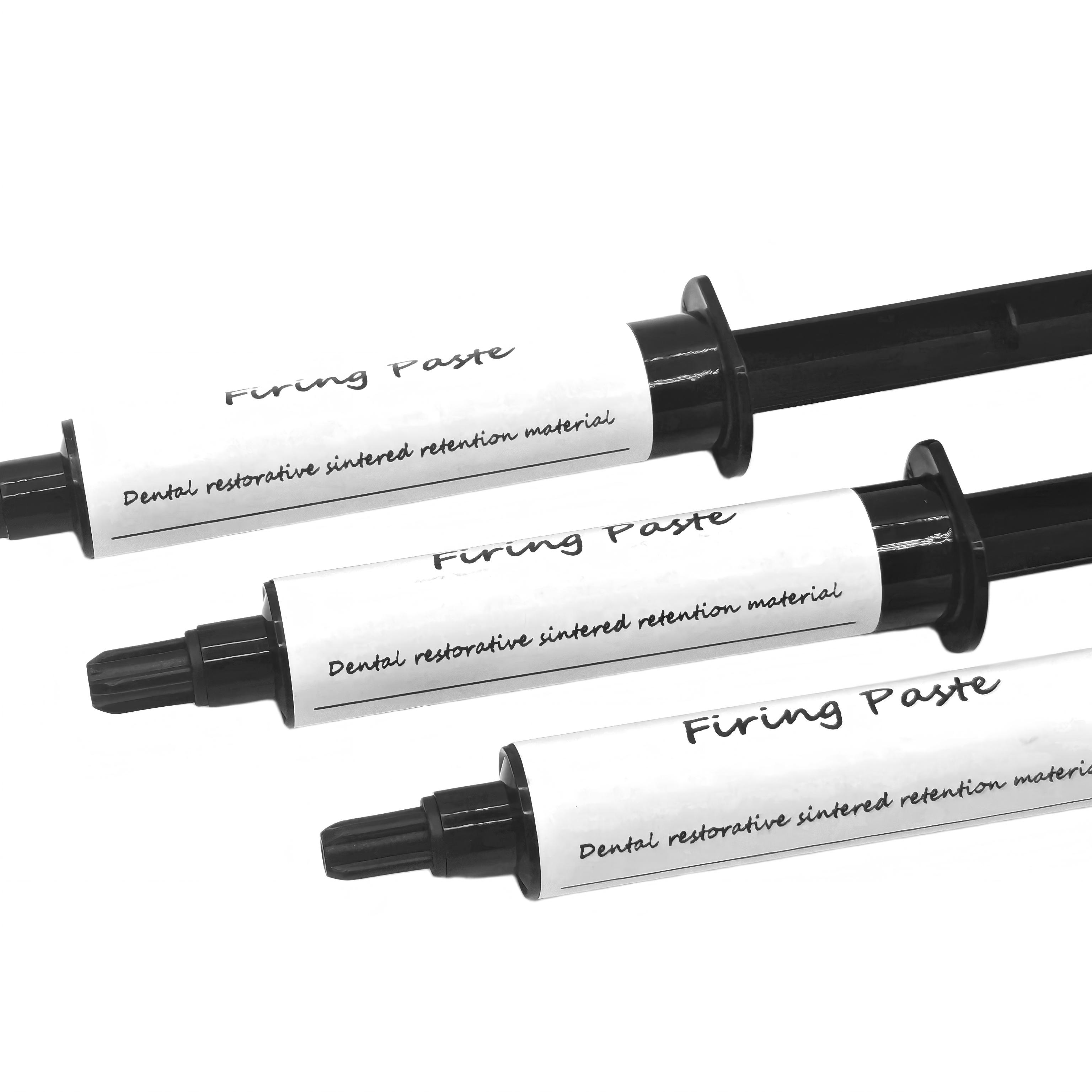
Proper storage of dental firing paste is critical for maintaining its effectiveness and ensuring consistent results in dental laboratory and clinical applications. Dental firing paste serves as a crucial material in high-temperature firing processes, and improper storage can compromise its chemical composition, texture, and performance characteristics. Understanding the correct storage methods for dental firing paste directly impacts the quality of your finished restorations and the overall efficiency of your workflow.
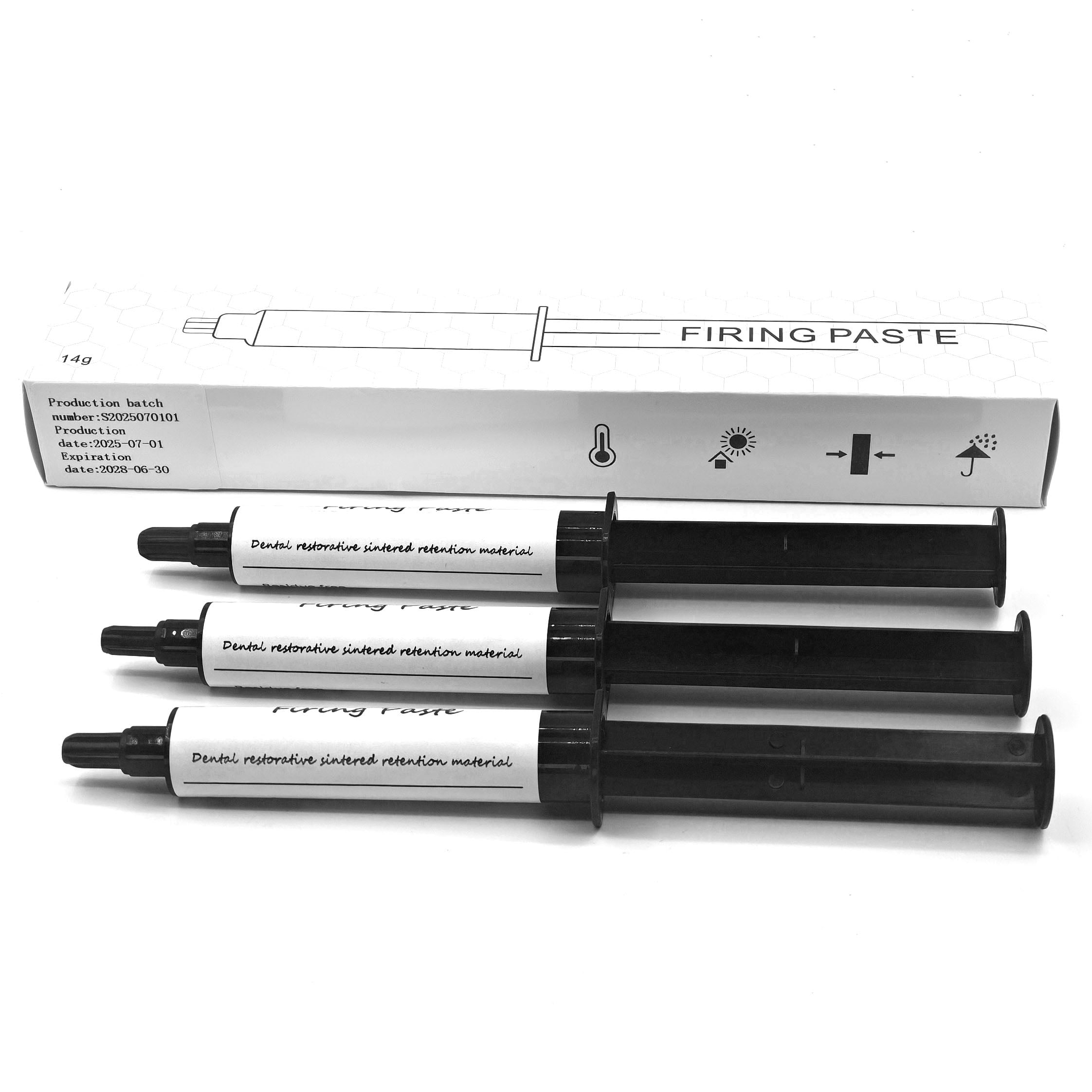
The longevity and reliability of dental firing paste depend heavily on environmental conditions and storage practices. Temperature fluctuations, exposure to moisture, and contact with incompatible materials can all degrade the paste's performance, leading to surface imperfections, color inconsistencies, or firing failures. By implementing proven storage strategies, you can extend the shelf life of dental firing paste and maintain its optimal working properties throughout its intended lifespan.
Temperature Control and Environmental Conditions
Maintaining Stable Temperature Range
Temperature stability is one of the most important factors in preserving dental firing paste. Ideally, dental firing paste should be stored in a temperature-controlled environment between 15°C and 25°C, avoiding extreme heat or cold. Fluctuating temperatures cause the material to expand and contract, potentially separating components and affecting the paste's homogeneity. Keep your dental firing paste away from direct sunlight, heating systems, air conditioning vents, and any external heat sources that could cause temperature variations.
Humidity and Moisture Management
Moisture exposure represents a significant threat to dental firing paste stability and consistency. High humidity environments can cause dental firing paste to absorb water, resulting in a thickened or separated consistency that compromises application accuracy. Store dental firing paste in areas with relative humidity between 40% and 60%. Use moisture-absorbing silica gel packets or desiccant containers within your storage cabinet to control moisture levels. Additionally, ensure that container lids remain tightly sealed immediately after use to prevent atmospheric moisture from entering the dental firing paste container.
Proper Container and Packaging Practices
Sealed Container Requirements
The container in which you store dental firing paste directly influences material preservation. Always keep dental firing paste in its original manufacturer container or transfer it to an airtight, sterile glass or ceramic container with a tight-sealing lid. Avoid plastic containers unless specifically recommended by the manufacturer, as some plastics can react with dental firing paste components or allow moisture infiltration. Label each container with the product name, batch number, and storage date to track inventory and ensure you use dental firing paste before expiration. Consider using vacuum-sealed containers for long-term storage of bulk quantities of dental firing paste.
Organization and Accessibility
Organize your dental firing paste storage system to minimize repeated opening and closing of containers, which exposes the material to air and moisture. Designate a specific storage area exclusively for dental firing paste and related ceramic firing materials, separate from cleaning agents, solvents, and other potentially reactive substances. Store dental firing paste at eye level or in easily accessible locations to reduce handling time. Maintain an inventory log to track dental firing paste quantities and usage patterns, helping you plan reordering and prevent overstocking that could lead to expired materials.
Shelf Life Management and Quality Monitoring
Understanding Expiration Timelines
Most manufacturers specify a shelf life for dental firing paste, typically ranging from 12 to 24 months under proper storage conditions. However, the actual usability of dental firing paste depends significantly on adherence to recommended storage practices. Even unopened containers of dental firing paste can degrade if exposed to inadequate temperature control or excessive humidity. Always check the expiration date before using dental firing paste, and implement a first-in, first-out inventory system to ensure materials are used within their optimal performance window. Document the date you open each container of dental firing paste, as opened paste typically remains viable for 2 to 6 months depending on storage conditions.
Visual Inspection and Consistency Testing
Regular quality assessment of stored dental firing paste helps identify early signs of degradation before the material is used in critical applications. Before each use, inspect dental firing paste for color changes, separation, unusual odors, or texture inconsistencies. Well-preserved dental firing paste should maintain uniform color and smooth consistency without any signs of crystallization or hardening. If stored dental firing paste shows any of these warning signs, discontinue use and replace with fresh material. Keep detailed records of dental firing paste performance outcomes, noting any correlations between storage duration and application results to optimize your storage protocols continuously.
Common Storage Mistakes to Avoid
Temperature and Humidity Negligence
Many dental professionals compromise dental firing paste quality by storing it in uncontrolled environments such as near windows, in vehicles, or in poorly ventilated closets. Storing dental firing paste in these locations exposes the material to temperature swings and humidity variations that accelerate degradation. Never refrigerate dental firing paste unless explicitly instructed by the manufacturer, as condensation upon removal can contaminate the material. Avoid freezing dental firing paste entirely, as this can cause irreversible separation of components and render the material unsuitable for use.
Contamination and Cross-Reactive Storage
Storing dental firing paste alongside incompatible materials introduces contamination risks that compromise performance. Keep dental firing paste isolated from acidic compounds, alkaline solutions, strong solvents, and metal containers that could react with the paste's chemical composition. Metal containers may corrode and introduce metallic particles into stored dental firing paste. Additionally, never store dental firing paste in the same cabinet as flammable or volatile substances, as fumes can penetrate container seals and alter the paste's chemical properties. Designate a dedicated storage space for dental firing paste to eliminate cross-contamination risks and maintain material integrity.
FAQ
What is the ideal temperature for storing dental firing paste?
The ideal temperature range for dental firing paste storage is between 15°C and 25°C. This narrow temperature band prevents component separation and maintains consistent paste consistency. Avoid exposure to direct sunlight, heating elements, or cold drafts that could cause temperature fluctuations. Use a thermometer in your storage cabinet to monitor temperature stability regularly.
How long can dental firing paste be stored after opening?
Once opened, dental firing paste typically remains usable for 2 to 6 months under proper storage conditions with a sealed container. The exact duration depends on how consistently you maintain humidity control, temperature stability, and container seal integrity. Always document the date you open dental firing paste and inspect it regularly for signs of degradation before use in important restorations.
Can dental firing paste be stored in plastic containers?
Most dental firing paste should be stored in glass or ceramic containers rather than plastic. However, always consult the manufacturer's instructions, as some formulations may be compatible with specific food-grade plastics. Plastic containers can sometimes allow moisture infiltration or react with paste components. When in doubt, use the original container provided by the manufacturer to ensure optimal preservation of dental firing paste quality.