
 EN
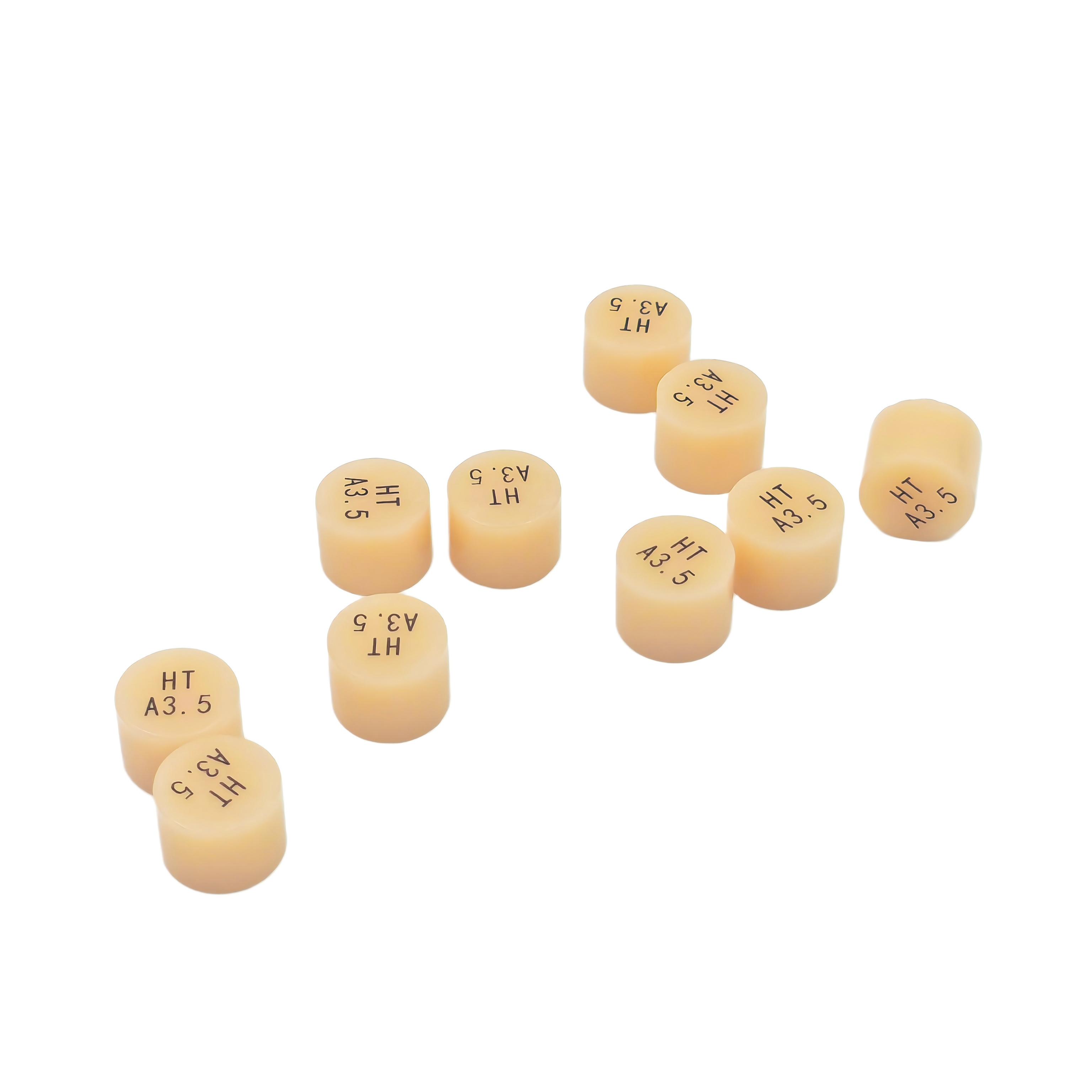
Selecting and procuring the right dental press ingot materials is one of the most critical decisions a dental laboratory can make. The quality of your dental press ingot directly influences the strength, aesthetics, and longevity of the final restorations your laboratory produces. Poor procurement choices lead to increased waste, higher scrap rates, and compromised clinical outcomes. This guide provides proven procurement strategies to help you source premium dental press ingot materials that meet your laboratory's specific requirements and budget constraints.
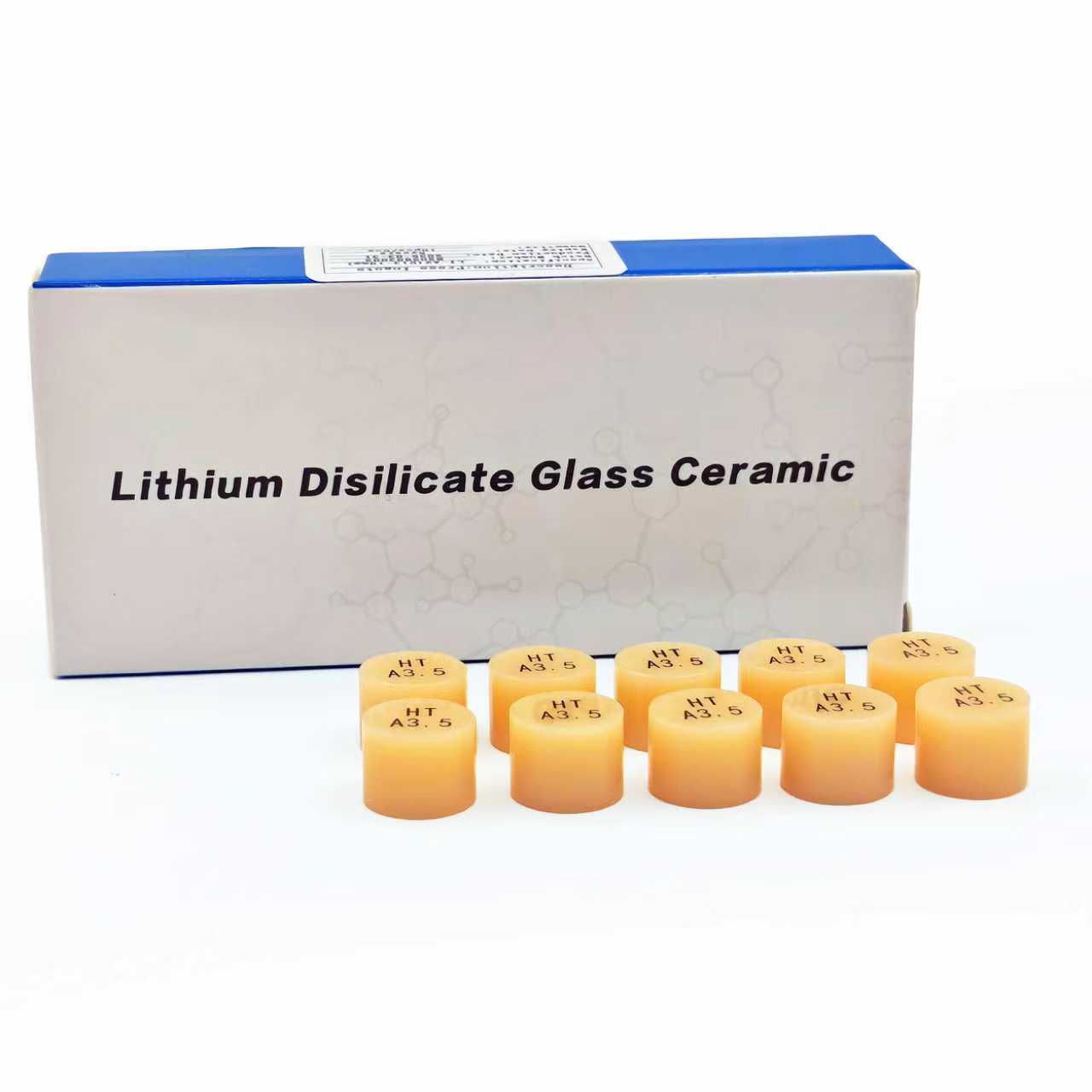
The dental materials market offers numerous options for dental press ingot suppliers and product variants, making informed procurement decisions essential. Understanding the key evaluation criteria, quality standards, and market dynamics will position your laboratory to negotiate better terms, reduce material costs, and consistently achieve superior restoration outcomes. This article walks you through a systematic approach to evaluating and selecting dental press ingot products and partners.
Understanding Dental Press Ingot Specifications and Material Standards
Core Composition and Alloy Selection
Every dental press ingot consists of specific alloy compositions that determine its mechanical and aesthetic properties. The most common dental press ingot formulations include high-noble alloys, noble alloys, and base-metal alloys, each offering distinct advantages and limitations. When procuring a dental press ingot, verify that the material meets ISO 1562 standards, which establish minimum requirements for castability, strength, and biocompatibility. Understanding your laboratory's primary clinical applications—whether you focus on crown and bridge work, implant restorations, or removable prosthetics—will guide your dental press ingot selection strategy.
Certification and Regulatory Compliance
Reputable dental press ingot manufacturers provide full certification documentation, including material composition certificates, batch testing reports, and compliance verification. When evaluating a dental press ingot supplier, request certificates of analysis that confirm compliance with FDA regulations, ISO standards, and relevant regional requirements. Many laboratories overlook this critical step, only to face quality issues or regulatory complications later. A reliable dental press ingot partner will proactively provide this documentation and maintain transparent communication about material sourcing and production quality.
Evaluating Supplier Reliability and Quality Consistency
Supplier Track Record and Laboratory References
Procuring dental press ingot materials from established suppliers with proven track records significantly reduces procurement risk. Before committing to a new dental press ingot vendor, request references from existing laboratory customers and inquire about their experience with material consistency, delivery reliability, and customer support. Quality issues with a dental press ingot can cascade through your entire production workflow, making supplier vetting a worthwhile investment of time. Consider requesting sample batches of the dental press ingot to test in your own processes before placing larger orders.
Quality Control Testing and Batch Consistency
Leading dental press ingot manufacturers conduct rigorous in-house testing to ensure every batch meets published specifications. When procuring a dental press ingot, confirm that your supplier performs routine hardness testing, tensile strength verification, and microstructure analysis. Some laboratories experience inconsistent results from batch to batch, often stemming from inadequate supplier quality control. A trustworthy dental press ingot partner will welcome third-party testing and provide detailed batch reports that document exact material properties and manufacturing parameters.
Cost Optimization and Procurement Strategy
Volume Purchasing and Price Negotiation
Strategic procurement of dental press ingot materials can yield significant cost savings without sacrificing quality. Laboratories that consolidate purchases with a single dental press ingot supplier often negotiate better unit pricing, faster delivery times, and preferential service terms. However, avoid committing exclusively to one dental press ingot source if your volume does not justify substantial discounts. Many suppliers offer tiered pricing structures where your dental press ingot costs decrease progressively as monthly orders increase, making volume forecasting an important procurement planning tool.
Material Waste Reduction and Yield Optimization
The true cost of procuring a dental press ingot extends beyond the purchase price to include waste generation, scrap rates, and yield efficiency. Inferior dental press ingot materials often show higher defect rates, leading to increased waste and hidden procurement costs. By investing in premium dental press ingot formulations that consistently deliver superior yield rates, you offset the higher initial cost through reduced scrap and improved production efficiency. Calculate your total cost of ownership per restoration, not just the per-ingot price, when evaluating dental press ingot procurement options.
Building Long-Term Supplier Relationships
Communication and Continuous Improvement
Effective dental press ingot procurement relies on open communication and collaborative partnerships with your suppliers. Schedule regular check-ins with your dental press ingot vendor to discuss performance metrics, emerging material innovations, and potential cost optimization opportunities. Sharing feedback about your experience with specific dental press ingot batches helps suppliers understand your laboratory's unique requirements and adjust their production accordingly. This partnership approach transforms dental press ingot procurement from a transactional relationship into a strategic advantage for your laboratory's long-term success.
Adapting to Market Changes and Material Innovation
The dental materials industry continuously introduces improved dental press ingot formulations with enhanced properties, better processing characteristics, and superior aesthetics. Staying informed about dental press ingot innovations allows your laboratory to maintain competitive advantages and offer clients superior restoration options. Work with your dental press ingot supplier to evaluate new products through pilot programs before committing to full-scale procurement changes. This proactive approach ensures your procurement strategy remains aligned with evolving clinical standards and patient expectations.
FAQ
What should I look for when evaluating a dental press ingot supplier?
When selecting a dental press ingot supplier, verify ISO certification, request material documentation and batch testing reports, check references from existing laboratory clients, and evaluate their quality control processes. Ask about delivery consistency, minimum order quantities, pricing flexibility, and technical support availability. A reliable dental press ingot supplier should welcome third-party testing and provide transparent communication about their manufacturing standards and material sourcing practices.
How does batch consistency affect dental press ingot procurement costs?
Inconsistent dental press ingot batches lead to higher scrap rates, increased rework, and unpredictable yield performance, which dramatically increases your true procurement costs. Premium suppliers maintain rigorous quality control to ensure every dental press ingot batch performs identically, reducing waste and improving your laboratory's overall profitability. Investing in dental press ingot materials from suppliers with proven consistency typically lowers your total cost of ownership despite potentially higher per-unit pricing.
Can I mix different dental press ingot brands in my procurement strategy?
While some laboratories maintain relationships with multiple dental press ingot suppliers for flexibility and competitive pricing, mixing brands can complicate quality control and clinical predictability. Each dental press ingot formulation has unique processing characteristics, and your technicians must adapt their techniques for different materials. For optimal results, establish a dental press ingot procurement strategy with one primary supplier while maintaining a secondary backup option for emergency situations or price comparison purposes.