
 EN
EN
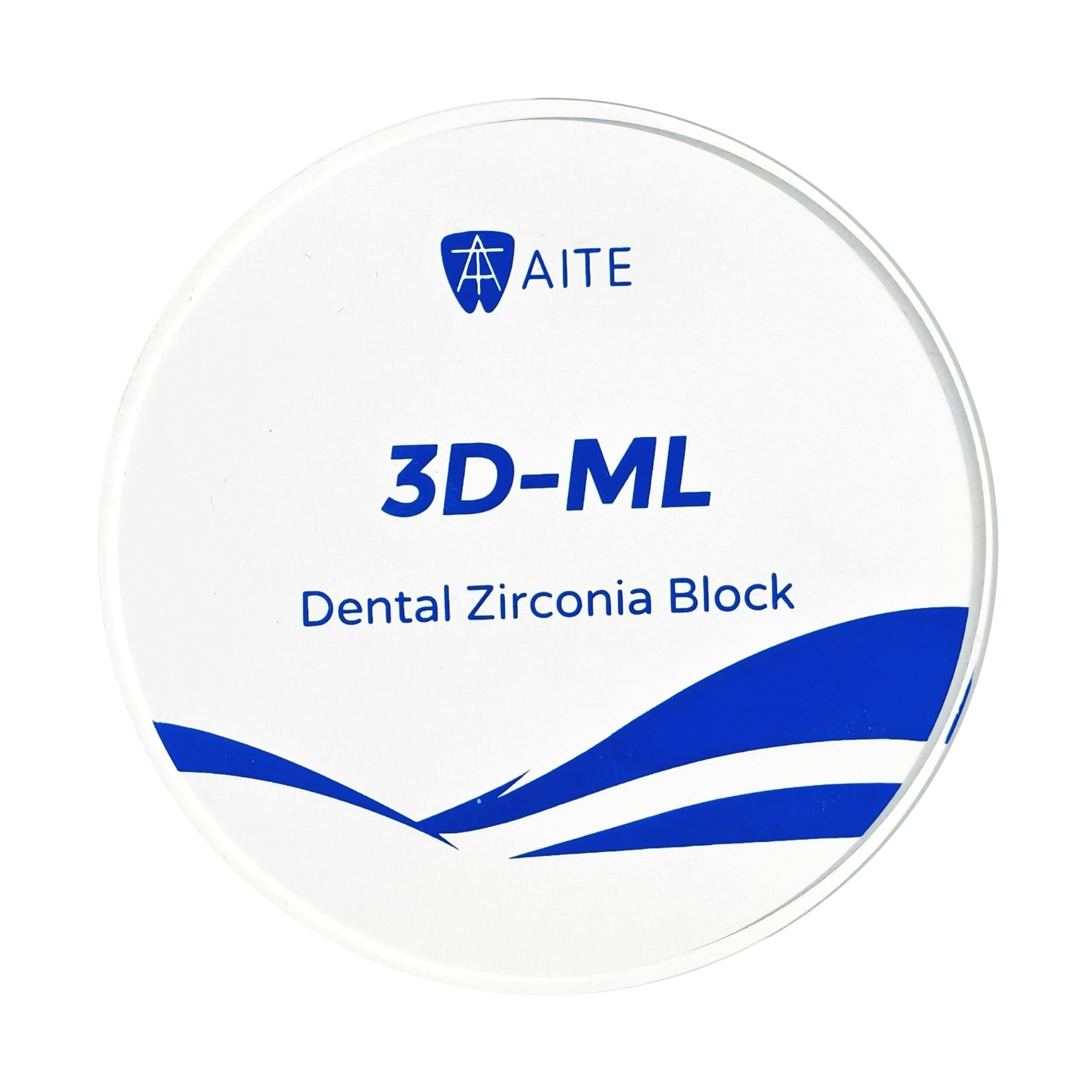
The choice of materials in restorative dentistry fundamentally determines both clinical success and patient satisfaction. Over the past two decades, dental zirconia has emerged as the gold standard for crown and bridge restorations, crown rebuilding, and implant-supported prosthetics. Understanding why dental zirconia has gained such widespread adoption reveals critical insights into modern dental practice, material science, and the evolving expectations of both clinicians and patients. This comprehensive guide explores the scientific, clinical, and practical reasons that have positioned dental zirconia at the forefront of restorative dentistry.
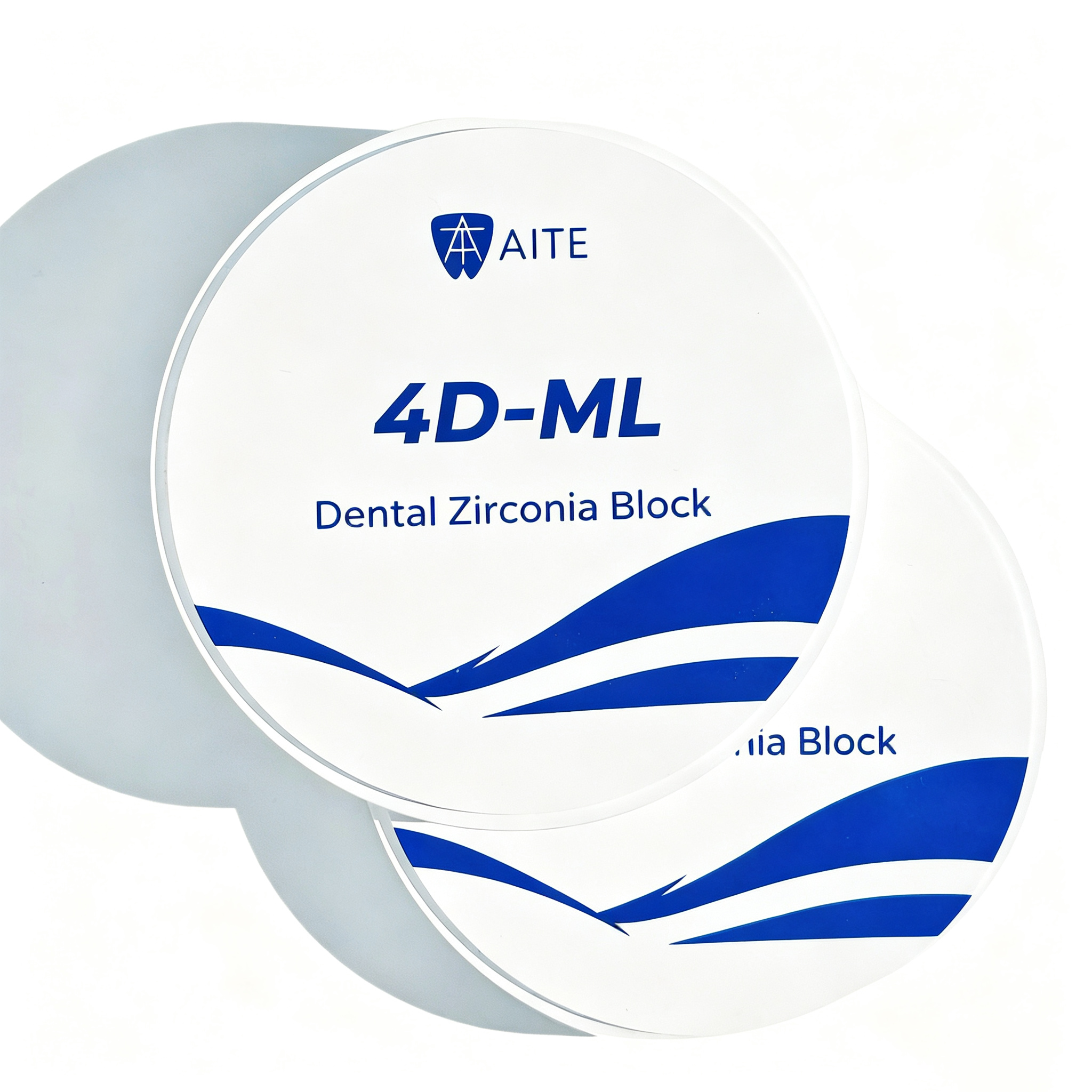
The superiority of dental zirconia stems from its unique combination of mechanical strength, biocompatibility, and aesthetic versatility. Unlike traditional porcelain or metal-based materials, dental zirconia delivers exceptional durability while meeting the highest biological safety standards. This material has transformed how restorative dentists approach treatment planning, material selection, and long-term patient outcomes across diverse clinical scenarios and patient demographics.
Superior Mechanical Properties and Clinical Durability
Exceptional Strength and Fracture Resistance
Dental zirconia possesses a flexural strength of approximately 900 to 1200 megapascals, significantly higher than feldspathic porcelain or alumina ceramics. This exceptional mechanical profile means dental zirconia restorations withstand the intense masticatory forces generated during normal chewing, grinding, and clenching. The material exhibits minimal wear characteristics, protecting both the restoration itself and the opposing natural teeth or existing restorations from accelerated deterioration. Dental zirconia's superior fracture toughness also reduces the risk of catastrophic failure that can occur with more brittle ceramic materials, providing clinicians with greater predictability and patients with enhanced restoration longevity.
Long-Term Clinical Performance
Clinical studies spanning ten to fifteen years demonstrate that dental zirconia restorations maintain structural integrity and aesthetic appearance far longer than earlier ceramic alternatives. The material resists chipping, cracking, and surface degradation even in patients with aggressive bite patterns or parafunctional habits. Dental zirconia crowns placed in posterior regions, where chewing forces concentrate most intensely, exhibit survival rates exceeding ninety-five percent when properly prepared and cemented. This remarkable durability translates directly into reduced retreatment rates, lower overall treatment costs for patients, and enhanced professional reputation for dental practitioners who consistently deliver predictable, long-lasting results.
Aesthetic Excellence and Patient Satisfaction
Natural Color Matching and Light Transmission
Modern dental zirconia formulations achieve aesthetic outcomes that rival or exceed natural tooth appearance in most clinical situations. Contemporary dental zirconia materials have been engineered to improve light transmission while maintaining structural strength, creating restorations that appear translucent and natural rather than opaque or artificial. The material accepts stains, glazes, and surface characterizations that allow dental technicians to recreate the subtle color variations, texture, and anatomical details present in natural dentition. Dental zirconia restorations blend seamlessly with adjacent teeth, particularly in anterior regions where aesthetic demands are highest and patient expectations are most critical to overall satisfaction.
Versatility Across Aesthetic Demands
Dental zirconia accommodates both monolithic and layered restoration designs, providing flexibility for different clinical situations and aesthetic requirements. Full-contour dental zirconia offers maximum strength for patients with challenging bite patterns or heavy chewing loads, while layered dental zirconia restorations with veneered porcelain achieve enhanced aesthetic refinement for cosmetically sensitive cases. The material's neutral color stability prevents discoloration, graying, or darkening over time, maintaining the aesthetic result achieved on delivery day throughout the life of the restoration. This consistency ensures predictable long-term patient satisfaction and eliminates the common complaint of restorations appearing less attractive after several years of clinical service.
Biocompatibility and Biological Success Factors
Tissue Integration and Periodontal Health
Dental zirconia exhibits excellent biocompatibility with soft tissues, bone, and other oral structures, making it an ideal material for restorations at or near the gingival margin. The material does not leach harmful ions, does not cause allergic reactions, and promotes healthy peri-implant and periodontal tissues. Dental zirconia restorations maintain stable marginal fit and do not undergo corrosion or degradation that might compromise the biological seal around the restoration. Patients with metal sensitivities, allergies to certain alloys, or specific health conditions benefit significantly from dental zirconia's hypoallergenic properties, expanding its applicability across diverse patient populations and clinical presentations.
Implant Compatibility and Prosthetic Success
Dental zirconia has become the material of choice for implant-supported crowns and bridges, particularly in aesthetic zones where metal substructures would create dark lines or unnatural appearance through the restoration. The material's biocompatibility ensures optimal osseointegration and peri-implant tissue health without inflammatory reactions or tissue resorption patterns associated with some alternative materials. Dental zirconia abutments and restoration margins integrate smoothly with surrounding implant components while maintaining consistent color and appearance over extended clinical periods. This compatibility profile has solidified dental zirconia's role in modern implant dentistry, where biological success and aesthetic excellence must coexist seamlessly.
Clinical Advantages and Practice Efficiency
Simplified Preparation and Restoration Design
The strength characteristics of dental zirconia permit thinner restorations compared to traditional porcelain, reducing the amount of tooth structure that must be removed during preparation. This conservative approach preserves maximum tooth vitality and structural integrity, protecting the long-term health and function of the restored tooth or implant. Dental zirconia blocks and blanks are available in pre-milled formats that simplify the restorative workflow, reducing laboratory turnaround time and allowing same-day restoration options in some clinical settings. The reduced need for extensive characterization and external adjustments means that dental zirconia restorations can be completed more efficiently without compromising final quality or aesthetic outcomes.
Predictable Cementation and Adaptation
Dental zirconia exhibits minimal micro-leakage and maintains marginal adaptation superior to traditional ceramic materials over extended periods. The material does not absorb moisture or undergo dimensional changes that could compromise the restoration's biological seal or increase secondary decay risk. Dental zirconia restorations accept both conventional and adhesive cementation protocols, providing clinicians with flexibility in material selection and technique application based on specific clinical requirements. This adaptability, combined with the material's inherent stability, ensures consistent and predictable clinical outcomes regardless of cementation approach or specific clinical scenario.
FAQ
What makes dental zirconia superior to traditional porcelain or all-ceramic materials?
Dental zirconia surpasses traditional porcelain through superior flexural strength, fracture toughness, and fracture resistance. While feldspathic porcelain offers excellent aesthetics but limited strength, dental zirconia combines high strength with modern aesthetic capabilities through advanced formulations and milling technologies. The material tolerates thinner preparations, resists chipping and cracking, and delivers higher clinical survival rates, particularly in high-stress posterior regions. These combined advantages make dental zirconia the preferred choice for most restorative scenarios where both durability and appearance matter.
Is dental zirconia suitable for patients with metal allergies or sensitivities?
Yes, dental zirconia is an ideal material for patients with metal allergies, nickel sensitivities, or other documented allergic reactions to traditional restorative materials. The material contains no metals and does not leach ions or compounds that trigger allergic responses. Dental zirconia restorations offer complete peace of mind for patients with complex health histories or confirmed material sensitivities. The material's hypoallergenic profile has made it particularly popular in regions with high prevalence of metal allergies and among patients seeking biocompatible restoration options.
How does dental zirconia perform in high-stress posterior regions compared to other ceramic materials?
Dental zirconia demonstrates exceptional performance in posterior regions where chewing forces concentrate intensely. The material's high flexural strength and fracture toughness mean dental zirconia crowns and bridges withstand posterior masticatory stress better than feldspathic porcelain, alumina ceramics, or hybrid materials. Clinical studies document survival rates exceeding ninety-five percent for dental zirconia restorations in posterior positions over ten to fifteen years, compared to lower success rates for less robust ceramic alternatives. This superior posterior performance has made dental zirconia the material of choice for patients with heavy bite patterns, aggressive chewing habits, or history of restoration failure with previous materials.