
 EN
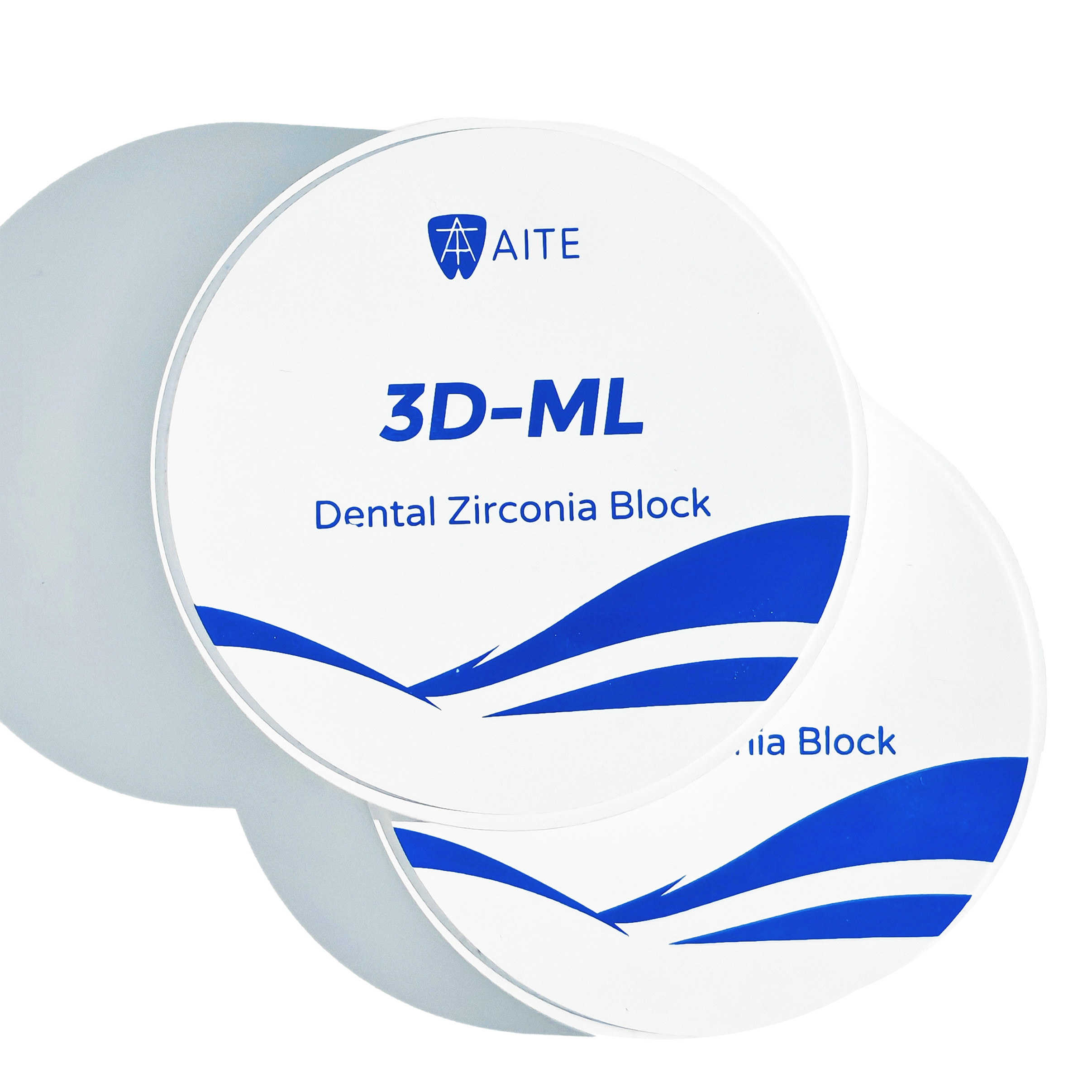
Multilayer zirconia blocks have become a cornerstone material in modern dental laboratory operations, offering unprecedented flexibility and clinical performance in restorative dentistry. The adoption of multilayer zirconia blocks represents a fundamental shift in how dental labs approach complex cases, from anterior aesthetics to posterior durability. Understanding why multilayer zirconia blocks matter helps lab professionals make informed decisions about material selection, milling strategies, and treatment planning with clinicians.
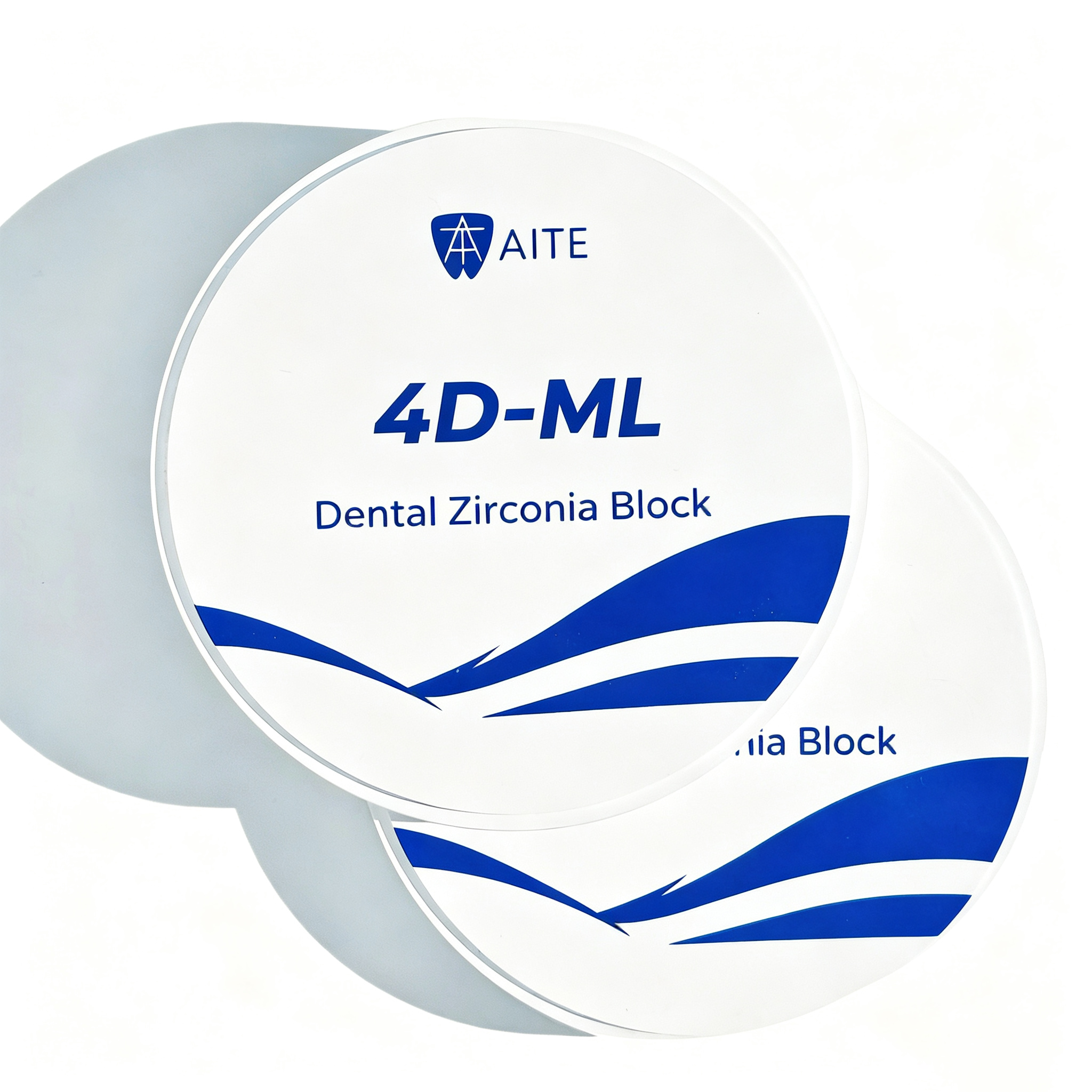
The value proposition of multilayer zirconia blocks extends beyond simple material science; it encompasses economic efficiency, clinical reliability, and the ability to solve real-world restorative challenges that single-layer materials cannot address effectively. Dental labs investing in multilayer zirconia blocks gain competitive advantages through superior shade matching, improved fracture resistance, and faster production timelines that ultimately deliver better patient outcomes.
Superior Aesthetic and Mechanical Integration
Gradient Shade Technology in Multilayer Zirconia Blocks
Multilayer zirconia blocks feature a sophisticated gradient architecture where shade intensity increases from the surface outward, creating a natural light-reflecting profile that mimics natural tooth structure. This inherent characteristic of multilayer zirconia blocks eliminates the need for extensive external staining in many cases, reducing production time while maintaining exceptional aesthetic results. The layered design of multilayer zirconia blocks allows the incisal third to remain highly translucent, capturing light in a clinically natural manner that enhances the overall restoration appearance.
The mechanical advantage of this gradient structure in multilayer zirconia blocks becomes evident during milling and sintering phases. The outer layers of multilayer zirconia blocks maintain lower density before sintering, allowing superior detail capture from the milling bur, while inner layers provide structural strength after the sintering process completes. This dual-phase performance distinguishes multilayer zirconia blocks from monolithic alternatives and justifies their premium positioning in restorative workflows.
Controlled Crystalline Structure and Fracture Behavior
The crystalline composition of multilayer zirconia blocks is precisely engineered to balance translucency with strength, a balance that monolithic zirconia cannot achieve universally. Multilayer zirconia blocks incorporate stabilizing oxides that prevent the destabilizing tetragonal-to-monoclinic phase transformation that typically causes catastrophic failure in inferior materials. The layered approach in multilayer zirconia blocks allows manufacturers to adjust stabilizer concentrations through the thickness, optimizing performance at each layer for its specific functional requirement.
When multilayer zirconia blocks are milled and sintered correctly, the resulting restoration exhibits superior damage tolerance compared to single-composition alternatives. The gradient stress distribution through multilayer zirconia blocks redirects tensile forces laterally, preventing the rapid crack propagation that compromises less sophisticated materials. This engineered resilience makes multilayer zirconia blocks particularly valuable in high-stress posterior regions where longevity directly impacts patient satisfaction.
Clinical Performance and Laboratory Efficiency
Accelerated Production Workflows with Multilayer Zirconia Blocks
Dental labs adopting multilayer zirconia blocks experience measurable reductions in total production time compared to traditional layering techniques or monolithic approaches. The pre-integrated shade gradient within multilayer zirconia blocks eliminates numerous intermediate steps: grinding, staining, glazing, and re-firing cycles become optional rather than mandatory. This streamlined workflow with multilayer zirconia blocks translates directly to higher throughput without compromising the final restoration's visual or mechanical properties.
The milling characteristics of multilayer zirconia blocks have been specifically optimized for modern dental CAD/CAM equipment, allowing faster spindle speeds and more aggressive feed rates while maintaining exceptional surface detail. Technicians working with multilayer zirconia blocks report fewer bur breakages and extended tool life, reducing material waste and equipment downtime. These operational advantages compound across monthly production volumes, making multilayer zirconia blocks increasingly cost-effective for labs of all sizes.
Predictable Sintering and Dimensional Accuracy
Multilayer zirconia blocks shrink uniformly during the sintering process at approximately 20–25 percent, a well-characterized behavior that modern milling software compensates for automatically. The homogeneous internal structure of multilayer zirconia blocks ensures consistent heat distribution during sintering, preventing the warping and distortion that plagues less refined materials. Dental labs using multilayer zirconia blocks achieve dimensional accuracies within 25–50 micrometers, meeting the stringent fit requirements that define clinical success.
The reliability of multilayer zirconia blocks reduces chair-time adjustments and remakes, a significant advantage when clinical schedules are constrained. Predictable behavior from multilayer zirconia blocks allows lab managers to plan capacity more effectively, schedule technician time efficiently, and deliver consistent quality that builds practitioner confidence. This predictability becomes increasingly valuable in high-volume labs where variability creates scheduling chaos and cost overruns.
Versatility Across Restorative Scenarios
Anterior Aesthetics and Posterior Strength
The versatility of multilayer zirconia blocks addresses the challenging dichotomy between aesthetic demands in anterior regions and strength requirements in posterior positions. For anterior cases, multilayer zirconia blocks provide sufficient translucency and shade gradation to achieve natural-appearing crowns and veneers without elaborate staining protocols. For posterior applications, the same multilayer zirconia blocks deliver fracture resistance and wear properties that protect against occlusal trauma and long-term degradation.
A single batch of multilayer zirconia blocks inventory can serve multiple case categories, simplifying supply chain management for dental labs. Rather than maintaining separate monolithic, layered, and specialty stock, labs consolidate purchases around multilayer zirconia blocks, negotiating volume discounts while reducing storage costs. This material flexibility makes multilayer zirconia blocks particularly attractive for small to medium-sized labs that must balance material diversity with inventory constraints.
Shade Range and Customization Options
Modern multilayer zirconia blocks are available in 15–30 shade options representing the complete natural tooth spectrum from bright A1 whites to deep D4 reds. The built-in gradient of multilayer zirconia blocks allows single-block selections that previously required custom layering or external staining to achieve acceptable shade matching. For cases demanding exceptional precision, multilayer zirconia blocks can be selectively stained before sintering, combining the predictability of internal gradients with customized chromatic refinement.
The shade stability of multilayer zirconia blocks throughout milling, sintering, and glazing processes eliminates the color surprises that frustrate technicians and clinicians alike. Multilayer zirconia blocks maintain their intended hue without unexpected darkening or brightening, allowing confident case planning and reducing remake rates associated with shade mismatches. This consistency in multilayer zirconia blocks supports better communication with dentists and predictable patient satisfaction across large case volumes.
FAQ
What makes multilayer zirconia blocks superior to monolithic zirconia alternatives?
Multilayer zirconia blocks combine superior translucency with exceptional strength through engineered gradient structures that monolithic materials cannot replicate. The layered composition of multilayer zirconia blocks allows manufacturers to optimize each layer for its specific function: surface layers prioritize aesthetics and light transmission while interior layers maximize fracture resistance. This sophisticated design makes multilayer zirconia blocks better suited for diverse clinical applications from anterior veneers to posterior crowns, whereas monolithic zirconia compromises on one property to gain advantages in another.
How do multilayer zirconia blocks reduce production time in dental labs?
Multilayer zirconia blocks incorporate pre-integrated shade gradients that eliminate many finishing steps required with other materials, including extensive staining, glazing, and re-firing cycles. The milling characteristics of multilayer zirconia blocks have been optimized for modern CAD/CAM equipment, allowing faster processing without sacrificing detail or surface quality. Because multilayer zirconia blocks are engineered for predictable sintering behavior, labs avoid the dimensional surprises and adjustments that delay case completion with inferior materials.
Are multilayer zirconia blocks cost-effective compared to alternative restorative materials?
While multilayer zirconia blocks command a higher material cost per unit than some alternatives, the reduced labor, lower remake rates, and faster production workflows make them economically superior over the case lifecycle. Dental labs report 15–30 percent time savings when using multilayer zirconia blocks, which translates to significant labor cost reduction and improved technician productivity. The superior clinical performance of multilayer zirconia blocks reduces patient dissatisfaction and remake requests, protecting lab reputation and profitability across large case volumes.