
 EN
EN
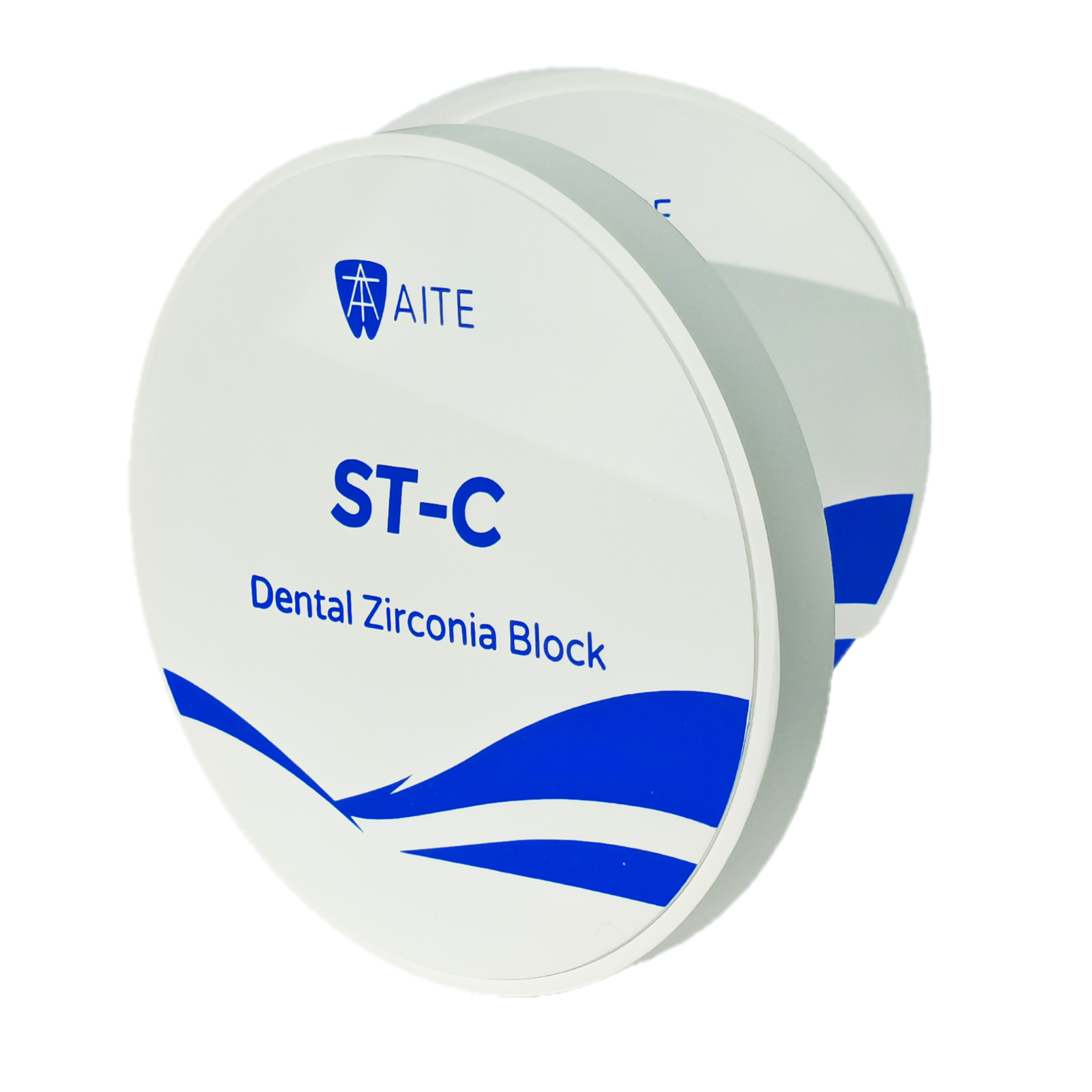
Understanding the distinctions between dental zirconia discs and blocks is essential for any dental laboratory or practice investing in modern CAD/CAM technology. Both formats represent high-performance zirconia solutions, yet they serve different clinical workflows, milling equipment types, and restoration specifications. The choice between dental zirconia discs and blocks fundamentally impacts production efficiency, material waste, restoration quality, and long-term cost structure. This guide clarifies how these two material formats differ in design, application, performance characteristics, and practical implementation within your dental practice.
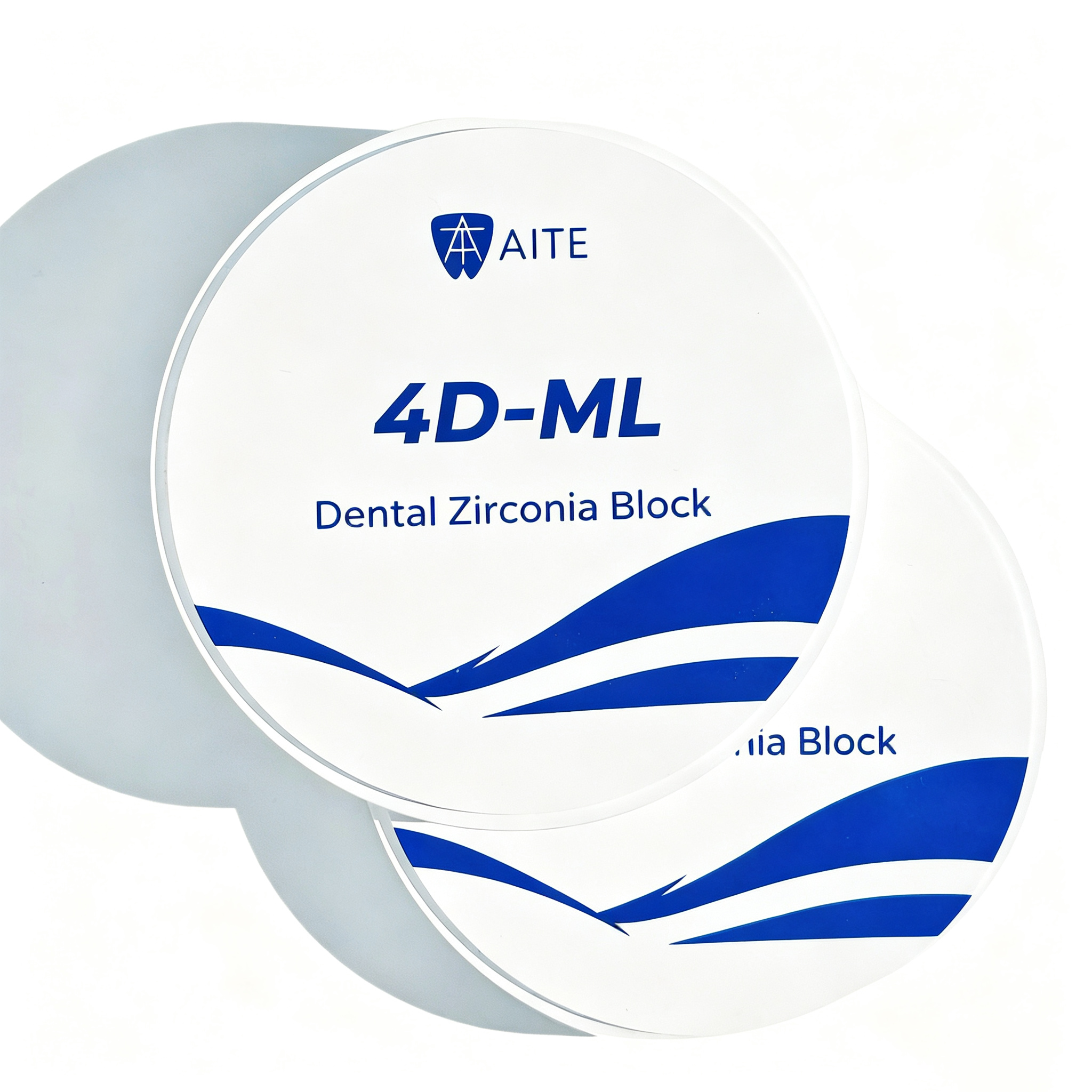
Both dental zirconia discs and traditional blocks are engineered from stabilized zirconia, a material renowned for superior strength, biocompatibility, and esthetic outcomes in prosthodontics. However, the physical form of dental zirconia discs offers distinct advantages for specific milling systems and production scenarios. Recognizing these differences helps laboratories and clinics optimize equipment utilization, reduce chairside time, and achieve consistent restoration quality across their patient base.
Material Composition and Physical Form
Structural Design of Dental Zirconia Discs
Dental zirconia discs are typically manufactured as thin, circular blanks designed to fit directly into milling units that accommodate disc-based stock material. The format of dental zirconia discs allows for rapid loading into compatible CAD/CAM systems without extensive pre-machining preparation. These dental zirconia discs are engineered to uniform thickness, usually ranging from 12 to 20 millimeters, which streamlines the milling process and reduces programming complexity. The disc shape of dental zirconia discs enables faster spindle engagement and efficient tool access, making them particularly suitable for high-volume production environments where speed and consistency matter.
Structure and Versatility of Zirconia Blocks
Zirconia blocks are offered in larger rectangular or cube-shaped configurations, typically measuring 14 × 10 × 8 millimeters or similar proportions that maximize material utilization for multiple restoration geometries. The block format provides greater flexibility for milling complex anatomies, implant-supported structures, and multi-unit restorations because the increased volume accommodates larger restoration designs. Blocks require more sophisticated software positioning and can generate more scrap material depending on the restoration design, yet they remain the preferred choice for laboratories needing maximum design flexibility. While dental zirconia discs serve specific applications efficiently, zirconia blocks represent the traditional standard for comprehensive restoration milling across diverse clinical indications.
Equipment Compatibility and Milling Workflow
Systems Optimized for Dental Zirconia Discs
Certain desktop and laboratory milling units are specifically engineered to accept dental zirconia discs as the primary stock format, and these systems often feature rapid loading mechanisms that reduce setup time between restorations. The compatibility of dental zirconia discs with these specialized milling units creates a streamlined workflow where material preparation is minimal and operator error is substantially reduced. Systems designed for dental zirconia discs typically include automated thickness detection and pre-programmed milling parameters, which accelerate production cycles and enhance repeatability. The efficiency gained from dental zirconia discs in compatible systems can reduce milling time by 15 to 25 percent compared to block-based workflows, particularly for single-unit crowns and simple restoration geometries.
Block-Based Milling Systems and Material Flexibility
The vast majority of modern CAD/CAM milling units in dental laboratories continue to operate with zirconia blocks because the format supports a broader spectrum of restoration designs, scanning capabilities, and software integration standards. Zirconia blocks accommodate milling of implant abutments, multi-unit bridges, inlays, onlays, and anatomically complex restorations that dental zirconia discs cannot efficiently produce. Block-based systems maintain industry-wide compatibility, meaning laboratories can source materials from multiple suppliers without equipment recalibration or workflow disruption. While zirconia blocks may require slightly longer milling cycles and generate some additional scrap material, their universal compatibility and design flexibility make them the default choice across diverse laboratory environments.
Clinical Performance and Restoration Quality
Strength and Longevity with Dental Zirconia Discs
Dental zirconia discs deliver exceptional mechanical properties including flexural strength exceeding 900 megapascals, making them highly resistant to fracture under normal mastication forces and parafunctional loading scenarios. The manufacturing consistency of dental zirconia discs ensures uniform grain structure and minimal internal defects, which contributes to predictable clinical longevity and reduced failure rates. Studies demonstrate that single-unit restorations milled from dental zirconia discs exhibit survival rates above 95 percent over five-year periods when properly designed and luted. The dense microstructure of dental zirconia discs resists staining and maintains esthetic stability, meaning restorations retain their appearance throughout their service life without requiring replacement due to discoloration or degradation.
Esthetic and Functional Outcomes with Zirconia Blocks
Zirconia blocks offer comparable strength characteristics to dental zirconia discs while providing enhanced esthetic versatility through shade selection and surface customization options that accommodate diverse patient preferences. The larger volume available with zirconia blocks allows milling of full-contour restorations with internal color gradients and anatomically refined morphology that closely mimics natural tooth structure. Zirconia blocks support more sophisticated surface treatments, glazing techniques, and integration with veneering materials that create superior esthetic results for highly visible restorations. While both formats deliver durable restorations, zirconia blocks enable clinicians to achieve more refined esthetic outcomes and greater patient satisfaction in esthetic zones where detailed anatomical replication is clinically important.
Cost Considerations and Material Waste
Economic Efficiency of Dental Zirconia Discs
The disc format of dental zirconia discs typically generates lower material waste because the disc geometry aligns precisely with the typical footprint of single-unit crown restorations, meaning a large percentage of the original blank is incorporated into the final restoration. Laboratories utilizing dental zirconia discs benefit from lower per-unit material costs and reduced scrap disposal expenses, which directly improves profit margins on high-volume crown production. The faster milling cycles associated with dental zirconia discs reduce labor costs and equipment wear, translating to lower overall production expenses per restoration. For laboratories specializing in single-unit crown production, implementing dental zirconia discs can reduce material and production costs by 12 to 18 percent compared to block-based workflows.
Material Utilization with Zirconia Blocks
While zirconia blocks may generate more scrap material for single-unit restorations, the larger stock format allows laboratories to mill multiple restorations or complex multi-unit bridges from a single block, which improves overall material utilization efficiency for comprehensive cases. Zirconia blocks enable nesting of multiple restoration designs within one block, reducing per-unit material costs when producing diverse restoration types or larger treatment plans. The flexibility of zirconia blocks to accommodate varying restoration sizes and geometries reduces inventory complexity, meaning laboratories maintain lower stock levels of block materials compared to maintaining multiple disc sizes. For laboratories producing diverse restoration types, zirconia blocks often deliver better long-term cost efficiency despite higher per-block material prices, because the versatility reduces setup complexity and allows batch processing of varied clinical cases.
Selection Criteria for Your Laboratory
Choosing Dental Zirconia Discs
Select dental zirconia discs if your laboratory focuses primarily on single-unit crown production, operates equipment specifically compatible with disc formats, and seeks maximum production speed and cost efficiency. Dental zirconia discs are ideal for high-volume environments where consistent output and minimal material waste take priority over design flexibility. If your practice emphasizes chairside milling and rapid turnaround delivery, dental zirconia discs offer the fastest workflow and lowest complexity for simple restorations. Laboratories with limited equipment variety and focused clinical scope benefit substantially from committing to dental zirconia discs, as the standardization reduces operator training requirements and minimizes workflow variability.
Choosing Zirconia Blocks
Select zirconia blocks if your laboratory produces diverse restoration types, requires maximum design flexibility, or operates universal milling equipment that accommodates standard block formats. Zirconia blocks remain the appropriate choice for implant-supported restorations, multi-unit bridges, complex anatomical designs, and practices requiring the broadest scope of clinical applications. If your laboratory values material versatility, supplier options, and compatibility with multiple software platforms, zirconia blocks provide the most reliable long-term foundation for diverse clinical workflows. Blocks enable laboratories to serve diverse patient needs without requiring separate equipment or material inventory, making them the safer choice for practices uncertain about future clinical direction.
FAQ
Can dental zirconia discs be used in any milling unit?
No, dental zirconia discs require milling units specifically engineered to accept disc-based stock material. Standard universal CAD/CAM milling systems are designed for block-format materials and cannot efficiently process dental zirconia discs without modification. Before investing in dental zirconia discs, verify that your milling equipment explicitly supports disc compatibility, as cross-format use may damage equipment or produce substandard restorations.
Do dental zirconia discs and zirconia blocks have different clinical longevity?
Both dental zirconia discs and zirconia blocks exhibit comparable clinical longevity when properly milled, designed, and cemented, with five-year survival rates exceeding 95 percent for single-unit crowns. Material format does not significantly impact restoration durability; instead, factors like restoration design, fit, preparation geometry, and cement selection determine clinical longevity. The choice between dental zirconia discs and blocks should prioritize workflow efficiency and equipment compatibility rather than clinical performance, as both formats deliver excellent long-term outcomes.
Which format offers better esthetic results?
Zirconia blocks typically enable more refined esthetic outcomes because the larger material volume supports detailed anatomical milling, gradient shading, and surface customization that dental zirconia discs cannot easily accommodate. However, dental zirconia discs produce excellent esthetic results for standard crown restorations, particularly when combined with surface staining and glazing techniques. For esthetic-zone restorations requiring exceptional anatomical detail and shade matching, zirconia blocks provide superior versatility, while dental zirconia discs are fully adequate for posterior restorations and standard esthetic applications.