
 EN
EN
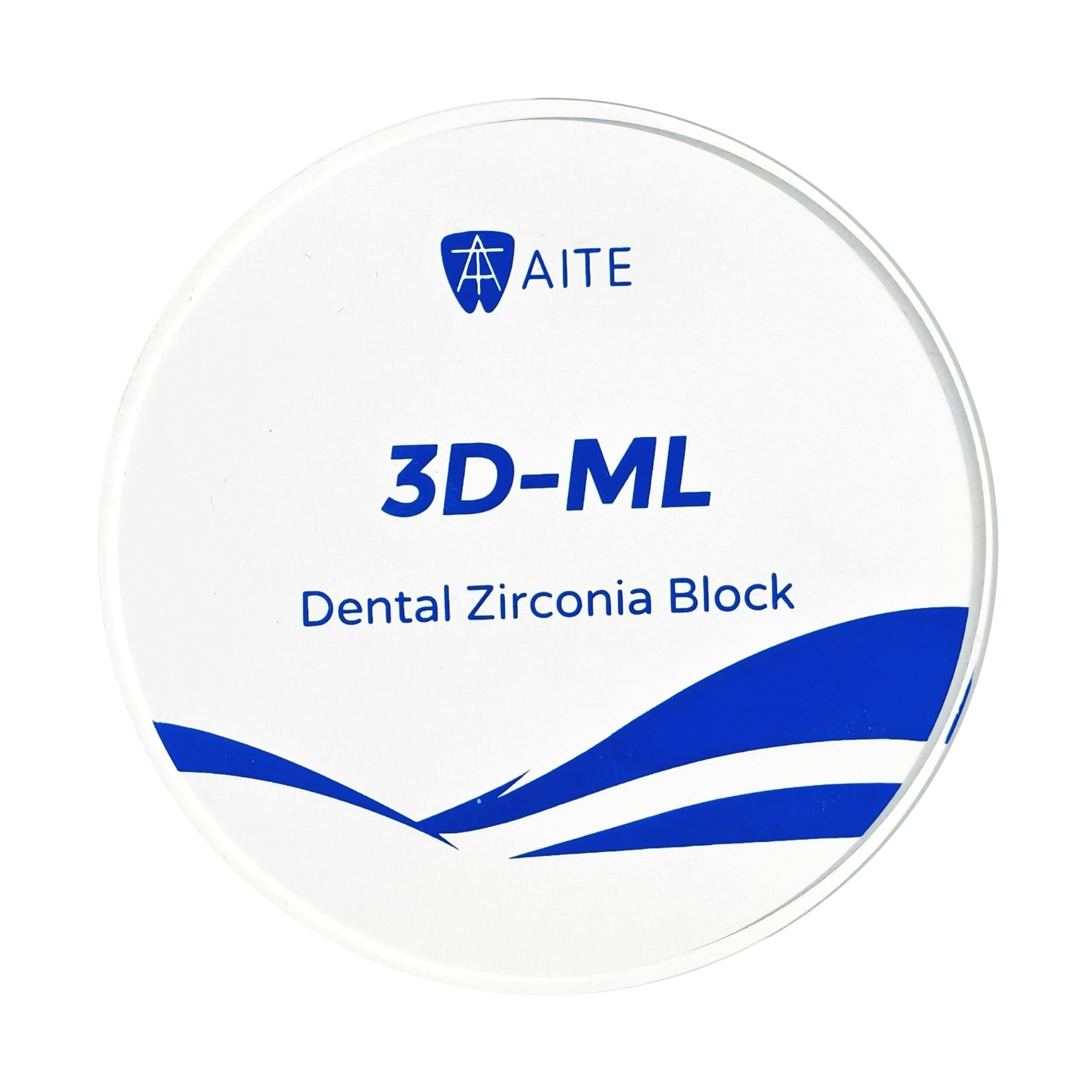
The challenge of modern dentistry lies in creating restorations that look natural while withstanding the powerful forces of everyday chewing and biting. For decades, dentists faced a difficult choice between materials that looked beautiful but lacked durability, or materials that were strong but appeared artificial. Today, dental zirconia has emerged as a transformative solution that resolves this longstanding conflict. Dental zirconia offers an unprecedented combination of strength, biocompatibility, and aesthetic versatility that makes it the preferred choice for tooth restorations across a wide range of clinical applications.
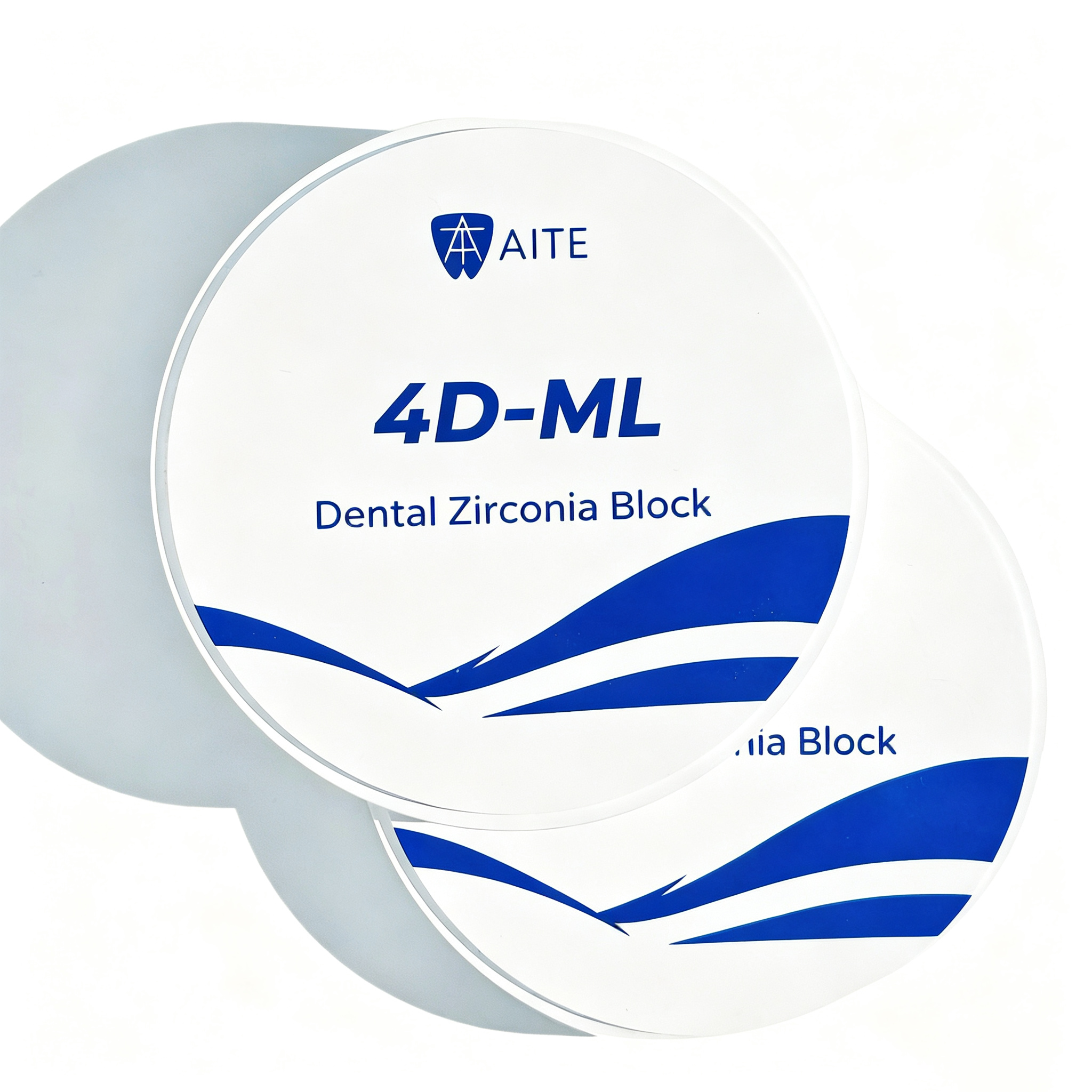
Dental zirconia's rise in popularity reflects a fundamental shift in how dental professionals approach restoration design. Unlike traditional porcelain-fused-to-metal crowns or older ceramic systems, dental zirconia delivers a rare balance that addresses both functional demands and patient expectations for natural appearance. Understanding how dental zirconia achieves this balance requires examining its material properties, clinical performance, and the technological innovations that have made it such a valuable asset in contemporary restorative dentistry.
The Material Science Behind Dental Zirconia
Composition and Crystal Structure
Dental zirconia is a crystalline oxide ceramic derived from zirconium dioxide. The strength of dental zirconia comes from its tetragonal crystal phase, which is stabilized through the addition of yttrium oxide. This specific crystalline arrangement creates what engineers call a 'transformation-toughening' mechanism. When stress is applied to dental zirconia, the crystal structure at the stress point undergoes a phase transformation that actually absorbs and dissipates the applied force rather than allowing it to propagate as a crack. This property makes dental zirconia significantly stronger than traditional porcelain, with flexural strengths often exceeding 900 megapascals compared to porcelain's typical 50 to 100 megapascals.
The structural integrity of dental zirconia means restorations can be manufactured with thinner profiles than older ceramic systems while maintaining superior durability. This advancement allows dental zirconia crowns and bridges to be milled with minimal thickness, which becomes crucial when working within the anatomical constraints of small teeth or when preserving tooth structure is a priority. The material's inherent toughness also reduces the risk of catastrophic failure or chipping, which was a common limitation of earlier all-ceramic restorations.
Aesthetic Enhancement Technologies
Early generations of dental zirconia were criticized for their opaque white appearance, which limited their use in highly visible front teeth. Modern dental zirconia formulations have addressed this limitation through improved translucency and refined coloration techniques. Contemporary dental zirconia products incorporate gradient coloring, where the shade matches natural tooth structure more closely, and enhanced light transmission that creates a more lifelike appearance. Some advanced formulations of dental zirconia now include pre-shaded blocks that eliminate the need for additional veneering layers, streamlining the production process while maintaining aesthetic excellence.
The aesthetic advancement in dental zirconia represents a critical breakthrough because it expanded the material's clinical applicability beyond posterior teeth. Dental zirconia can now be confidently recommended for smile-zone restorations where appearance is paramount. The translucency of modern dental zirconia approximates that of natural enamel more closely than previous generations, allowing light to penetrate and reflect in ways that create depth and natural-looking vitality rather than a flat or artificial appearance.
Clinical Performance and Longevity
Durability in High-Stress Environments
The functional performance of dental zirconia in clinical use demonstrates why this material has become the standard choice for posterior restorations and high-stress applications. Dental zirconia restorations consistently exhibit survival rates exceeding 95 percent at five years and remaining high beyond ten years of clinical service. This longevity directly results from the material's resistance to wear, fracture, and the micro-crack propagation that typically limits the lifespan of other ceramic materials. Dental zirconia can withstand the repetitive and sometimes extreme forces encountered in posterior dentition, including patients with bruxism or heavy bite forces.
Clinical studies comparing dental zirconia to alternative materials consistently demonstrate superior performance in demanding applications. Dental zirconia crowns show significantly lower failure rates than porcelain-fused-to-metal crowns, particularly in terms of fracture or chipping. The material's predictability makes it an economically sound choice for both patient and dentist, as the reduced need for replacement or repair over the restoration's lifetime offsets the initial material and manufacturing costs.
Biocompatibility and Tissue Health
Beyond durability, dental zirconia demonstrates exceptional biocompatibility with oral tissues. The material is non-toxic, does not corrode or degrade in the oral environment, and does not promote bacterial adhesion or periodontal inflammation. Dental zirconia's inert nature means there are no metal ions or chemical leaching concerns that sometimes accompany metal-containing restorations. Studies examining gingival response to dental zirconia consistently show healthy tissue adaptation and minimal inflammation, which contributes to the material's outstanding clinical success.
Patients appreciate the biological advantages of dental zirconia, particularly those with metal sensitivities or allergies. Because dental zirconia is metal-free, it eliminates concerns about nickel or cobalt exposure and provides psychological comfort for health-conscious patients. The material's smooth surface and inert chemistry support excellent long-term periodontal health around dental zirconia restorations, which helps ensure both the longevity of the restoration and the health of supporting structures.
Design Flexibility and Clinical Versatility
Restoration Types and Applications
The versatility of dental zirconia extends across nearly all types of fixed restorations in modern dentistry. Dental zirconia performs excellently for single crowns in both anterior and posterior regions, multi-unit bridge restorations, implant abutments, inlays, and onlays. The material's strength allows for minimal tooth preparation compared to other ceramics, preserving precious tooth structure while still achieving exceptional clinical results. Dental zirconia's predictability in restorations spanning multiple teeth makes it the preferred choice for comprehensive smile rehabilitation cases where consistency and durability are non-negotiable.
Implant specialists have embraced dental zirconia as the preferred abutment material because the material's biocompatibility and strength create an optimal interface between the implant and the restoration. Dental zirconia abutments reduce the risk of screw loosening and demonstrate superior tissue esthetics compared to traditional titanium abutments. This expansion of dental zirconia into implant applications has further solidified its position as the most advanced restorative material available to modern dental practices.
Customization and Shade Matching
Modern dental zirconia manufacturing employs digital design and milling technology that allows unprecedented customization for individual patient anatomy and aesthetic requirements. Digital scanning and CAD-CAM systems enable dental zirconia restorations to be designed with precise margins, optimal contacts, and anatomically accurate contours that enhance both function and appearance. Dental zirconia's available shade range continues to expand, with manufacturers offering multiple opacity levels and color options that allow shade matching that rivals natural tooth structure.
The integration of dental zirconia with digital workflow technology has democratized access to high-quality restorations. Dental zirconia can be manufactured in-office with modern milling systems or sourced from specialized laboratories, providing flexibility in production timelines and cost structures. This accessibility has contributed to dental zirconia becoming the material of choice across practices of varying sizes and specializations, from small general practices to large multi-specialty centers.
FAQ
How does dental zirconia compare to porcelain in terms of strength?
Dental zirconia is substantially stronger than traditional porcelain, with flexural strength values typically ranging from 900 to 1200 megapascals compared to porcelain's 50 to 100 megapascals. This remarkable difference in strength comes from dental zirconia's crystal structure and its transformation-toughening mechanism, which allows the material to absorb stress without fracturing. The superior strength of dental zirconia makes it far more resistant to chipping and breaking under the forces encountered in clinical use, particularly in posterior teeth where bite forces are highest.
Can dental zirconia be used for front teeth restorations?
Yes, modern dental zirconia is absolutely suitable for front teeth restorations. Earlier generations of dental zirconia had limited translucency and appeared too opaque for aesthetic smile-zone applications, but contemporary formulations have substantially improved optical properties. Modern dental zirconia now exhibits translucency comparable to natural teeth and is available in shades that closely match natural tooth structure. Dental zirconia for front teeth requires skillful shade selection and sometimes careful design considerations, but it delivers excellent aesthetic results while maintaining the superior durability that makes dental zirconia such a reliable restorative material.
Is dental zirconia safe for patients with metal allergies?
Dental zirconia is an ideal choice for patients with metal allergies or sensitivities because it is completely metal-free. The material is composed of zirconium dioxide and does not contain nickel, cobalt, chromium, or any other metallic elements that might trigger allergic reactions. Dental zirconia's inert chemistry means it does not corrode or release ions in the oral environment, making it one of the most biocompatible restorative materials available. For patients with documented metal sensitivities or those who prefer to avoid metal-containing restorations for health reasons, dental zirconia represents the optimal restoration choice.