
 EN
EN
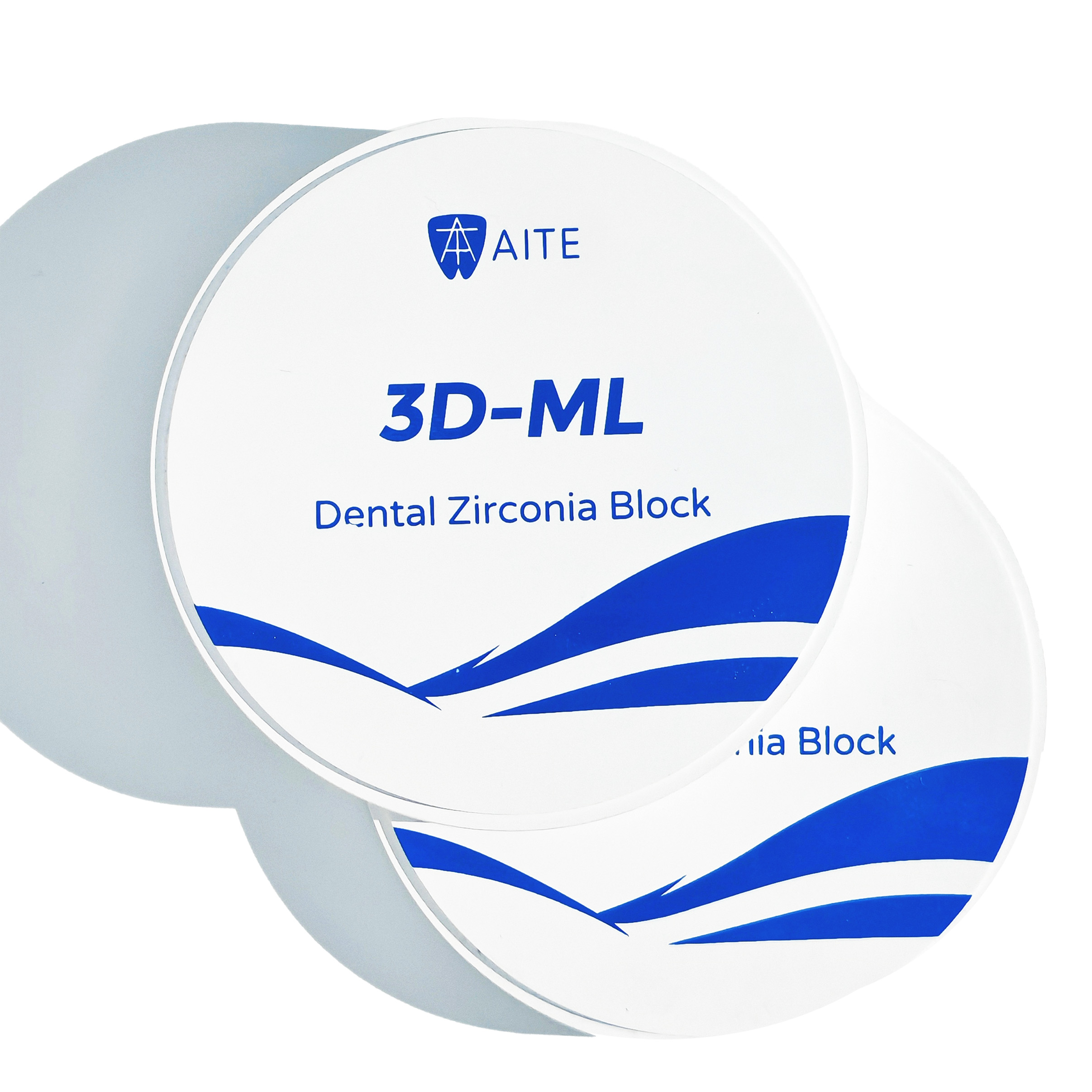
Multilayer zirconia blocks represent a significant advancement in dental prosthetics, enabling technicians to produce restorations with natural color gradients that closely mimic the optical characteristics of natural teeth. Unlike monolithic zirconia materials, multilayer zirconia blocks integrate multiple shade layers within a single unit, allowing for seamless color transitions from the cervical region to the incisal edge. This innovation addresses a fundamental challenge in modern dentistry: achieving both aesthetic excellence and clinical durability without compromising structural integrity.
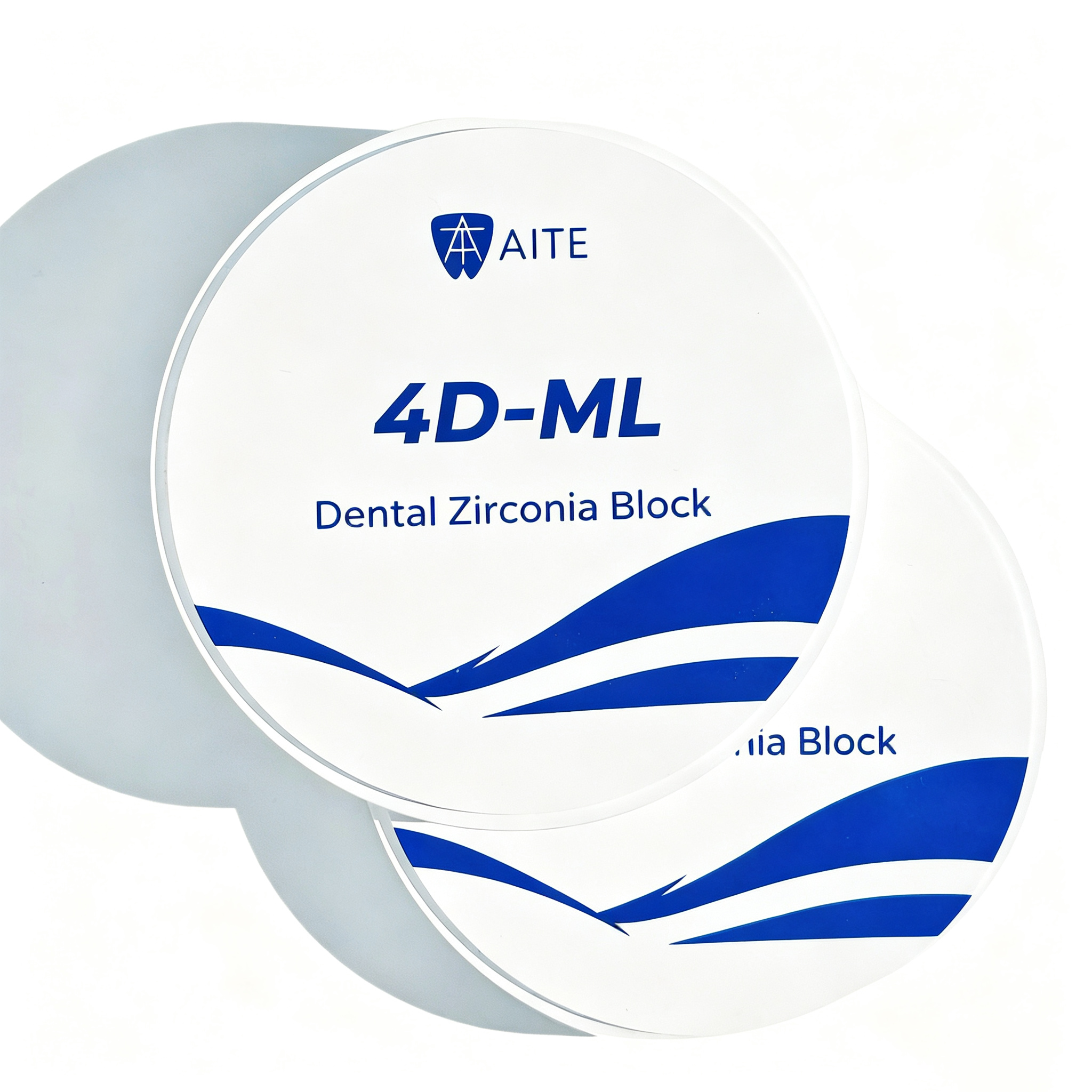
The gradient effect produced by multilayer zirconia blocks is not merely aesthetic. The layering architecture allows color intensity to vary across the restoration's surface, replicating how natural tooth structure displays different hues at different depths. When light interacts with these layered materials, it creates the subtle translucency and shading variations that characterize healthy, natural-looking teeth, ultimately delivering superior clinical outcomes compared to single-shade alternatives.
The Layering Architecture of Multilayer Zirconia Blocks
Understanding the Core Layer Structure
Multilayer zirconia blocks are engineered with distinct material zones stacked vertically during manufacturing. Each layer within these multilayer zirconia blocks serves a specific function: the cervical layer typically exhibits higher opacity and warmer tones to match gingival tissue, the middle layer provides neutral tones for the body of the restoration, and the incisal layer features enhanced translucency to replicate the natural transparency of tooth structure. This strategic composition means that multilayer zirconia blocks can deliver gradient effects without requiring manual staining or layering by the technician.
The gradient formation within multilayer zirconia blocks depends on the precise thickness and composition of each layer. Manufacturers carefully control the sintering process to ensure that different zirconia formulations maintain their distinct properties while achieving strong inter-layer bonding. This technical precision means that multilayer zirconia blocks provide consistent gradients across multiple units, reducing variability and improving the predictability of final restorations.
Material Composition and Shade Transition
Gradient creation in multilayer zirconia blocks involves varying the concentration of colorants and stabilizers across layers. The cervical section of these multilayer zirconia blocks contains higher pigment loads that provide opacity and warm undertones, while the incisal region incorporates formulations that enhance light transmission and reduce chroma. This compositional variation enables multilayer zirconia blocks to produce natural-looking restorations without post-milling surface treatments that might compromise material strength.
The transition zones between layers in multilayer zirconia blocks are engineered to be imperceptible at restoration boundaries. Modern manufacturing ensures that multilayer zirconia blocks integrate their layers seamlessly, so no visible demarcation lines appear between shade zones. This seamless integration is crucial for maintaining the aesthetic integrity of the final restoration and ensures that multilayer zirconia blocks perform as intended in clinical use.
Manufacturing Processes Behind Gradient Creation
Multi-Stage Production and Quality Control
Creating multilayer zirconia blocks involves sophisticated manufacturing techniques that differ significantly from conventional monolithic block production. The process begins with formulating different zirconia compositions targeted for each layer, ensuring that multilayer zirconia blocks will deliver the desired optical and mechanical properties. Manufacturers then layer these materials using specialized stacking and pressing methods that compact them into single units before sintering.
During sintering, the multilayer zirconia blocks undergo high-temperature treatment that fuses the layers into an integrated whole. The sintering parameters are precisely controlled to prevent interface degradation while ensuring that multilayer zirconia blocks achieve optimal density and translucency distribution. Quality control measures verify that multilayer zirconia blocks meet strict specifications for gradient uniformity, layer adhesion, and overall material consistency before reaching dental laboratories.
Precision Milling and Color Accuracy
The milling phase is where the gradient potential of multilayer zirconia blocks becomes functionally accessible to clinicians and technicians. Unlike traditional shaded blocks that require custom staining protocols, multilayer zirconia blocks can be milled into anatomically correct shapes while preserving the pre-engineered gradient. The digital design process ensures that multilayer zirconia blocks are milled in orientations that optimize gradient visibility, positioning cervical shades at the restoration base and incisal shades at the occlusal surface.
Milling software for multilayer zirconia blocks accounts for the material's stratified composition, adjusting cutting speeds and tool engagement to minimize chipping or delamination at layer boundaries. This specialized milling approach ensures that multilayer zirconia blocks deliver consistent aesthetic results across different restoration types, from single crowns to complex multi-unit cases where shade matching is critical.
Clinical Advantages and Aesthetic Outcomes
Natural Color Gradients Without Manual Staining
One of the most significant benefits of multilayer zirconia blocks is the elimination of time-consuming manual staining protocols. Traditional zirconia restorations often require technicians to apply surface colorants and glazes, introducing variability and requiring specialized skill to achieve natural gradients. Multilayer zirconia blocks, by contrast, deliver pre-engineered gradients that are integrated throughout the material structure, ensuring consistent aesthetic results without additional processing steps.
Clinical testing demonstrates that multilayer zirconia blocks produce restorations with superior shade matching and more lifelike appearance compared to monolithic alternatives. The gradient effect created by multilayer zirconia blocks allows restorations to blend seamlessly with adjacent natural teeth, even when significant color variation exists across the tooth structure. This advantage is particularly valuable in anterior regions where aesthetic demands are highest and shade harmony is essential for patient satisfaction.
Durability and Longevity Benefits
Because multilayer zirconia blocks integrate color gradients at the material level rather than relying on surface treatments, the aesthetic advantages are not compromised by wear, aging, or clinical abrasion. Restorations fabricated from multilayer zirconia blocks maintain their color integrity throughout their service life, resisting the color shifting that can occur with stained or glazed surfaces. This durability means that multilayer zirconia blocks provide long-term aesthetic stability, reducing the need for replacement due to cosmetic degradation.
The mechanical properties of multilayer zirconia blocks remain consistent throughout the gradient layers, ensuring that the material performs reliably under normal masticatory forces. The layered architecture does not compromise fracture resistance, and multilayer zirconia blocks maintain the inherent strength advantages of zirconia material while delivering superior aesthetics compared to monolithic options.
FAQ
What makes multilayer zirconia blocks different from monolithic zirconia?
Multilayer zirconia blocks contain integrated shade gradients engineered into the material structure during manufacturing, whereas monolithic zirconia is a single uniform color throughout. Monolithic blocks require manual staining or surface application of colorants to achieve shade variation, while multilayer zirconia blocks deliver pre-engineered gradients that are permanent and integral to the material. This distinction means multilayer zirconia blocks offer superior aesthetic consistency and eliminate the variability associated with surface-applied coloring methods.
How do multilayer zirconia blocks improve clinical outcomes?
Multilayer zirconia blocks improve clinical outcomes by providing natural color gradients that closely replicate tooth structure, reducing chairside adjustments and improving patient satisfaction. The pre-engineered gradients in multilayer zirconia blocks eliminate the need for time-consuming staining protocols, accelerating production timelines while ensuring consistent results. Additionally, because color gradients are integrated throughout the material, multilayer zirconia blocks maintain their aesthetic appearance indefinitely, resisting wear and discoloration that can affect surface-stained restorations.
Can multilayer zirconia blocks be used for all restoration types?
Multilayer zirconia blocks are versatile and suitable for most restoration types, including single crowns, multiple-unit bridges, and inlay restorations. The gradient properties of multilayer zirconia blocks are particularly advantageous in anterior regions where aesthetic demands are critical, but they function effectively in posterior applications as well. However, clinicians should verify that available block sizes and shade options align with their specific clinical requirements before adopting multilayer zirconia blocks into their workflow.