
 EN
EN
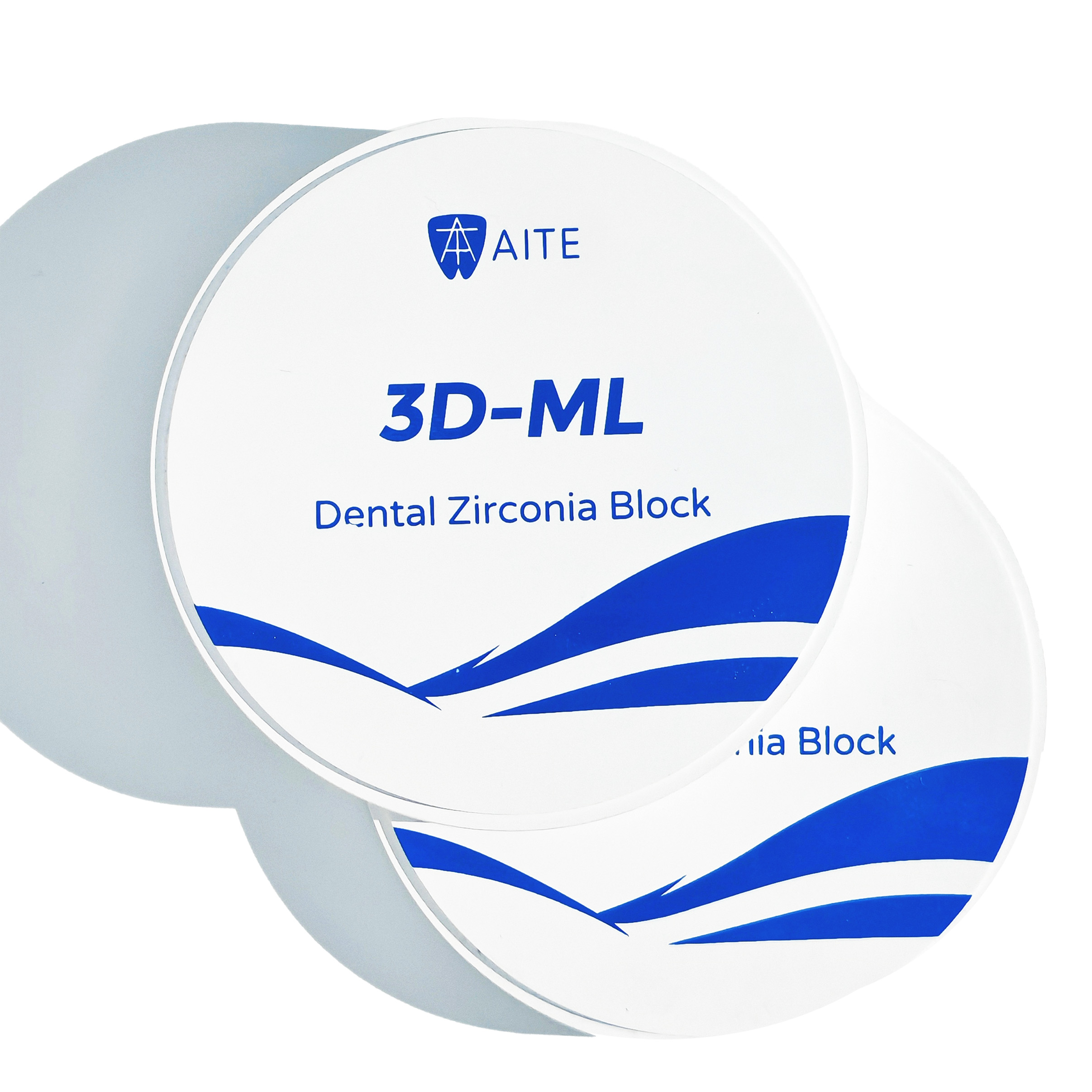
Multilayer zirconia blocks have emerged as a transformative solution in modern restorative dentistry, offering clinicians a material that combines superior esthetics with exceptional clinical performance. These advanced dental materials represent a significant evolution from traditional monolithic zirconia, providing practitioners with greater control over shade gradation, translucency, and strength characteristics. Understanding the advantages of multilayer zirconia blocks is essential for dental professionals seeking to deliver predictable, long-lasting restorations that meet both functional and cosmetic patient expectations.
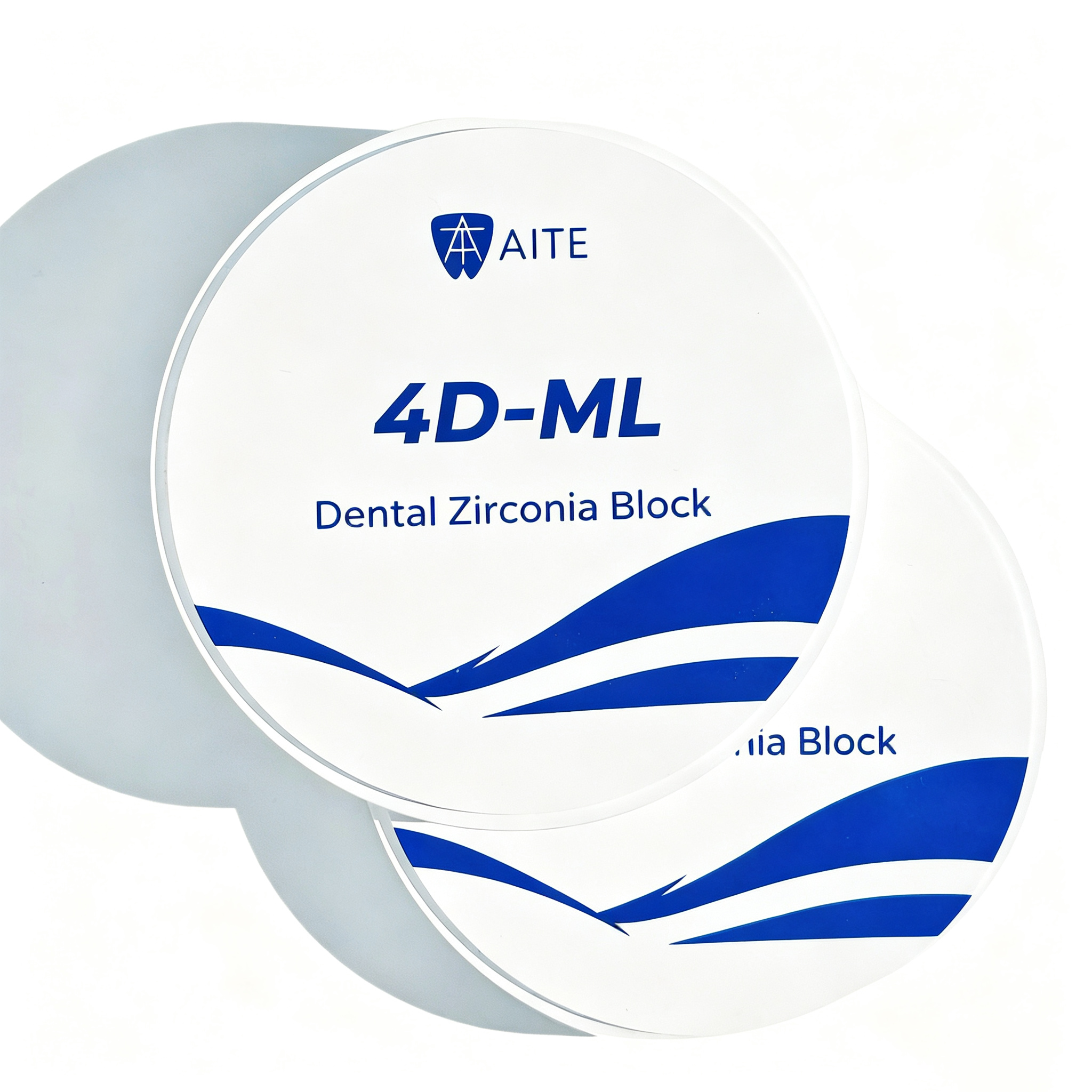
The development of multilayer zirconia blocks reflects years of material science research aimed at balancing the competing demands of dental restoration. By incorporating multiple layers with varying compositions, manufacturers have created multilayer zirconia blocks that deliver improved esthetic outcomes without sacrificing the strength and durability that zirconia is known for. This innovative approach addresses the limitations of earlier zirconia formulations while establishing new clinical standards for CAD/CAM milled restorations.
Superior Esthetic Integration with Clinical Durability
Gradient Shade and Translucency Control
One of the most compelling advantages of multilayer zirconia blocks is their ability to replicate natural tooth anatomy through precise shade gradation. Unlike monolithic zirconia, which offers uniform coloration throughout, multilayer zirconia blocks are manufactured with intentional color and translucency variations from the incisal to the cervical regions. This gradient mimics the natural light transmission properties of biological teeth, creating restorations that blend seamlessly with existing dentition. The incisal layer of multilayer zirconia blocks typically exhibits greater translucency, allowing light to penetrate naturally, while the cervical layer remains more opaque to provide optimal masking over discolored abutments or implant components.
The translucency characteristics of multilayer zirconia blocks eliminate the need for extensive veneer layering or staining adjustments post-milling. Clinicians can confidently deliver restorations that demonstrate natural color progression and luminosity directly from the CAD/CAM milling process. This capability significantly reduces laboratory time and increases clinical efficiency while maintaining exceptional esthetic standards. The inherent layered structure of multilayer zirconia blocks ensures consistency across multiple cases, providing predictable esthetic outcomes regardless of the practitioner's experience level with esthetic dentistry.
Strength and Longevity Without Compromise
While multilayer zirconia blocks prioritize improved esthetics, they maintain the formidable strength that makes zirconia an industry standard. The manufacturing process of multilayer zirconia blocks preserves the material's crystalline structure and fracture resistance, ensuring that restorations can withstand the demanding forces of mastication. Clinical studies consistently demonstrate that multilayer zirconia blocks exhibit flexural strength values exceeding 900 MPa, making them suitable for single crowns, multi-unit bridges, and implant-supported restorations in both anterior and posterior regions.
The longevity of multilayer zirconia blocks in clinical service derives from their resistance to chipping, cracking, and wear patterns that compromise other materials. The layered composition actually enhances fracture toughness by distributing stress loads across multiple material phases, reducing the likelihood of catastrophic failure. Practitioners who select multilayer zirconia blocks for demanding clinical situations can provide patients with restorations engineered for 10+ years of reliable service, backed by clinical evidence and material science research supporting their durability.
Enhanced Clinical Workflow and Milling Efficiency
Simplified Color Matching and Customization
Multilayer zirconia blocks streamline the restorative process by reducing the complexity of shade selection and customization steps. Traditional monolithic zirconia often requires extensive staining and glazing procedures to achieve acceptable esthetic results, consuming valuable clinical and laboratory time. In contrast, multilayer zirconia blocks arrive pre-engineered with optimal shade gradation, allowing technicians to mill restorations that require minimal or no additional esthetic refinement. This advantage of multilayer zirconia blocks translates directly into faster turnaround times and reduced costs associated with complex finishing procedures.
The systematic shade organization within multilayer zirconia blocks also minimizes communication errors between clinician and laboratory. Rather than relying on subjective shade tab matching or complex custom instructions, multilayer zirconia blocks provide a standardized framework that facilitates accurate color reproduction. Clinicians can reference the specific layer location and inherent gradient of multilayer zirconia blocks to communicate expectations clearly, ensuring that final restorations match clinical objectives with remarkable consistency and reducing remake rates.
CAD/CAM Milling Precision and Material Stability
Modern milling equipment is optimized for processing multilayer zirconia blocks, delivering exceptional dimensional accuracy and surface finish quality. The crystalline composition of multilayer zirconia blocks responds predictably to CAD/CAM cutting protocols, allowing technicians to design and mill intricate features with precision that approaches the margin definition achieved by hand-crafted restorations. The inherent stability of multilayer zirconia blocks during and after milling ensures minimal dimensional change, eliminating the adjustment requirements that sometimes plague other indirect materials.
The milling efficiency of multilayer zirconia blocks represents a significant operational advantage for laboratories operating high-volume production schedules. Reduced finishing time, minimal post-milling adjustments, and predictable outcomes combine to enhance laboratory productivity. Whether production facilities operate single milling units or multiple CAD/CAM systems, multilayer zirconia blocks provide consistent material behavior that supports efficient workflow integration and reliable delivery timelines.
Clinical Performance and Patient Satisfaction Outcomes
Biocompatibility and Soft Tissue Response
The biocompatibility profile of multilayer zirconia blocks matches the exceptional tissue response characteristics that established zirconia as a cornerstone restorative material. The inert surface of multilayer zirconia blocks minimizes adverse reactions with oral tissues, supporting healthy gingival margins and reducing inflammation around restoration margins. Patients experience excellent comfort with multilayer zirconia blocks, and clinical examination typically reveals normal soft tissue contours and color around completed restorations.
Long-term clinical observations confirm that multilayer zirconia blocks consistently produce restorations that maintain tissue health over extended service periods. The polished or glazed surface characteristics of multilayer zirconia blocks resist plaque accumulation more effectively than rougher materials, supporting patient hygiene efforts and reducing the risk of secondary decay. This biocompatibility advantage of multilayer zirconia blocks extends restoration longevity by maintaining the biological seal at the restoration-tooth interface.
Aesthetic Stability and Color Retention
Unlike some aesthetic materials prone to discoloration or surface degradation, multilayer zirconia blocks demonstrate exceptional color stability throughout their clinical lifespan. The factory-engineered layer composition ensures that color characteristics remain locked into the material structure, resisting the surface staining and fading that compromise other restorative options. Patients benefit from restorations that maintain their original esthetic appeal without requiring periodic refinishing or replacement due to color changes.
This aesthetic stability of multilayer zirconia blocks directly addresses patient concerns about long-term restoration appearance. Clinical practice data shows that patients consistently rate multilayer zirconia blocks restorations as maintaining natural appearance throughout the observation period, with satisfaction metrics remaining high even after 5-10 years of service. The combination of initial shade accuracy and permanent color retention makes multilayer zirconia blocks an ideal choice for patients prioritizing aesthetic consistency over the restoration's lifetime.
FAQ
What specific applications are multilayer zirconia blocks best suited for?
Multilayer zirconia blocks excel in anterior crown restoration, particularly in esthetic zones where natural tooth appearance is paramount. These blocks are equally effective for posterior restorations, multi-unit bridges, and implant-supported crowns where strength and longevity are critical. The versatility of multilayer zirconia blocks makes them suitable for virtually any indication requiring a crown or bridge restoration, though they deliver maximum value in high-visibility cases where initial esthetic precision and long-term color stability are decisive factors.
How do multilayer zirconia blocks compare to solid-shaded monolithic options?
Multilayer zirconia blocks offer superior esthetic outcomes compared to monolithic zirconia because the graduated layer composition eliminates the need for extensive custom staining and veneer application. While monolithic zirconia delivers exceptional strength, achieving natural-looking translucency and shade gradation typically requires additional processing steps. Multilayer zirconia blocks provide equivalent strength with inherently superior esthetics, reducing laboratory time and improving delivery efficiency. For practitioners prioritizing both durability and immediate esthetic excellence, multilayer zirconia blocks represent the more efficient choice.
What is the typical service longevity of multilayer zirconia blocks restorations?
Clinical evidence supports consistent restoration longevity exceeding 10 years for properly designed and cemented multilayer zirconia blocks. The material's fracture toughness, combined with its biocompatibility and resistance to degradation, establishes a track record of reliable long-term performance. Many multilayer zirconia blocks restorations placed over 15 years ago continue functioning without complications, demonstrating that properly executed multilayer zirconia blocks restoration represents a sound investment in patient care and long-term restoration stability. Longevity can be optimized through appropriate material selection, precise margin design, and cementation with materials compatible with multilayer zirconia blocks surfaces.