
 EN
EN
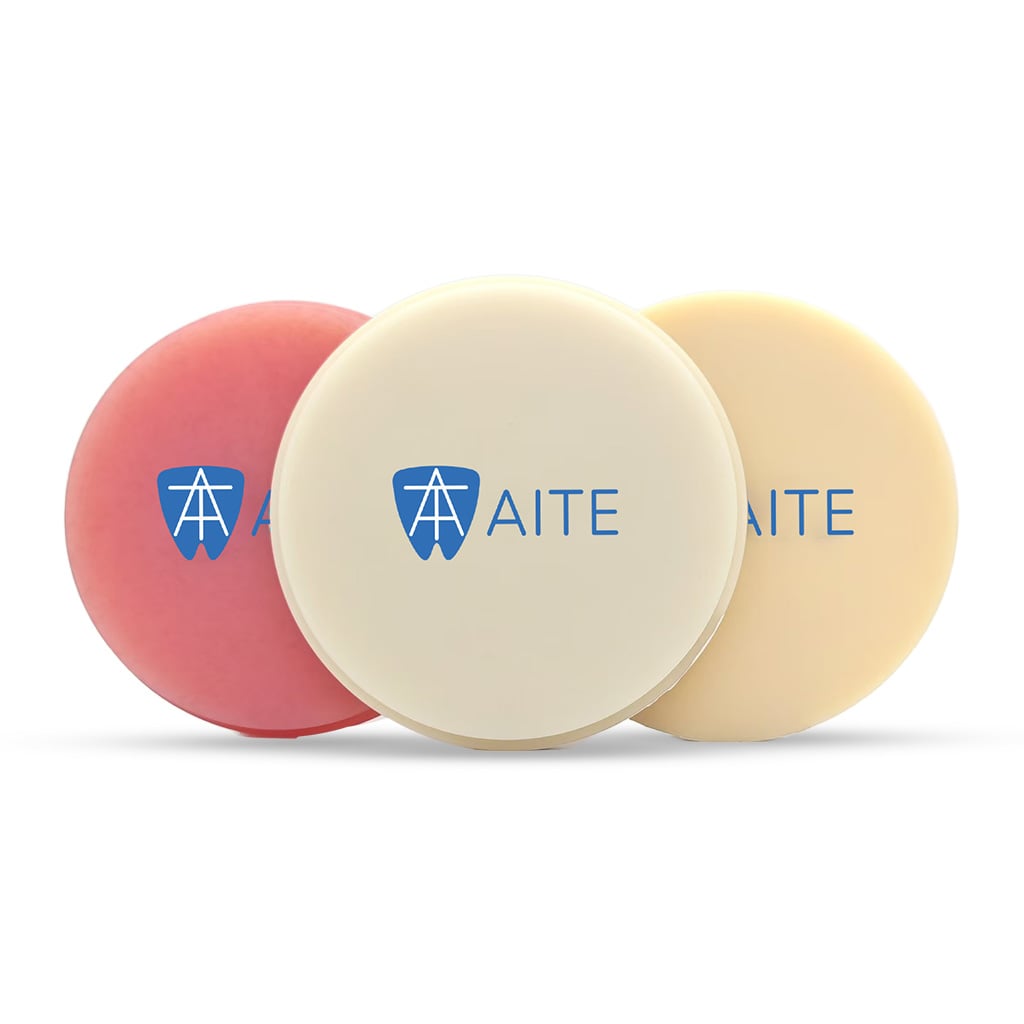
When selecting materials for dental restorations, prosthodontics, and temporary solutions, clinicians must evaluate multiple options to achieve the best outcomes for their patients. Dental PMMA and composite resins represent two widely used alternatives, each offering distinct advantages and limitations depending on the clinical scenario. Understanding the fundamental differences between dental PMMA and composite materials is essential for making informed treatment decisions that balance esthetics, durability, cost-effectiveness, and long-term clinical success.
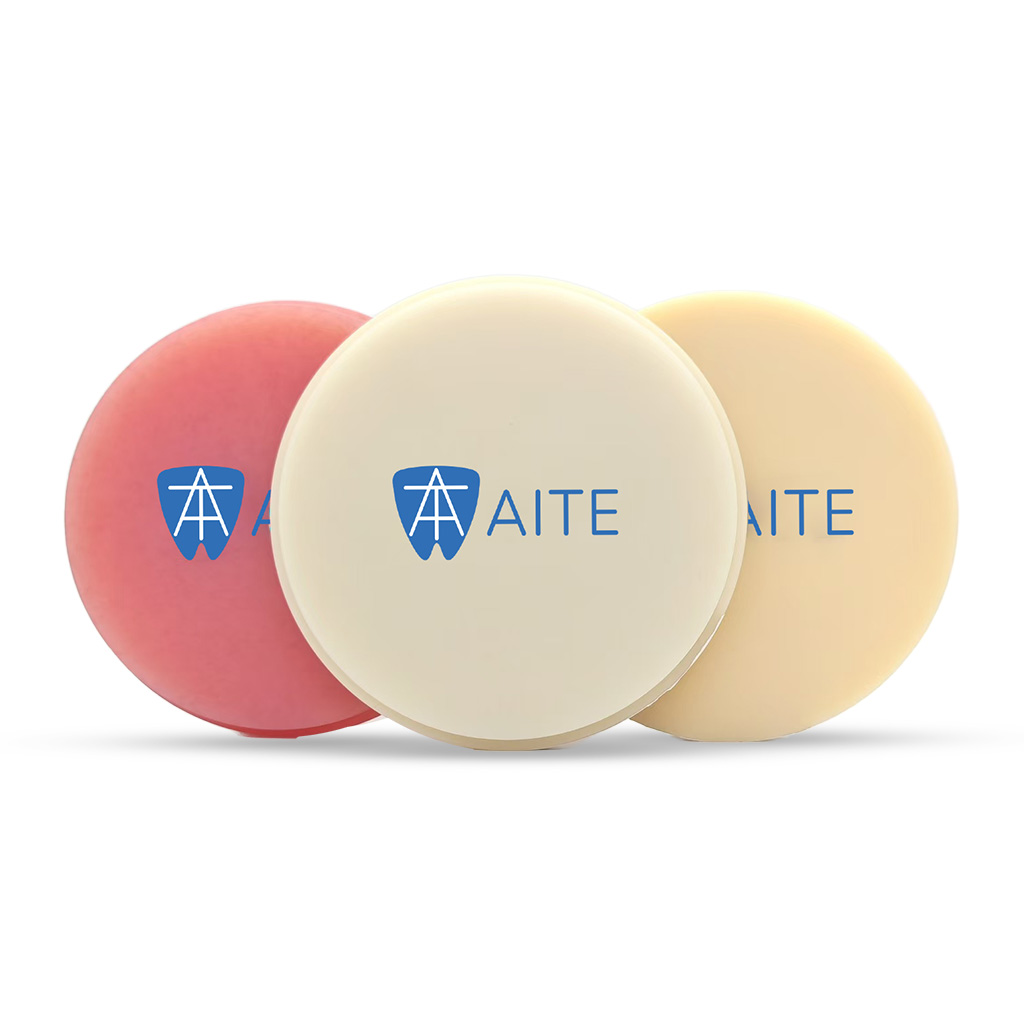
This comprehensive guide explores the key distinctions between dental PMMA and composite materials, examining their chemical composition, mechanical properties, clinical applications, esthetic capabilities, and cost implications. By understanding how these materials differ, dental professionals can select the most appropriate option for temporary crowns, dentures, implant abutments, and other prosthetic needs.
Material Composition and Chemical Properties
Dental PMMA Structure and Characteristics
Dental PMMA, or polymethyl methacrylate, is a thermoplastic polymer created by polymerizing methyl methacrylate monomers. Dental PMMA has been used in prosthodontics for decades, providing a reliable and well-established material with predictable performance. The molecular structure of dental PMMA consists of long polymer chains that create a homogeneous, non-porous matrix, which contributes to its dimensional stability and low water absorption. This composition makes dental PMMA particularly suitable for applications requiring precision fit and extended clinical longevity.
The thermal properties of dental PMMA allow it to be reshaped and adjusted during manufacturing and clinical adjustment phases. When heated, dental PMMA becomes malleable, enabling technicians to create custom fit and modify margins or contours with minimal stress to the underlying structure. This thermoplasticity is a significant advantage when compared to materials that cannot be readily adjusted without compromising their integrity.
Composite Material Composition
Composite resins consist of an organic resin matrix, typically made from bis-GMA, UDMA, or other acrylic monomers, combined with inorganic filler particles such as silica, glass, or ceramic particles. Unlike dental PMMA, composite materials are photopolymerized through light activation, which allows for controlled setting and direct application in the mouth. The filler content in composite materials typically ranges from 40 to 80 percent by weight, providing enhanced strength and reduced polymerization shrinkage compared to unfilled resins.
Composite materials absorb slightly more moisture than dental PMMA, which can lead to minor dimensional changes and potential enamel stress over time. The resin matrix in composites is also more susceptible to staining and discoloration from dietary factors, beverages, and smoking compared to the resistance observed with dental PMMA applications.
Mechanical Properties and Durability
Strength and Longevity Comparison
Dental PMMA exhibits excellent compressive strength and dimensional stability, making it ideal for temporary crowns and long-term provisional restorations. The mechanical properties of dental PMMA remain consistent over extended periods, with minimal degradation when properly fabricated and maintained. Clinical studies demonstrate that dental PMMA restorations can remain functionally sound for several years, particularly when used in low-stress areas or as interim prosthetics.
Composite materials generally demonstrate superior wear resistance and fracture toughness compared to dental PMMA, particularly in high-stress areas such as posterior regions. Composite restorations can withstand greater occlusal forces without cracking, making them more suitable for long-term permanent restorations. However, composite materials require more meticulous finishing and polishing than dental PMMA to maintain their surface characteristics.
Adjustment and Repairability
One of the primary advantages of dental PMMA over composites is its exceptional adjustability in the clinical setting. Dental PMMA can be easily ground, reshaped, and repolished without risk of chipping or fracture, allowing clinicians to modify occlusal contacts, contours, and margins with confidence. This superior adjustability makes dental PMMA the preferred material for temporary restorations where frequent modifications are anticipated.
Composite materials are more challenging to adjust clinically and may chip or fracture if aggressive grinding is attempted. Repairs to composite restorations typically require reapplication of new composite material bonded to the existing surface, a process that can be less predictable than simple dental PMMA adjustments. This limitation particularly influences the selection of dental PMMA for temporary restorations where clinical adjustments are frequently necessary.
Esthetic Performance and Clinical Applications
Esthetic Capabilities and Color Stability
Composite materials offer superior esthetic capabilities compared to dental PMMA, with better shade matching potential and more natural-appearing restorations. Composite resins can be fabricated in numerous shade variations and translucency levels, enabling custom esthetic refinement for each clinical situation. The layering capability of composite materials allows technicians and clinicians to create anatomically accurate restorations with enhanced natural appearance.
Dental PMMA demonstrates superior color stability and resistance to staining compared to composite materials. Dental PMMA restorations maintain their original shade and surface characteristics over extended periods without discoloration from dietary factors. For patients concerned with esthetic stability and long-term appearance, dental PMMA provides reliable performance, though dental PMMA shade options are more limited compared to composite systems.
Temporary versus Permanent Applications
Dental PMMA is traditionally selected for temporary crowns, provisional dentures, and interim restorations where esthetic demands are moderate and adjustability is prioritized. The material's excellent adjustability and dimensional stability make dental PMMA ideal for bridging the gap between tooth preparation and definitive restoration. Clinicians favor dental PMMA for these applications because the material's properties support multiple adjustments without degradation.
Composite materials are increasingly used for permanent restorations, offering superior esthetics and longevity for definitive applications. When maximum esthetic outcome and proven durability are required, composite resins surpass dental PMMA in performance. However, for interim solutions where adjustability and cost-effectiveness are priorities, dental PMMA remains the superior choice despite composite advancement.
Cost-Effectiveness and Clinical Decision Making
Material and Laboratory Costs
Dental PMMA is generally more cost-effective than composite materials, both in material acquisition and laboratory fabrication. The manufacturing process for dental PMMA restorations is well-established and efficient, allowing laboratories to produce high-quality restorations at lower cost. This cost advantage makes dental PMMA particularly attractive for temporary restorations and high-volume provisional applications where budget efficiency is important.
Composite materials require more sophisticated equipment, longer processing times, and specialized training, resulting in higher laboratory fees. The investment in composite technology and materials justifies higher costs for permanent restorations where longevity and esthetics justify the expense. Selecting dental PMMA for temporary applications allows clinicians to manage costs effectively while reserving composite materials for definitive restorations.
Clinical Selection Criteria
The choice between dental PMMA and composite materials depends on several clinical factors including restoration longevity requirements, esthetic demands, adjustment frequency, and cost constraints. For temporary solutions requiring frequent modifications, dental PMMA offers superior performance and efficiency. When seeking dental PMMA solutions that combine reliability with adjustability, laboratory partners can provide precisely fabricated interim restorations.
Composite materials should be selected when permanent esthetic restorations are planned, when patients require superior color matching, or when superior wear resistance in high-stress areas is anticipated. Understanding the specific clinical application helps clinicians determine whether dental PMMA or composite better serves patient needs and treatment outcomes.
FAQ
Is dental PMMA suitable for permanent restorations?
Dental PMMA can function as a permanent restoration in select low-stress applications, but composite materials are generally preferred for permanent prosthetics due to superior wear resistance and esthetics. Dental PMMA is traditionally reserved for temporary or interim applications where adjustability and cost-effectiveness are prioritized over extended longevity.
Why is dental PMMA easier to adjust than composite?
Dental PMMA is a thermoplastic material that can be ground, reshaped, and repolished without risk of fracture or chipping. Composite materials are thermoset resins that cannot be heated for reshaping, making them more prone to fracture during aggressive clinical adjustment. This fundamental material difference makes dental PMMA superior for restorations requiring frequent clinical modifications.
Which material provides better esthetics, dental PMMA or composite?
Composite materials offer superior esthetic capabilities with better shade matching, translucency options, and natural appearance. However, dental PMMA provides better color stability and stain resistance over time. For temporary restorations where esthetic demands are moderate, dental PMMA delivers adequate appearance with superior durability of the color and finish.