
 EN
EN
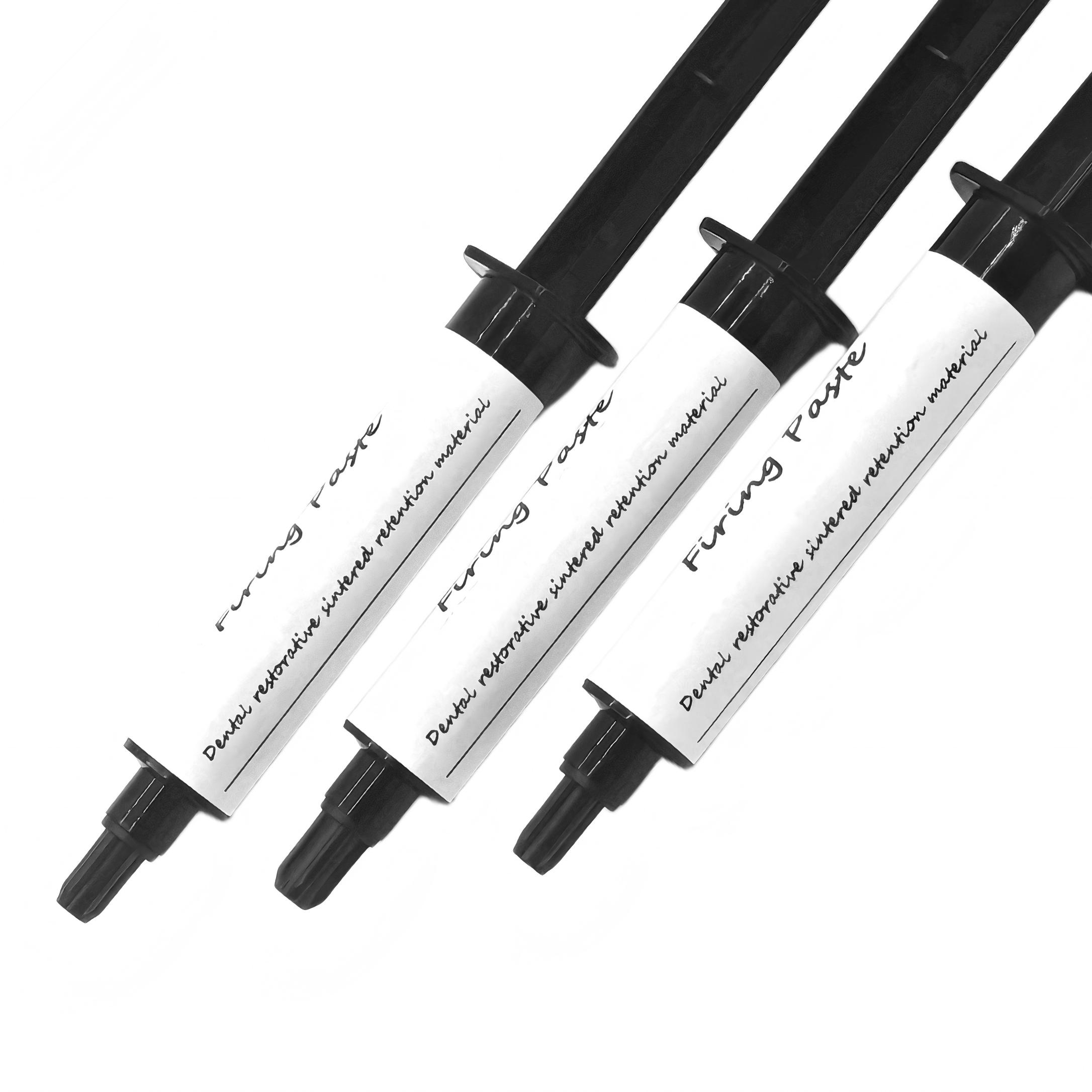
Selecting the appropriate dental firing paste is one of the most critical decisions in ceramic restoration work. The quality of your final restoration depends significantly on choosing a dental firing paste that matches your specific ceramic composition, firing temperature range, and desired aesthetic outcomes. Many dental laboratories and clinicians struggle with this selection because they lack clear guidance on how ceramic type, firing characteristics, and paste composition interact. Understanding these relationships transforms your workflow and ensures consistent, predictable results with every ceramic case.
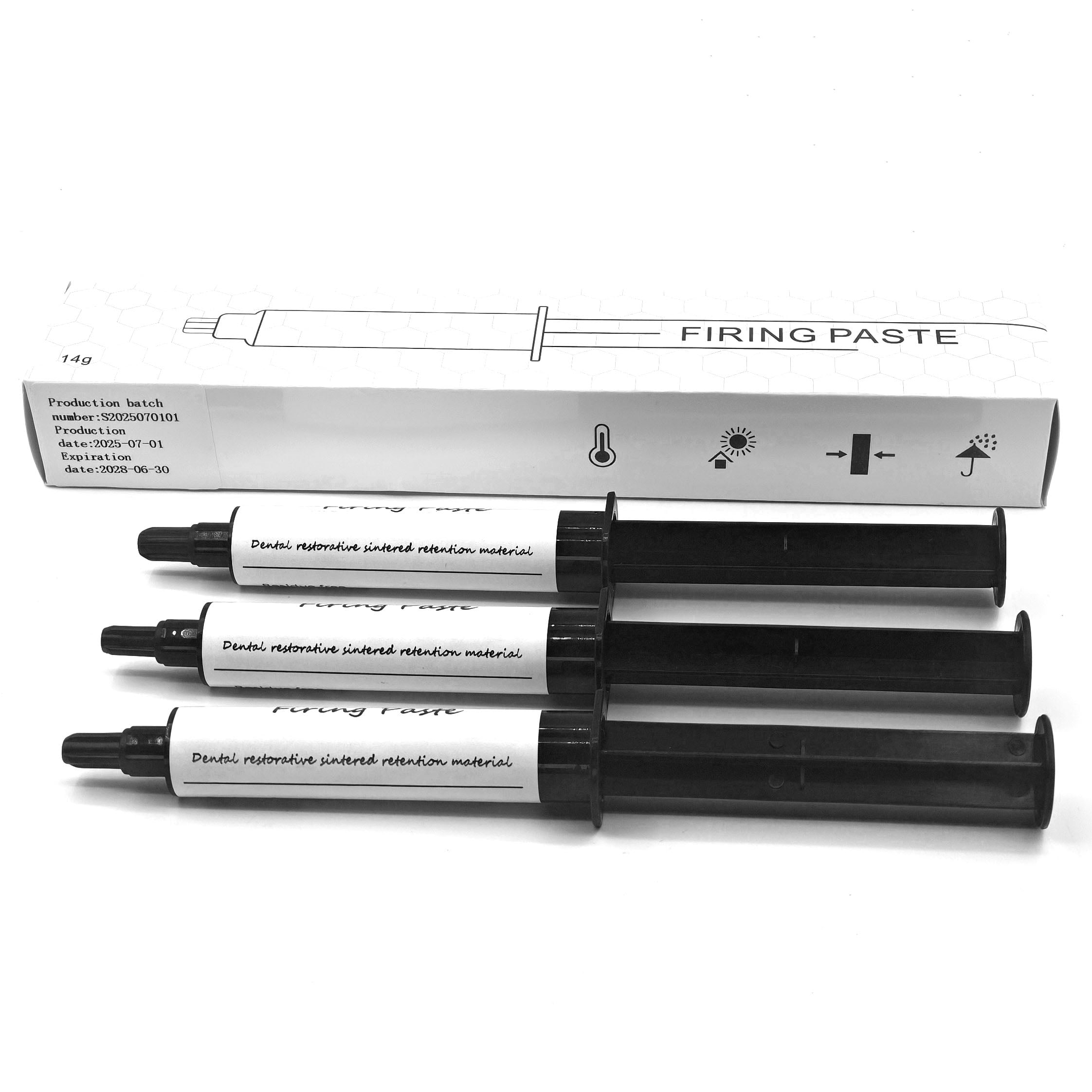
The dental firing paste you choose acts as a critical support medium during the high-temperature sintering process. It prevents unwanted contact between ceramic and kiln surfaces, reduces warping, and helps maintain the precise dimensions your restoration requires. Different ceramics—whether feldspathic, alumina-based, zirconia, or lithium disilicate—respond differently to various dental firing paste formulations. Recognizing these differences allows you to optimize your firing protocols and achieve superior marginal fit, strength, and color stability in your finished restorations.
Understanding Ceramic Types and Firing Requirements
Feldspathic and Glass-Based Ceramics
Feldspathic ceramics represent the traditional foundation of ceramic dentistry. These materials fire at lower temperatures, typically between 900 and 1100 degrees Celsius. When working with feldspathic systems, your dental firing paste must provide adequate support without interfering with the natural glossing and color development these materials undergo during firing. A dental firing paste designed for feldspathic ceramics should have thermal properties that match the expansion and contraction rates of the ceramic itself, preventing cracking or separation during cooling cycles.
Glass-based ceramics, including pressed systems and some veneer materials, require similar but more precise dental firing paste considerations. These materials are sensitive to support material chemistry because their vitreous phase can interact with impurities in poorly formulated pastes. Selecting a premium-grade dental firing paste ensures that no unwanted chemical reactions occur between the glass phase and the support material, maintaining the optical properties and translucency you need for anterior restorations.
High-Strength Ceramics and Advanced Materials
Alumina and zirconia-based ceramics demand specialized dental firing paste formulations because they fire at significantly higher temperatures, often exceeding 1400 degrees Celsius. At these extreme temperatures, your dental firing paste must remain chemically inert while providing mechanical stability. High-strength ceramics require dental firing paste with enhanced refractory properties and superior resistance to deformation under prolonged thermal stress. Using an inappropriate dental firing paste with these materials can result in sticking, discoloration, or surface roughness that compromises the final restoration quality.
Lithium disilicate and other pressed glass-ceramics occupy a middle ground, firing around 920 degrees Celsius but requiring unique dental firing paste characteristics. These materials benefit from dental firing paste formulations that facilitate smooth surface development and enhance the crystalline maturation that gives lithium disilicate its exceptional strength and esthetics. The correct dental firing paste for lithium disilicate prevents surface irregularities and unwanted interaction with the kiln atmosphere.
Evaluating Dental Firing Paste Composition and Performance
Chemical Composition and Refractory Properties
The composition of your dental firing paste directly influences how it performs at various firing temperatures. Quality dental firing paste contains carefully balanced refractory materials—typically including alumina, silica, and specialized bonding agents—that create a stable support matrix. When you select a dental firing paste, verify that its chemical composition is designed for the specific temperature range your ceramic requires. A dental firing paste formulated for low-temperature ceramics will fail under high-temperature firing, becoming overly rigid or even fusing with your restoration.
Refractory particle size distribution within your dental firing paste affects both workability and performance. Fine-particle dental firing paste offers easier application and smoother surface contact, reducing the risk of surface imperfections on your restoration. Coarser dental firing paste formulations may provide better thermal stability for certain high-fire applications but require more careful application technique. Understanding these composition differences allows you to choose dental firing paste that aligns with both your material requirements and your laboratory's handling preferences.
Thermal Expansion Compatibility
Thermal expansion matching between your dental firing paste and ceramic is essential for preventing warping or cracking. Your dental firing paste must have a coefficient of thermal expansion that complements your ceramic material. When dental firing paste and ceramic expand and contract at different rates, mechanical stress develops at the interface, potentially causing distortion. Premium dental firing paste formulations are engineered to match the expansion profiles of specific ceramic families, ensuring dimensional stability throughout the entire firing and cooling cycle.
Testing thermal compatibility is part of responsible material selection. When evaluating dental firing paste options, consider conducting trial firings with your preferred ceramic system to confirm that the paste-to-ceramic interface remains stable. This verification step prevents costly failures in your production workflow and demonstrates your commitment to consistency and quality in your ceramic restorations.
Practical Selection Criteria for Your Laboratory
Matching Paste to Your Kiln and Workflow
Your specific kiln type and firing parameters influence which dental firing paste will perform optimally. Fast-fire kilns require dental firing paste with rapid heat conductivity, while slower protocols allow greater flexibility in paste selection. When you choose dental firing paste, consider your kiln's heating rate, maximum temperature capability, and cooling profile. If you frequently fire multiple ceramic types, investing in a versatile, mid-range dental firing paste that performs acceptably across several ceramic systems may be more practical than maintaining several specialized formulations.
Application thickness also affects dental firing paste performance. Standard application protocols typically recommend a specific layer thickness that optimizes support without creating adhesion problems. Understanding how to apply your chosen dental firing paste correctly ensures repeatable results. Too thin, and the paste may not provide adequate support; too thick, and it may generate unwanted thermal gradients or mechanical stresses on your restoration during firing and cooling.
Quality Indicators and Material Testing
Professional-grade dental firing paste should display consistent color, uniform particle size, and stable shelf life. When evaluating dental firing paste suppliers, confirm that products include technical documentation specifying firing temperature ranges, recommended application methods, and performance guarantees. Reputable manufacturers provide dental firing paste with batch testing data, ensuring every batch meets strict specifications for chemical composition, thermal properties, and contaminant levels.
Consider purchasing dental firing paste from established suppliers with proven track records in dental laboratory materials. Consistency across batches prevents unexpected variations in your firing outcomes. When you invest in certified dental firing paste from reliable sources, you reduce troubleshooting time and maintain the high quality standards your restorations demand.
Environmental and Health Considerations
Modern dental firing paste formulations increasingly prioritize safety for laboratory technicians and environmental responsibility. When selecting dental firing paste, verify that it contains no hazardous components and generates minimal dust during handling. Proper ventilation systems and personal protective equipment become less critical when you choose dental firing paste with inherently safer composition profiles. Many contemporary formulations offer dust-suppressed versions that maintain performance while improving workplace conditions in your laboratory setting.
FAQ
What happens if I use the wrong dental firing paste for my ceramic material?
Using incompatible dental firing paste can result in warping, surface discoloration, sticking to the kiln shelf, or even permanent damage to your restoration. The wrong paste may have a thermal expansion mismatch that causes cracking, or it may contain impurities that chemically react with your ceramic during firing, creating surface defects. Additionally, dental firing paste designed for lower-temperature ceramics will become too rigid at high firing temperatures, potentially leaving permanent impressions on your restoration surface.
Can I use the same dental firing paste for all my ceramic restorations?
While a single premium dental firing paste formulation might work acceptably across a range of ceramics, optimal results typically come from matching dental firing paste to specific ceramic types. Feldspathic ceramics, pressed systems, and high-strength zirconia each benefit from dental firing paste formulated for their particular firing temperature and material chemistry. If your laboratory works primarily with one ceramic system, a specialized dental firing paste designed for that material will consistently outperform a general-purpose alternative in terms of surface finish, dimensional accuracy, and restoration quality.
How do I know if my dental firing paste has degraded or expired?
Quality dental firing paste should maintain consistent appearance, texture, and performance throughout its shelf life when stored properly in sealed containers away from moisture. Signs of degradation in dental firing paste include clumping, color changes, inconsistent particle suspension, or diminished support quality evidenced by restoration warping or sticking during firing. Most manufacturers recommend replacing dental firing paste if it has been stored for extended periods or if you notice any changes in handling characteristics or fired outcomes compared to your baseline performance expectations.