
 EN
EN
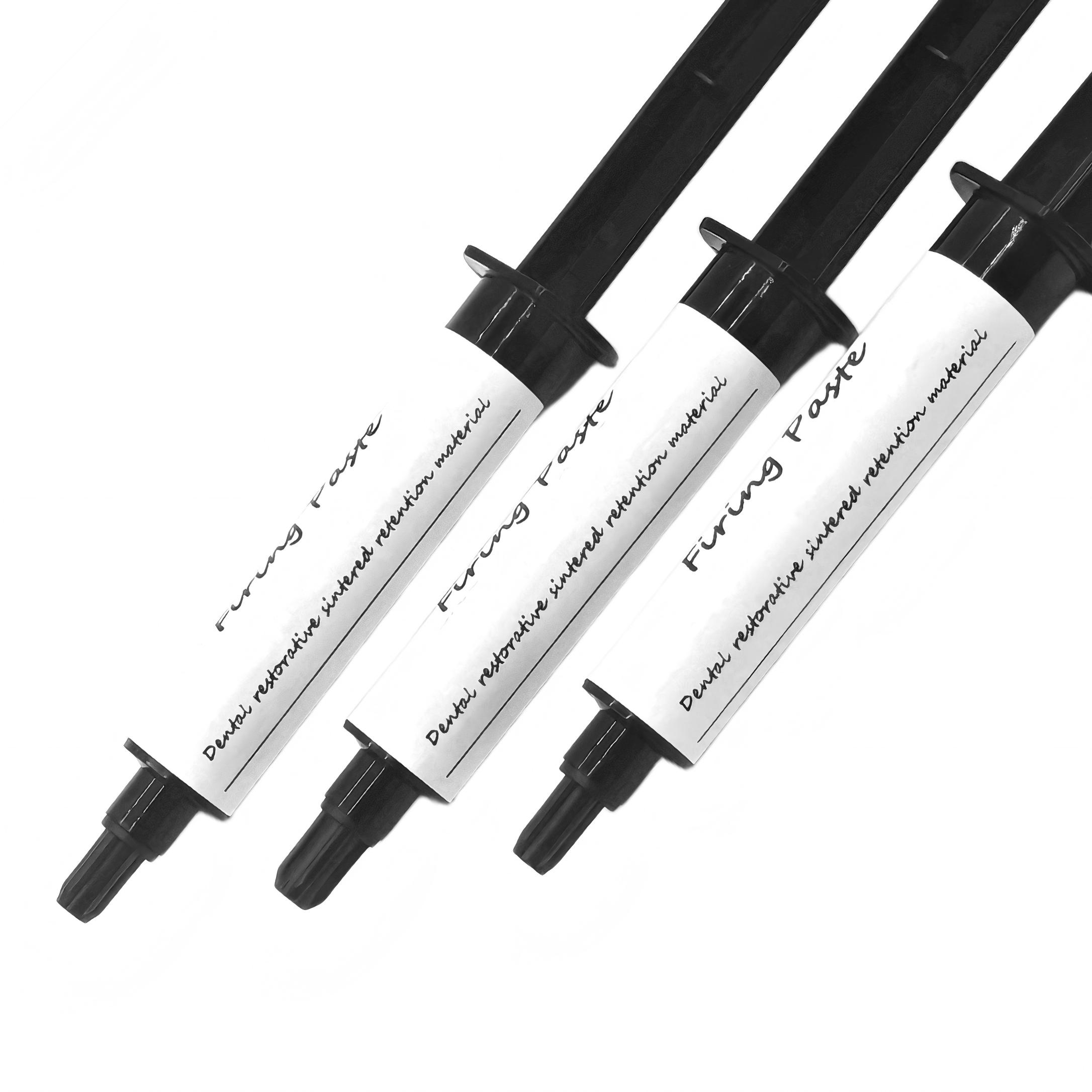
Understanding the distinctions between different types of dental firing paste is essential for dental technicians, prosthodontists, and laboratory professionals who work with ceramic restorations. Dental firing paste serves as a critical support medium during high-temperature firing processes, protecting dental ceramics from contamination, oxidation, and thermal distortion. The quality and composition of dental firing paste directly influence the success rate of ceramic restorations, the integrity of margins, and the longevity of final prostheses. Different formulations of dental firing paste offer varying benefits, and selecting the appropriate type requires knowledge of their specific properties and intended applications.
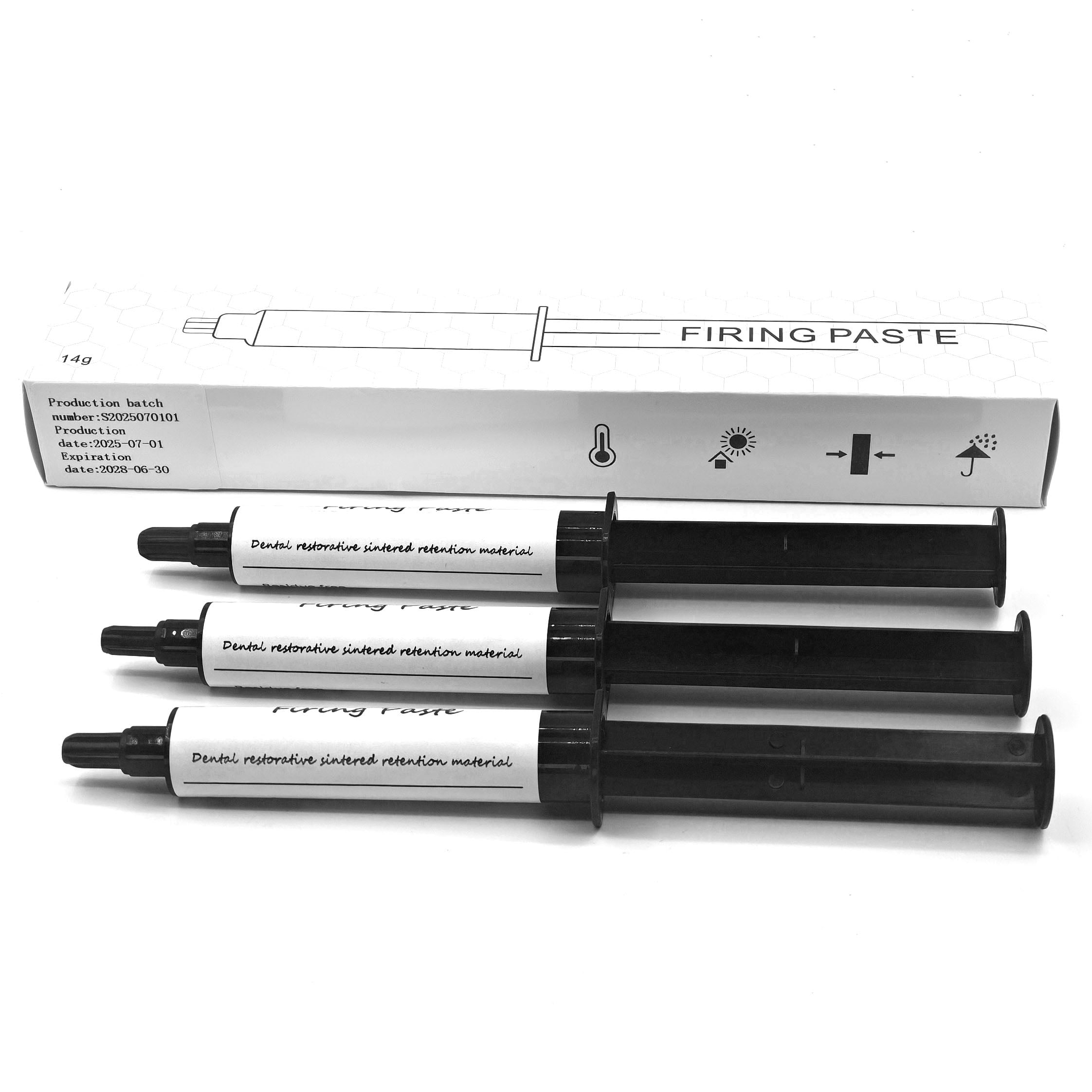
The market offers multiple dental firing paste options, each formulated with distinct mineral compositions, binder systems, and refractory characteristics. Clinicians and technicians must recognize that dental firing paste is not a one-size-fits-all material. Instead, different dental firing paste products are engineered for specific firing temperatures, ceramic types, and restoration designs. Understanding these differences enables professionals to optimize their workflow, reduce material waste, minimize firing failures, and achieve superior aesthetic and functional outcomes in prosthodontic cases.
Chemical Composition and Mineral Content
Refractory Base Materials
The foundation of any dental firing paste lies in its refractory mineral base. Most dental firing paste formulations rely on alumina, silica, or zirconia as primary components. Alumina-based dental firing paste offers excellent thermal stability and is widely used for layered porcelain and pressed ceramic restorations. Silica-containing dental firing paste provides good insulation but may interact with certain glaze compositions at extreme temperatures. Zirconia-reinforced dental firing paste delivers superior strength and dimensional stability, making it ideal for high-strength ceramic frameworks. The choice among these mineral bases fundamentally determines how dental firing paste will perform under kiln conditions and how it will support the overlying restoration during thermal cycling.
Binder and Flux Systems
Dental firing paste contains organic and inorganic binders that hold the refractory particles together before and during firing. Some formulations of dental firing paste use clay-based binders that gradually decompose during heating, leaving behind a porous ceramic matrix. Other dental firing paste variants incorporate glass frit or low-melting silicate binders that provide stronger adhesion at firing temperature. The flux content in dental firing paste influences its flow characteristics and how it interacts with ceramic margins. Flux-rich dental firing paste may create a thin vitrified layer that prevents contamination but could potentially affect marginal fit if dental firing paste residue remains after firing. Understanding these binder differences helps technicians predict how dental firing paste will behave during the cooling cycle and how easily it can be removed post-firing.
Firing Temperature Compatibility and Performance
Low-Temperature Dental Firing Paste Formulations
Certain dental firing paste products are specifically engineered for lower firing temperatures, typically between 700 and 900 degrees Celsius. This type of dental firing paste is ideal for technicians working with digital restorations, resin-bonded veneers, or thermally sensitive substrates. Low-temperature dental firing paste formulations often contain more organic components and lower-melting minerals to ensure proper support at reduced heat exposure. These dental firing paste variants are also suitable for practitioners who need faster turnaround times without compromising restoration quality. However, dental firing paste designed for lower temperatures may not provide adequate support for high-strength ceramics or all-ceramic frameworks that require firing above 1000 degrees Celsius.
High-Temperature Dental Firing Paste Specifications
Premium dental firing paste products are formulated to withstand firing temperatures exceeding 1200 degrees Celsius, essential for zirconia crowns, alumina cores, and pressed ceramic inlays. High-temperature dental firing paste contains refractory minerals with extremely high melting points and minimal thermal expansion. This dental firing paste maintains dimensional stability throughout extended firing cycles and prevents warping or sagging of delicate ceramic components. Dental firing paste for high-temperature applications typically offers superior contamination resistance and produces minimal residue after firing. Technicians working with contemporary ceramic systems, particularly CAD/CAM-milled restorations, benefit most from premium dental firing paste formulations designed for these elevated temperature requirements.
Particle Size, Density, and Handling Characteristics
Fine-Grain and Standard Dental Firing Paste Consistency
Dental firing paste products vary in particle size distribution, which directly affects their application properties and final surface quality. Fine-grain dental firing paste produces a smoother paste consistency, allowing for precise application around restoration margins and detailed surface areas. This dental firing paste type is preferred for delicate aesthetic cases where minimal surface texture transfer is critical. Standard dental firing paste contains larger refractory particles, offering improved drainage and faster drying. Standard dental firing paste is often preferred for bulk support applications where complete surface smoothness is less critical. The choice between fine and standard dental firing paste affects how easily technicians can apply the material, how quickly it sets, and how much post-firing cleanup is required.
Viscosity and Working Time Variations
Different dental firing paste formulations offer distinct viscosity characteristics that influence their handling and placement. Some dental firing paste products are supplied as thick pastes that require manual mixing and sculpting, offering maximum control but demanding more technician skill. Other dental firing paste variants come as pre-mixed, putty-like materials with extended working time, allowing easier shaping and repositioning. Thinner dental firing paste formulations can be applied using spatulas or even syringes for precise delivery into restoration undercuts. Each dental firing paste consistency type serves different clinical scenarios and technician preferences. Understanding viscosity differences in dental firing paste helps professionals select the most efficient material for their specific laboratory workflow and restoration designs.
Contamination Prevention and Residue Management
Barrier Properties and Surface Protection
A primary function of dental firing paste is isolating restorations from kiln atmosphere contamination, staining, and oxidation during firing. Premium dental firing paste formulations create impermeable barriers that completely prevent atmospheric contact with ceramic surfaces. This dental firing paste quality is particularly important for achieving pristine surface glazes and maintaining consistent restoration coloration. Some dental firing paste products form glassy surfaces when fired, providing superior sealing, while others remain porous to facilitate drainage. Dental firing paste barrier effectiveness determines whether restorations emerge from kilns with spotless surfaces or require additional cleaning and refinishing. Technicians selecting dental firing paste must consider how well it protects their specific ceramic types and whether the barrier characteristics align with their final restoration appearance requirements.
Post-Firing Removal and Cleanup Ease
The ease with which dental firing paste can be removed after kiln cycles significantly impacts laboratory efficiency and restoration handling. Superior dental firing paste formulations separate cleanly from ceramic surfaces, leaving minimal residue and requiring minimal manual removal effort. Lower-quality dental firing paste may adhere strongly to restorations, demanding excessive chipping, grinding, or chemical treatment for complete removal. Some dental firing paste products dissolve partially in water, accelerating cleanup workflows, while others require mechanical separation. Advanced dental firing paste formulations are engineered to break apart into loose fragments that fall away easily from restoration surfaces. Choosing dental firing paste that prioritizes removal ease reduces chairside preparation time, minimizes restoration damage risk, and improves overall laboratory profitability and service efficiency.
FAQ
How does dental firing paste composition affect restoration glazing?
Dental firing paste composition directly influences restoration surface appearance because residual particles and mineral content can affect final glaze quality and color uniformity. High-quality dental firing paste formulations minimize residue transfer and contamination, ensuring restorations emerge with smooth, consistent glazes. The mineral composition of dental firing paste determines its thermal interactions with ceramic surfaces, and inappropriate selections may cause unwanted color shifts, surface texture irregularities, or dull finishes. Matching dental firing paste specifications to specific ceramic systems and glaze requirements ensures optimal aesthetic outcomes and reduces post-firing refinishing needs.
Can different dental firing paste brands be mixed together?
Mixing different dental firing paste brands is generally not recommended because formulations vary significantly in composition, binder systems, and refractory properties, potentially compromising support consistency and predictability. Different dental firing paste products may have incompatible curing rates, thermal expansion characteristics, or contamination barriers that interact unpredictably when combined. Technicians should select a single dental firing paste product appropriate for their specific kiln, ceramic types, and restoration requirements, then maintain consistency throughout their laboratory work. Switching between dental firing paste brands should be done intentionally between complete firing cycles rather than during single restoration preparations.
Which dental firing paste is best for CAD/CAM zirconia restorations?
CAD/CAM zirconia restorations require dental firing paste formulated for high-temperature firing, typically above 1200 degrees Celsius, with excellent dimensional stability and contamination resistance. Premium dental firing paste products specifically engineered for zirconia applications provide superior support for high-strength ceramics and maintain precise marginal adaptation throughout firing. Zirconia-compatible dental firing paste should have minimal thermal expansion, excellent particle cohesion, and produce minimal residue after firing. Technicians working with zirconia should consult manufacturer recommendations to ensure their dental firing paste selection matches the specific zirconia system, firing protocol, and desired final restoration characteristics.