
 EN
EN
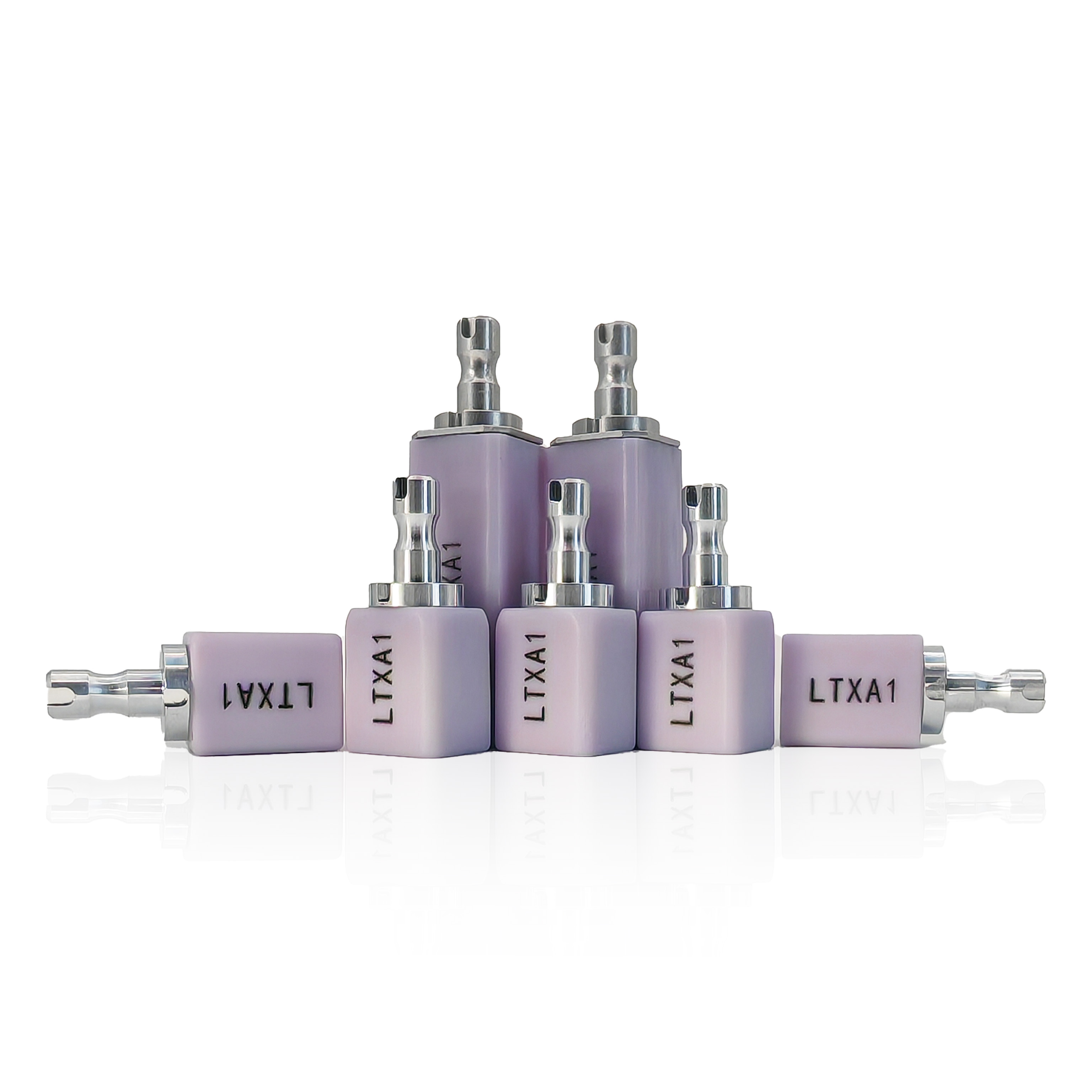
Selecting between dental glass ceramic and zirconia represents one of the most important material decisions in modern restorative dentistry. Both materials offer superior esthetics and biocompatibility compared to older alternatives, yet they possess distinct clinical characteristics that directly influence longevity, appearance, and clinical success. Understanding the fundamental differences between dental glass ceramic and zirconia allows clinicians and patients to make evidence-based choices aligned with specific restoration requirements and clinical scenarios. The choice between these two premium materials fundamentally shapes treatment outcomes and patient satisfaction.
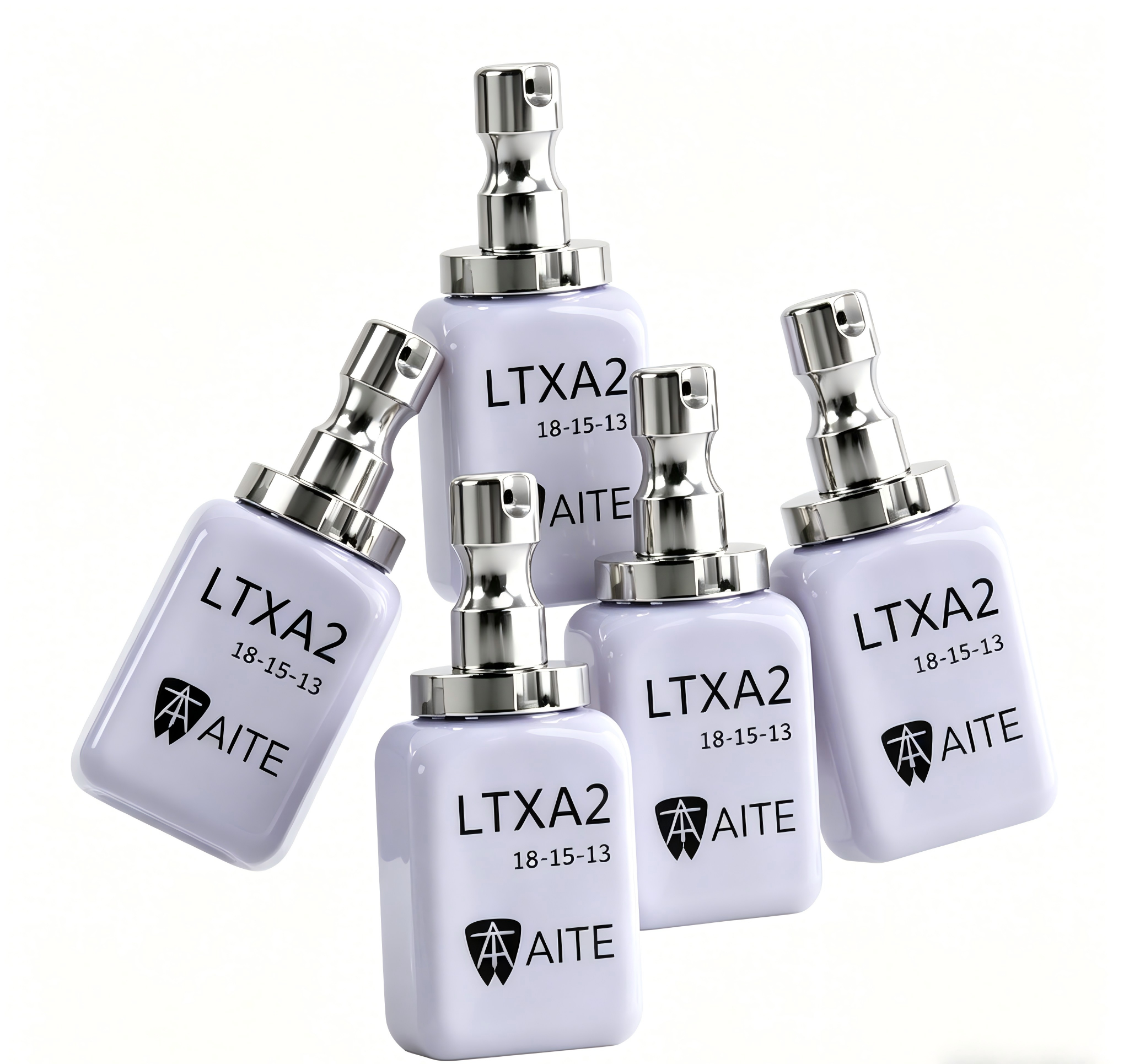
Dental glass ceramic materials like lithium disilicate offer exceptional translucency and color matching capabilities that closely mimic natural tooth structure. Zirconia, by contrast, provides superior strength and fracture resistance, making it the preferred choice for high-stress posterior regions and implant abutments. Each material excels in different clinical applications, and selecting the wrong material can compromise esthetics, durability, or both. This comprehensive guide explores the critical factors that distinguish dental glass ceramic from zirconia, helping you navigate this essential clinical decision.
Material Composition and Structural Properties
Understanding Dental Glass Ceramic Composition
Dental glass ceramic consists of a crystalline phase embedded within a glassy matrix, creating a material with inherent translucency and light-transmitting properties. Lithium disilicate, the most common dental glass ceramic formulation, contains approximately 70 percent crystalline material by volume, with the remaining matrix providing optical continuity. This unique composition allows dental glass ceramic to capture and refract light similarly to natural enamel and dentin, producing restorations that blend seamlessly with surrounding tooth structure. The crystalline structure of dental glass ceramic provides adequate strength for anterior restorations and single-unit crowns while maintaining the superior esthetics that patients demand.
Zirconia Structure and Performance
Zirconia represents a polycrystalline ceramic material stabilized with yttrium oxide, creating a highly dense crystalline lattice with minimal porosity. Unlike dental glass ceramic, zirconia exhibits opaque characteristics that reflect rather than transmit light, which influences its esthetic applications and requires careful shade selection. The dense crystalline structure of zirconia delivers flexural strength values exceeding 900 megapascals, compared to approximately 370 megapascals for dental glass ceramic. This significant strength differential makes zirconia particularly suitable for posterior restorations, implant abutments, and other high-stress applications where dental glass ceramic materials would risk fracture or failure.
Esthetic Performance and Clinical Appearance
Translucency Advantages of Dental Glass Ceramic
The primary esthetic advantage of dental glass ceramic lies in its exceptional translucency and optical properties that replicate natural tooth characteristics. Light transmission through dental glass ceramic creates depth and vitality in restorations, particularly in anterior regions where light interaction significantly influences perceived beauty. Shade matching with dental glass ceramic proves more intuitive because the material naturally captures incisal translucency and gingival opacity variations found in natural teeth. Clinicians selecting dental glass ceramic for anterior cases benefit from superior esthetic outcomes without requiring additional veneering or complex characterization techniques. The inherent beauty of dental glass ceramic restorations often eliminates the need for extensive staining or glazing procedures.
Esthetic Limitations and Solutions for Zirconia
Zirconia's opacity presents esthetic challenges in anterior regions where light transmission significantly impacts restoration appearance and patient satisfaction. The inherent white-opaque nature of zirconia requires intentional layering with esthetic veneering ceramics to achieve anterior translucency and color depth. However, applying veneering layers over zirconia introduces adhesion concerns and potential chipping in high-stress regions, limiting pure zirconia use in anterior esthetics. Modern dental glass ceramic alternatives and translucent zirconia formulations have emerged to address these limitations, though traditional zirconia remains best reserved for posterior and implant applications where opacity does not compromise clinical success.
Strength, Durability, and Clinical Longevity
Fracture Resistance Comparison
Zirconia's superior flexural strength and fracture toughness distinguish it as the material of choice for posterior restorations and demanding clinical scenarios. The fracture toughness value for zirconia typically ranges from 6 to 8 megapascals-meter-root-kelvin, whereas dental glass ceramic exhibits fracture toughness approximately 2 to 3 megapascals-meter-root-kelvin. This substantial difference in fracture resistance means zirconia restorations tolerate higher occlusal forces and grinding habits without experiencing framework failure. Dental glass ceramic materials, while adequate for anterior single crowns and veneers, face higher fracture risk in posterior regions or in patients exhibiting bruxism or clenching habits. Understanding these material properties guides appropriate case selection and material recommendation for long-term clinical success.
Long-Term Clinical Performance and Failure Rates
Clinical studies demonstrate that zirconia restorations exhibit significantly lower failure rates in posterior regions compared to dental glass ceramic alternatives. Five-year survival rates for zirconia crowns typically exceed 95 percent, while dental glass ceramic restorations in posterior positions show survival rates ranging from 85 to 90 percent. For anterior applications, dental glass ceramic demonstrates excellent longevity with failure rates primarily attributable to esthetic concerns rather than structural failure. Implant abutments fabricated from zirconia show superior long-term stability compared to dental glass ceramic options, particularly regarding bone resorption patterns and soft tissue responses. Selecting the appropriate material based on clinical location and functional demands directly correlates with restoration longevity and patient satisfaction outcomes.
Clinical Decision-Making and Material Selection Criteria
Anterior Restoration Guidelines
Dental glass ceramic represents the optimal choice for anterior single crowns, veneers, and esthetic-critical restorations where superior translucency and color matching prove essential. Patients prioritizing appearance and accepting moderate strength characteristics benefit from dental glass ceramic restorations that deliver exceptional natural appearance without additional veneering requirements. For anterior implant crowns in esthetic zones, dental glass ceramic on zirconia abutments combines superior esthetics with adequate implant support characteristics. High-stress anterior cases in patients with documented bruxism may warrant consideration of layered dental glass ceramic on zirconia combinations or full zirconia solutions despite esthetic compromise. The anterior region's visibility demands esthetic excellence, making dental glass ceramic the material of preference when functional demands remain moderate.
Posterior Restoration and Implant Considerations
Zirconia dominates posterior restoration applications due to its exceptional strength and fracture resistance in high-stress environments. Posterior crowns, bridges, and multi-unit restorations consistently achieve superior long-term success with zirconia frameworks compared to dental glass ceramic alternatives. Implant abutments fabricated from zirconia provide optimal support for posterior crowns and resist occlusal forces that might compromise dental glass ceramic abutments. Patients exhibiting bruxism, grinding habits, or heavy occlusal forces require zirconia restorations regardless of esthetic concerns to ensure longevity and prevent framework fractures. For posterior applications, accepting zirconia's opacity provides clinical confidence and predictable outcomes that dental glass ceramic cannot consistently deliver.
FAQ
Can dental glass ceramic restorations be used in posterior regions?
Dental glass ceramic can technically be used in posterior regions, but clinical evidence suggests higher fracture rates compared to zirconia alternatives. While dental glass ceramic demonstrates adequate strength for posterior single crowns in patients without parafunctional habits, zirconia remains the preferred choice for posterior applications due to superior durability and fracture resistance. Reserved dental glass ceramic use in posterior regions occurs primarily when esthetic demands outweigh strength considerations or in low-stress cases with excellent prognosis indicators.
What factors determine whether dental glass ceramic or zirconia is best for a specific case?
Clinical location, esthetic requirements, patient parafunctional habits, and implant status guide the selection between dental glass ceramic and zirconia. Anterior esthetic zones typically favor dental glass ceramic due to superior translucency, while posterior regions and implant abutments benefit from zirconia's strength advantages. Patients exhibiting bruxism or heavy occlusion require zirconia regardless of location, ensuring restorations withstand elevated mechanical stress. The ideal approach compares functional demands against esthetic priorities, directing selection toward the material optimizing both outcomes.
Does dental glass ceramic require special laboratory processing compared to zirconia?
Dental glass ceramic typically requires pressed or milled fabrication techniques that differ from zirconia milling and sintering protocols. Laboratory processing of dental glass ceramic involves crystallization heat treatments and glazing procedures distinct from zirconia sintering requirements. Both materials demand specialized equipment and trained technicians, though dental glass ceramic processing often requires closer shade matching attention to achieve optimal esthetic results. Clinicians should communicate with their laboratory regarding specific dental glass ceramic processing capabilities and preferred indications for both materials.