
 EN
EN
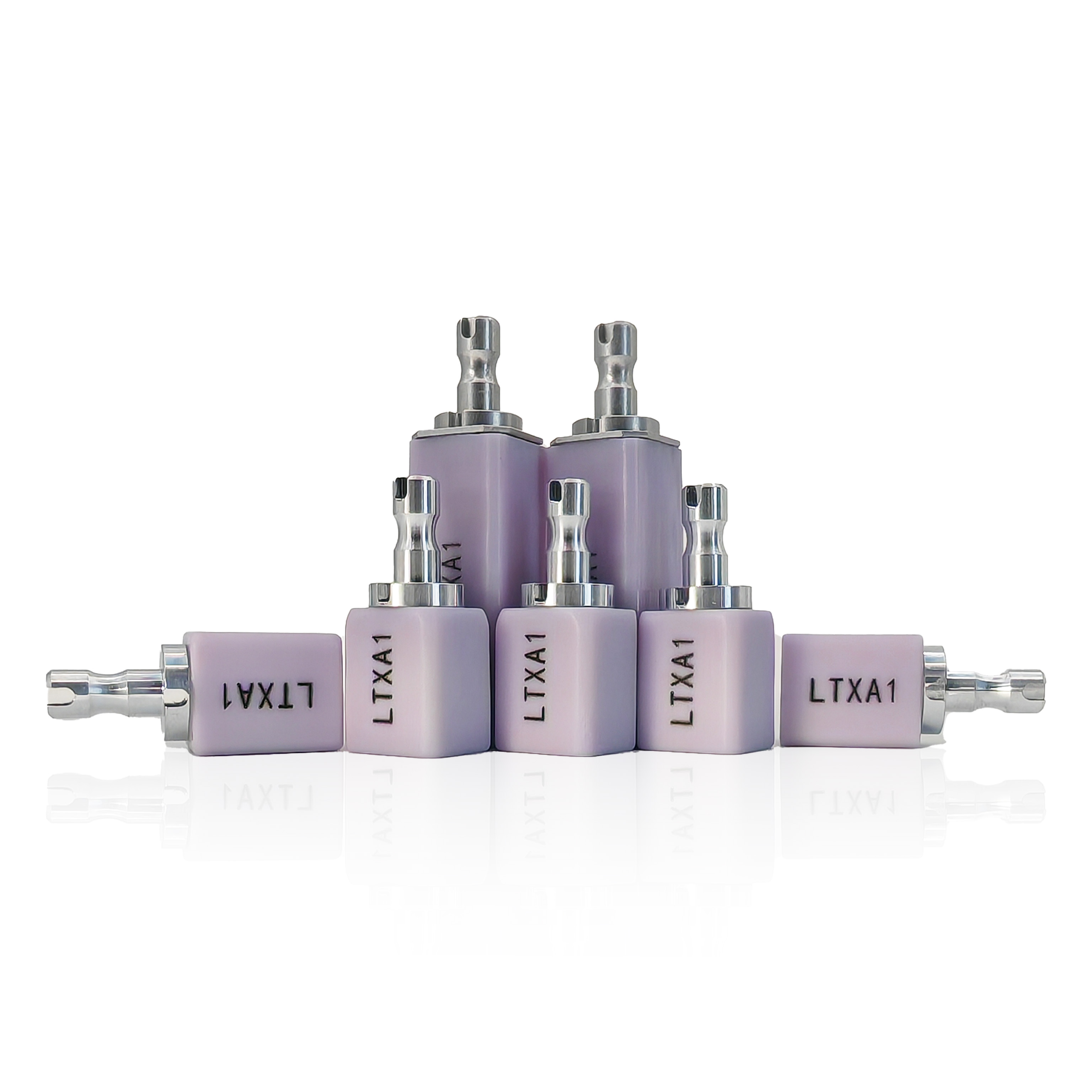
The fabrication of dental glass ceramic represents a sophisticated and highly controlled manufacturing process that combines precision engineering with advanced materials science. Understanding the processing steps for dental glass ceramic is essential for dental professionals, laboratory technicians, and material scientists who work with these restorative materials. The journey from raw material to finished restoration involves multiple critical stages, each designed to maximize strength, biocompatibility, esthetics, and clinical longevity. Dental glass ceramic materials have become a cornerstone of modern prosthodontics and restorative dentistry due to their superior optical properties, wear resistance, and ability to create natural-looking restorations that seamlessly blend with natural tooth structures.
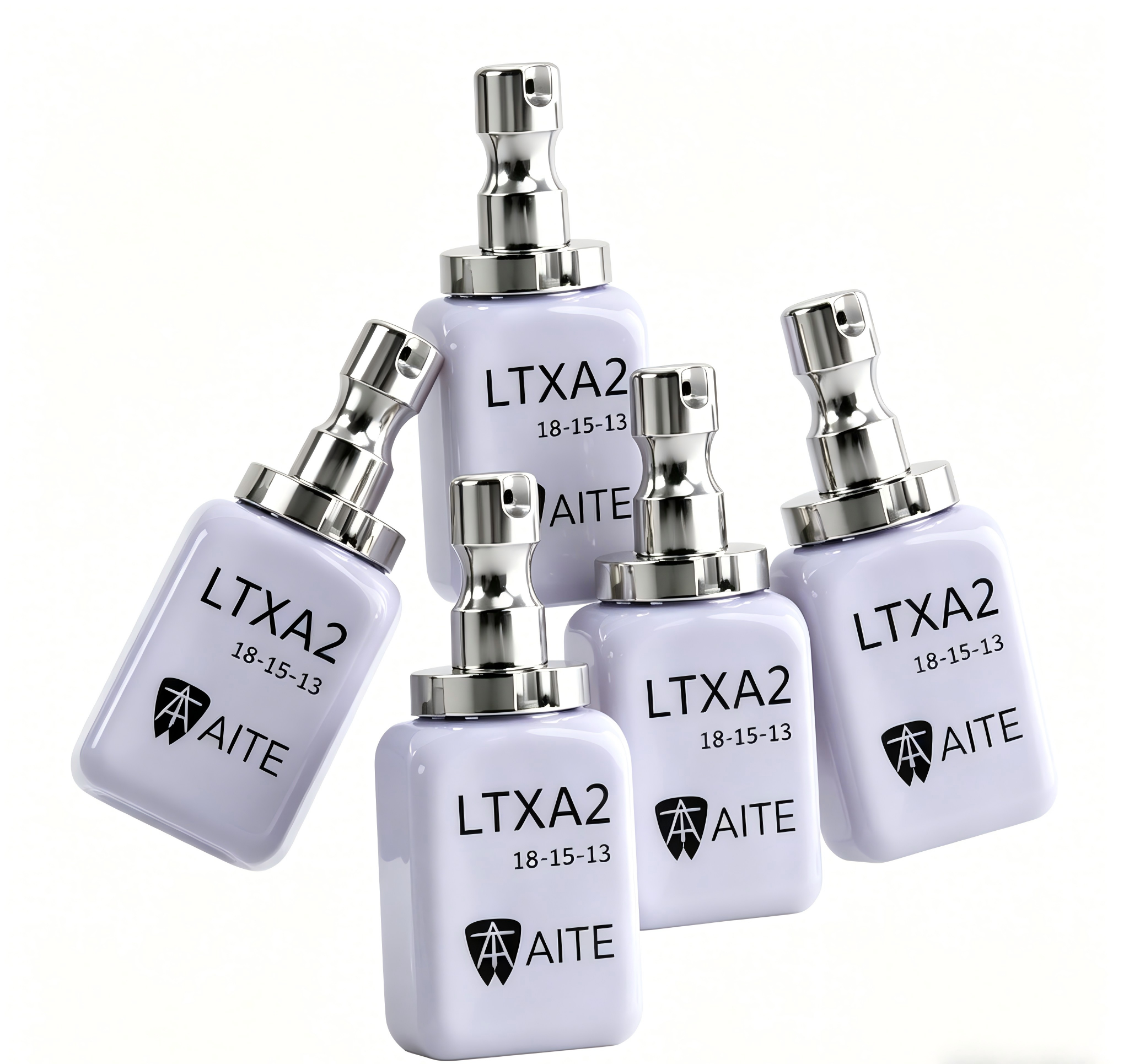
Processing steps for dental glass ceramic demand meticulous attention to detail at every stage of production. From initial material preparation through final quality verification, each step influences the clinical performance and esthetic outcomes of the restoration. The processing steps for dental glass ceramic ensure that materials meet strict regulatory standards while delivering consistent, predictable results in clinical applications. By understanding these fundamental processes, dental professionals can make informed decisions about material selection and communicate more effectively with laboratory partners regarding custom restorations.
Material Selection and Preparation
Raw Material Composition and Sourcing
The processing steps for dental glass ceramic begin with careful material selection and composition analysis. High-quality dental glass ceramic starts with precisely measured silica, alumina, lithium disilicate, and other crystalline phases that determine the final material properties. The raw materials undergo rigorous quality control testing to ensure they meet pharmaceutical and dental industry standards before entering the processing pipeline. Suppliers of dental glass ceramic materials maintain detailed specifications for particle size distribution, chemical purity, and material consistency. These specifications directly impact the success of subsequent processing steps for dental glass ceramic and the quality of finished restorations.
Powder Preparation and Particle Sizing
Processing steps for dental glass ceramic include precise powder preparation to achieve optimal particle size distribution. The raw materials are milled, sieved, and classified to create uniform particle sizes that enable consistent pressing and sintering behavior. Particle size uniformity directly affects the density, strength, and surface finish of the final dental glass ceramic restoration. The processing steps for dental glass ceramic at this stage require advanced equipment and quality control protocols to maintain narrow particle size ranges. Improper powder preparation can lead to defects, inconsistent results, and compromised clinical performance in finished restorations.
Pressing and Forming Techniques
Heat-Pressing Process for Dental Glass Ceramic
Heat-pressing stands as one of the most critical processing steps for dental glass ceramic fabrication, where powder is compressed and heated under controlled pressure and temperature conditions. During the heat-pressing cycle for dental glass ceramic, the material undergoes densification as the crystalline phases fuse and consolidate into a solid restoration form. Processing steps for dental glass ceramic typically involve temperatures ranging from 1200 to 1450 degrees Celsius, depending on the specific material composition and desired final properties. The pressure applied during this processing step for dental glass ceramic ensures proper adaptation to dies and eliminates voids that could compromise strength. Cycle time, heating rate, peak temperature, and cooling rate all represent critical variables in the processing steps for dental glass ceramic that directly influence material properties and restoration quality.
Die Design and Mold Preparation
The processing steps for dental glass ceramic require precision-engineered dies and molds that guide material flow and shape during pressing. Dies must withstand extreme temperatures and pressures while maintaining dimensional accuracy and surface finish throughout multiple processing cycles for dental glass ceramic. Processing steps for dental glass ceramic involve selecting appropriate mold materials such as graphite or specialized ceramic compounds that resist thermal shock and material interaction. Die design must account for material shrinkage, thermal expansion differences, and the specific flow characteristics of dental glass ceramic during heating. Inadequate die preparation represents a common source of defects in processing steps for dental glass ceramic, resulting in poorly adapted restorations and marginal failure.
Finishing and Quality Control Stages
Crystallization and Cooling Protocols
Processing steps for dental glass ceramic continue through controlled crystallization phases where the material transforms into its final crystalline structure. Cooling rates during these processing steps for dental glass ceramic significantly influence crystal size, distribution, and mechanical properties of the finished restoration. Rapid or uncontrolled cooling can introduce internal stresses and microcracks that compromise the strength of dental glass ceramic restorations. The processing steps for dental glass ceramic typically employ programmed cooling cycles that gradually reduce temperature to ambient conditions while managing thermal stresses. Proper crystallization during these processing steps for dental glass ceramic results in optimal hardness, translucency, and wear resistance that characterize high-quality restorations.
Grinding, Polishing, and Surface Treatment
Final processing steps for dental glass ceramic encompass mechanical finishing operations that prepare the restoration for clinical cementation. Grinding and polishing during these processing steps for dental glass ceramic remove excess material, create proper marginal anatomy, and achieve the desired esthetic surface characteristics. Processing steps for dental glass ceramic may include multiple polishing stages using progressively finer abrasives to achieve a smooth, glossy surface that mimics natural tooth enamel. Some processing protocols for dental glass ceramic incorporate selective surface treatments that enhance bonding characteristics or reduce surface microporosity. Quality control inspections verify that finished restorations meet dimensional tolerances, color specifications, and surface integrity standards established during the planning stages of processing for dental glass ceramic.
FAQ
What equipment is typically used in processing steps for dental glass ceramic?
Processing steps for dental glass ceramic require specialized equipment including high-temperature furnaces, heat-press systems, precision mills, sintering chambers, and dimensional verification devices. Laboratories performing processing steps for dental glass ceramic invest in equipment capable of maintaining strict temperature tolerances and applying consistent pressure profiles throughout each cycle. Quality processing steps for dental glass ceramic depend on programmable furnaces with real-time monitoring systems that ensure each batch undergoes identical thermal profiles for consistency and predictability.
How long do processing steps for dental glass ceramic typically take?
Complete processing steps for dental glass ceramic generally require between two to five days depending on material type, restoration complexity, and laboratory efficiency. The heating, pressing, and crystallization phases alone can consume eight to twenty hours within the overall processing steps for dental glass ceramic workflow. Additional finishing and quality control steps add additional time to the complete processing cycle for dental glass ceramic restorations.
What quality standards govern processing steps for dental glass ceramic?
Processing steps for dental glass ceramic must comply with international standards including ISO 6872 and FDA regulations that establish biocompatibility, mechanical, and chemical requirements. Processing steps for dental glass ceramic also follow specific manufacturer guidelines and best-practice protocols developed through clinical research and laboratory validation. Many laboratories conducting processing steps for dental glass ceramic maintain additional internal quality standards that exceed regulatory minimums to ensure superior clinical outcomes.