
 EN
EN
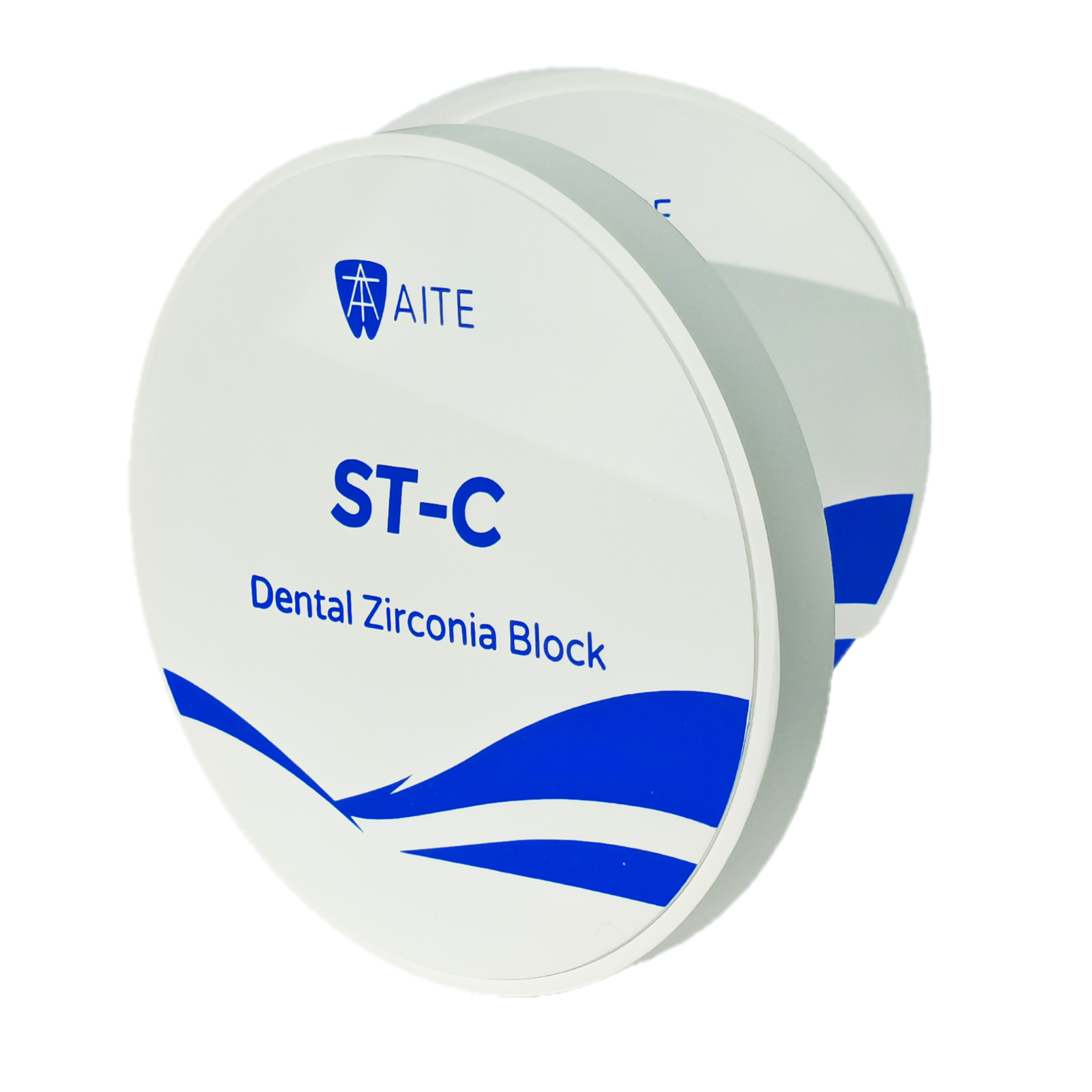
Dental zirconia discs represent one of the most significant advances in restorative dentistry, offering exceptional strength, biocompatibility, and aesthetic potential. However, the quality and performance of dental zirconia discs depend critically on proper sintering techniques and process control. Understanding sintering considerations is essential for laboratories and clinicians who want to maximize the longevity and clinical success of zirconia restorations.
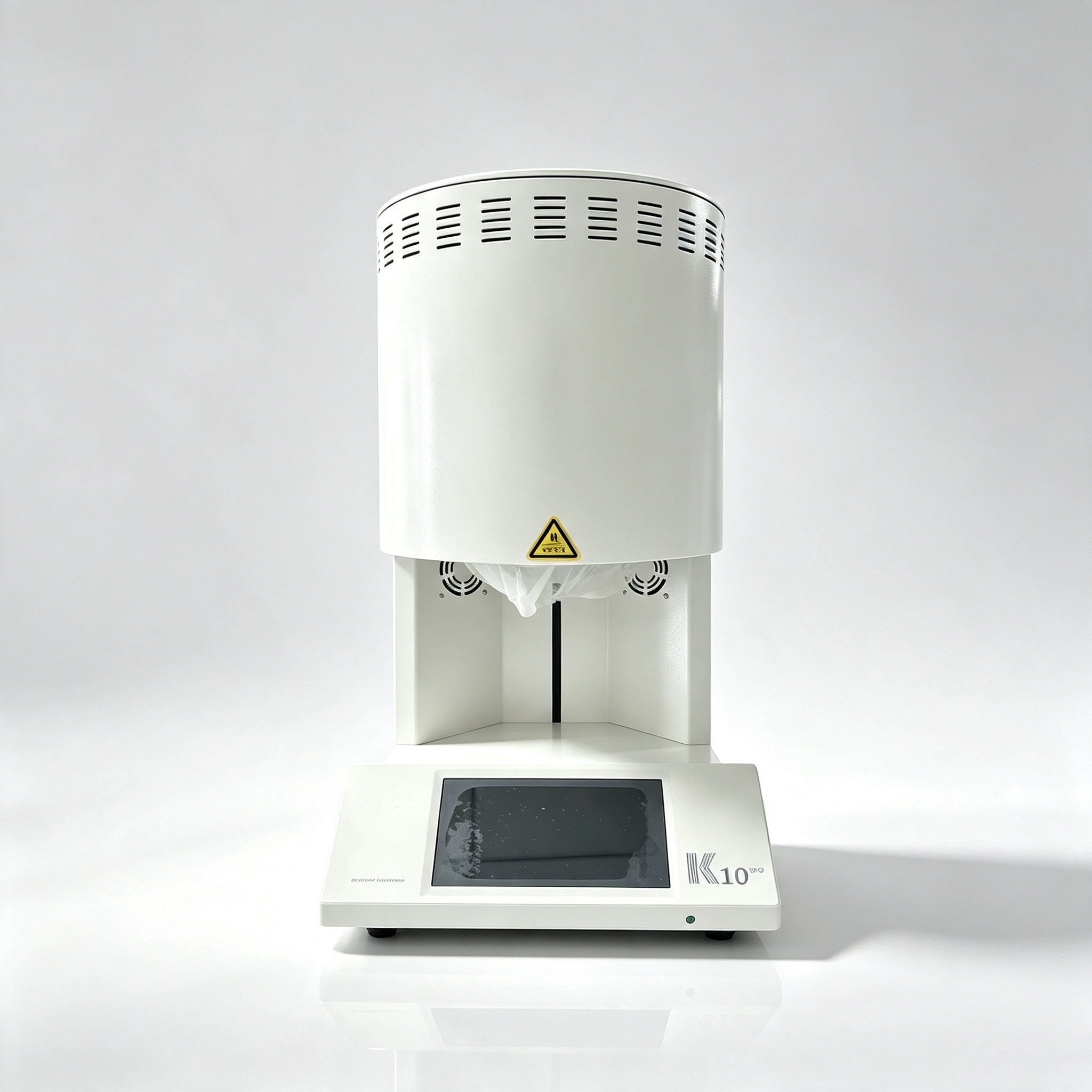
The sintering process transforms pre-milled dental zirconia discs from a porous, relatively weak state into a dense, robust ceramic material. During sintering, particles fuse together at high temperatures, eliminating voids and creating the mechanical properties that make dental zirconia discs suitable for crowns, bridges, and implant restorations. Proper control of sintering parameters directly influences the final strength, density, translucency, and dimensional accuracy of dental zirconia discs.
Temperature Control in Sintering Dental Zirconia Discs
Optimal Sintering Temperature Range
Temperature is the most critical variable when processing dental zirconia discs. Most pre-milled dental zirconia discs require sintering temperatures between 1400°C and 1600°C, depending on the material composition and manufacturer specifications. This precise temperature range ensures complete densification of dental zirconia discs while maintaining the tetragonal crystal phase that provides superior strength and fracture resistance. Temperatures below this range result in incomplete sintering of dental zirconia discs, leaving residual porosity that weakens the restoration.
Conversely, excessive heat accelerates grain growth in dental zirconia discs, which paradoxically reduces mechanical properties and increases the risk of phase transformation. Dental zirconia discs exposed to temperatures significantly above the optimal range may develop a monoclinic surface layer, increasing susceptibility to moisture-induced degradation. Manufacturers calibrate their dental zirconia discs formulations to specific sintering profiles, so following their temperature recommendations is non-negotiable for achieving predictable clinical outcomes with dental zirconia discs.
Temperature Uniformity and Furnace Selection
Furnace design and heating uniformity directly impact the quality of sintered dental zirconia discs. Laboratory furnaces must maintain temperature uniformity within a narrow band across the entire chamber to ensure consistent sintering of all dental zirconia discs in a batch. Temperature gradients as small as 10–20°C can cause variations in density and strength across different dental zirconia discs being fired simultaneously. Advanced sintering furnaces for dental zirconia discs employ programmable controllers, multiple heating elements, and precise airflow management to minimize thermal fluctuation.
Regular furnace calibration and maintenance are essential practices for consistent sintering of dental zirconia discs. Thermocouples should be verified routinely, heating elements inspected for degradation, and interior chamber surfaces cleaned to remove contaminants that affect heat distribution around dental zirconia discs. Investing in a high-quality sintering furnace designed specifically for dental zirconia discs eliminates preventable quality issues and reduces scrap rates caused by under- or over-sintering.
Time, Heating Rate, and Cooling Protocols
Hold Time and Heating Rate Effects
Beyond temperature, the sintering cycle time determines how completely dental zirconia discs densify and achieve their final mechanical properties. Most dental zirconia discs require a hold time of 20–40 minutes at peak temperature to ensure full particle bonding and eliminate residual porosity. Insufficient hold time leaves dental zirconia discs under-sintered, resulting in lower strength and higher fracture risk during milling, insertion, or clinical function. However, excessively long hold times accelerate grain growth and can degrade the properties of dental zirconia discs.
The heating rate also influences the quality of sintered dental zirconia discs. Slower heating rates allow water vapor and organic binders in pre-milled dental zirconia discs to escape gradually, reducing cracking and warping. A typical heating rate of 5–10°C per minute is recommended for dental zirconia discs. Rapid heating can trap gases within dental zirconia discs, causing voids and micro-fractures that compromise the final restoration. Similarly, ramp-down rates must be carefully controlled during the cooling phase of the sintering cycle for dental zirconia discs.
Cooling Phase and Residual Stress Management
The cooling phase of the sintering cycle is as critical as heating when processing dental zirconia discs. Uncontrolled or excessively rapid cooling introduces thermal stresses into the structure of dental zirconia discs, potentially causing macro-cracking or promoting phase transformation. Controlled cooling at rates of 5–10°C per minute down to approximately 400°C allows thermal stresses within dental zirconia discs to relax gradually. Below 400°C, cooling rates can increase without detriment to dental zirconia discs.
Some advanced sintering furnaces for dental zirconia discs incorporate slow cooling protocols over several hours, particularly for thick or complex geometries. This extended cooling schedule minimizes residual stress concentrations in dental zirconia discs and reduces the likelihood of delayed fractures in the clinical setting. Laboratories committed to quality should review their cooling protocols for dental zirconia discs and ensure furnace programming aligns with manufacturer guidelines.
Material Composition and Post-Sintering Properties
Phase Stability in Sintered Dental Zirconia Discs
Modern dental zirconia discs are typically yttria-stabilized zirconia (YSZ), where yttrium oxide addition stabilizes the tetragonal crystal phase at room temperature. This stabilization is crucial for the superior strength and toughness of dental zirconia discs. However, the sintering process must be precisely controlled to maintain this phase stability in dental zirconia discs. Over-sintering or exposure to moisture at elevated temperatures can promote unwanted phase transformation in dental zirconia discs, converting the tough tetragonal phase to the brittle monoclinic phase.
Manufacturers specify exact sintering profiles for their dental zirconia discs formulations because subtle compositional differences require different thermal processing. Third-generation dental zirconia discs may have higher yttria concentrations or surface modifications that demand specific sintering temperatures. Using sintering profiles from one brand for dental zirconia discs of another brand risks degradation of the material properties and potential clinical failure of dental zirconia discs.
Dimensional Change and Accuracy
Sintering causes linear shrinkage of approximately 20–25% in dental zirconia discs. This shrinkage must be accurately predicted during milling to ensure final restorations fit properly. Quality dental zirconia discs are engineered with consistent shrinkage ratios, and sintering furnaces that maintain precise temperature and timing produce predictable linear shrinkage of dental zirconia discs. Deviations in furnace performance lead to inconsistent shrinkage of dental zirconia discs, resulting in poor marginal fit and increased cement gap variation.
Milling software calculates compensations based on expected shrinkage of dental zirconia discs, and any furnace-related inconsistency in sintering directly compromises the accuracy of finished restorations. Laboratories should periodically verify the linear shrinkage of their dental zirconia discs by sintering test samples and measuring them before and after the cycle. This validation ensures that milling software scaling factors remain accurate for dental zirconia discs in actual production.
FAQ
What is the ideal sintering temperature for dental zirconia discs?
The ideal sintering temperature for dental zirconia discs typically ranges from 1400°C to 1600°C, with most systems operating between 1500°C and 1550°C. The exact temperature depends on the specific formulation and manufacturer recommendations for dental zirconia discs. Always consult the technical specifications provided with your dental zirconia discs to determine the correct temperature for optimal strength, density, and phase stability.
How does cooling rate affect the quality of sintered dental zirconia discs?
Cooling rate directly impacts residual stress and phase stability in dental zirconia discs. Rapid, uncontrolled cooling introduces thermal stresses that can cause macro-cracking or delayed fractures in dental zirconia discs. Controlled cooling at 5–10°C per minute down to 400°C allows stresses in dental zirconia discs to relax gradually, ensuring superior mechanical properties and clinical longevity of dental zirconia discs.
Can I use the same sintering profile for different brands of dental zirconia discs?
No, each brand of dental zirconia discs has a unique composition and sintering profile. Using the wrong sintering protocol for dental zirconia discs can result in phase transformation, reduced strength, or dimensional inaccuracy. Always follow the manufacturer's sintering recommendations specific to your dental zirconia discs brand to ensure predictable, high-quality results.