
 EN
EN
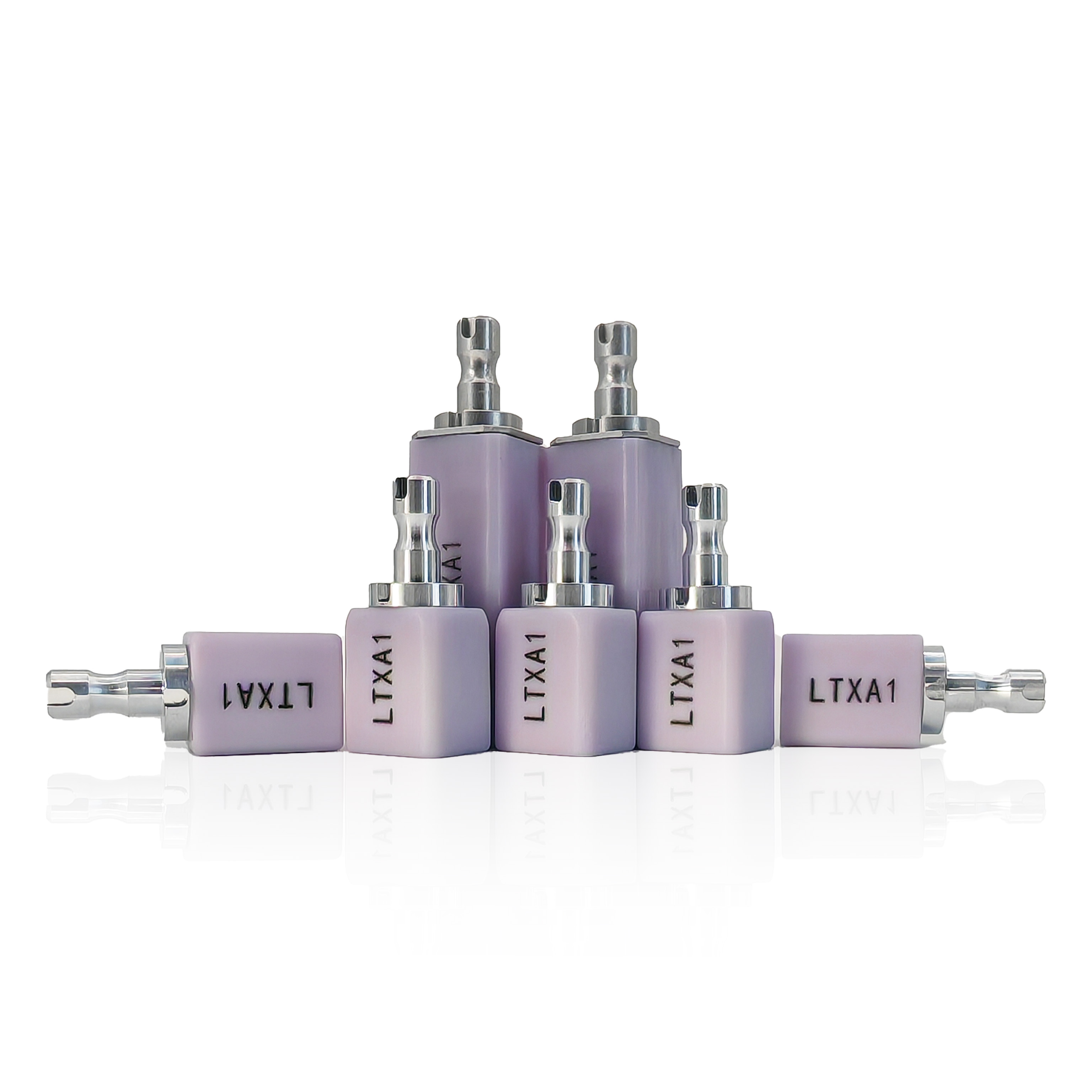
Dental glass ceramic has emerged as one of the most sought-after materials in modern restorative dentistry, and for compelling reasons. When dentists and dental technicians evaluate materials for crowns, veneers, inlays, and other restorations, dental glass ceramic consistently ranks at the top due to its unique combination of properties that address both clinical performance and patient satisfaction. This material represents a significant advancement in dental science, offering solutions that traditional metals and older ceramic systems simply cannot match.
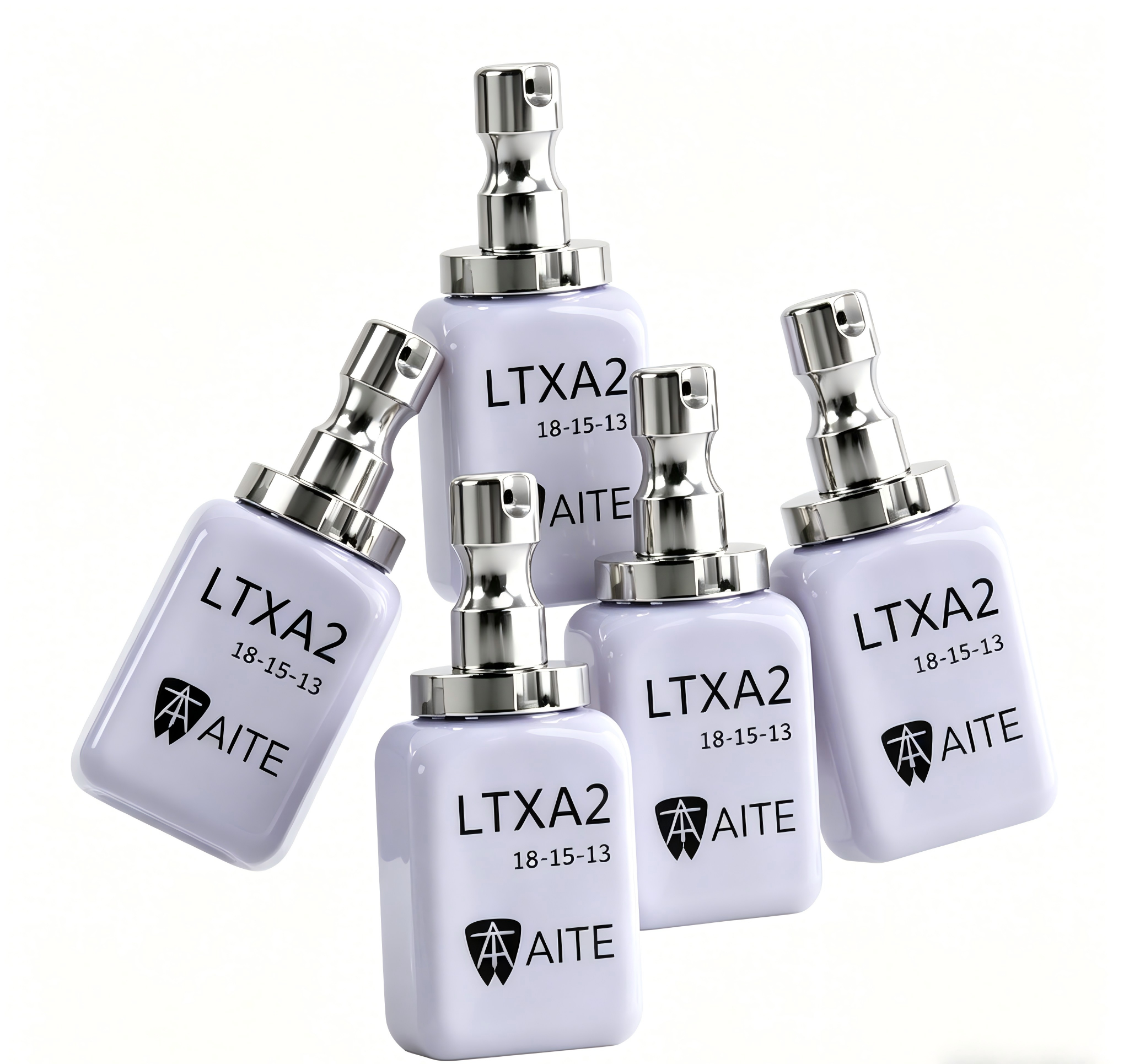
The preference for dental glass ceramic extends across clinical, aesthetic, and biocompatibility dimensions. Unlike conventional porcelains that can chip or crack under stress, dental glass ceramic combines the strength of glass with the precision of ceramic engineering. This hybrid nature allows practitioners to create restorations that withstand the rigorous environment of the oral cavity while maintaining the translucency and color matching capabilities that patients demand. Understanding why dental glass ceramic has become the material of choice requires examining its scientific foundation, performance characteristics, and practical advantages in everyday clinical practice.
Superior Biocompatibility and Tissue Response
Biocompatible Properties of Dental Glass Ceramic
Biocompatibility stands as a cornerstone reason why dental glass ceramic is preferred by dental professionals worldwide. The material composition ensures that when dental glass ceramic comes into contact with oral tissues, gingiva, and pulp, minimal inflammatory response occurs. This means patients experience better soft tissue health around restorations made from dental glass ceramic, reducing the risk of chronic inflammation, gingivitis, and periodontal complications that can plague restorations made from reactive materials.
The crystalline structure of dental glass ceramic provides a chemically stable surface that resists bacterial adhesion and biofilm formation more effectively than porous ceramics. When dental glass ceramic is properly fabricated and polished, its smooth surface inhibits the proliferation of pathogenic bacteria, contributing to improved long-term oral health outcomes. This biocompatibility advantage of dental glass ceramic translates directly into reduced maintenance requirements and fewer complications for both the patient and the practicing dentist.
Long-term Tissue Integration
Dental glass ceramic demonstrates exceptional long-term tissue integration, meaning that surrounding bone, gingival tissue, and periodontal structures adapt favorably to restorations made from this material. The absence of toxic elements or leaching compounds in dental glass ceramic ensures that tissues remain healthy throughout the lifespan of the restoration. This sustained biocompatibility is why dental glass ceramic is particularly favored in esthetic zones where tissue health directly impacts the visual appearance and longevity of the final result.
Aesthetic Excellence and Color Stability
Natural Light Translucency
One of the primary reasons dental glass ceramic is preferred in cosmetic and restorative dentistry is its ability to replicate the optical properties of natural teeth. Dental glass ceramic can be engineered to match the translucency, opalescence, and light transmission of natural enamel and dentin. This optical sophistication means that restorations fabricated from dental glass ceramic blend seamlessly with adjacent natural teeth, creating results that are virtually indistinguishable from the patient's original dentition.
The light-scattering characteristics of dental glass ceramic allow technicians to create restorations with multiple layers of coloration, mimicking the natural gradient found in healthy teeth. Anterior restorations made from dental glass ceramic can achieve the subtle color variations and characterizations that distinguish premium esthetic outcomes from mediocre results. This superior optical performance is why dental glass ceramic has largely replaced older veneering systems that produced the distinctive artificial appearance patients try to avoid.
Colorant Stability and Staining Resistance
Unlike some ceramic materials that can discolor or fade over time, dental glass ceramic maintains remarkable color stability throughout its service life. The colorants incorporated into dental glass ceramic during the manufacturing process become permanently integrated into the material matrix, resisting surface staining from diet, beverages, and oral habits. This color permanence is why dental glass ceramic restorations maintain their original esthetic appeal for decades without the bleaching or repolishing interventions sometimes required for other materials.
The non-porous nature of dental glass ceramic prevents the absorption of extrinsic stains that can occur with more porous ceramic systems. This fundamental property ensures that patients enjoy the long-term esthetic stability they expect from their investment in quality dental restorations. When practitioners choose dental glass ceramic for anterior cases, they can confidently promise their patients that color match and esthetic harmony will persist without fade or deterioration.
Mechanical Strength and Clinical Durability
Fracture Resistance and Flexural Strength
The mechanical properties of dental glass ceramic explain much of why this material is preferred over traditional ceramic options. Dental glass ceramic exhibits flexural strength values that exceed many conventional feldspathic porcelains, allowing restorations to withstand the biting forces and functional stresses encountered in posterior regions. The controlled crystalline structure within dental glass ceramic provides reinforcement that distributes stress more evenly throughout the restoration, significantly reducing the risk of catastrophic fracture under normal function.
When dental glass ceramic is properly bonded to tooth structure with modern resin cements, the complete restoration system becomes remarkably fracture-resistant. This synergy between material properties and adhesive dentistry explains why dental glass ceramic is preferred for all-ceramic restorations in demanding clinical situations. The material can achieve thickness levels thinner than older systems while maintaining superior fracture resistance, allowing for more conservative tooth preparation and preservation of healthy tooth structure.
Durability in High-Stress Applications
Dental glass ceramic maintains consistent mechanical properties throughout its service life, without degradation or fatigue under cyclic stress. This durability is why dental glass ceramic is preferred for posterior restorations where masticatory forces are greatest and long-term clinical success is paramount. Long-term clinical studies demonstrate that dental glass ceramic restorations exhibit survival rates exceeding ninety percent at ten-year follow-up intervals, outperforming many competing materials in comparative outcomes research.
The dimensional stability of dental glass ceramic ensures that restorations do not expand, contract, or warp in response to temperature changes or moisture variations in the oral environment. This mechanical consistency means that dental glass ceramic margins remain sealed and stable, reducing microleakage and secondary decay risks. Practitioners prefer dental glass ceramic specifically because the material delivers predictable, long-term clinical performance that translates into successful patient outcomes and reduced warranty claims.
FAQ
What makes dental glass ceramic superior to traditional porcelain for restorations?
Dental glass ceramic surpasses traditional porcelain through superior biocompatibility, greater fracture resistance, and exceptional optical properties. Unlike feldspathic porcelains that can chip easily, dental glass ceramic combines glass and crystalline components to provide strength without sacrificing aesthetics. The material resists bacterial adhesion better, maintains color stability longer, and integrates seamlessly with tooth structure through adhesive bonding, making it the preferred choice for contemporary restorative dentistry.
How does the biocompatibility of dental glass ceramic affect long-term patient outcomes?
The biocompatibility of dental glass ceramic directly improves long-term outcomes by minimizing inflammatory responses and promoting stable tissue integration around restorations. Because dental glass ceramic does not leach harmful substances and resists biofilm formation, patients experience better gingival health and lower rates of periodontal complications. This superior tissue tolerance is why dental glass ceramic restorations maintain their health and appearance for decades, while patients enjoy freedom from chronic inflammation and tissue deterioration associated with less biocompatible materials.
Why is dental glass ceramic the preferred material for anterior esthetic cases?
Dental glass ceramic is preferred for anterior cases because it replicates the optical properties of natural teeth with unmatched fidelity. The material's translucency, light transmission, and ability to incorporate subtle colorations create restorations that blend imperceptibly with adjacent dentition. Combined with superior color stability and staining resistance, dental glass ceramic allows clinicians to achieve premium esthetic results that satisfy the highest patient expectations for cosmetic dentistry outcomes.