
 EN
EN
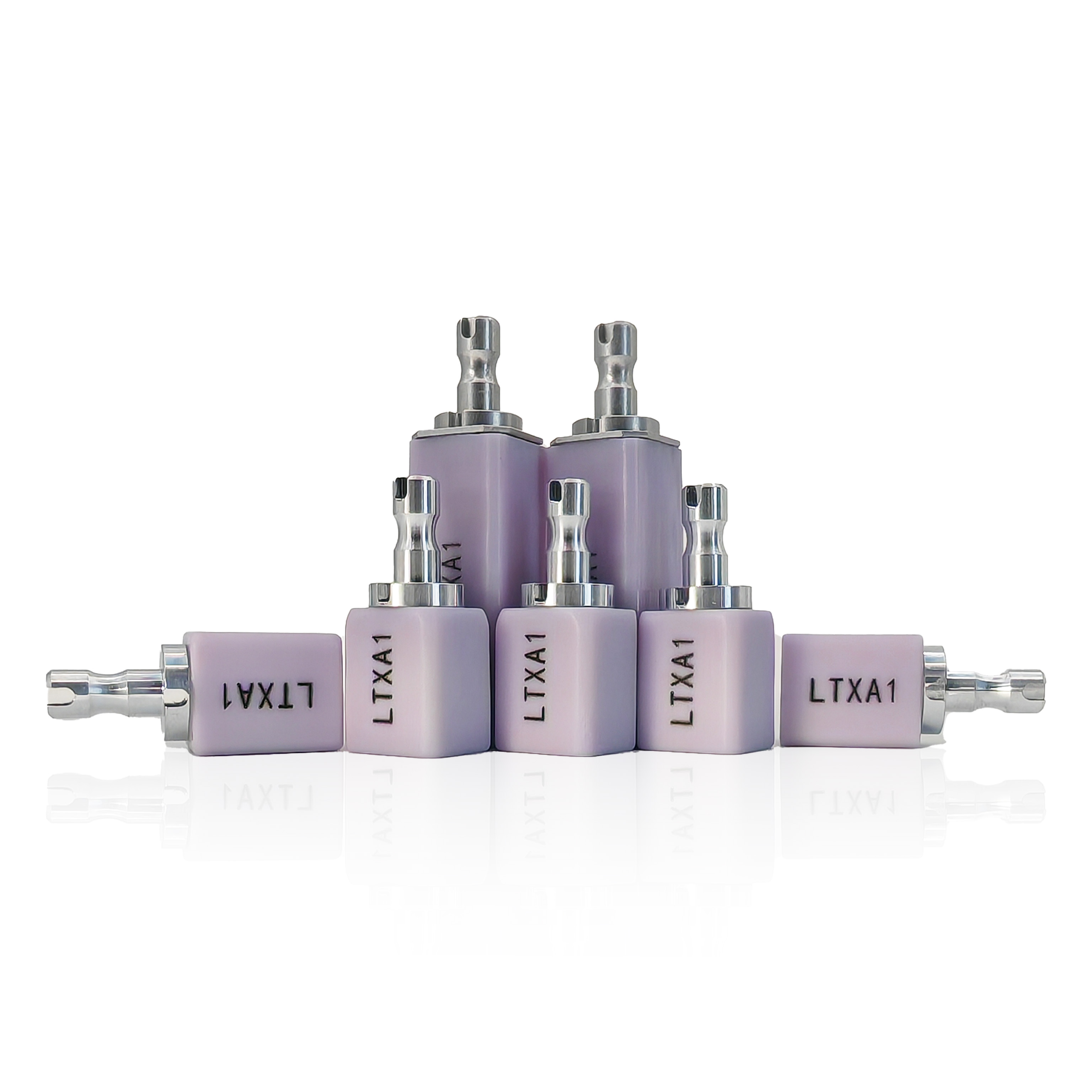
Choosing between dental glass ceramic and composite materials is one of the most critical decisions in modern restorative dentistry. Both materials offer distinct advantages, but understanding when dental glass ceramic is the superior choice requires knowledge of their properties, clinical performance, and long-term outcomes. Dental glass ceramic has emerged as a premium option for cases where durability, aesthetic precision, and biocompatibility are paramount concerns.
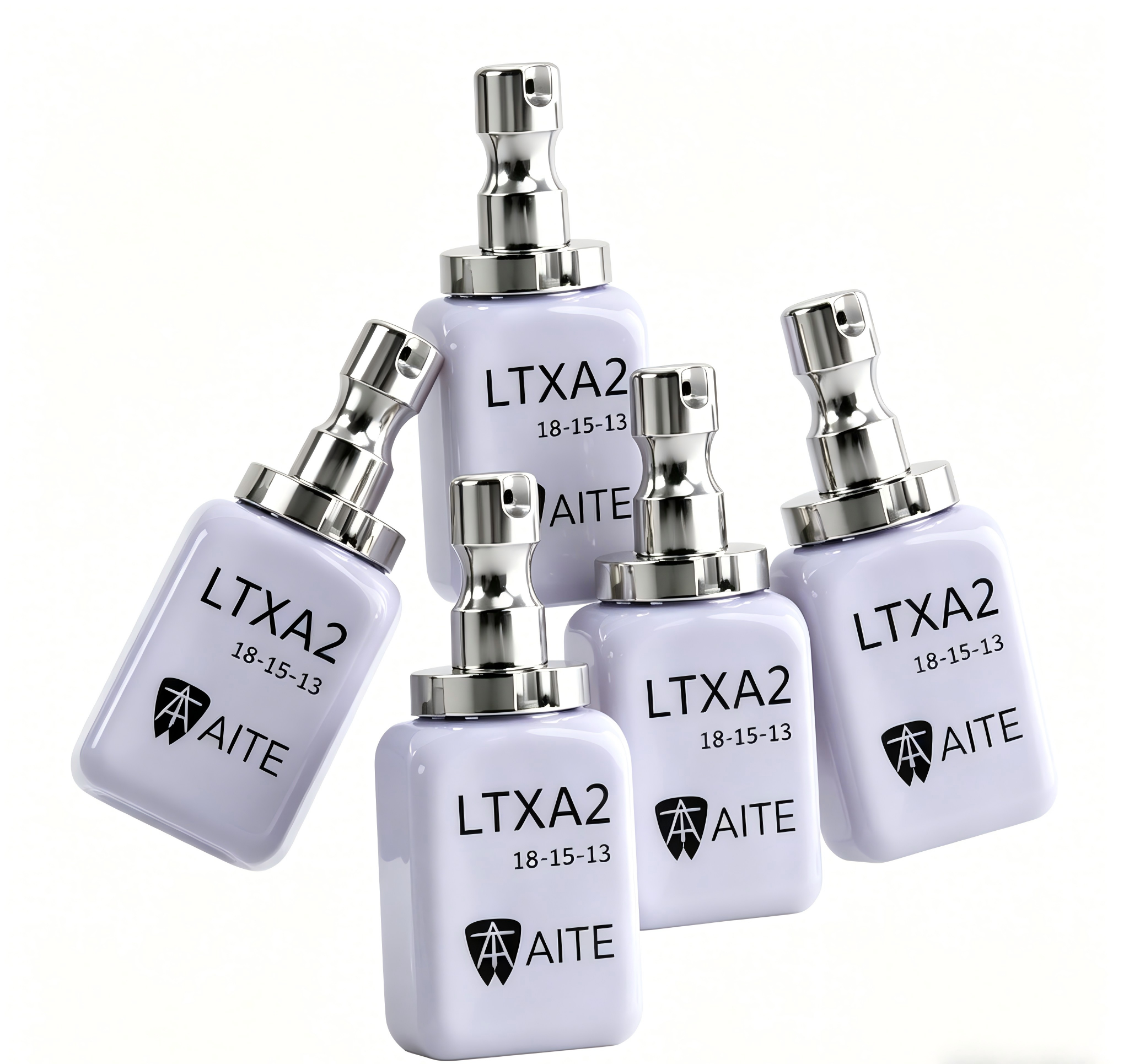
The decision to select dental glass ceramic over composite restorations hinges on multiple factors including patient expectations, clinical longevity requirements, and restoration size. Dental glass ceramic materials demonstrate superior wear resistance, exceptional color stability, and reduced plaque accumulation compared to traditional composite options. For practitioners seeking predictable, long-lasting aesthetic outcomes, dental glass ceramic represents an investment in both patient satisfaction and clinical excellence.
Understanding Material Properties and Clinical Performance
Durability and Longevity Advantages of Dental Glass Ceramic
Dental glass ceramic materials exhibit exceptional hardness and resistance to occlusal forces, making them ideal for high-stress restoration areas. Unlike composite restorations that may exhibit wear, margin degradation, or color changes over five to ten years, dental glass ceramic maintains its surface integrity and aesthetic appearance for fifteen years or longer. The crystalline structure of dental glass ceramic prevents microleakage at restoration margins, reducing the risk of secondary caries and pulpal complications that can compromise treatment longevity.
The marginal adaptation of dental glass ceramic restorations remains stable because the material does not undergo polymerization shrinkage typical of composite systems. This dimensional stability is particularly valuable in posterior regions where occlusal stress concentrates on restoration margins. Practitioners consistently report that dental glass ceramic delivers superior clinical performance in cases requiring exceptional durability and predictable outcomes over extended time periods.
Aesthetic and Biocompatibility Considerations
Dental glass ceramic achieves unmatched translucency and color matching capabilities that surpass most composite materials, especially in anterior regions where aesthetic demands are highest. The material's refractive properties allow light to pass through the restoration in a manner nearly identical to natural tooth structure, creating restorations that blend seamlessly with surrounding dentition. Additionally, dental glass ceramic exhibits superior biocompatibility because it does not leach unreacted monomers or compounds that might trigger tissue response or allergic reactions in sensitive patients.
Surface smoothness of dental glass ceramic is superior to composite, resulting in reduced plaque adhesion and improved periodontal health around restored teeth. Patients consistently report higher satisfaction with dental glass ceramic restorations because the material resists staining, maintains color stability indefinitely, and provides a more natural appearance that improves confidence and oral function.
Clinical Scenarios Favoring Dental Glass Ceramic Selection
Anterior Tooth Restorations and High-Visibility Applications
Dental glass ceramic is the optimal choice for anterior tooth restorations where aesthetic perfection and long-term color stability directly impact patient satisfaction and treatment success. Composite materials in anterior regions often exhibit color shift, surface discoloration, and margin staining within three to seven years, requiring replacement and compromising the therapeutic relationship. Dental glass ceramic eliminates these concerns by maintaining pristine appearance indefinitely, providing anterior tooth restorations that patients will not outgrow aesthetically or functionally.
High-visibility restorations including incisal edges, smile-line areas, and smile-arc regions demand the aesthetic precision that only dental glass ceramic can reliably deliver. When patients perceive their restorations as natural and beautiful throughout the restoration lifetime, clinical outcomes improve measurably in terms of patient satisfaction, treatment compliance, and referral patterns. Dental glass ceramic should be the default selection for anterior cases where smile aesthetics and professional reputation are considerations.
Posterior Crowns and Stress-Bearing Restorations
Posterior restorations experience significantly higher occlusal forces than anterior teeth, creating an environment where composite materials frequently fail through wear, fracture, or margin breakdown. Dental glass ceramic restorations in posterior regions demonstrate exceptional resistance to occlusal stress, wear, and fracture, with clinical success rates exceeding ninety-five percent over fifteen-year observation periods. When designing posterior crowns, inlays, or onlays for patients with heavy occlusal forces or parafunction habits, dental glass ceramic provides the reliability and predictability that composite cannot match.
Patients with bruxism, clenching habits, or significant occlusal discrepancies benefit particularly from dental glass ceramic because the material withstands these traumatic forces without degradation. The superior hardness of dental glass ceramic means opposing natural teeth or other restorations experience minimal wear from contact with the restoration surface, protecting the patient's remaining dentition and maximizing long-term oral health outcomes.
Economic and Clinical Decision-Making Frameworks
Cost-Benefit Analysis and Long-Term Treatment Value
Although dental glass ceramic requires higher initial investment than composite materials, the economic analysis strongly favors dental glass ceramic when considering total cost of ownership and replacement frequency. A composite restoration might require replacement every five to seven years due to wear, margin breakdown, or aesthetic degradation, whereas dental glass ceramic often functions successfully for fifteen to twenty years without intervention. For patients seeking value and practitioners committed to evidence-based material selection, dental glass ceramic delivers superior economic performance across the restoration lifetime.
Practices that prioritize long-term patient relationships and reduced treatment cycles find that dental glass ceramic generates measurably better outcomes and patient loyalty. When patients experience thirty-year-old dental glass ceramic restorations in their mouths that look and function like new teeth, they become advocates for these materials and refer friends and family members seeking comparable quality and longevity.
Patient Selection and Communication Strategies
Identifying patients who will most benefit from dental glass ceramic requires clear communication about material properties, treatment options, and expected outcomes. Patients with high aesthetic demands, significant investment capacity, or restorations in highly visible areas are excellent candidates for dental glass ceramic. Additionally, patients with sensitivity to composite resin monomers, documented allergies to acrylic compounds, or previous experiences with composite discoloration represent ideal selections for dental glass ceramic treatment.
Educating patients about the dental glass ceramic advantages, realistic timeline expectations, and long-term value propositions enables informed decision-making that improves treatment acceptance and satisfaction. Practices that clearly articulate why dental glass ceramic outperforms composite in specific clinical situations build patient confidence and support premium material selection.
FAQ
How does dental glass ceramic longevity compare directly to composite restoration lifespan?
Dental glass ceramic restorations typically function successfully for fifteen to twenty years or longer without significant degradation, while composite restorations often require replacement every five to seven years. This longevity difference reflects the superior hardness, dimensional stability, and resistance to occlusal wear that dental glass ceramic provides. Long-term clinical studies consistently demonstrate that dental glass ceramic delivers threefold or greater longevity advantages compared to composite materials in comparable clinical situations.
Can dental glass ceramic be used in all clinical restoration scenarios?
While dental glass ceramic performs excellently in most restorative applications, certain clinical situations may favor composite materials or other alternatives. Very large restorations requiring significant tooth removal, severely compromised tooth structure, or patients with limited treatment budgets might benefit from composite solutions initially. However, for patients seeking optimal long-term outcomes, aesthetic perfection, and restorations that will function reliably for decades, dental glass ceramic represents the superior material choice in nearly all clinical scenarios.
What advantages does dental glass ceramic offer regarding tooth wear and opposing dentition protection?
Dental glass ceramic exhibits hardness comparable to natural tooth enamel or slightly greater, meaning opposing teeth experience minimal wear from contact with the restoration. Composite materials are softer and can accelerate wear of opposing natural teeth, creating additional clinical complications and patient dissatisfaction. Dental glass ceramic protects the patient's remaining dentition while maintaining perfect occlusal harmony, representing comprehensive treatment planning that considers not only the restored tooth but the entire masticatory system.