
 EN
EN
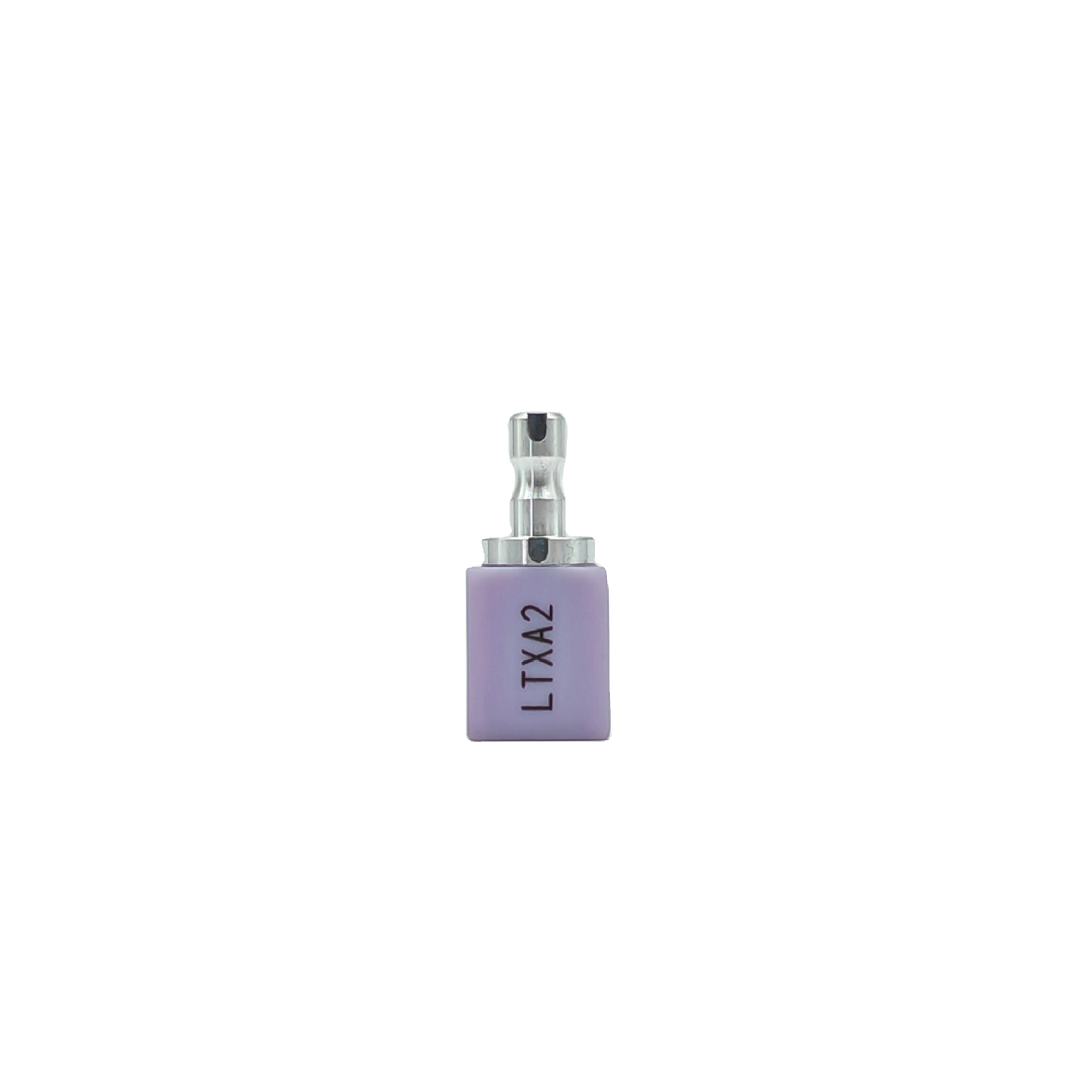
Dental lithium disilicate has become a cornerstone material in modern restorative dentistry, particularly for crowns, veneers, and inlays where both aesthetic excellence and clinical longevity matter. Understanding how dental lithium disilicate shows wear patterns is essential for clinicians who want to predict restoration performance and optimize material selection for specific clinical scenarios. Unlike traditional porcelain or zirconia, dental lithium disilicate demonstrates distinctive wear characteristics that reflect its crystalline structure and surface properties. These wear patterns tell a story about the material's interaction with opposing dentition, masticatory forces, and the oral environment. By learning to recognize how dental lithium disilicate shows wear, practitioners can better assess restoration success and make informed decisions about case planning.
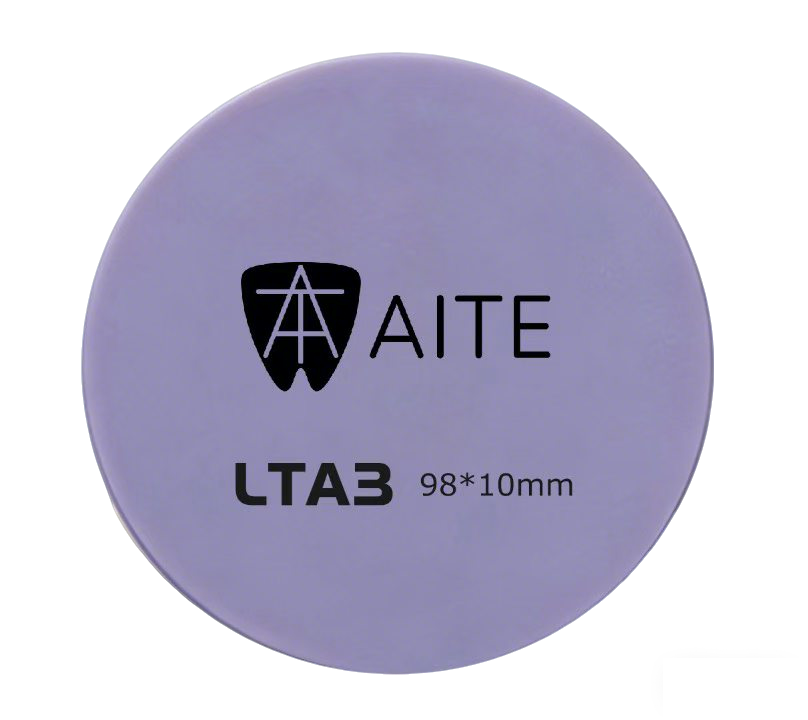
Dental lithium disilicate wear occurs through a combination of mechanical attrition and chemical degradation processes. The material's glass matrix and embedded lithium disilicate crystals create a surface that responds differently to wear compared to full-ceramic or zirconia systems. Clinical observations of dental lithium disilicate show that wear progresses gradually, with visible surface changes emerging only after extended periods of normal use. Understanding these wear mechanisms helps dental professionals appreciate why dental lithium disilicate remains a reliable choice for high-demand restorations and provides context for interpreting clinical findings during follow-up appointments.
How Dental Lithium Disilicate Shows Wear on Occlusal Surfaces
Characteristic Surface Smoothing and Polish Development
When dental lithium disilicate shows wear on occlusal surfaces, one of the most notable features is progressive surface smoothing. The initial micro-texture of the milled blank gradually polishes to a high gloss finish through repeated contact with opposing natural teeth or restorations. This dental lithium disilicate wear pattern reflects the material's hardness and the continuous burnishing effect of mastication. Unlike rougher ceramics that may develop visible scratches or pitting, dental lithium disilicate maintains a consistent, reflective surface that actually becomes smoother with age. Clinicians frequently observe that older dental lithium disilicate restorations exhibit this polished appearance, which is considered a positive indicator of stable, controlled wear rather than destructive material loss.
Minimal Cusp or Ridge Flattening
Dental lithium disilicate shows remarkable resistance to cusp and ridge flattening compared to softer ceramic materials. The crystalline reinforcement in dental lithium disilicate provides structural support that prevents rapid degradation of anatomical features. When wear does occur on dental lithium disilicate, it typically affects cuspal ridges in a very gradual manner, preserving functional morphology for years of clinical service. The wear rate of dental lithium disilicate on high-stress areas remains substantially lower than feldspathic porcelain, making it an excellent choice for full-contact occlusal surfaces. Measurable flattening of cusps on dental lithium disilicate restorations usually indicates many years of successful clinical performance rather than premature failure.
Wear Indicators on Facial and Interproximal Surfaces
Glazing and Surface Texture Changes
Dental lithium disilicate shows distinctive wear patterns on facial and interproximal surfaces, particularly where contact with opposing dentition or lateral function occurs. The glazed surface of dental lithium disilicate gradually transitions from a matte or semi-glossy finish to a highly polished appearance as wear progresses. This dental lithium disilicate wear characteristic becomes especially visible on facial ridges that participate in lateral excursion movements. Unlike materials that develop visible scratches, dental lithium disilicate maintains surface continuity while the glaze layer becomes progressively more reflective. These surface modifications on dental lithium disilicate are generally considered benign and do not compromise the restoration's sealing ability or structural integrity.
Color Stability and Subsurface Changes
One significant advantage of how dental lithium disilicate shows wear is the material's exceptional color stability throughout its clinical lifespan. Dental lithium disilicate restorations rarely exhibit the graying or color shift that can occur with some alternative materials as internal structure becomes compromised. Instead, dental lithium disilicate shows only superficial polish development while maintaining consistent translucency and shade matching with adjacent natural teeth. Subsurface wear on dental lithium disilicate is minimal because the lithium disilicate crystalline phase provides a hardened layer that resists internal degradation. This stability makes dental lithium disilicate an ideal choice for highly visible anterior restorations where long-term aesthetic consistency is paramount.
Clinical Wear Severity and Material Performance Implications
Wear Rate Comparison Across Functional Scenarios
Research and clinical experience demonstrate that dental lithium disilicate shows measurably lower wear rates than feldspathic porcelain but maintains performance characteristics similar to or better than many full-contour zirconia systems in specific applications. The wear rate of dental lithium disilicate on occlusal surfaces typically ranges from minimal to very light under normal masticatory forces, with quantifiable wear depth often remaining under 0.5 millimeters even after five to ten years of clinical service. Dental lithium disilicate wear becomes more pronounced in high-force scenarios such as bruxism, but even in these demanding situations, the material performs predictably without catastrophic failure. When dental lithium disilicate shows accelerated wear, it often indicates exceptionally high bite forces or unusual parafunctional habits rather than material deficiency. Understanding the wear behavior of dental lithium disilicate in context of individual patient risk profiles allows clinicians to optimize material selection and provide realistic longevity expectations.
Opposing Dentition Wear Considerations
A critical aspect of how dental lithium disilicate shows wear involves evaluating reciprocal wear on opposing natural teeth or restorations. Dental lithium disilicate demonstrates a favorable wear profile, with opposing natural enamel typically wearing at comparable or slightly faster rates than the dental lithium disilicate restoration itself. This balanced wear pattern on dental lithium disilicate means that opposing teeth do not experience accelerated attrition beyond normal physiologic levels. Clinicians monitoring dental lithium disilicate restorations should document opposing surface wear as part of routine follow-up assessment. The wear compatibility of dental lithium disilicate with natural dentition represents one of its significant clinical advantages and supports its selection for long-term esthetic and functional restoration.
FAQ
How quickly does dental lithium disilicate show visible wear marks?
Dental lithium disilicate typically shows subtle polish development within the first year of clinical service, but obvious wear marks rarely appear before three to five years of normal use. The timeline depends heavily on individual bite force, parafunctional habits, and dietary factors. Progressive glazing and surface smoothing are the primary visible indicators of how dental lithium disilicate shows wear over extended periods.
Can dental lithium disilicate show wear patterns that indicate material failure?
Dental lithium disilicate wear that appears as rough scratches, significant pitting, or rapid height loss suggests possible manufacturing defect or exceptional clinical stress rather than normal material behavior. Most dental lithium disilicate restorations that show traditional wear patterns remain clinically sound and functional. True material failure in dental lithium disilicate is uncommon and typically manifests as chipping or fracture rather than progressive surface wear.
How does dental lithium disilicate show wear compared to zirconia restorations?
Dental lithium disilicate shows comparable or superior wear characteristics to many zirconia formulations while maintaining superior translucency and esthetic integration. The wear rate of dental lithium disilicate remains clinically acceptable across most functional scenarios. Dental lithium disilicate demonstrates more natural-appearing aging patterns than zirconia, with polishing rather than opacity development as the primary wear manifestation.