
 EN
EN
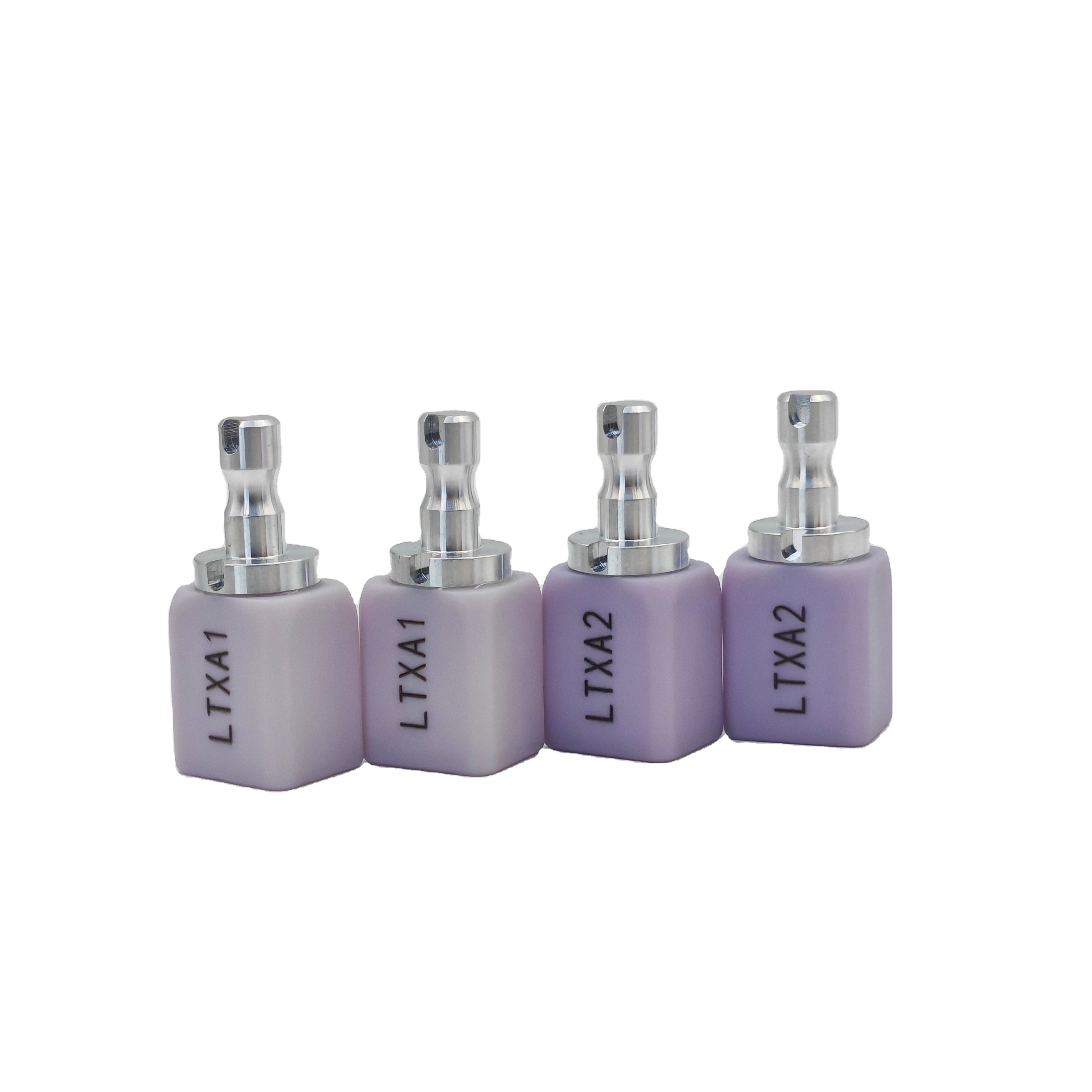
Firing is one of the most critical manufacturing steps in producing high-quality dental lithium disilicate restorations. The precise control of temperature, duration, and heating rate during the firing process directly determines the final mechanical properties, esthetic characteristics, and clinical longevity of dental lithium disilicate crowns, inlays, and veneers. Understanding how firing impacts dental lithium disilicate helps practitioners and laboratory technicians optimize restoration quality and ensure predictable clinical outcomes.
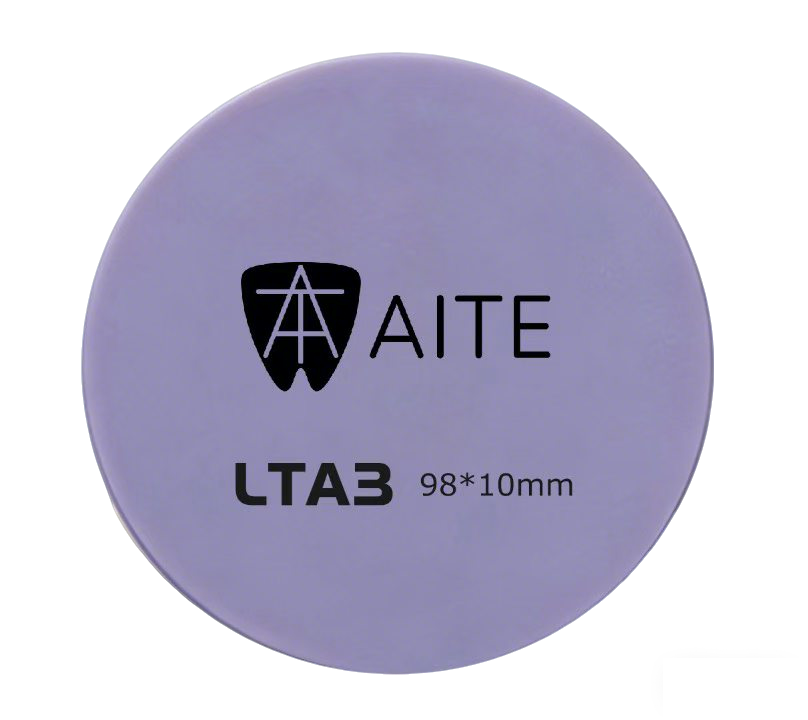
The firing process transforms dental lithium disilicate from a machinable glass ceramic blank into a fully crystallized, esthetically refined restoration with enhanced strength and durability. Temperature management during this phase creates the crystalline microstructure responsible for the material's superior fracture toughness and flexural strength. Every aspect of the firing protocol—from initial heating rates to peak temperature hold times—influences how dental lithium disilicate responds clinically.
Temperature Control and Crystal Development in Dental Lithium Disilicate
Peak Temperature Effects on Crystalline Structure
The peak firing temperature is the primary driver of crystalline growth within dental lithium disilicate. When dental lithium disilicate is heated to the manufacturer-recommended temperature, typically between 910°C and 950°C, the amorphous glass matrix undergoes controlled crystallization. Higher temperatures within the specified range promote larger crystal growth and more complete phase transformation, while temperatures below the optimal range result in incomplete crystallization and reduced material strength.
Precise temperature control ensures that dental lithium disilicate achieves the ideal balance between crystal size and distribution. Overshooting the peak temperature can cause excessive crystal coarsening, which paradoxically reduces fracture toughness and increases the risk of chipping or failure under occlusal stress. Conversely, underfiring dental lithium disilicate leaves behind residual glassy phases that compromise mechanical properties and reduce the restoration's ability to withstand mastication forces.
Heating Rate Impact on Material Uniformity
The heating rate during the initial ramp to peak temperature significantly affects how evenly dental lithium disilicate crystallizes throughout the restoration. Slow, controlled heating rates—typically 50°C to 100°C per minute—allow the material to heat uniformly from surface to core, promoting consistent crystal development across the entire cross-section. Rapid heating creates temperature gradients within dental lithium disilicate, leading to differential crystallization and internal stresses that weaken the restoration.
When dental lithium disilicate is heated too quickly, surface layers crystallize before the interior reaches the crystallization temperature, creating a thermally mismatched structure. This induces residual tensile stresses in the core, which accumulate with time and can trigger delayed fracture under normal clinical loading. Gentle, gradual heating of dental lithium disilicate ensures more uniform microstructure and greater long-term reliability in the mouth.
Esthetic Refinement Through Controlled Firing of Dental Lithium Disilicate
Translucency Development During the Firing Cycle
The firing process directly influences the optical properties of dental lithium disilicate, particularly its translucency and color saturation. As dental lithium disilicate undergoes crystallization, the refractive index of the crystalline phases approaches that of the remaining glass matrix, reducing internal light scattering and increasing translucency. This optical refinement is one of the most valued outcomes of proper firing, enabling restorations to blend seamlessly with natural tooth structure.
Underfired dental lithium disilicate retains excessive glassy phases with different refractive indices, causing higher light scattering and a more opaque appearance that looks artificial at the gingival third. Overfired dental lithium disilicate may develop slight color shifts and increased opacity due to coarse crystal boundaries that scatter light differently. Technicians must follow the specific firing protocol for their dental lithium disilicate material to achieve the esthetic translucency that patients and clinicians expect.
Stain and Glaze Application Timing
Many dental lithium disilicate restorations receive stains and glazes after the primary crystallization firing to add anatomical contours and color refinement. The secondary firing cycle used to mature stains and glazes on dental lithium disilicate must operate at temperatures lower than the primary crystallization firing—typically 50°C to 100°C below peak—to avoid further crystal growth that could alter the established esthetic properties. Improper secondary firing temperatures can cause glazes to underfuse or cause unwanted color shifts in the stained dental lithium disilicate surface.
The timing and temperature of stain and glaze firings for dental lithium disilicate require careful protocol adherence. Each firing cycle subjects dental lithium disilicate to thermal stress, and cumulative thermal cycling can initiate surface microcracks if temperatures and hold times are not precisely controlled. Proper secondary firing schedules maximize the esthetic refinement and glaze integration on dental lithium disilicate without compromising the underlying crystalline structure achieved during primary firing.
Mechanical Strength Development and Firing Protocol
Flexural Strength Achievement Through Optimized Firing
The flexural strength and fracture toughness of dental lithium disilicate directly correlate with the degree and uniformity of crystallization achieved during firing. Fully crystallized dental lithium disilicate exhibits flexural strengths typically between 350 and 400 MPa, significantly higher than unfired machinable blanks. This strength gain comes from the reinforcement provided by lithium disilicate crystals, which are embedded in the glass matrix and deflect stress concentrations, preventing crack propagation.
Proper firing schedules ensure that dental lithium disilicate reaches the crystallization stage required to develop its characteristic high strength. Laboratory equipment calibration and regular monitoring of furnace performance are essential to maintain consistent firing outcomes for dental lithium disilicate. Even slight deviations from the optimized firing protocol reduce the mechanical performance of dental lithium disilicate, increasing the risk of clinical failure and the need for replacement restorations.
Residual Stress Management During Cooling
The cooling phase following peak temperature is as critical as the heating phase for determining the final quality of dental lithium disilicate restorations. Rapid cooling creates differential shrinkage between the surface and core of dental lithium disilicate, introducing compressive stresses at the surface and tensile stresses in the interior. These residual stresses accumulate over time and can initiate subsurface cracking in dental lithium disilicate under repeated occlusal loading.
Controlled cooling schedules for dental lithium disilicate, typically at rates of 10°C to 50°C per minute from peak temperature to room temperature, allow the material to cool more uniformly and minimize stress development. Some advanced firing protocols incorporate intermediate hold temperatures during cooling of dental lithium disilicate to further optimize stress relief. Proper management of the cooling phase ensures that the strength gained during crystallization is preserved and not compromised by residual stress-induced weakening in the dental lithium disilicate structure.
FAQ
What is the ideal firing temperature range for dental lithium disilicate?
The ideal firing temperature for most dental lithium disilicate materials falls between 910°C and 950°C, though specific recommendations vary by manufacturer. Temperatures in this range promote optimal crystallization while minimizing the risk of crystal coarsening or glass softening. Always consult the manufacturer's specific firing schedule for the exact temperature profile recommended for your dental lithium disilicate material.
Can overfiring dental lithium disilicate damage the restoration?
Yes, overfiring dental lithium disilicate can damage the restoration by promoting excessive crystal growth, causing color shifts, reducing translucency, and inducing thermal stresses that compromise mechanical properties. Temperatures significantly above the recommended range can also cause the glass matrix to soften, potentially distorting the restoration. Maintaining precise temperature control is essential to prevent overfiring of dental lithium disilicate.
How does firing duration affect dental lithium disilicate properties?
Firing duration at peak temperature controls the degree of crystallization and crystal size in dental lithium disilicate. Shorter hold times may result in incomplete crystallization, while excessively long hold times can cause crystal coarsening and undesirable property changes. The optimal hold time, typically 5 to 20 minutes depending on the material, should be followed precisely to achieve the intended properties in dental lithium disilicate.