
 EN
EN
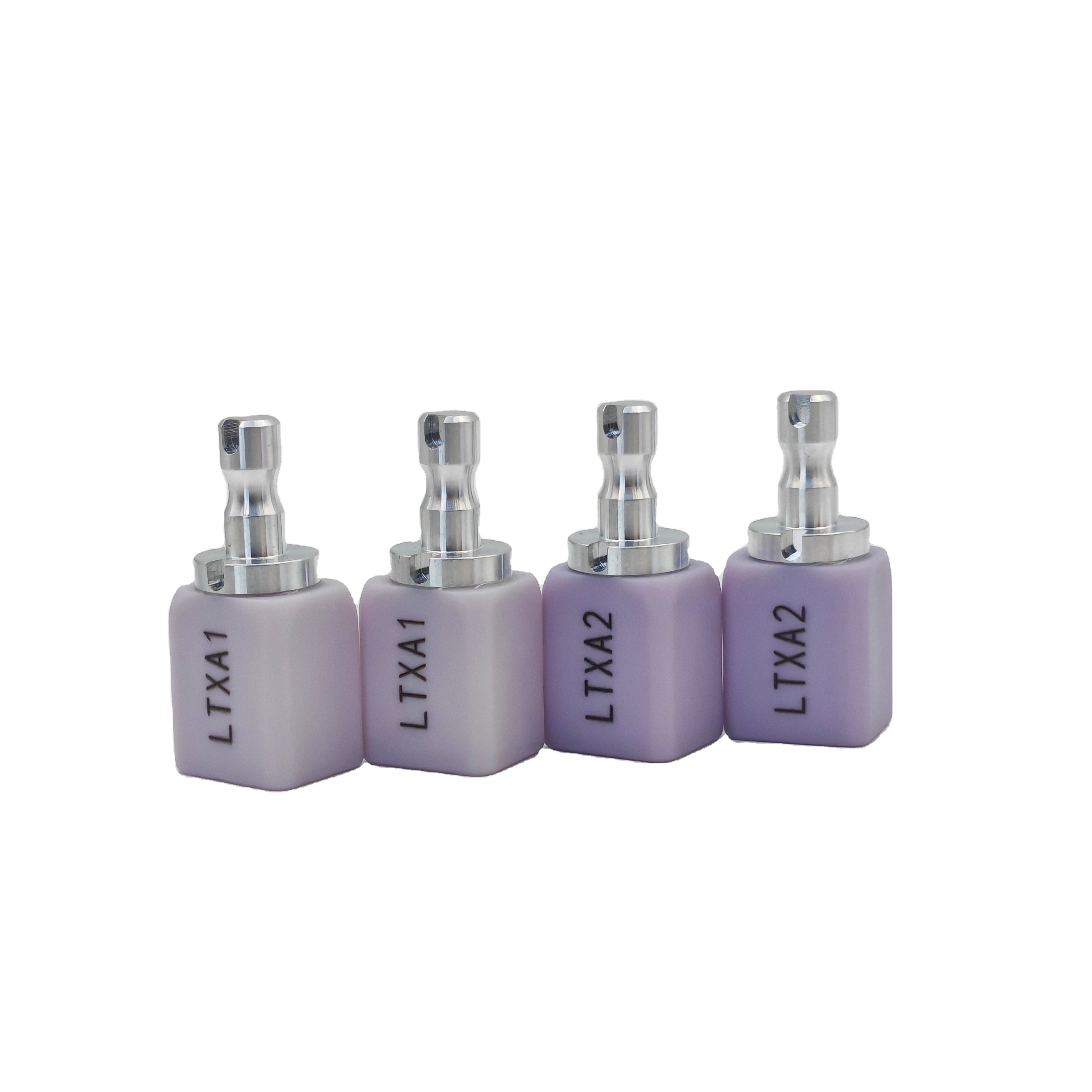
When selecting a material for onlay restorations, practitioners seek a balance between strength, esthetics, and longevity. Dental lithium disilicate has emerged as a premier choice because it delivers exceptional performance across all these dimensions. This glass ceramic material combines the natural appearance of tooth-colored restorations with the durability required for posterior restoration success. Understanding why dental lithium disilicate performs so well for onlays requires examining its material composition, mechanical properties, and clinical outcomes that make it superior to traditional alternatives.
Onlay restorations occupy a unique niche in restorative dentistry, covering cusps and marginal ridges while preserving maximum tooth structure. The success of an onlay depends critically on the material selected, as it must withstand significant occlusal forces while maintaining marginal integrity and esthetic harmony. Dental lithium disilicate meets these demands through its engineered crystalline structure, which provides superior strength without compromising the natural translucency and color matching capabilities that patients expect from modern restorations.
Superior Mechanical Strength and Durability
Fracture Resistance in High-Stress Areas
Dental lithium disilicate exhibits exceptional fracture resistance, making it particularly suitable for onlays placed in high-stress posterior regions. The material achieves a flexural strength of approximately 350–400 MPa, which exceeds traditional feldspathic ceramics and approaches the performance of some metal-based alternatives. When dental lithium disilicate is used for onlays, the restored tooth can withstand normal mastication forces and even para-functional habits without risk of catastrophic failure. This mechanical advantage translates to longer clinical longevity and reduced replacement rates compared to weaker ceramic materials.
Longevity and Clinical Performance
Clinical studies document that dental lithium disilicate onlays maintain structural integrity for 10+ years when properly fabricated and cemented. The material resists wear against opposing natural dentition and remains stable against attrition over extended service periods. Unlike some brittle ceramics that may chip or crack under stress, dental lithium disilicate's crystalline composition distributes occlusal forces more evenly, reducing the likelihood of sudden failure. Practitioners who select dental lithium disilicate for onlay cases report fewer callbacks for repairs and replacements, directly improving practice efficiency and patient satisfaction.
Exceptional Esthetic Integration
Color Matching and Translucency Control
One defining advantage of dental lithium disilicate for onlays is its ability to achieve seamless esthetic integration with natural tooth structure. The material offers multiple translucency levels and shade options that match the full spectrum of natural dentition, from bright anterior teeth to deeper posterior tones. Dental lithium disilicate can be customized during milling or through selective staining to replicate the exact optical properties of the tooth being restored. This esthetic precision allows clinicians to restore onlays without creating visible restorations, which enhances patient confidence and maintains the natural appearance of the dentition.
Light Transmission and Gingival Response
The translucent nature of dental lithium disilicate allows light to pass through the restoration in a manner that mimics natural enamel, creating an optical effect that is virtually indistinguishable from prepared tooth structure. This light transmission property is particularly important for onlays, where the restoration margin may be visible under certain lighting conditions or at the gingival crest. Dental lithium disilicate restorations do not produce the dark shadows or blue-gray appearance sometimes associated with metallic restorations or more opaque ceramics. Additionally, the biocompatible surface of dental lithium disilicate promotes healthy gingival response and does not provoke tissue inflammation or discoloration over time.
Streamlined Fabrication and Clinical Handling
CAD/CAM Milling Compatibility
Dental lithium disilicate is ideally suited to computer-aided design and computer-aided manufacturing milling systems, which have become standard in modern dental laboratories and chairside milling centers. The material mills cleanly with minimal chipping or marginal irregularities, producing restorations that require minimal adjustment and adjustment-free cementing in many cases. When dental lithium disilicate is selected for onlay fabrication through CAD/CAM technology, laboratories can reduce production time while maintaining consistent quality and marginal accuracy. This compatibility with digital workflows makes dental lithium disilicate the material of choice for practices investing in integrated restoration systems.
Simplified Preparation and Cementation
Preparing a tooth for a dental lithium disilicate onlay follows straightforward principles because the material does not require elaborate retention features or undercuts. Dental lithium disilicate demonstrates excellent adhesion to tooth-colored resin cements, allowing for reliable bonding without the need for mechanical retentive features that might compromise the remaining natural tooth. The surface preparation of dental lithium disilicate involves a simple etching protocol that creates micromechanical retention, which reliably locks the restoration into place. This straightforward cementation process reduces chair time and minimizes the risk of pulpal sensitivity or marginal leakage that might occur with more complex bonding protocols.
Clinical Suitability and Patient Acceptance
Indication Range and Versatility
Dental lithium disilicate serves well for onlay restorations across a wide range of clinical indications, from small single-cusp replacements to larger multi-cuspal restorations covering extensive surface damage. The material performs reliably whether the onlay is bonded to vital or endodontically treated teeth, provided that adequate tooth structure remains for retention. Dental lithium disilicate accommodates various margin designs including chamfer, shoulder, and rounded internal line angles, giving clinicians design flexibility to match their preparation philosophy. This versatility means that practitioners can standardize on dental lithium disilicate for most onlay cases without maintaining separate material inventories or milling parameters for different clinical scenarios.
Patient Satisfaction and Quality of Life
Patients overwhelmingly prefer the appearance and feel of dental lithium disilicate onlays because they deliver natural-looking restorations without the historical drawbacks of older ceramic systems or metal-based alternatives. The absence of any dark substructure or metallic appearance creates restorations that patients perceive as indistinguishable from their natural teeth. Dental lithium disilicate does not conduct temperature like metal, reducing sensitivity to hot and cold stimuli that some patients experience with metal restorations. The smooth, polished surface texture of dental lithium disilicate restorations reduces plaque accumulation compared to rough or porous alternative materials, supporting improved oral hygiene and long-term periodontal health.
FAQ
What is the failure rate of dental lithium disilicate onlays?
Dental lithium disilicate onlays exhibit failure rates of approximately 5–10% over 10 years when properly fabricated and cemented, which is significantly lower than many alternative materials. Most failures are related to improper preparation design, inadequate bonding, or secondary caries rather than material fatigue. When dental lithium disilicate is used with proper technique, clinical outcomes rival or exceed those of traditional gold restorations in posterior regions.
Can dental lithium disilicate be repaired if it chips?
Minor chips in dental lithium disilicate onlays can sometimes be repaired using composite resin bonded to the etched ceramic surface, though large fractures typically require replacement of the entire restoration. Dental lithium disilicate's crystalline structure makes it difficult to polish out chipped areas without creating surface irregularities that compromise long-term durability. In most cases, replacement rather than repair is the most predictable option for maintaining restoration integrity and esthetic quality over time.
How does dental lithium disilicate compare to zirconia for onlays?
Dental lithium disilicate offers superior esthetics and simpler cementation compared to zirconia, but zirconia provides greater fracture resistance for extremely high-stress cases. Dental lithium disilicate is preferred when esthetic demands are high or when the restoration will be visible during smiling, while zirconia may be selected for patients with severe bruxism or limited remaining tooth structure in posterior regions.