
 EN
EN
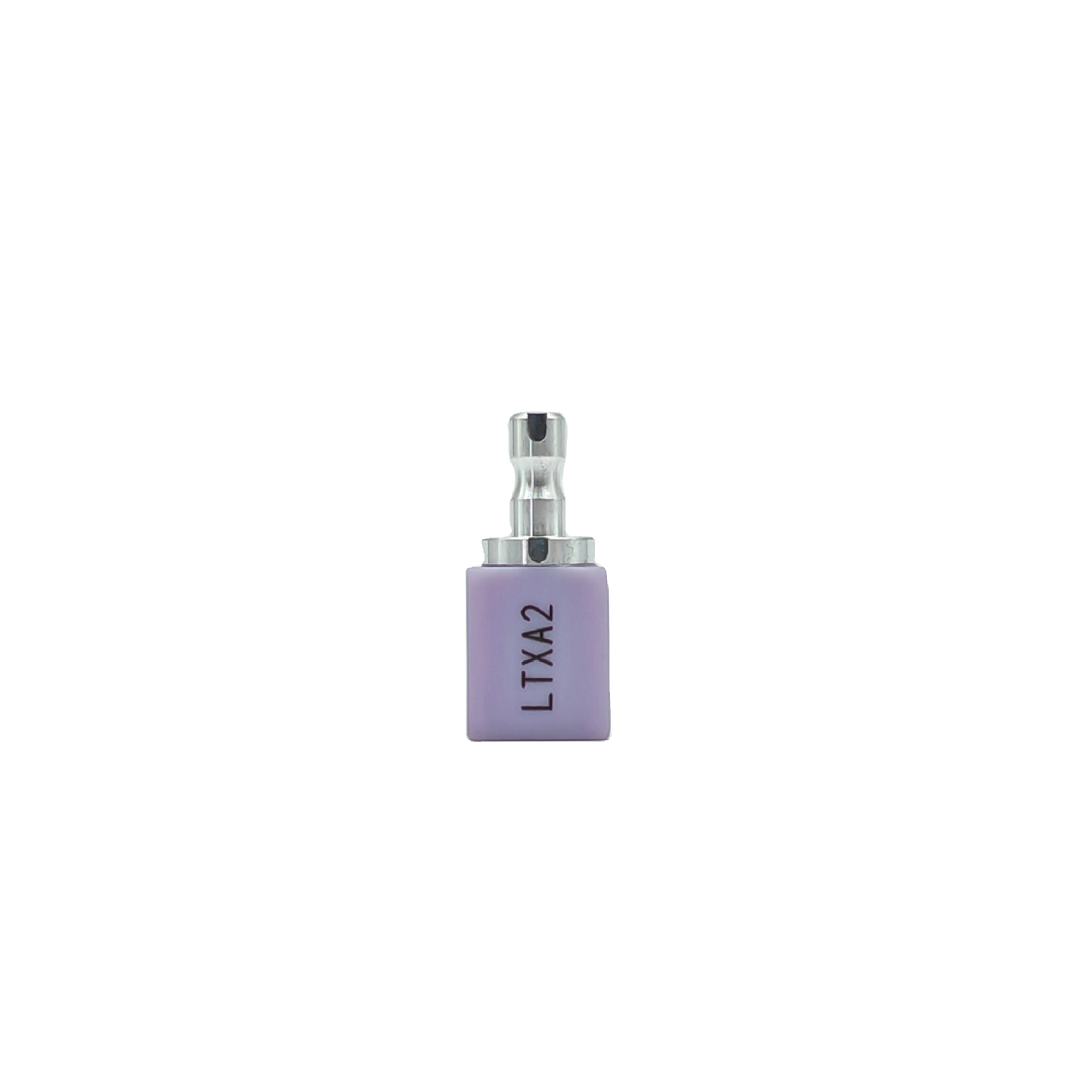
Proper storage of dental lithium disilicate blocks is essential for maintaining their structural integrity, translucency, and clinical performance. Dental lithium disilicate has become a preferred material in modern prosthodontics and restorative dentistry due to its exceptional aesthetic properties and strength. However, improper storage conditions can compromise the quality of dental lithium disilicate blocks, leading to material degradation, discoloration, and reduced milling precision. Understanding the correct methods for storing dental lithium disilicate blocks ensures that clinicians and laboratory technicians maximize the lifespan of their inventory while preserving the material's optimal characteristics for clinical applications.
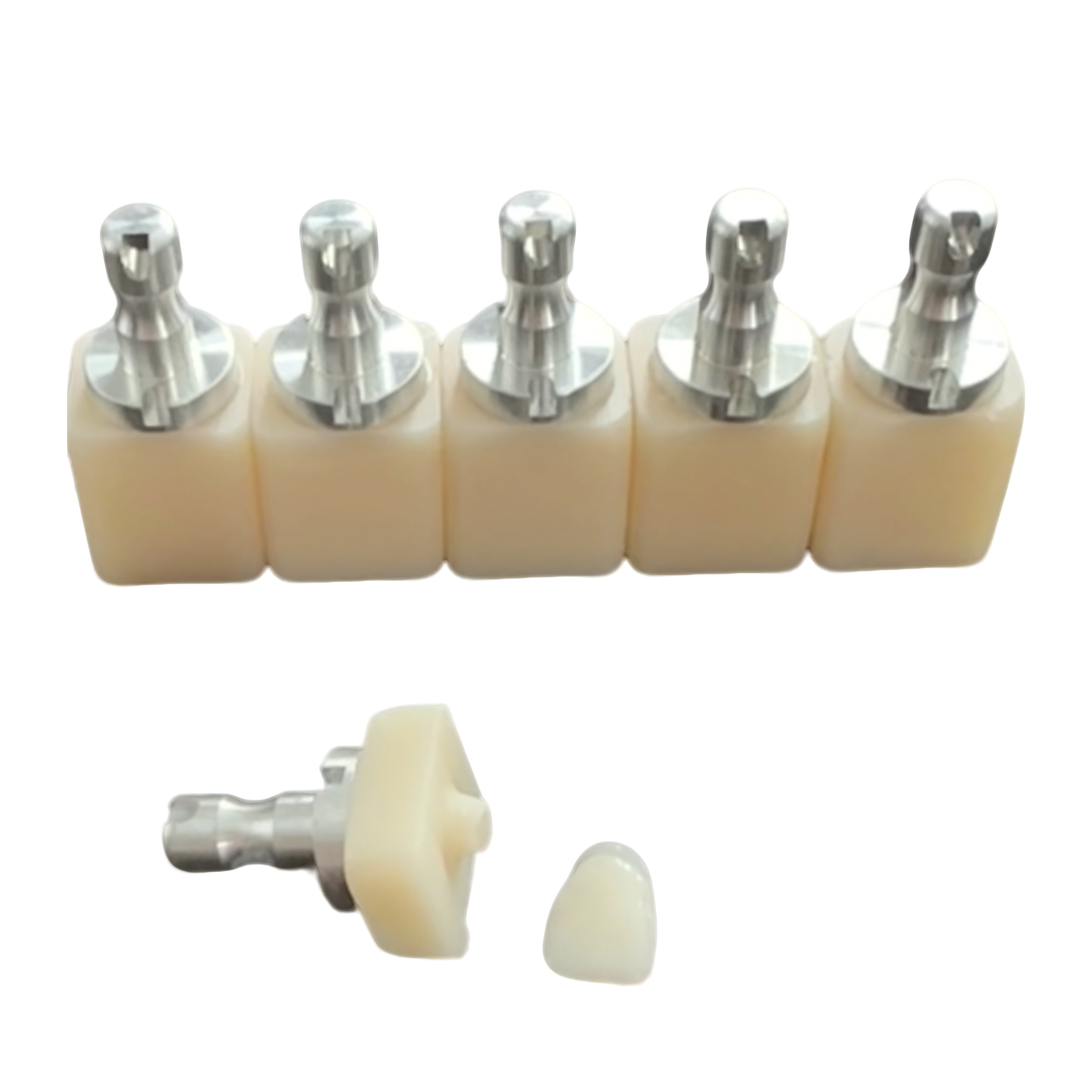
Dental lithium disilicate blocks require careful environmental management to preserve their crystalline structure and prevent contamination. Unlike some dental materials that are relatively forgiving in storage, dental lithium disilicate is sensitive to moisture, extreme temperature fluctuations, and physical stress. Establishing a systematic storage protocol for dental lithium disilicate blocks protects your investment in materials and ensures consistent quality outcomes in crown and bridge fabrication. This guide provides comprehensive insights into temperature control, humidity management, and best practices for handling dental lithium disilicate blocks throughout their storage lifecycle.
Environmental Conditions for Dental Lithium Disilicate Storage
Temperature Control Requirements
Maintaining a stable temperature environment is one of the most critical factors in preserving dental lithium disilicate blocks. The ideal storage temperature for dental lithium disilicate typically ranges between 15°C and 25°C, avoiding both excessive heat and cold. Fluctuating temperatures cause the dental lithium disilicate material to expand and contract at different rates, potentially creating microscopic stress points within the block structure. These thermal cycles can weaken the material and compromise its ability to be milled precisely, resulting in inferior restorations. Laboratory environments with consistent climate control systems are far superior to storage areas exposed to seasonal temperature variations or proximity to heating and cooling sources.
Humidity Management
Humidity levels significantly impact the long-term stability of dental lithium disilicate blocks. The recommended relative humidity for storing dental lithium disilicate is between 30% and 60%, preventing both moisture absorption and excessive dryness. When dental lithium disilicate blocks are exposed to high humidity, they may absorb moisture, which can affect their milling characteristics and introduce micro-fractures during processing. Conversely, extremely dry conditions can cause the material to become brittle. Using silica gel packets, dehumidifiers, or moisture control systems within your storage area helps maintain optimal humidity levels for dental lithium disilicate blocks. Monitor humidity regularly with calibrated meters to ensure your dental lithium disilicate inventory remains in peak condition.
Storage Location and Organization
Selecting an Appropriate Storage Space
The location where you store dental lithium disilicate blocks should be carefully chosen to minimize exposure to environmental hazards. Avoid storing dental lithium disilicate near windows where direct sunlight can cause ultraviolet exposure and temperature variations. Do not place dental lithium disilicate blocks close to laboratory equipment that generates heat, such as milling machines, furnaces, or autoclaves. Dental lithium disilicate should be positioned away from areas with vibration or constant movement, as physical disturbance can accelerate micro-crack formation. A dedicated, climate-controlled cabinet or drawer within a temperature-stable room is the optimal location for dental lithium disilicate storage, protecting the material from environmental stress and maintaining its quality over time.
Organization and Inventory Management
Organized storage systems for dental lithium disilicate blocks improve accessibility and help you track material age and expiration dates. Label each box of dental lithium disilicate with the purchase date and store blocks in their original, sealed packaging whenever possible. Original packaging for dental lithium disilicate is specifically designed to protect the material from moisture and contamination during transit and storage. Implement a first-in, first-out rotation system for dental lithium disilicate inventory to ensure older stock is used before newer material. Keeping detailed records of your dental lithium disilicate supply helps prevent over-purchasing, reduces waste, and ensures consistent material availability for your clinical work.
Handling and Protection Protocols
Minimizing Physical Stress
Even within storage, dental lithium disilicate blocks require careful handling to prevent internal stress and damage. Always support dental lithium disilicate blocks from the bottom when moving them, avoiding dropping or rough handling that can introduce micro-fractures invisible to the naked eye. When removing a dental lithium disilicate block from storage, inspect it for any signs of cracking, discoloration, or surface damage before use. Stacking dental lithium disilicate blocks too heavily can create pressure points and compromise the material's structure. Use protective dividers or cushioning materials when storing multiple dental lithium disilicate blocks to prevent them from rubbing against each other, which can create surface imperfections and stress concentrations.
Protection from Contamination
Contamination is a significant threat to dental lithium disilicate block quality during storage. Keep dental lithium disilicate blocks isolated from chemical fumes, dust, and airborne particles that might settle on or within the material. Never store dental lithium disilicate near cleaning chemicals, solvents, or other volatile substances that could off-gas and affect the block's surface. Always wear clean gloves when handling dental lithium disilicate blocks, as oils and residues from bare hands can leave marks and potentially affect milling precision. Store dental lithium disilicate blocks in sealed containers or vacuum-sealed bags designed specifically for dental materials to provide an additional barrier against environmental contamination and moisture ingress.
Quality Assurance and Long-Term Maintenance
Monitoring Storage Conditions
Regular monitoring of your storage environment ensures that dental lithium disilicate blocks remain in optimal condition. Install thermometers and hygrometers in your storage area to track temperature and humidity fluctuations throughout the day and across seasons. Log these readings weekly to identify patterns and potential problem areas in your dental lithium disilicate storage setup. If you notice inconsistent conditions, adjust your climate control systems or relocate your dental lithium disilicate inventory to a more stable environment. Periodic inspection of stored dental lithium disilicate blocks allows you to detect any early signs of degradation before they become problematic, safeguarding your investment in these premium materials.
Shelf Life and Expiration
While dental lithium disilicate blocks have an extended shelf life when stored correctly, they are not indefinitely stable. Most manufacturers recommend using dental lithium disilicate blocks within 2 to 3 years of purchase, though this depends on specific product specifications and storage conditions. Check the manufacturer's guidelines for your particular dental lithium disilicate brand to understand recommended usage timelines. Blocks stored beyond their recommended shelf life may experience crystalline changes or moisture absorption that compromises performance. Maintaining accurate records of when your dental lithium disilicate inventory was received helps ensure you rotate stock appropriately and use material before quality deterioration occurs.
FAQ
What happens if dental lithium disilicate blocks are exposed to high temperatures?
Exposure to high temperatures causes dental lithium disilicate blocks to undergo thermal expansion, potentially creating internal stress and micro-fractures. Elevated temperatures can also accelerate moisture absorption in dental lithium disilicate material, compromising its milling precision and clinical performance. If dental lithium disilicate blocks experience temperature spikes, allow them to return to normal temperature gradually before milling to minimize additional stress.
Can dental lithium disilicate blocks be stored in a regular office refrigerator?
Storing dental lithium disilicate blocks in a regular refrigerator is not recommended due to humidity fluctuations and temperature cycling caused by frequent door opening. Additionally, dental lithium disilicate blocks could absorb food odors or become contaminated by other stored items. A dedicated climate-controlled cabinet designed for dental materials provides superior protection for dental lithium disilicate than household refrigeration equipment.
How can I tell if stored dental lithium disilicate blocks have deteriorated?
Signs of deterioration in dental lithium disilicate blocks include visible discoloration, white frost-like deposits indicating moisture absorption, surface cracks, or cloudiness in the material. If your dental lithium disilicate blocks show these signs, discontinue their use immediately. Poor milling performance, such as unusual chipping or excessive dust generation, also suggests that dental lithium disilicate blocks may have degraded during storage and should be replaced with fresh material.