
 EN
EN
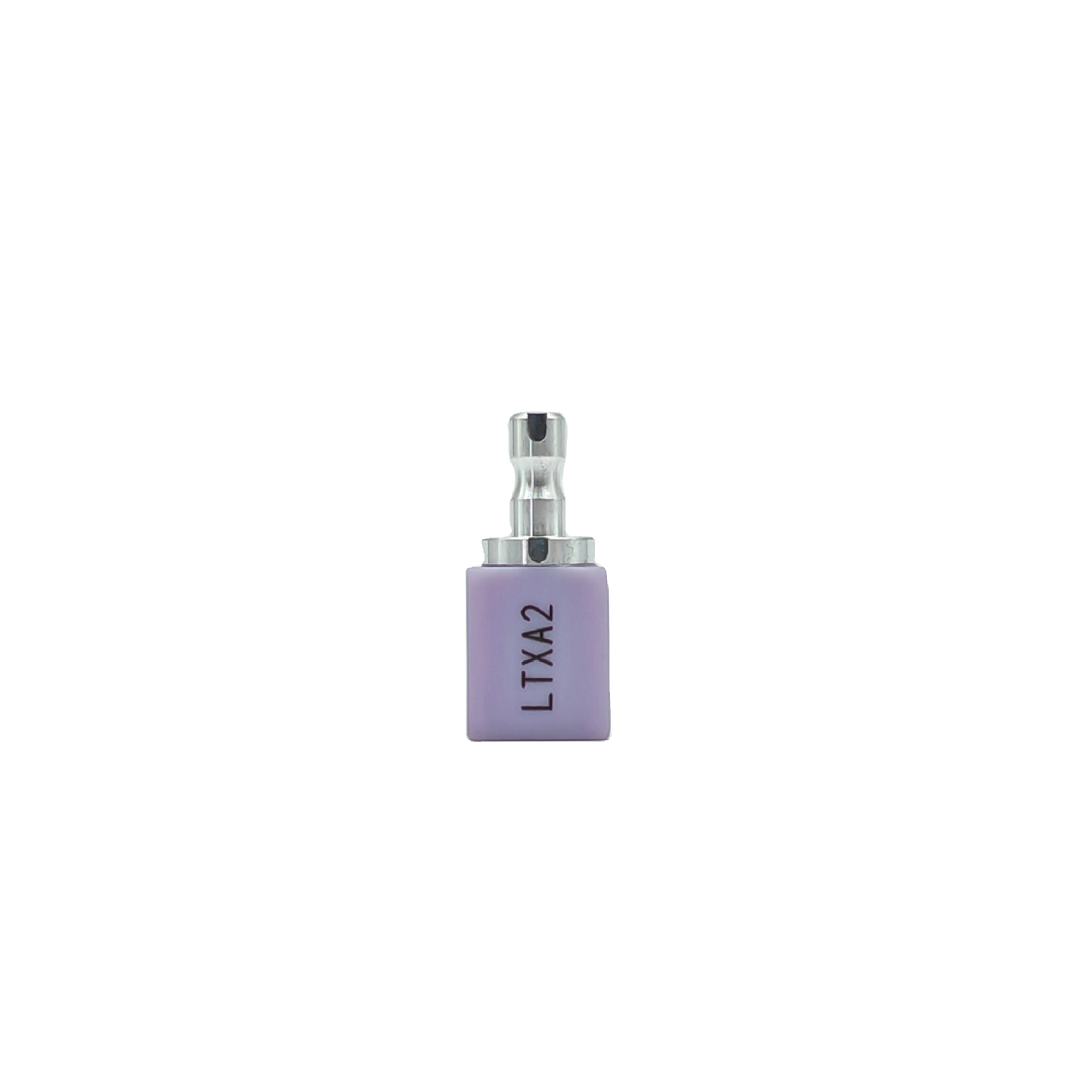
Dental lithium disilicate has become one of the most sought-after materials in contemporary restorative dentistry, offering dentists and laboratory technicians a versatile solution for creating high-quality restorations. The material combines exceptional strength with aesthetic appeal, making dental lithium disilicate blocks the preferred choice for many clinical applications. Understanding the main uses of dental lithium disilicate blocks is essential for dental professionals who want to deliver superior patient outcomes while maintaining efficiency in their practice.
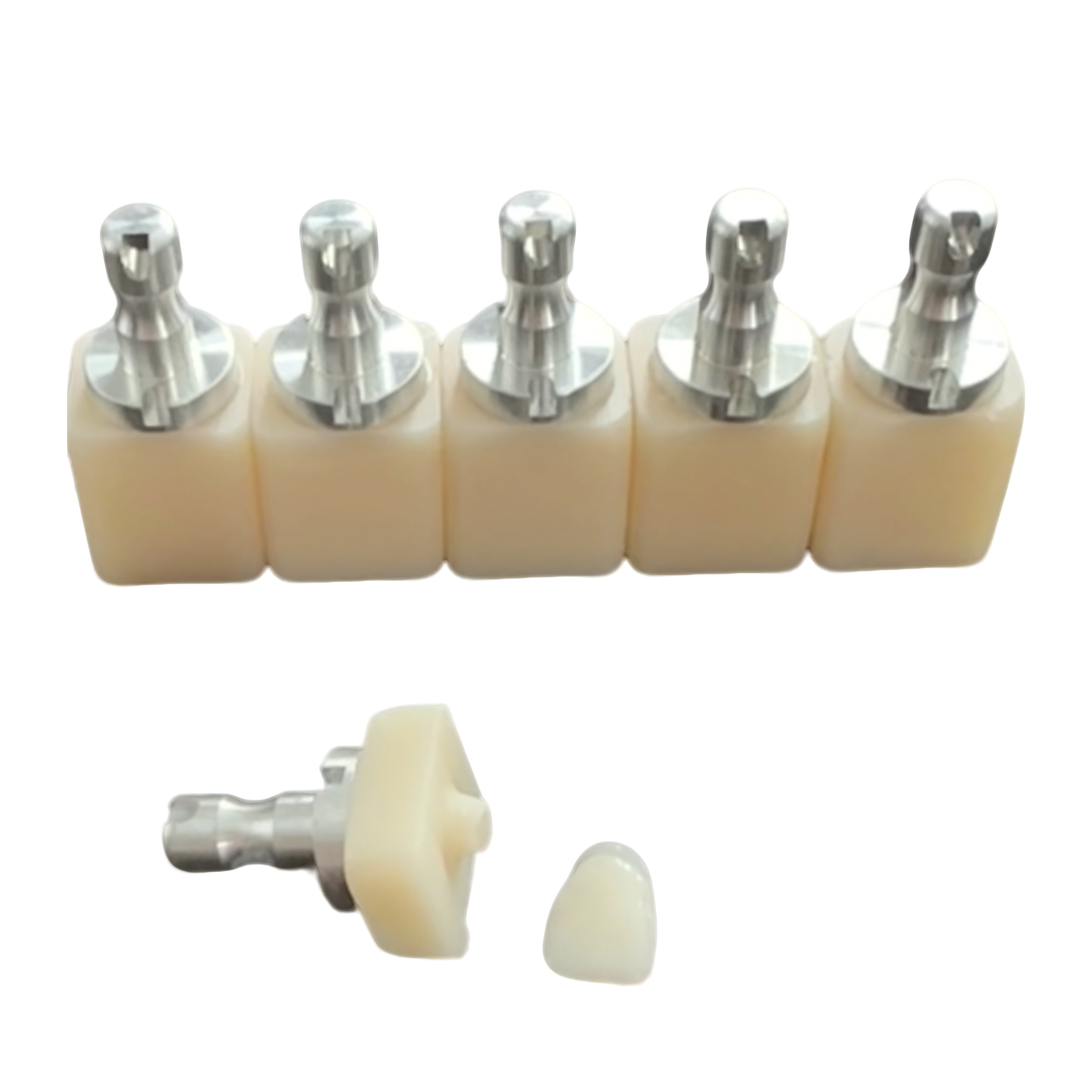
The versatility of dental lithium disilicate extends across multiple clinical scenarios, from anterior restorations requiring superior aesthetic properties to posterior applications where strength and durability are paramount. When you choose dental lithium disilicate blocks for your restorative cases, you gain access to material science that has been refined over decades of research and clinical validation. This article explores the primary applications, clinical advantages, and practical considerations that make dental lithium disilicate the go-to material for modern dental restoration.
Anterior Aesthetic Restorations with Dental Lithium Disilicate
Single Tooth Crowns and Veneers
Dental lithium disilicate excels in anterior restoration applications where patients demand natural aesthetics and long-term durability. Single tooth crowns fabricated from dental lithium disilicate blocks deliver exceptional light transmission properties that closely mimic natural tooth enamel and dentin. The material allows laboratory technicians to create restorations that blend seamlessly with adjacent natural teeth, making it the preferred choice for visible smile zones where aesthetic failure is simply not acceptable.
Veneers produced from dental lithium disilicate blocks offer another significant application in modern cosmetic dentistry. These ultra-thin restorations require a material that combines strength with translucency, and dental lithium disilicate meets both criteria exceptionally well. Dentists appreciate that dental lithium disilicate veneers can be bonded directly to prepared tooth surfaces without requiring the full coverage of a crown, preserving more natural tooth structure while still achieving dramatic aesthetic improvements.
Full Mouth Rehabilitation Cases
For comprehensive smile makeovers involving multiple anterior teeth, dental lithium disilicate blocks provide the consistency and reliability that complex cases demand. Technicians can produce entire sets of matching dental lithium disilicate crowns and veneers that maintain color stability and optical properties across the restoration. The ability to stack and layer dental lithium disilicate materials during the fabrication process allows for highly customized shading that accounts for natural tooth variations and patient-specific aesthetic goals.
Posterior Restorations and Full-Coverage Applications
Inlays, Onlays, and Posterior Crowns
Dental lithium disilicate blocks have proven their value in posterior applications where traditional metals were once the standard of care. The material delivers flexural strength exceeding 350 megapascals, making dental lithium disilicate suitable for posterior crowns, inlays, and onlays that must withstand significant masticatory forces. Many dentists now choose dental lithium disilicate for posterior single crowns because the material eliminates the patient objection to visible metal margins while maintaining clinical longevity.
Inlays and onlays fabricated from dental lithium disilicate blocks offer conservative alternatives to full crown coverage while still providing outstanding durability and aesthetic integration. The bonded interface created between dental lithium disilicate and tooth structure actually strengthens the restored tooth, distributing forces more favorably than traditional preparation designs would suggest. This reinforcement effect makes dental lithium disilicate particularly valuable in cases where remaining tooth structure is compromised or where maximum tooth preservation is a priority.
Bridge and Multi-Unit Restorations
For bridge work and multi-unit restorations, dental lithium disilicate blocks provide a material platform that eliminates the need for precious metal substructures. Technicians can mill dental lithium disilicate framework structures that are both strong enough to span from one abutment tooth to another and aesthetic enough to eliminate the visibility of any substructure. This dual capability makes dental lithium disilicate an excellent choice for patients who demand all-ceramic restorations with the strength and longevity required for multi-unit cases.
Specialized Restorative Applications of Dental Lithium Disilicate
Implant Restoration and Abutment Support
Dental lithium disilicate blocks have become increasingly popular for implant-supported restorations, where biocompatibility and aesthetic matching to the patient's natural dentition are equally important. The material can be milled into implant crowns that are secured either with resin cement or screw retention, providing flexibility for different clinical protocols and maintenance requirements. Dental lithium disilicate restorations over implants demonstrate excellent long-term stability and patient satisfaction because they eliminate the dark metal line that can become visible at the gingival margin over time.
Custom abutments and hybrid restorations combining dental lithium disilicate with implant fixtures represent another sophisticated application of this material. Laboratories can now design restorations where dental lithium disilicate serves as the visible crown component while maintaining a secure mechanical interface with the underlying implant system. This approach maximizes aesthetics while preserving all the functional benefits of dental implant treatment for patients in visible smile zones.
Complex Shade Matching and Specialized Cases
The optical properties of dental lithium disilicate blocks make them exceptionally valuable in cases requiring complex shade matching and color correction. Discolored or darkly stained natural teeth can be masked effectively with well-designed dental lithium disilicate crowns or veneers that use opaque or tinted formulations. Dental lithium disilicate's ability to be characterized during the milling or layering process ensures that even difficult color matching situations result in clinically successful restorations that patients find indistinguishable from natural teeth.
Revision cases where previous restorations have failed or become discolored often benefit from replacement with dental lithium disilicate. The material performs exceptionally well in situations where marginal integrity or aesthetic compromise has occurred, providing a fresh start with a proven, durable material platform. Dentists often report higher patient satisfaction when transitioning patients from older restoration materials to contemporary dental lithium disilicate restorations.
FAQ
What are the main advantages of dental lithium disilicate blocks over other ceramic materials?
Dental lithium disilicate blocks offer superior strength, exceptional aesthetic properties, and reliable processing through CAD/CAM systems compared to traditional ceramics. The material combines high flexural strength with excellent translucency, allowing dental lithium disilicate to be used in applications ranging from delicate veneers to full posterior crowns. Additionally, dental lithium disilicate demonstrates lower fracture rates and longer clinical longevity than many competing ceramic materials.
How is dental lithium disilicate milled and processed in the laboratory?
Dental lithium disilicate blocks are typically milled in a pre-crystalline state from larger blocks using computer-aided design software and milling units. After milling to the desired restoration shape, dental lithium disilicate undergoes a heat-treatment process that crystallizes the material and increases its final strength. Some laboratories may layer additional glass ceramics or apply stains and glazes to achieve specific aesthetic effects before the final restoration is delivered to the dental office.
Are dental lithium disilicate restorations suitable for all patients and clinical situations?
While dental lithium disilicate performs excellently in most restorative applications, very specific patient factors should be considered before selection. Patients with severe parafunction habits, extremely heavy bite forces, or compromised tooth preparation anatomy may benefit from alternative material considerations. However, for the vast majority of restorative cases involving anterior or posterior teeth, dental lithium disilicate represents a highly predictable and successful treatment option that offers excellent clinical outcomes.