
 EN
EN
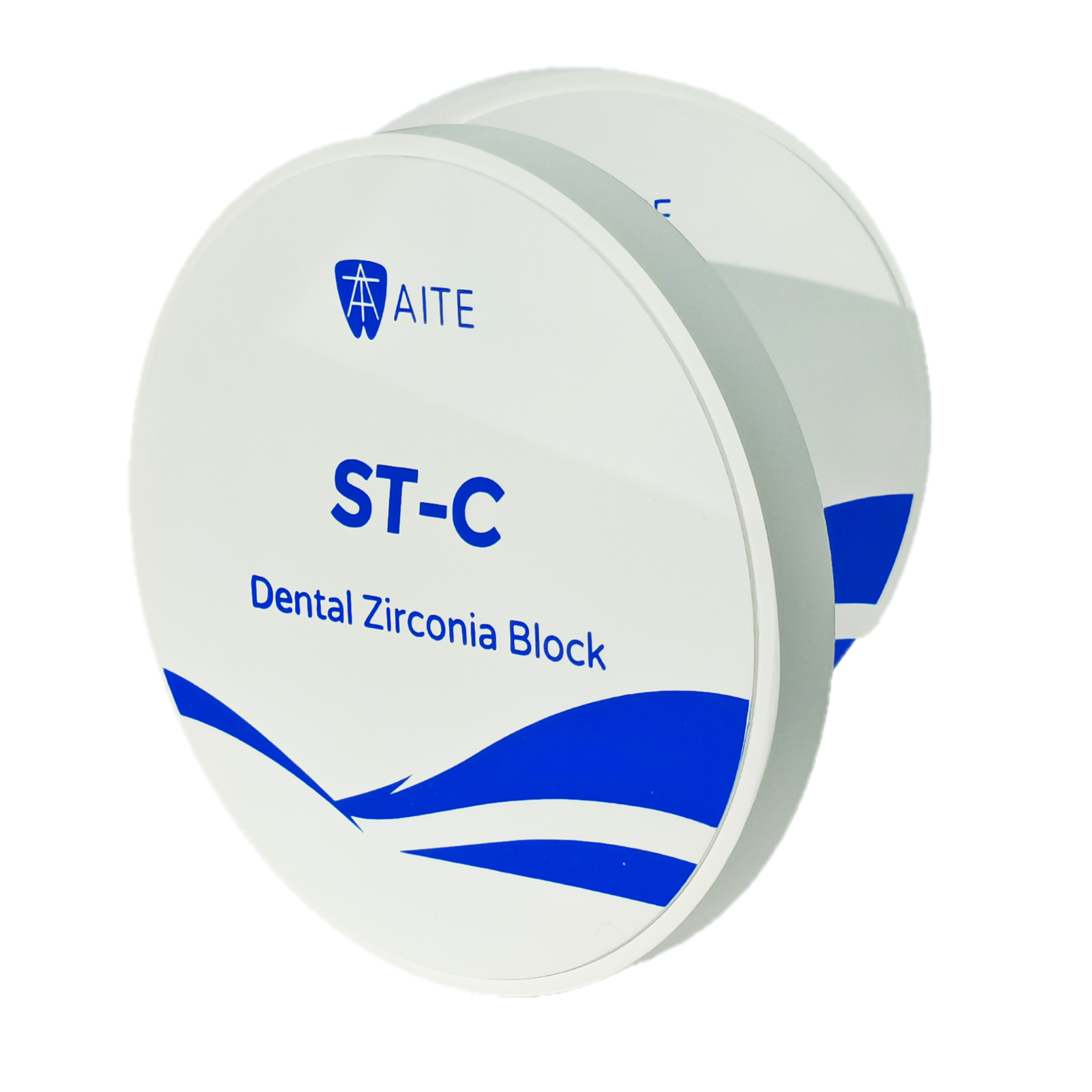
Selecting the right dental zirconia discs is one of the most critical decisions for dental laboratories and clinical practices using CAD/CAM milling systems. The quality, compatibility, and specifications of your dental zirconia discs directly influence the strength, esthetics, and longevity of fabricated restorations. With numerous suppliers and material grades available, understanding how to evaluate and choose dental zirconia discs requires knowledge of material composition, system compatibility, milling performance, and clinical outcomes. This guide walks you through the essential factors that will help you select dental zirconia discs that match your specific workflow requirements and deliver consistent, high-quality results.
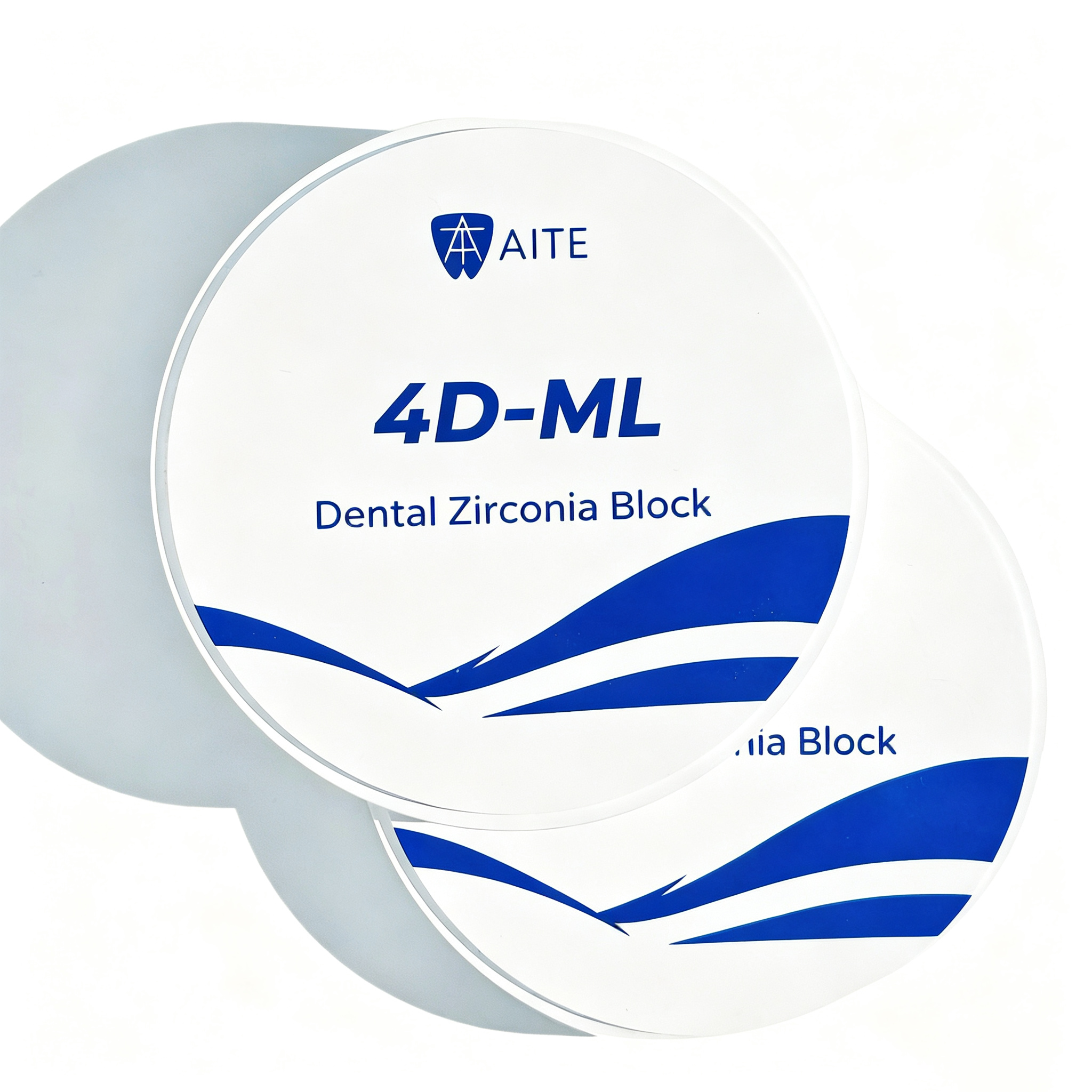
Dental zirconia discs come in various material grades, sizes, and thicknesses, each engineered for specific milling applications and restoration types. Understanding the distinctions between different dental zirconia discs helps you avoid costly mistakes, reduce milling errors, and optimize your production efficiency. Whether you are upgrading your CAD/CAM system or evaluating new suppliers, this article provides actionable criteria for choosing dental zirconia discs that align with your laboratory capabilities and patient requirements.
Understanding Material Grades and Composition
Full Contour Versus Layered Zirconia Discs
Dental zirconia discs are available in two primary processing formats: full-contour and layered options. Full-contour dental zirconia discs are milled to their final shape and require minimal chairside adjustment, making them ideal for high-volume laboratories seeking efficiency. Layered dental zirconia discs consist of a zirconia core covered with a ceramic veneer layer, offering superior esthetics at the cost of increased chairside finishing. When choosing dental zirconia discs for your system, assess whether your workflow prioritizes speed or esthetic complexity, as this determines which material format best serves your practice.
The stabilization chemistry of dental zirconia discs varies between manufacturers, affecting mechanical properties and firing behavior. Partially stabilized zirconia (PSZ) dental zirconia discs undergo transformation-toughening mechanisms that enhance fracture resistance, while fully stabilized formulations offer different sintering profiles. Examining the material composition of your dental zirconia discs ensures compatibility with your milling unit's software and sintering parameters.
Translucency and Shade Range
Modern dental zirconia discs are manufactured in multiple translucency levels, from highly opaque to highly translucent grades. Highly translucent dental zirconia discs allow more light transmission, delivering superior esthetics for anterior restorations but requiring careful shade matching and opaquing strategies. Standard opaque dental zirconia discs suit posterior restorations where light transmission is less critical. When selecting dental zirconia discs, confirm that the translucency grade matches your intended restoration location and your shade matching protocols.
Shade options within dental zirconia discs range from natural tooth shades to high-chroma options for discolored teeth. Comprehensive shade matching before milling prevents remakes and improves first-pass success rates. Many laboratories standardize on two to three popular dental zirconia discs shades to simplify inventory while maintaining clinical flexibility.
Evaluating System Compatibility and Specifications
Machine and Software Compatibility
Every CAD/CAM milling system has specific requirements for dental zirconia discs dimensions, density specifications, and material certifications. Before purchasing dental zirconia discs, verify that your chosen product is explicitly listed as compatible with your milling unit's software library. Incompatible dental zirconia discs may cause machine errors, produce oversized or undersized restorations, and waste material. Contact your system manufacturer or consult the compatible materials list to confirm your dental zirconia discs selection works with your existing hardware.
Software compatibility directly affects milling strategy. Modern milling systems optimize cutting speeds, tool paths, and finish passes based on material properties encoded in the dental zirconia discs profile. Using dental zirconia discs with outdated or missing material profiles results in poor surface finish, higher tool wear, and extended milling times. Prioritize purchasing dental zirconia discs from suppliers who maintain updated material libraries for your specific system.
Disc Size and Thickness Options
Dental zirconia discs are manufactured in standardized sizes such as 98 mm, 120 mm, and 145 mm diameters, with thickness ranging from 10 mm to 25 mm. Larger dental zirconia discs accommodate multiple unit restorations in single milling cycles, improving lab efficiency for high-volume practices. However, larger dental zirconia discs may be incompatible with compact milling systems. Verify your machine's maximum disc dimensions before ordering dental zirconia discs to avoid purchasing unusable inventory.
Thickness selection for dental zirconia discs depends on your restoration design and milling strategy. Thicker dental zirconia discs provide material bulk for complex anterior restorations with substantial contour variations, while standard thickness discs suit most single-unit and multi-unit posterior restorations. Choosing the correct thickness for your dental zirconia discs reduces material waste and optimizes cutting tool performance during the milling cycle.
Assessing Quality, Performance, and Reliability
Manufacturing Standards and Certification
Reputable suppliers of dental zirconia discs maintain ISO 6872 certification and rigorous quality control protocols to ensure consistent material properties. Certified dental zirconia discs undergo testing for flexural strength, fracture toughness, and sintering uniformity, providing predictable clinical performance. When evaluating dental zirconia discs from potential suppliers, request documentation of material testing, batch traceability, and quality certifications. Superior quality dental zirconia discs from certified manufacturers reduces chairside adjustments and minimizes restoration failures.
Material consistency across production batches is essential for optimal milling performance. Poor-quality dental zirconia discs may exhibit inconsistent sintering behavior, resulting in slight shade variations, dimensional drift, or unexpected mechanical properties. Establishing a relationship with reliable suppliers who produce consistent dental zirconia discs streamlines your material management and improves your laboratory's reputation for quality outcomes.
Milling Performance and Surface Finish
Optimal dental zirconia discs are engineered to mill smoothly with minimal chipping, producing detailed margins and smooth occlusal surfaces. Inferior dental zirconia discs may generate excessive tool wear, require frequent tool changes, or produce rough surfaces demanding extensive chairside finishing. Test milling small batches of dental zirconia discs from new suppliers before committing to large orders. Evaluate milling speed, tool life, and surface quality to confirm the dental zirconia discs match your laboratory's efficiency standards.
Post-milling sintering behavior of dental zirconia discs significantly impacts final restoration dimensions and fit. Dental zirconia discs that sinter uniformly across the milled unit maintain predictable linear shrinkage, typically between 15% and 20%, ensuring accurate final dimensions. Inconsistent sintering in suboptimal dental zirconia discs creates dimensional variance, leading to poor occlusal contact or marginal gaps requiring adjustment. Sintering furnace programming for your dental zirconia discs follows manufacturer guidelines to maximize material properties and achieve ideal clinical results.
Cost and Supply Chain Reliability
Pricing for dental zirconia discs varies significantly based on material grade, translucency level, and supplier region. While cost efficiency matters for profitability, selecting the cheapest dental zirconia discs often results in higher remake rates, extended chairside adjustments, and diminished clinical outcomes. Balance pricing against material quality, system compatibility, and supplier reliability when choosing dental zirconia discs. Establishing consistent supply of your preferred dental zirconia discs prevents production delays and maintains quality standards across your restorations.
Verify that your chosen supplier maintains adequate inventory of your selected dental zirconia discs grades and maintains reliable delivery timelines. Supply chain disruptions force compromises on material selection, reducing restoration quality and lab productivity. Suppliers with multiple warehouses and established distribution networks provide peace of mind that your dental zirconia discs orders arrive consistently, supporting predictable laboratory scheduling.
FAQ
What is the difference between monolithic and layered dental zirconia discs?
Monolithic dental zirconia discs are milled and sintered as complete units without veneering layers, prioritizing strength and efficiency for posterior restorations. Layered dental zirconia discs have a zirconia core bonded to a ceramic veneer layer, enabling superior esthetics for anterior applications but requiring more chairside refinement. Monolithic dental zirconia discs are faster to produce, while layered dental zirconia discs demand skilled technicians for optimal results.
How do I determine if dental zirconia discs are compatible with my CAD/CAM system?
Check your milling system's compatible materials list, available in the equipment manual or from the manufacturer's website. Contact your system provider with specific dental zirconia discs product names or supplier information to confirm compatibility. Dental zirconia discs must be registered in your milling unit's software library to ensure accurate cutting parameters and optimal milling results.
What sintering temperature should I use for dental zirconia discs?
Sintering temperature for dental zirconia discs typically ranges from 1400 to 1600 degrees Celsius, with specific protocols determined by the material grade and manufacturer. Always follow the sintering guidelines provided with your dental zirconia discs packaging, as temperatures vary between suppliers and formulations. Your furnace programming must match the dental zirconia discs specifications to achieve optimal strength, density, and final dimensions.