
 EN
EN
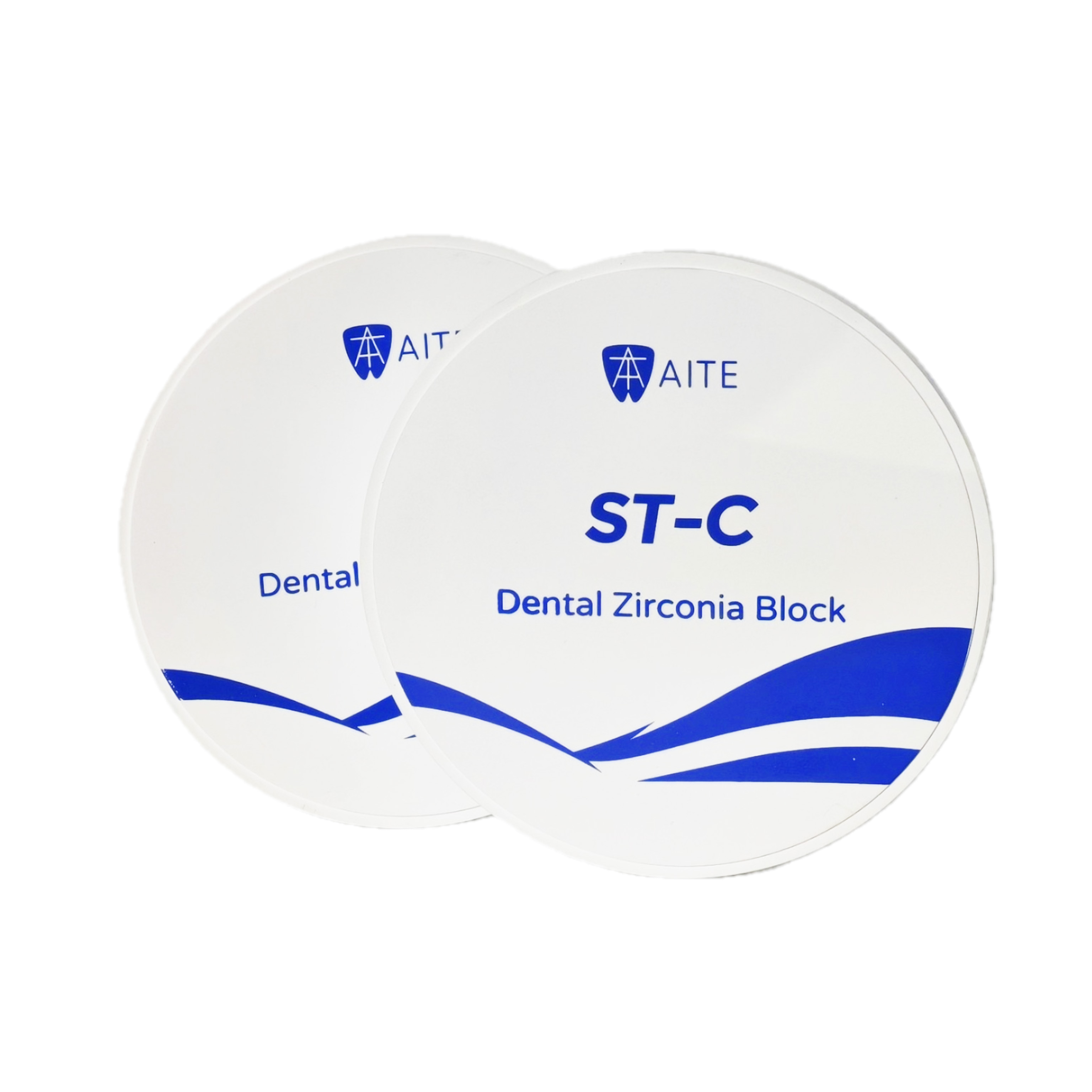
Dental zirconia discs are precision materials essential for creating durable restorations, crowns, and bridges in modern dentistry. However, their performance and longevity depend significantly on how they are stored and handled before use. Improper storage conditions, particularly exposure to moisture, can compromise the structural integrity and aesthetic properties of dental zirconia discs, leading to potential failures, discoloration, and reduced clinical success. Understanding and implementing proper storage protocols for dental zirconia discs is not merely a matter of convenience—it directly impacts the quality of patient outcomes and the overall efficiency of your dental laboratory or practice.
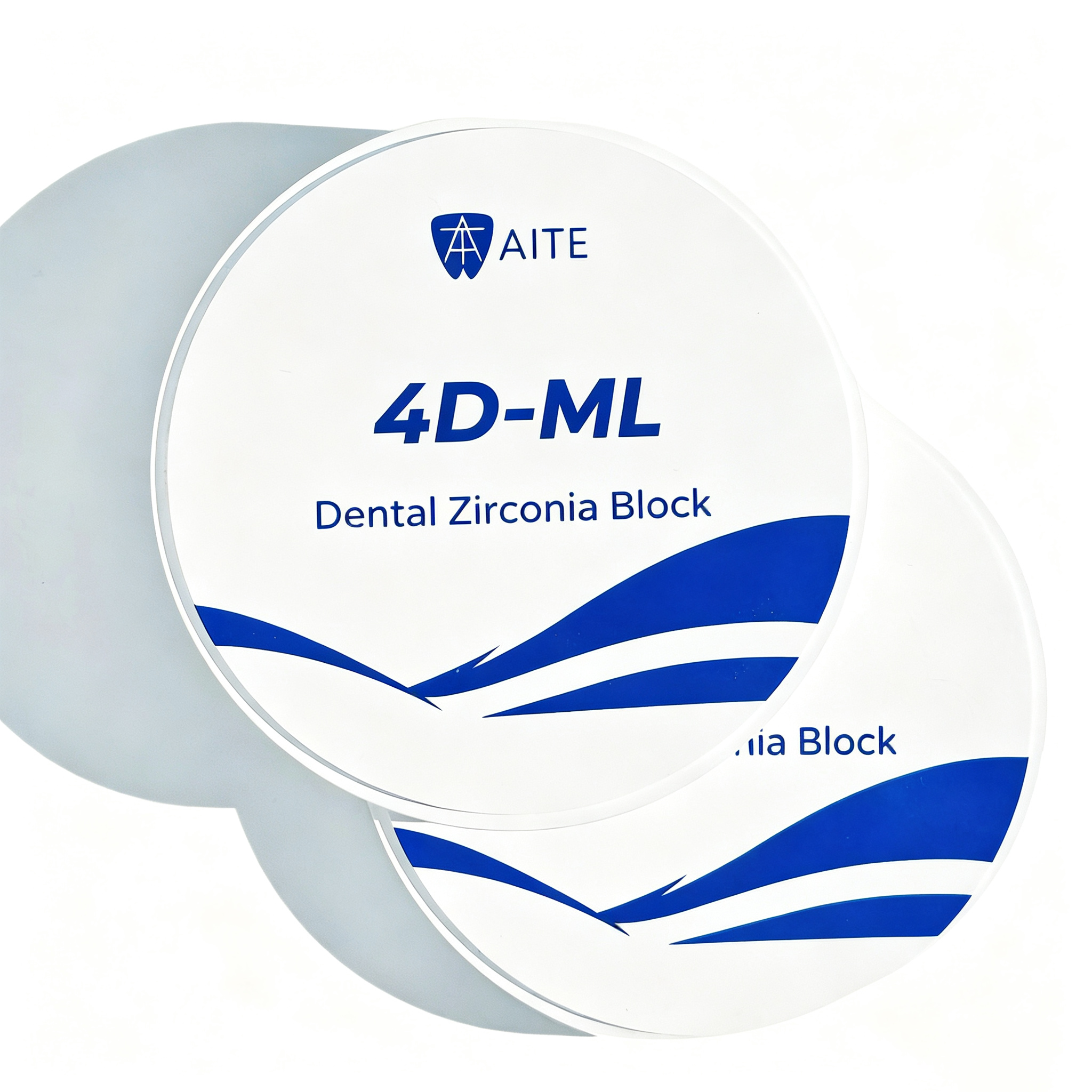
Moisture represents one of the most significant threats to dental zirconia discs during storage and transport. When dental zirconia discs absorb water from humid environments, they undergo hydrolytic degradation—a process that weakens the material at a molecular level. This transformation can manifest as surface cracking, reduced flexural strength, and compromised fit accuracy when milling or adapting dental zirconia discs for clinical use. By implementing systematic storage strategies, dental professionals and laboratory managers can maintain the superior properties that make dental zirconia discs the material of choice for high-strength restorations.
Optimal Environmental Conditions for Storing Dental Zirconia Discs
Temperature and Humidity Control
The foundation of effective storage for dental zirconia discs begins with environmental control. Dental zirconia discs should be stored in climate-controlled environments where temperature remains stable between 18°C and 25°C, and relative humidity stays between 30% and 50%. Fluctuations in temperature cause the material to expand and contract, which can create microfractures within dental zirconia discs that weaken their load-bearing capacity. Humidity levels above 60% create an ideal environment for moisture absorption, accelerating degradation of dental zirconia discs regardless of packaging. Investing in a dedicated storage room or cabinet with a dehumidifier ensures that dental zirconia discs remain protected from ambient humidity variations that occur naturally throughout the day and across seasons.
Storage Location and Infrastructure
Physical placement matters equally when storing dental zirconia discs. Keep dental zirconia discs away from direct sunlight, steam sources, sinks, and areas prone to temperature fluctuations such as near doors, windows, or HVAC vents. Store dental zirconia discs on shelves in a dedicated cabinet made of non-corrosive materials, preferably equipped with adjustable shelving and secondary containment for spill protection. Avoid basement locations where groundwater seepage or condensation might compromise storage integrity for dental zirconia discs. If your facility includes milling equipment or wet processing areas, maintain physical separation between those zones and where you store dental zirconia discs to minimize passive moisture migration.
Packaging and Desiccant Protection for Dental Zirconia Discs
Primary Packaging Strategies
Dental zirconia discs should arrive in manufacturer-sealed, moisture-barrier packaging, typically vacuum-sealed or foil-lined containers with desiccant cartridges included. Once you open a package of dental zirconia discs, reseal any unused portions immediately using airtight containers with integrated desiccant packs. For long-term storage of dental zirconia discs, consider vacuum-sealing smaller batches in food-grade polyethylene or specialized material storage bags. Each container holding dental zirconia discs should include a humidity indicator card—typically a color-changing silica gel pack—that visually signals when moisture levels have become excessive. Replace or regenerate desiccant packs in storage containers for dental zirconia discs every three to six months, or immediately if indicator cards show saturation.
Secondary Containment and Organization
Organize dental zirconia discs by milling system compatibility, shade, and production date to optimize inventory rotation and prevent extended storage of dental zirconia discs beyond recommended timeframes. Store all sealed containers of dental zirconia discs together within a larger, secondary moisture-resistant cabinet or storage box with additional desiccant cartridges included. Label all containers clearly with product name, batch number, opening date, and expiration information so that your team can monitor how long dental zirconia discs have been stored. This organizational system prevents confusion, reduces waste, and ensures that dental zirconia discs are used in proper sequence before material degradation occurs.
Handling and Inspection Protocols for Dental Zirconia Discs
Pre-Use Inspection and Acclimation
Before using dental zirconia discs in milling or clinical applications, inspect each disc for visible cracks, discoloration, or surface anomalies that might indicate prior moisture exposure or material compromise. Allow dental zirconia discs to acclimate to your milling room's environmental conditions for 15 to 30 minutes after removing them from sealed storage. This acclimation period reduces thermal and humidity shock when dental zirconia discs transition from cool, dry storage to the warmer, potentially more humid milling environment. Document the date and time when each package of dental zirconia discs is opened, and establish a first-in, first-out inventory system to ensure that dental zirconia discs do not exceed shelf-life recommendations.
Transportation and Temporary Storage
When transporting dental zirconia discs between locations, always use sealed, rigid containers with desiccant packs included. Never leave dental zirconia discs exposed on milling tables or workbenches for extended periods, as ambient air exposure accelerates moisture absorption. If dental zirconia discs must be stored temporarily at a milling station, place them in a small sealed container with a humidity indicator card and return them to primary storage within the same work shift. Temporary exposure of dental zirconia discs to moisture compromises their strength and dimensional accuracy, potentially resulting in failed restorations or poor clinical fit.
FAQ
What specific humidity level is safe for storing dental zirconia discs?
The optimal relative humidity range for storing dental zirconia discs is between 30% and 50%. Humidity above 60% significantly increases the risk of hydrolytic degradation in dental zirconia discs, while levels below 30% may introduce static electricity risk. Use calibrated humidity monitors to track conditions in your storage area and adjust dehumidifier settings accordingly to maintain dental zirconia discs in the safe range.
How long can dental zirconia discs remain stored before they become unsafe to use?
Most manufacturers recommend using dental zirconia discs within 12 to 24 months of production when stored under proper conditions. However, this timeline begins when dental zirconia discs are first manufactured, not when you purchase them. Check the manufacturing date on your package and consult manufacturer guidelines specific to your dental zirconia discs brand. Once you open a package of dental zirconia discs, use the remaining discs within 3 to 6 months if possible to minimize moisture exposure.
Can moisture-damaged dental zirconia discs be restored or dried for reuse?
Unfortunately, dental zirconia discs that have absorbed moisture cannot be fully restored through air-drying or heating alone. Hydrolytic degradation in dental zirconia discs is a chemical transformation, not merely water saturation. Once dental zirconia discs show signs of moisture damage—such as surface cracks, reduced translucency, or discoloration—they should be considered compromised and removed from inventory. Attempting to use damaged dental zirconia discs risks clinical failure and compromises patient safety.