
 EN
EN
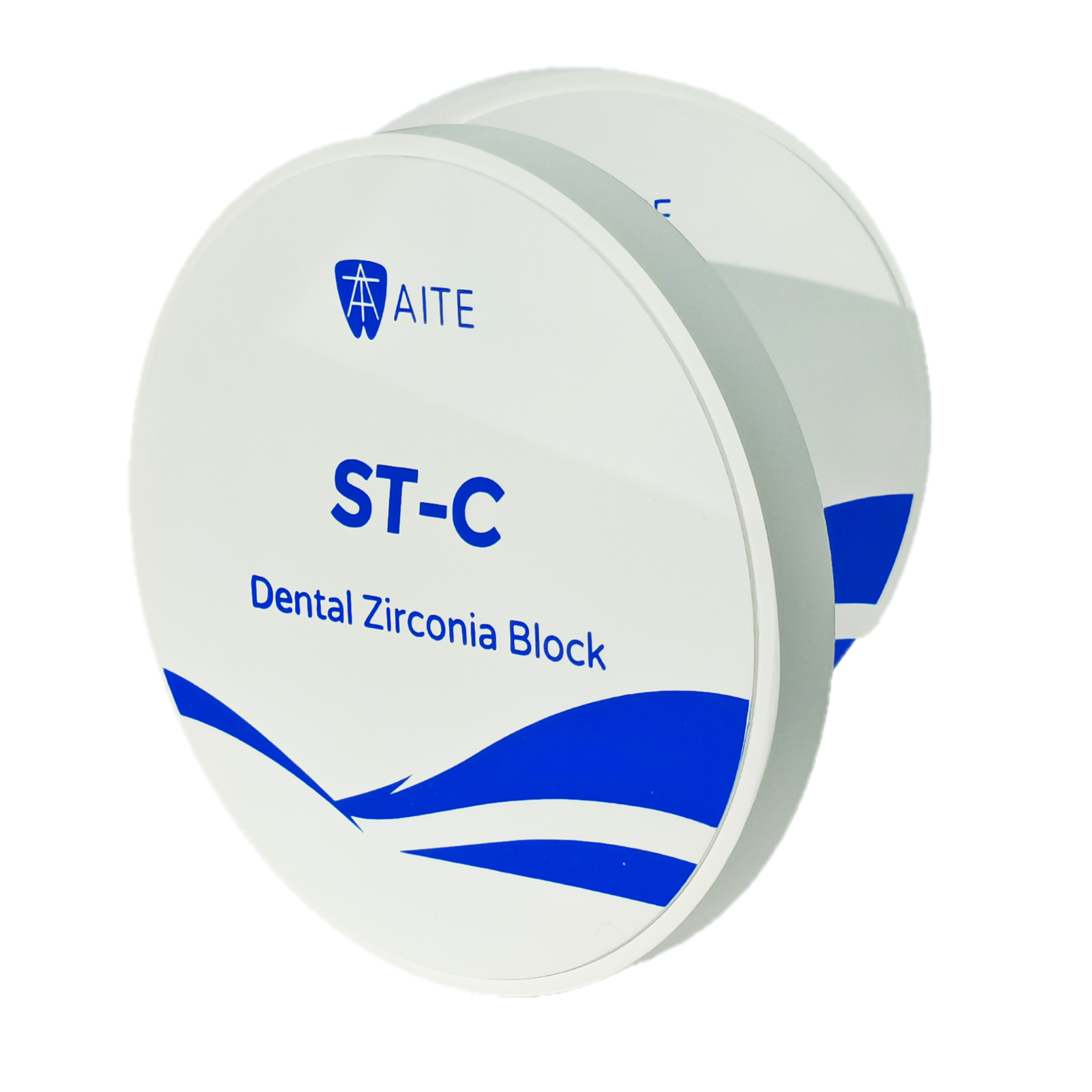
Dental zirconia discs have become a cornerstone of modern dental laboratory operations, transforming how professionals approach restoration fabrication. These precision-engineered components work seamlessly with CAD/CAM milling systems to deliver consistent results while significantly reducing production time. The integration of dental zirconia discs into routine workflows allows labs to handle higher case volumes without compromising quality, making them essential for competitive positioning in today's market.
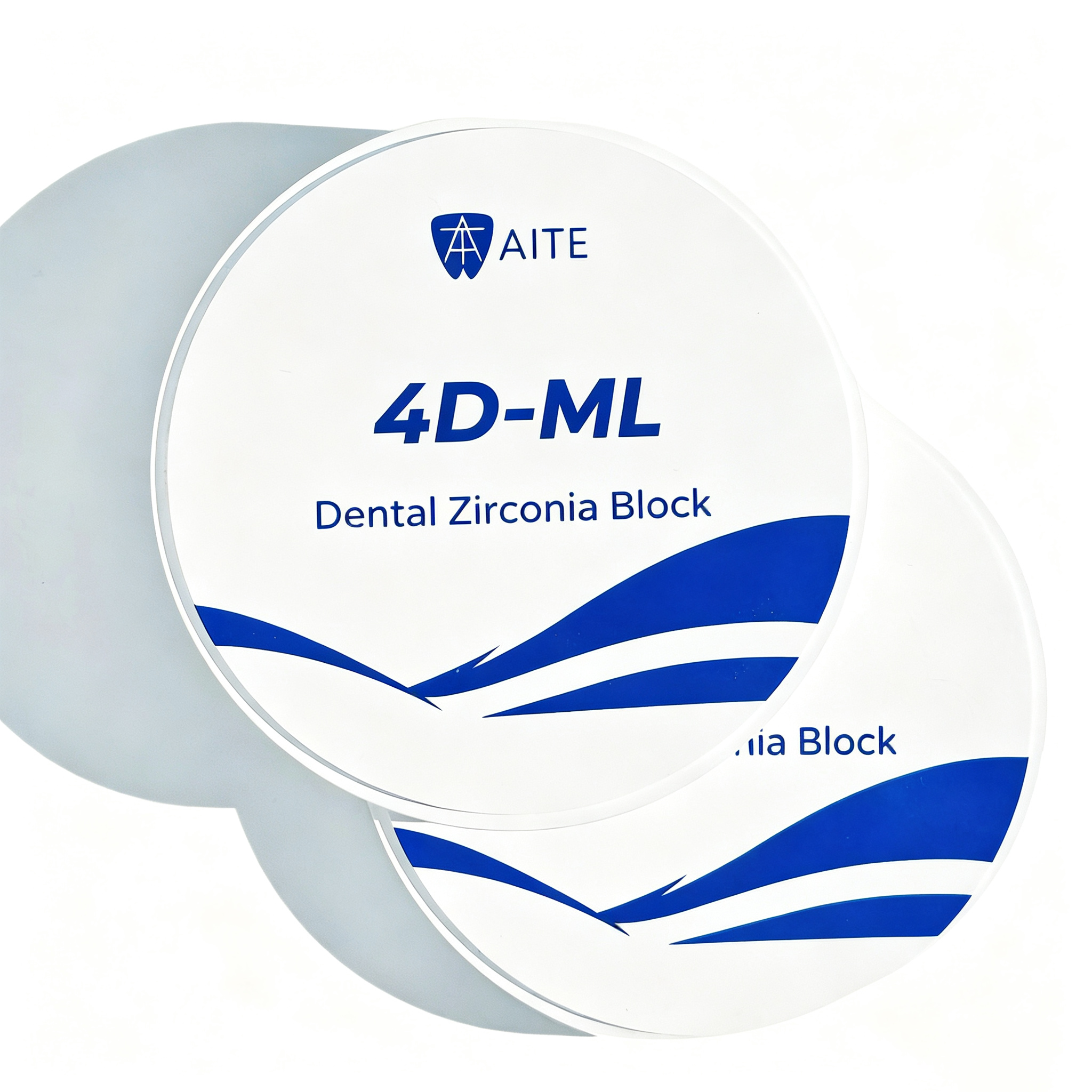
Understanding why dental zirconia discs have gained such rapid adoption requires examining both their technical properties and their tangible impact on laboratory economics. When dental zirconia discs are properly integrated into milling protocols, they eliminate many traditional bottlenecks that plagued earlier restoration methods. The efficiency gains from using dental zirconia discs extend beyond speed metrics to encompass material consistency, scrap reduction, and staff satisfaction across the entire production line.
Streamlining Milling Operations with Dental Zirconia Discs
Accelerating Production Cycles
Dental zirconia discs dramatically reduce milling time compared to conventional block milling approaches. The standardized geometry of dental zirconia discs allows CAD/CAM systems to optimize tool paths and cutting strategies, minimizing idle periods and tool changes during production. By utilizing dental zirconia discs, labs report completion times that are 30 to 40 percent faster than traditional methods, directly translating to higher throughput per shift and improved resource utilization across equipment assets.
Minimizing Material Waste
The precision engineering of dental zirconia discs ensures that each unit delivers maximum usable material with minimal waste byproducts. Dental zirconia discs are manufactured to exact dimensional specifications, eliminating inconsistencies that force technicians to rework or discard flawed blanks. This precision directly improves laboratory profitability because dental zirconia discs reduce scrap rates, lower raw material consumption per finished restoration, and decrease the frequency of equipment maintenance caused by debris accumulation.
Enhancing Restoration Quality Through Dental Zirconia Discs
Achieving Consistent Material Performance
Dental zirconia discs are manufactured under rigorous quality control protocols that ensure batch-to-batch consistency in density, porosity, and grain structure. This uniformity means that dental zirconia discs behave predictably during milling, grinding, and sintering phases, reducing defect rates and rework cycles. When technicians work with dental zirconia discs, they encounter stable cutting characteristics, predictable sintering shrinkage, and reliable final dimensions that support faster delivery schedules without sacrificing marginal fit or clinical performance.
Supporting Advanced Design Capabilities
Modern dental zirconia discs are engineered to accommodate increasingly complex geometries and customized restoration designs that dental zirconia discs enable through their superior milling characteristics. The strength and toughness of dental zirconia discs make them ideal for long-span bridge frameworks, implant abutments, and aesthetic applications where precision matters. Dental zirconia discs allow designers to push creative boundaries while maintaining milling feasibility, opening revenue opportunities through premium restoration categories that older materials could not support.
Optimizing Laboratory Economics with Dental Zirconia Discs
Calculating Return on Equipment Investment
Laboratories investing in CAD/CAM milling systems specifically configured for dental zirconia discs achieve faster payback periods than previous-generation technologies. The combination of increased milling speed, reduced setup complexity, and lower error rates makes dental zirconia discs the economic foundation for profitable digital lab operations. When dental zirconia discs reduce per-unit production cost by 15 to 20 percent while accelerating case turnaround, the cumulative financial impact justifies capital expenditures and supports sustainable growth in competitive markets.
Improving Staffing Efficiency and Satisfaction
Using dental zirconia discs simplifies technician workflows by reducing manual intervention, repetitive adjustments, and problem-solving during milling and finishing phases. Dental zirconia discs produce milled surfaces with superior edge quality and surface finish, decreasing time spent on manual refinement and polishing. When teams work with dental zirconia discs, they experience fewer equipment errors, shorter learning curves for new personnel, and measurably improved job satisfaction because dental zirconia discs make the technical work more predictable and rewarding.
FAQ
How do dental zirconia discs compare to monolithic zirconia blocks in terms of efficiency?
Dental zirconia discs offer standardized disc geometry optimized for rapid milling, while traditional monolithic blocks require greater setup precision and longer milling paths. Dental zirconia discs enable faster tool strategies and reduce material removal time, making them superior for high-volume operations. Both materials deliver excellent clinical results, but dental zirconia discs provide measurable efficiency advantages in laboratory settings prioritizing speed and consistency.
What thickness options are available for dental zirconia discs?
Dental zirconia discs come in multiple thickness profiles ranging from thin veneers to robust monolithic designs, allowing labs to select dental zirconia discs matched to specific restoration requirements. Standard thicknesses for dental zirconia discs are typically 0.5 mm to 3 mm, accommodating single crowns, bridges, and complex multi-unit restorations. Selecting appropriate thickness for dental zirconia discs optimizes milling efficiency and ensures final restorations meet clinical and esthetic standards.
Can dental zirconia discs be used with all CAD/CAM milling systems?
While dental zirconia discs are compatible with most modern milling units, equipment manufacturers provide specific recommendations regarding dental zirconia discs handling, spindle speeds, and tool compatibility. Before integrating dental zirconia discs into your workflow, verify that your system supports the disc format and material specifications. Consulting equipment documentation and manufacturers ensures that dental zirconia discs perform optimally and your milling system operates within safe parameters.