
 EN
EN
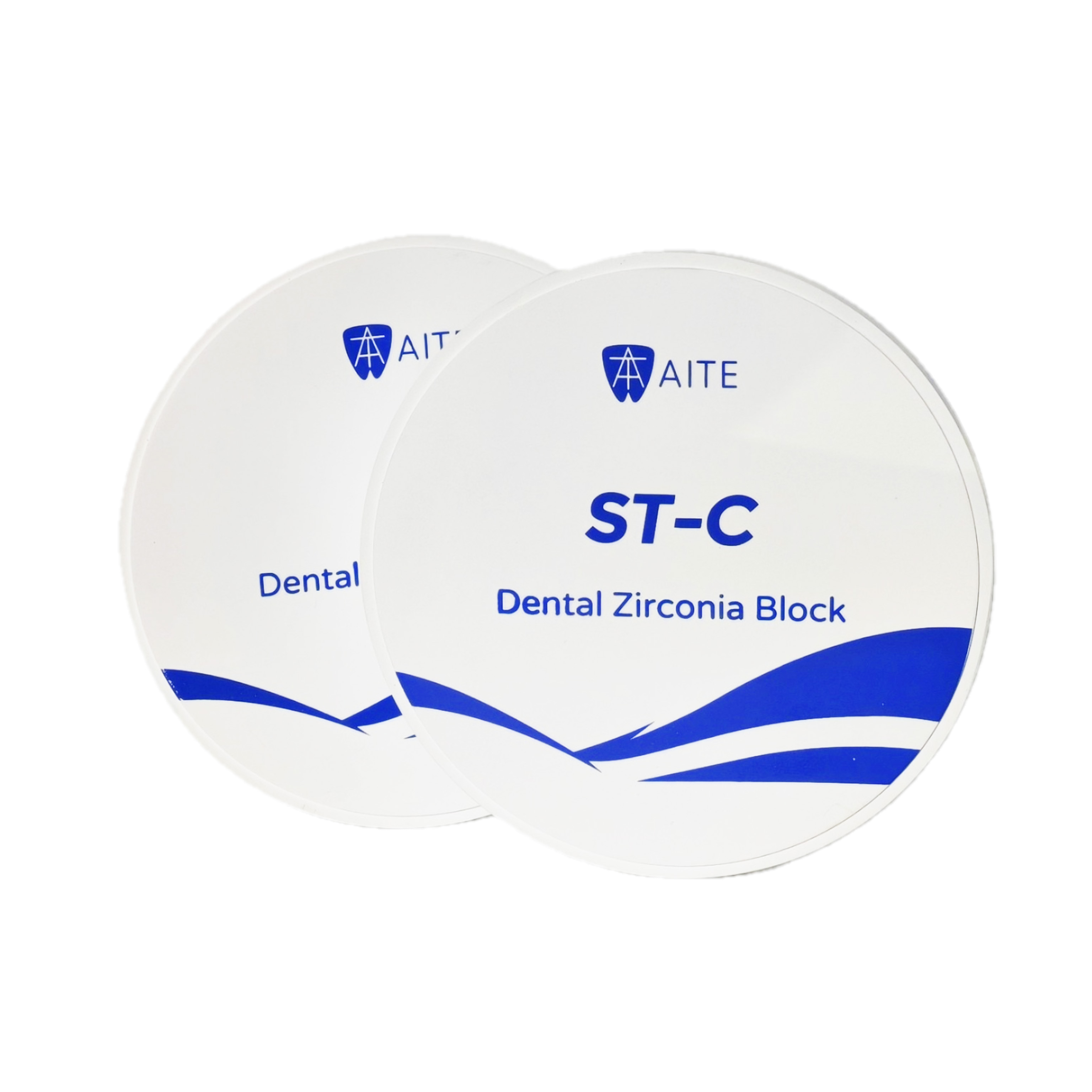
Dental zirconia discs represent a fundamental component in modern restorative dentistry, yet their manufacturing in multiple diameter options often puzzles both new practitioners and established dental technicians. The question of why dental zirconia discs come in diameters is rooted in practical milling requirements, material optimization, and the diverse anatomical needs of dental restorations. Understanding diameter specifications for dental zirconia discs is essential for achieving predictable clinical outcomes, reducing material waste, and maximizing the efficiency of CAD/CAM milling systems.
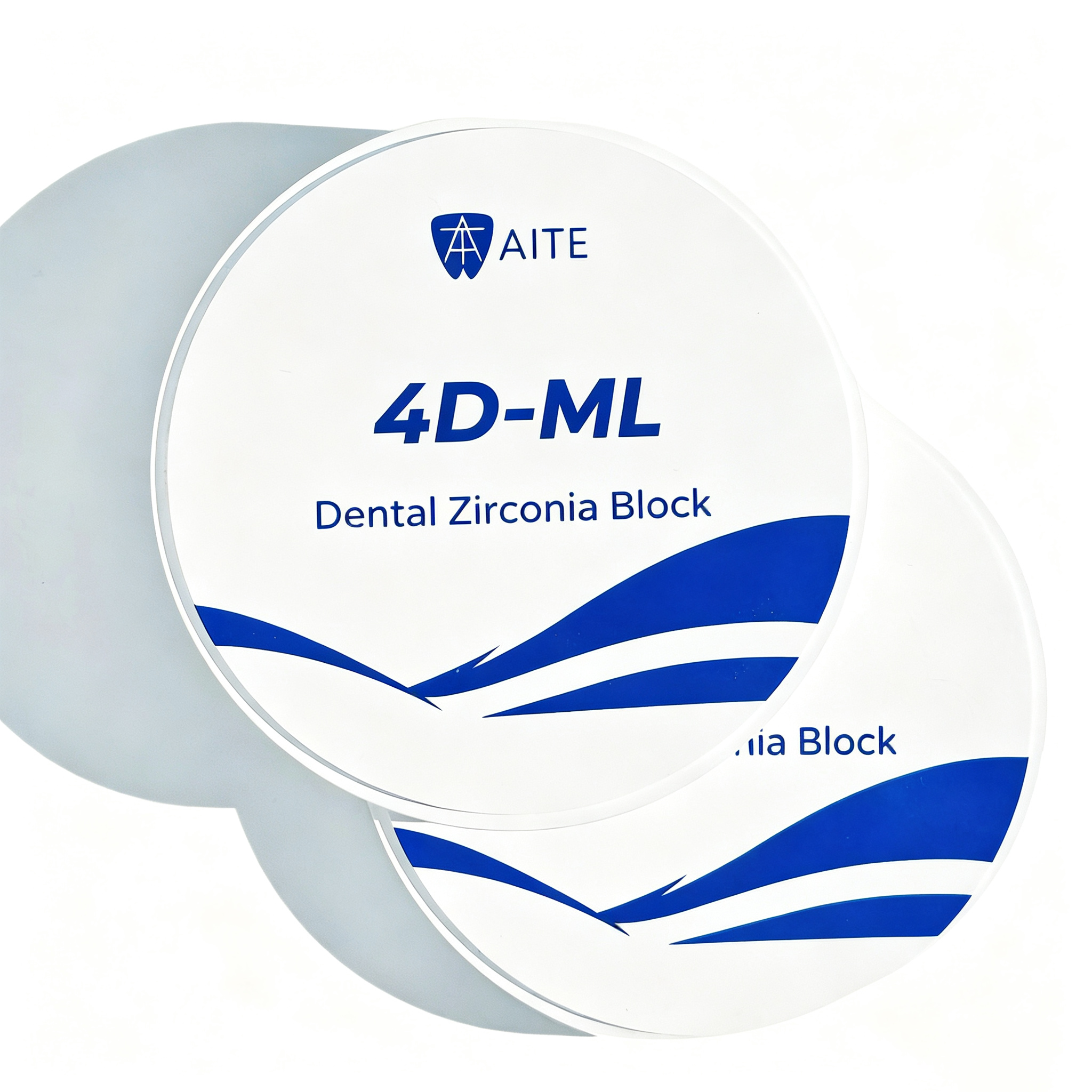
The availability of multiple diameters in dental zirconia discs directly correlates to the mechanical design of milling machines, the size parameters of individual restorations, and the strategic distribution of material strength across the milled unit. Each diameter size of dental zirconia discs serves specific clinical applications, from single-unit crowns to complex multi-tooth frameworks. This standardization in diameter specifications ensures that dental laboratories can stock materials efficiently while maintaining compatibility with their equipment.
Milling Machine Compatibility and Mechanical Design
Equipment Spindle and Holder Constraints
Milling machines used in dental labs require dental zirconia discs to fit securely within standardized spindle holders and retention systems. The diameter of dental zirconia discs must match the mechanical specifications of the milling unit's collet, chuck, or holder mechanism to ensure stable rotation and precise milling accuracy. Dental zirconia discs that are too large cannot fit into the spindle assembly, while dental zirconia discs that are too small create runout errors and vibration during milling, compromising restoration margins and surface accuracy.
Speed and Feed Rate Optimization
The rotational speed and feed rate of a milling machine are directly influenced by the diameter of dental zirconia discs being used. Smaller diameter dental zirconia discs can be rotated at higher speeds without generating excessive heat, while larger diameter dental zirconia discs require slower rotational speeds to prevent thermal stress and material degradation. This relationship between diameter and machine parameters means that dental zirconia discs must be engineered in specific diameter increments to match the performance envelope of standard milling equipment, ensuring that the material remains within safe thermal and mechanical operating ranges during the milling process.
Restoration Size and Clinical Application Requirements
Single-Unit Versus Multi-Unit Restorations
The anatomical dimensions of individual restorations determine which diameter of dental zirconia discs will be most efficient and economical. Single anterior teeth require significantly less material than posterior crowns or multi-unit bridge frameworks, making smaller diameter dental zirconia discs ideal for anterior restorations and reducing the amount of material that is lost as waste. Conversely, larger diameter dental zirconia discs are necessary when fabricating posterior crowns, implant-supported restorations, or bridge spans where a single dental zirconia discs must accommodate multiple teeth or larger anatomical footprints. The strategic choice of dental zirconia discs diameter prevents material waste, reduces production costs, and allows labs to optimize inventory management based on their typical case mix.
Anatomical Contour and Margin Definition
Different restorative situations demand different blank sizes within the repertoire of dental zirconia discs available. A small incisor crown requires only a modest amount of material around the milled anatomy, whereas a large molar crown or an implant abutment with complex internal anatomy demands substantially more surrounding material to maintain adequate wall thickness and structural integrity. Dental zirconia discs in carefully specified diameters allow milling machines to position the tooth geometry optimally within the blank, ensuring that adequate material surrounds critical areas like internal walls, occlusal surfaces, and implant connection zones. This dimensional relationship between dental zirconia discs diameter and restoration anatomy directly impacts the quality of margin definition and the longevity of the final restoration.
Material Strength Distribution and Clinical Longevity
Stress Concentration and Bulk Properties
Zirconia's crystalline structure requires that dental zirconia discs maintain minimum thicknesses in critical areas to preserve the transformation-toughening mechanism that gives zirconia its strength. When dental zirconia discs are too small for a given restoration, the milling process must thin the material excessively to achieve proper tooth contours, compromising the bulk properties that make zirconia clinically superior to other restorative materials. Conversely, when dental zirconia discs are larger than necessary, material is wasted and the restoration becomes unnecessarily bulky, potentially compromising aesthetics or requiring more reduction of adjacent tooth structure. Optimally sized dental zirconia discs ensure that the final restoration maintains uniform thickness in structural areas while achieving anatomical accuracy, balancing clinical performance with material efficiency.
Residual Stress and Sintering Uniformity
The manufacturing process of dental zirconia discs involves precise milling followed by high-temperature sintering, during which the material shrinks uniformly by approximately 20 percent. Dental zirconia discs that are properly sized for specific restoration types ensure that residual stresses from the milling process and the sintering transformation are distributed evenly throughout the final restoration. When dental zirconia discs diameters are mismatched to the restoration geometry, stress concentrations can develop during sintering, leading to distortion, warping, or microfractures that compromise the restoration's longevity. This is why dental zirconia discs are manufactured in incremental diameter sizes—each size targets a specific clinical niche where stress distribution and sintering behavior remain predictable and clinically reliable.
Practical Inventory and Economic Considerations
Laboratory Workflow Efficiency
Dental laboratories manage case flow and material inventory by stocking multiple diameters of dental zirconia discs, each aligned with common restoration types in their practice. A laboratory focused on anterior aesthetics may prioritize smaller diameter dental zirconia discs and rely less on larger blanks, whereas a lab specializing in implant prosthodontics stocks larger diameter dental zirconia discs for abutment and framework fabrication. The standardized diameter options for dental zirconia discs allow labs to purchase materials in quantities that match their case volume, reducing both excess inventory and material shortages that could delay case completion.
Cost Optimization and Material Waste Reduction
Using dental zirconia discs that are appropriately sized for each restoration type minimizes material waste and reduces the per-unit cost of fabrication. When a lab uses a diameter of dental zirconia discs that is too large for a given restoration, the excess material becomes scrap, increasing the true material cost and environmental impact of each case. When dental zirconia discs are too small, milling becomes impossible or results in inadequate thickness, forcing remilling or the use of alternative materials. The availability of multiple diameters in dental zirconia discs directly supports economic sustainability in dental laboratories by allowing technicians to match material size to clinical need, optimizing both cost and environmental responsibility. This practical consideration is a primary reason why dental zirconia discs are manufactured and distributed in standardized diameter increments across the industry.
FAQ
What are the most common diameters available for dental zirconia discs?
Dental zirconia discs typically range from 14 millimeters to 25 millimeters in diameter, with common sizes at 14mm, 16mm, 18mm, 20mm, and 25mm to accommodate everything from small anterior crowns to large posterior and implant restorations. The specific diameters offered by manufacturers are engineered to fit standard milling machine spindles while providing optimal material efficiency for the most prevalent restoration types. Selecting the correct diameter of dental zirconia discs for your specific case prevents waste and ensures optimal milling performance.
How do I choose the right diameter of dental zirconia discs for a specific restoration?
The diameter choice for dental zirconia discs should be based on the size and complexity of the restoration, the thickness requirements of the material, and the anatomical extent of the teeth being restored. For anterior single crowns, smaller diameter dental zirconia discs in the 14–16mm range are typically sufficient, while posterior molars or implant abutments often require 18–25mm diameter dental zirconia discs to accommodate greater anatomical dimensions and preserve adequate bulk strength. Consulting your milling machine manufacturer's guidelines and your dental zirconia discs supplier ensures you select a diameter that optimizes both clinical outcomes and material economy.
Can dental zirconia discs of different diameters affect the sintering outcome and final restoration fit?
Yes, the diameter of dental zirconia discs influences sintering behavior because larger and smaller blanks experience different heat distribution patterns during the high-temperature sintering process, which can affect shrinkage uniformity and final restoration accuracy. Dental zirconia discs are engineered and tested at specific diameters to ensure that sintering shrinkage, typically around 20 percent, occurs uniformly and predictably, resulting in restorations that seat accurately on prepared teeth or implants. Using dental zirconia discs diameters outside the manufacturer's recommended range can result in uneven shrinkage, distortion, or marginal fit problems that compromise restoration longevity.