
 EN
EN
Selecting the right dental zirconia blocks is one of the most critical decisions for modern dental practices and laboratories. Whether you're producing crowns, bridges, or implant abutments, the quality and characteristics of your dental zirconia blocks directly influence clinical outcomes, patient satisfaction, and operational costs. With numerous brands and formulations available in the market today, comparing dental zirconia blocks requires a systematic approach that goes beyond price alone. Understanding the key performance indicators, material properties, and brand-specific advantages will help you make an informed choice that aligns with your clinical goals and production capabilities.
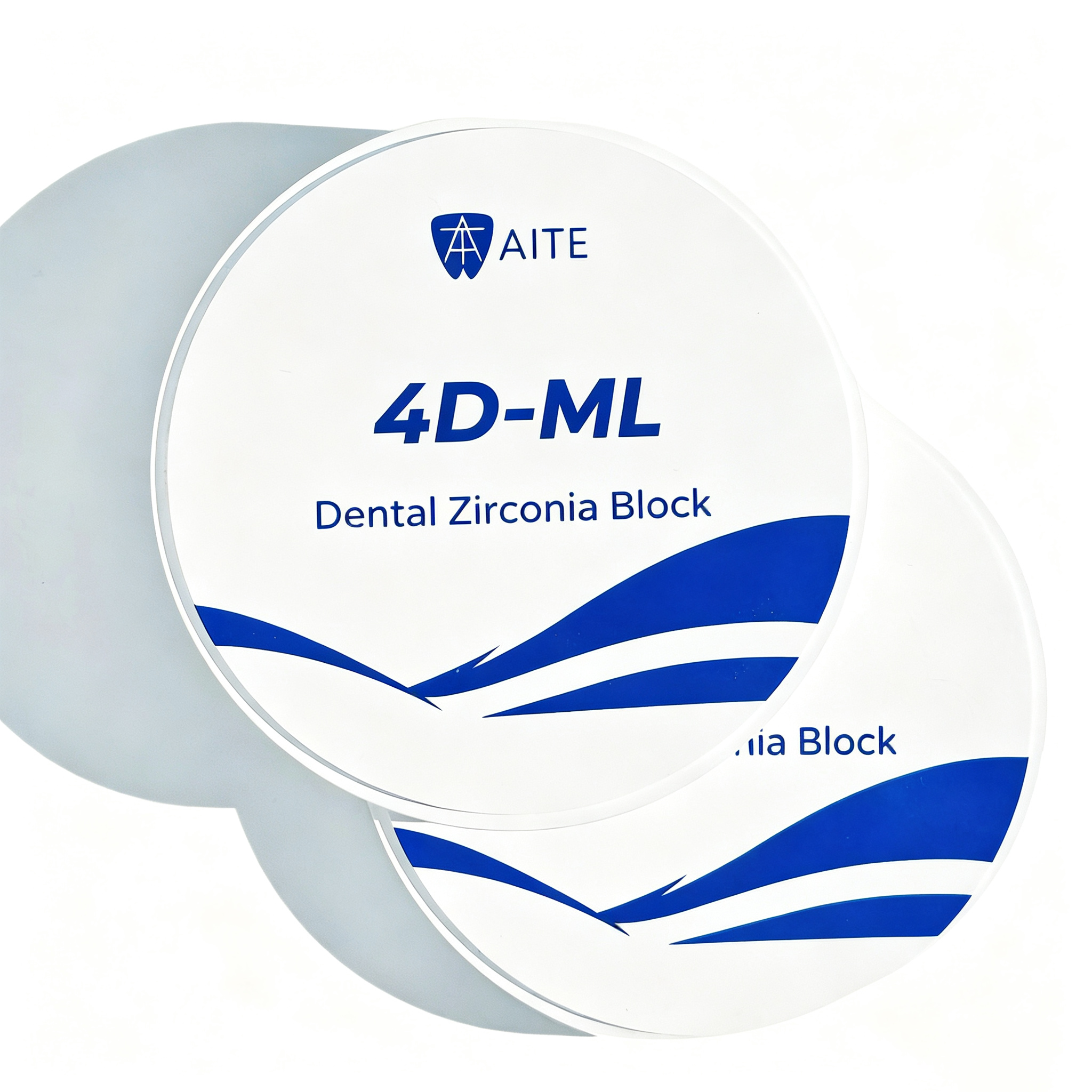
The landscape of dental zirconia blocks has evolved significantly over the past decade, with advances in sintering technology, composition, and manufacturing precision. When you compare dental zirconia blocks from different suppliers, you'll notice variations in crystal structure, density, shade consistency, and aesthetic properties. This guide explores the essential factors you should evaluate when comparing dental zirconia blocks, ensuring your selection enhances both clinical performance and laboratory efficiency.
Understanding Core Performance Metrics for Dental Zirconia Blocks
Flexural Strength and Durability Considerations
Flexural strength is a fundamental property to examine when you compare dental zirconia blocks. This metric measures how much stress a material can withstand before fracturing, which directly correlates to the longevity of restorations. Most dental zirconia blocks today range from 800 to 1200 megapascals in flexural strength, though high-translucency formulations may be slightly lower. When comparing dental zirconia blocks, requesting technical data sheets from manufacturers allows you to verify exact strength values for each product line. Blocks with consistent, high flexural strength reduce the risk of chipping or fracture during milling, sintering, and clinical function, ultimately reducing remakes and improving patient outcomes.
Sintering Shrinkage and Dimensional Accuracy
Sintering shrinkage is another critical factor to consider when you compare dental zirconia blocks. As pre-sintered dental zirconia blocks are heated during the sintering process, they contract uniformly—typically around 20 to 25 percent. However, the consistency of this shrinkage varies between brands and affects the final dimensions and fit of your restorations. When comparing dental zirconia blocks, you should verify whether each brand provides reliable, predictable shrinkage rates, as inconsistent shrinkage can lead to poor marginal fit and require additional adjustment time. Manufacturers that maintain tight quality control in their dental zirconia blocks production ensure uniform shrinkage, reducing the need for manual finishing and improving laboratory productivity.
Aesthetic and Translucency Properties of Dental Zirconia Blocks
Shade Stability and Color Matching Accuracy
One of the most visible differences when you compare dental zirconia blocks lies in shade stability and color consistency. Dental zirconia blocks are available in various opacity levels, from full opaque to high-translucency formulations designed to mimic natural tooth structure. Shade fading or shifting after sintering can be problematic, as it complicates shade matching and requires staining adjustments. When comparing dental zirconia blocks, examine manufacturer samples sintered under standard conditions to assess actual color outcomes. Some dental zirconia blocks brands offer shade verification systems or digital shade libraries, which can streamline your shade selection process and ensure consistent, predictable esthetic results across multiple cases.
Translucency Grades and Light Transmission
Translucency is increasingly important for achieving natural-looking anterior restorations, and different dental zirconia blocks brands offer distinct translucency profiles. High-translucency dental zirconia blocks allow more light penetration, creating a more lifelike appearance that closely mimics tooth structure, while standard-opacity dental zirconia blocks offer better masking of underlying discoloration. As you compare dental zirconia blocks, consider your typical case load and the anatomical locations you most often restore. If your practice focuses on anterior esthetics, investing in high-quality high-translucency dental zirconia blocks may provide superior clinical results. However, for posterior restorations where opaqueness is less critical, standard dental zirconia blocks can be equally effective and more cost-efficient.
Cost Analysis and Long-Term Value When Selecting Dental Zirconia Blocks
Price Comparison and Production Efficiency
While comparing dental zirconia blocks, cost per block is an obvious consideration, but true value extends beyond the initial purchase price. Some dental zirconia blocks brands command premium prices due to superior milling performance, reduced chipping during cutting, and lower remake rates. When you compare dental zirconia blocks for cost-effectiveness, factor in material waste, tool wear, and labor time associated with finishing and adjustment. Premium dental zirconia blocks that mill cleanly and sinter with minimal distortion can offset higher upfront costs through improved efficiency. Additionally, evaluating the frequency of remakes and adjustments across different dental zirconia blocks brands helps determine the actual cost per successful restoration, not just the cost per block.
Supply Chain Reliability and Consistency
When you compare dental zirconia blocks, supply chain stability and batch-to-batch consistency should influence your decision significantly. Reliable suppliers of dental zirconia blocks maintain strict quality standards and deliver consistent material properties, reducing unpredictable clinical failures and allowing you to streamline your workflow. Establishing a relationship with a trusted dental zirconia blocks manufacturer ensures access to technical support, educational resources, and new product developments. Before committing to a new dental zirconia blocks brand, request sample blocks and conduct your own milling and sintering tests to verify performance consistency. This diligent evaluation protects your reputation and investment, ensuring that your chosen dental zirconia blocks meet your exacting standards case after case.
Clinical Application Suitability and Use Cases
Indications for Different Dental Zirconia Blocks Formulations
Different types of dental zirconia blocks serve different clinical purposes, and when you compare dental zirconia blocks, matching the material to the clinical indication is essential. High-strength dental zirconia blocks are ideal for long-span bridges and posterior crowns where occlusal stress is substantial. Aesthetic high-translucency dental zirconia blocks excel in anterior zones where natural light transmission and esthetic integration are paramount. Implant-specific dental zirconia blocks are engineered to integrate seamlessly as implant abutments, offering superior biocompatibility and longevity. As you compare dental zirconia blocks for your practice, categorize your most common restoration types and select blocks optimized for those applications. This strategic approach maximizes clinical success rates and ensures you're using the most appropriate material for each clinical scenario.
Biocompatibility and Tissue Response
Biocompatibility is a non-negotiable aspect when comparing dental zirconia blocks for implant and subgingival applications. While all dental zirconia blocks approved for clinical use meet international biocompatibility standards, subtle differences in surface finish, porosity, and contaminant levels can affect soft tissue response. When you compare dental zirconia blocks from different manufacturers, verify their biocompatibility certifications and request information about surface treatment protocols. Some dental zirconia blocks are produced with specialized surface finishing that reduces plaque accumulation and promotes healthier tissue integration around implant abutments. Prioritizing biocompatibility alongside esthetic and strength properties ensures your dental zirconia blocks selections protect both short-term clinical success and long-term patient health.
FAQ
What is the primary difference between dental zirconia blocks brands?
The primary differences between dental zirconia blocks brands lie in crystal structure, manufacturing processes, and sintering profiles. Each dental zirconia blocks manufacturer optimizes their composition for specific clinical applications, resulting in variations in flexural strength, translucency, shade stability, and milling characteristics. When evaluating dental zirconia blocks, request technical specifications and sample blocks to compare performance directly in your laboratory environment.
How do I know if dental zirconia blocks are compatible with my milling equipment?
Compatibility between dental zirconia blocks and milling equipment depends on block size, density classification, and pre-sintered hardness. Before purchasing dental zirconia blocks, verify that the blocks match your milling unit's specifications regarding block diameter, height, and density. Contact the dental zirconia blocks manufacturer and your equipment provider to confirm compatibility, and request sample dental zirconia blocks to test milling performance on your specific machine.
What testing should I conduct before committing to new dental zirconia blocks?
Before committing to new dental zirconia blocks, conduct milling trials to assess cutting quality, chip formation, and tool wear. Sinter test blocks under your standard conditions to evaluate sintering behavior, final dimensions, shade accuracy, and surface finish. Additionally, fabricate sample restorations and monitor clinical performance over several cases to ensure the dental zirconia blocks meet your esthetic, functional, and durability expectations before fully integrating them into your standard workflow.