
 EN
EN
Standardizing on dental zirconia blocks has become a strategic imperative for modern dental laboratories seeking operational excellence and consistent clinical outcomes. The shift toward uniformity in material selection, manufacturer sourcing, and processing protocols represents far more than a procedural preference—it fundamentally transforms how laboratories manage inventory, train personnel, and deliver restorations. When dental practices and laboratories commit to a single standard for dental zirconia blocks, they unlock measurable advantages in precision, reproducibility, and cost efficiency that directly impact their competitive position in an increasingly demanding market.
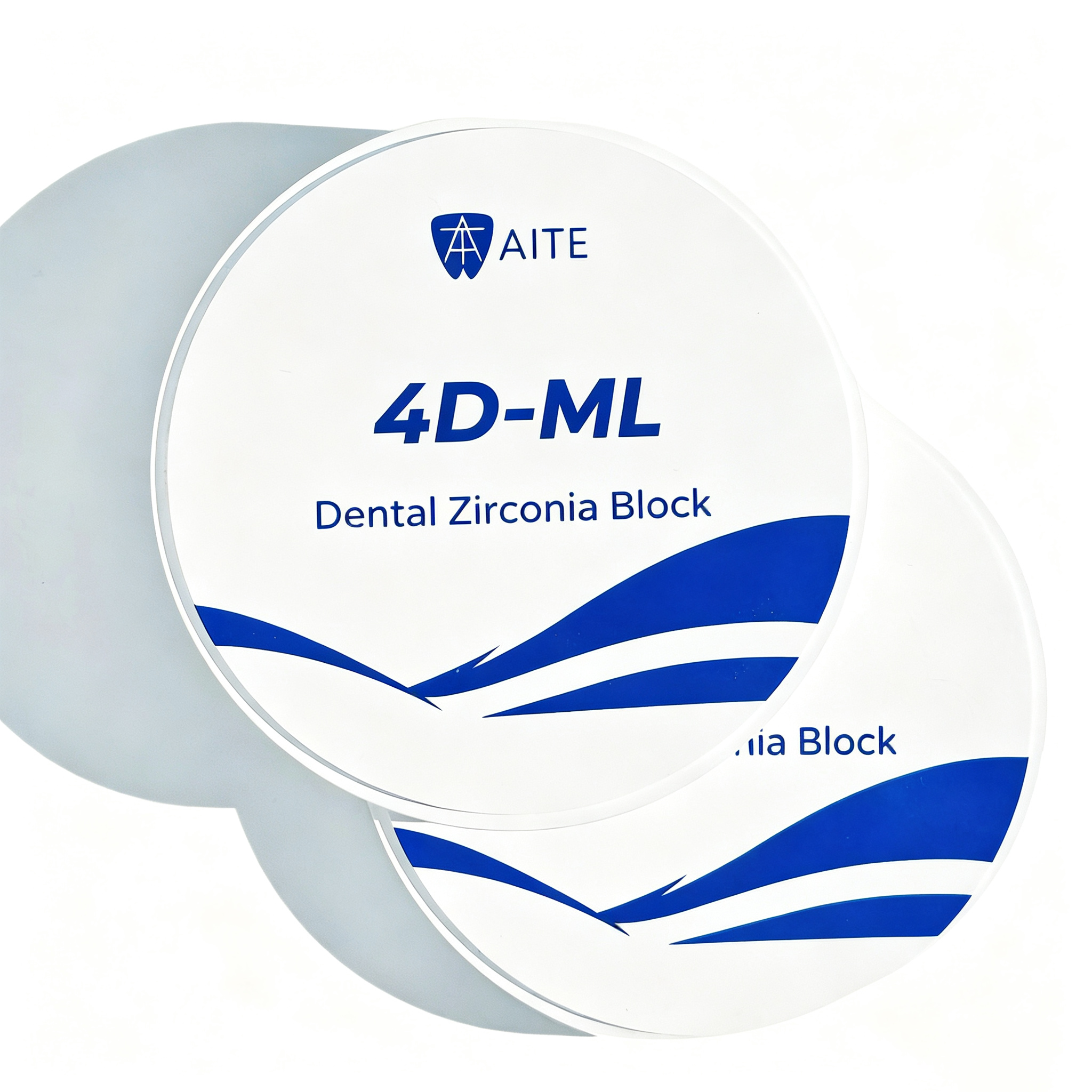
The dental industry has witnessed rapid evolution in milling technologies and material formulations, yet many laboratories still operate with fragmented inventories of multiple zirconia brands and compositions. This fragmentation creates hidden operational friction: inconsistent milling parameters, variable sintering outcomes, staff confusion during setup phases, and unpredictable material behavior under clinical stress. Dental zirconia blocks manufactured to a consistent standard eliminate these variables, enabling laboratories to develop optimized workflows, achieve reliable mechanical properties, and reduce waste from processing errors or material incompatibility.
Operational Efficiency Through Standardized Dental Zirconia Blocks
Simplified Inventory and Supply Chain Management
When laboratories standardize on a single supplier or narrow product line of dental zirconia blocks, inventory management becomes dramatically more predictable. Staff members know exactly which materials are in stock, how long restorations take to mill and sinter, and what shelf-life expectations apply. Standardized dental zirconia blocks reduce the cognitive load on technicians, eliminate confusion about material swaps, and allow purchasing teams to negotiate better volume discounts and delivery schedules. The supply chain becomes leaner, storage space requirements decrease, and the risk of using expired or degraded materials diminishes significantly. This operational clarity cascades through the entire laboratory, from scheduling to quality assurance.
Streamlined Training and Skill Development
Training new technicians becomes substantially faster and more effective when the laboratory operates with standardized dental zirconia blocks. Instead of teaching multiple material behaviors, milling strategies, and sintering protocols, trainers can focus on mastering one proven system. Technicians develop deeper expertise with a specific zirconia formulation, understand its nuances, and become more adept at diagnosing and troubleshooting issues. Standardized dental zirconia blocks create a knowledge base that accumulates over time, allowing experienced staff to mentor newcomers using consistent reference points and proven best practices. This concentrated expertise leads to fewer defects, faster production cycles, and higher staff confidence in the final restoration quality.
Clinical and Material Performance Benefits
Predictable Mechanical Properties and Longevity
Dental zirconia blocks that meet a consistent specification deliver predictable mechanical properties across every restoration produced. When laboratories work exclusively with standardized dental zirconia blocks from the same supplier or formulation family, they can rely on uniform flexural strength, fracture toughness, and color stability. This consistency translates directly to improved clinical outcomes: fewer marginal failures, reduced chipping or delamination, and longer restoration lifespan. Dentists and patients alike benefit from the reliability that comes with materials processed through proven, optimized protocols. Standardized dental zirconia blocks eliminate the unpredictability that arises from mixing materials with subtly different compositions, manufacturing tolerances, or sintering characteristics.
Enhanced Color Consistency and Shade Accuracy
Color stability and shade matching represent critical factors in restoration acceptance, particularly for anterior cases and high-visibility applications. Dental zirconia blocks manufactured to consistent specifications maintain uniform color profiles before and after sintering. When laboratories standardize their material selection, they develop reliable shade prediction algorithms and milling parameter sets that yield predictable final colors. This consistency allows technicians to match adjacent natural teeth more accurately and helps manage patient expectations. Standardized dental zirconia blocks reduce the variability in shade outcomes that can arise from material inconsistency, milling depth variations, or sintering parameter drift, creating restorations that meet aesthetic demands reliably and efficiently.
Cost Optimization and Waste Reduction
Minimized Material Waste and Processing Losses
When dental zirconia blocks come from a standardized source, laboratories develop precision milling strategies tailored to that specific material's properties and grain structure. This optimization reduces scrap rates and minimizes waste from failed sintering or milling errors. Standardized dental zirconia blocks allow technicians to refine their understanding of cutting speeds, feed rates, and finishing techniques, resulting in fewer defective restorations and lower per-unit material cost. The reduced error rate inherent in working with familiar, predictable dental zirconia blocks translates directly to higher yield rates and better utilization of material resources. Over a year of operation, the cumulative savings from reduced waste and rework can represent a substantial percentage of the laboratory's material budget.
Predictable Cost Structure and Pricing Strategy
Standardizing on dental zirconia blocks from a committed supplier enables laboratories to forecast costs more accurately and build stable pricing models. When material specifications, supplier relationships, and processing efficiency are locked in, laboratories can calculate per-restoration costs with greater precision and adjust pricing strategy with confidence. Standardized dental zirconia blocks often come with volume pricing opportunities that reduce unit costs compared to purchasing multiple brands in smaller quantities. This cost predictability allows laboratories to maintain healthy margins, invest in equipment upgrades, or pass savings to referring dentists, strengthening competitive positioning and customer relationships.
FAQ
What are the primary technical advantages of committing to standardized dental zirconia blocks?
Standardized dental zirconia blocks deliver uniform mechanical properties, predictable sintering behavior, consistent color profiles, and optimized milling parameters. Laboratories gain the ability to fine-tune their processes around a single material formulation, resulting in fewer defects, faster production, and higher clinical reliability. This consistency also allows technicians to develop expertise with one material system rather than managing multiple formulations with different handling requirements and outcome profiles.
How do standardized dental zirconia blocks impact laboratory profitability?
Dental zirconia blocks selected as a standard material reduce scrap rates, minimize rework, enable volume pricing from suppliers, streamline staff training, and improve production efficiency. These operational improvements translate directly to lower per-restoration costs, higher yield rates, and more predictable pricing models. Over time, the cumulative effect of reduced waste and optimized workflows generates measurable profit margin expansion and improved return on equipment investment.
Can laboratories transition to standardized dental zirconia blocks without disrupting current operations?
Yes, transition to standardized dental zirconia blocks can be managed through a planned phase-in approach. Laboratories typically run parallel testing, optimize milling and sintering parameters with the new material, train technicians on any workflow changes, and then gradually shift case volume to the standardized dental zirconia blocks once confidence is established. This methodical approach minimizes clinical risk, allows staff to build competence incrementally, and ensures the transition enhances rather than disrupts service delivery.