
 EN
EN
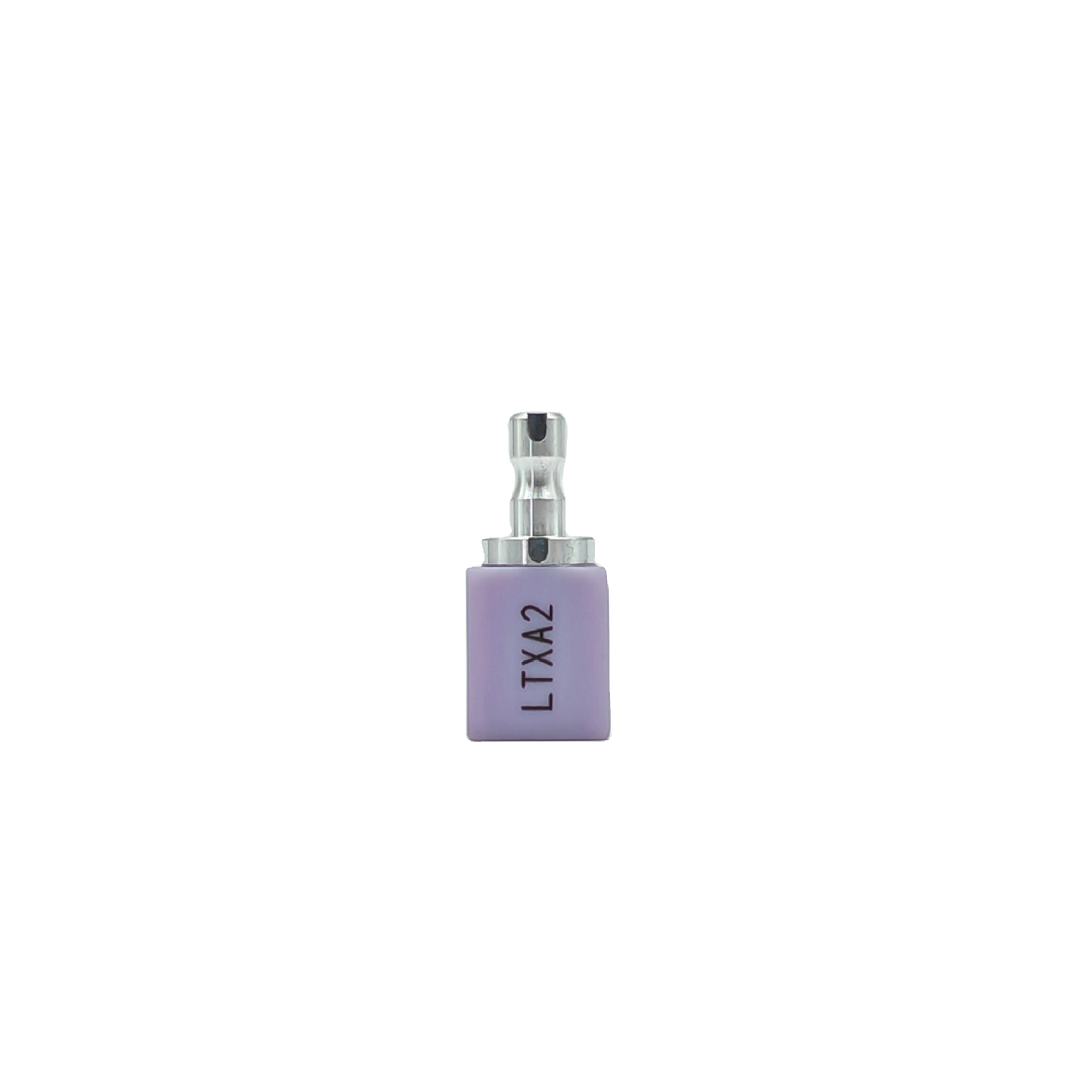
Understanding the shade range available in dental zirconia blocks is essential for clinicians seeking to deliver aesthetically pleasing restorations. Dental zirconia blocks represent a critical component in modern restorative dentistry, offering superior strength and biocompatibility. The variety of shades available in dental zirconia blocks allows practitioners to match natural tooth color with remarkable precision, ensuring seamless integration with existing dentition.
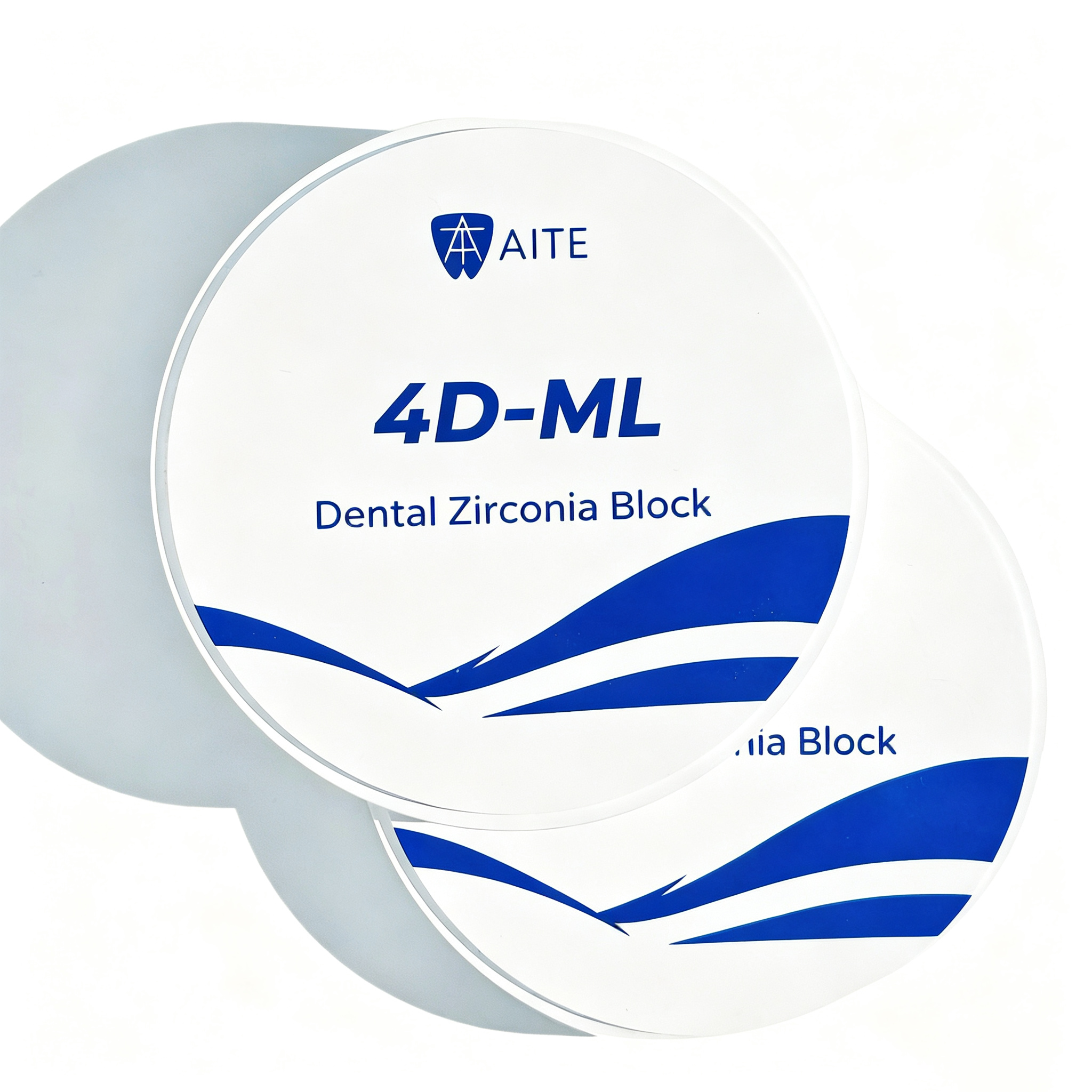
The development of multiple shade options in dental zirconia blocks reflects the industry's commitment to achieving natural-looking restorations. Modern dental zirconia blocks come in carefully calibrated shades that correspond to established tooth shade guides. This advancement has transformed clinical practice by enabling dentists to select dental zirconia blocks that closely replicate the target tooth's appearance before milling, reducing adjustment time and improving final outcomes.
Standard Shade Classifications in Dental Zirconia Blocks
Natural and Bleached Shade Categories
Dental zirconia blocks are typically organized into distinct shade families that mimic natural tooth coloration. The natural shade range in dental zirconia blocks encompasses warm, golden, and neutral undertones commonly found in healthy natural teeth. Bleached shades in dental zirconia blocks represent lighter, more translucent variants designed for patients who desire a brighter appearance or have undergone tooth whitening treatments. These dental zirconia blocks in bleached categories often feature reduced opacity compared to their natural counterparts, allowing more light transmission while maintaining structural integrity.
High Translucency and Ultra-High Translucency Options
Advanced formulations of dental zirconia blocks now include high translucency and ultra-high translucency variants. These specialized dental zirconia blocks transmit significantly more light than traditional formulations, creating restorations with enhanced optical properties that mimic natural enamel behavior. The increased translucency in dental zirconia blocks comes from refined grain structure and optimized yttria stabilization, which reduces light scattering while maintaining the material's renowned fracture resistance and durability.
Clinical Shade Selection for Dental Zirconia Blocks
Matching Patient Anatomy and Expectations
Selecting the appropriate shade from available dental zirconia blocks requires careful assessment of the patient's natural tooth color, skin tone, and aesthetic goals. Clinicians should compare dental zirconia blocks samples under standardized lighting conditions, ideally using multiple light sources to evaluate how the shade performs under different environmental conditions. The shade selection process for dental zirconia blocks is enhanced when practitioners use digital shade matching technology in combination with traditional shade guides. This combined approach ensures that chosen dental zirconia blocks align with patient expectations and clinical requirements.
Adjustments After Milling
Even with precise shade selection of dental zirconia blocks, minimal post-milling adjustments are often necessary. External staining techniques can be applied to dental zirconia blocks surfaces to fine-tune the final appearance. Some dental zirconia blocks manufacturers provide specialized stain kits that bond to the milled surface, allowing clinicians to deepen certain areas or adjust the overall tone. Understanding the limitations and possibilities of customizing dental zirconia blocks after milling helps practitioners make informed shade selection decisions before the milling process begins.
Factors Influencing Shade Perception in Dental Zirconia Blocks
Material Opacity and Light Transmission
The opacity of dental zirconia blocks directly influences how shade appears in the finished restoration. Traditional dental zirconia blocks formulations tend toward higher opacity, which provides excellent strength but may appear less naturalistic in thinner sections. Modern dental zirconia blocks with enhanced translucency allow light to penetrate and reflect similarly to natural teeth, creating more lifelike restorations. The relationship between opacity and shade selection means that dental zirconia blocks with different translucency levels may require different shade selections to achieve identical clinical appearances.
Restoration Thickness and Context
The thickness of the final restoration significantly impacts how shade appears in dental zirconia blocks restorations. Thin veneers milled from dental zirconia blocks will display the underlying tooth color more prominently than crowns, requiring dental zirconia blocks shade selection that accounts for this influence. Conversely, full-contour restorations from dental zirconia blocks can achieve their intended shade more directly without significant color show-through. Clinicians selecting dental zirconia blocks must consider the restoration type, thickness parameters, and preparation geometry when finalizing shade choices.
Surface Texture and Glazing Effects
The surface finish applied to dental zirconia blocks restorations influences final shade perception. Polished surfaces on dental zirconia blocks produce different light reflection patterns than matte or textured finishes. Glazing procedures performed on dental zirconia blocks can enhance translucency and refine shade characteristics, making the restoration appear more natural. Advanced surface treatments available for dental zirconia blocks allow practitioners to manipulate the optical properties of the final restoration, adding another dimension to shade management and aesthetic refinement.
Color Stability and Longevity of Dental Zirconia Blocks
Resistance to Discoloration
One significant advantage of dental zirconia blocks is their excellent resistance to discoloration and staining over time. Unlike some restorative materials, dental zirconia blocks maintain their shade integrity through years of clinical service. The crystalline structure of dental zirconia blocks prevents absorption of external chromogens, ensuring that restorations remain colorfast. This durability makes dental zirconia blocks an excellent choice for patients who prioritize long-term aesthetic stability in their restorations.
Shade Predictability Across Manufacturers
Standardization of shade selection in dental zirconia blocks has improved significantly, though variation between manufacturers remains possible. Different dental zirconia blocks producers may calibrate their shades using slightly different methodologies, resulting in subtle differences in the same nominal shade designation. Clinicians working regularly with specific dental zirconia blocks suppliers develop familiarity with their shade characteristics and can compensate for manufacturer-specific variations. Understanding these nuances helps practitioners achieve more consistent results when selecting dental zirconia blocks for their restorative cases.
FAQ
How many shade options are typically available in dental zirconia blocks?
Most manufacturers of dental zirconia blocks offer between 12 and 20 distinct shade options, with additional subdivisions for different translucency levels. Some premium dental zirconia blocks lines may include 30 or more shade variants. The exact number depends on the manufacturer's shade guide system and their commitment to aesthetic refinement. This extensive range ensures that dental zirconia blocks can match virtually any natural tooth shade a clinician encounters in clinical practice.
Can dental zirconia blocks shades be custom ordered or modified?
Most dental laboratories work with standard dental zirconia blocks shade options from their suppliers rather than custom formulating shades. However, clinicians can stain and characterize dental zirconia blocks restorations after milling to achieve custom shade refinements. External staining techniques applied to dental zirconia blocks allow shade adjustments within reasonable parameters. For highly unusual shade requirements, clinicians should communicate with their laboratory to discuss feasibility and any additional costs associated with customizing dental zirconia blocks aesthetically.
Does the shade of dental zirconia blocks affect restoration strength?
The shade variations in dental zirconia blocks do not significantly impact mechanical strength properties. Different shades typically result from differences in pigment concentration or translucency levels rather than changes to the core material composition. All dental zirconia blocks maintain exceptional fracture resistance and durability regardless of shade selection. Therefore, clinicians can prioritize aesthetic objectives when selecting from available dental zirconia blocks shades without compromising clinical longevity or structural integrity.