
 EN
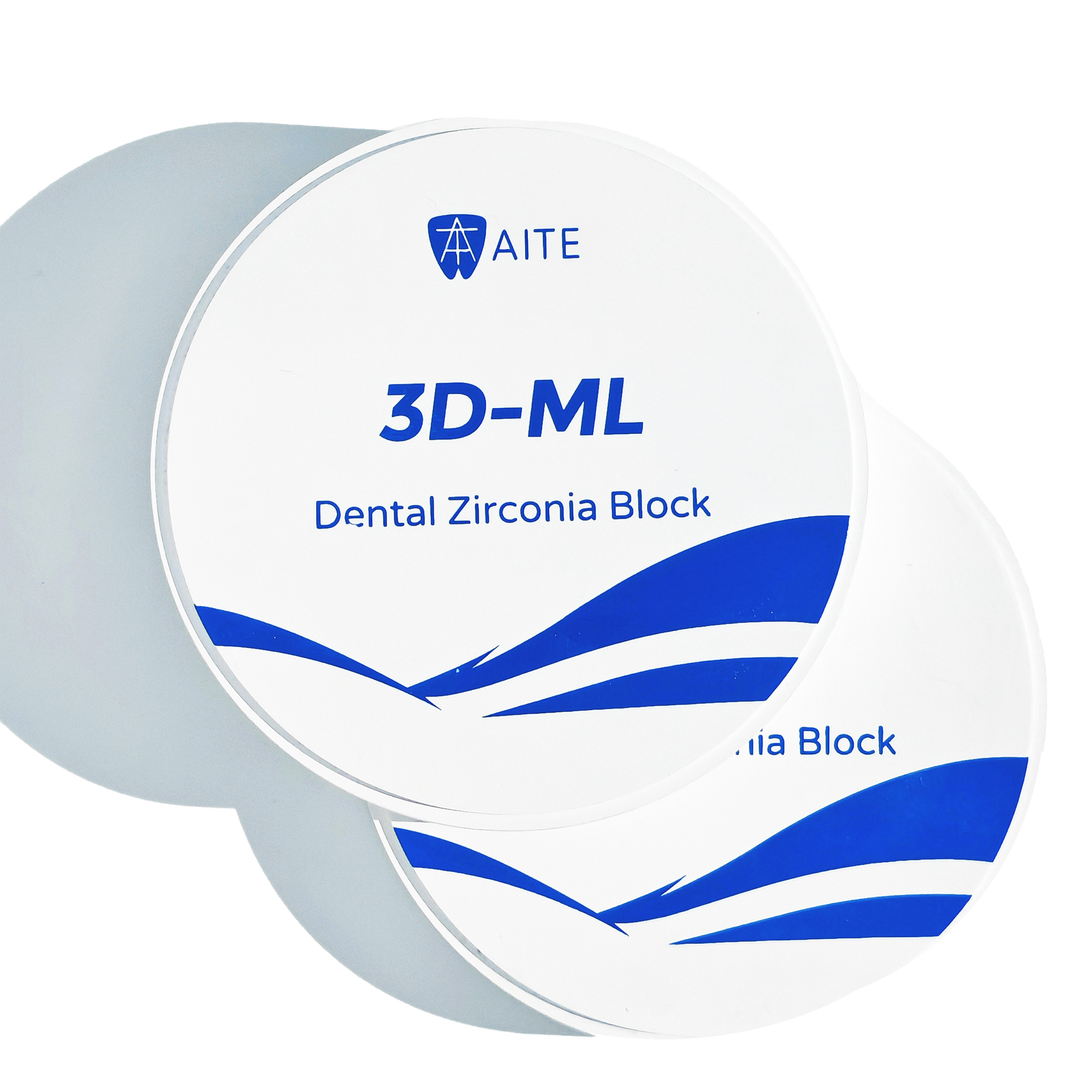
Selecting the right Glass-Ceramic Discs for your dental crowns and veneers is one of the most critical decisions in your restoration workflow. Glass-Ceramic Discs represent a significant evolution in dental material science, offering superior aesthetics and strength compared to traditional ceramic options. Whether you are a prosthodontist, restorative dentist, or laboratory technician, understanding how to evaluate and choose Glass-Ceramic Discs will directly impact your clinical outcomes, patient satisfaction, and practice efficiency.
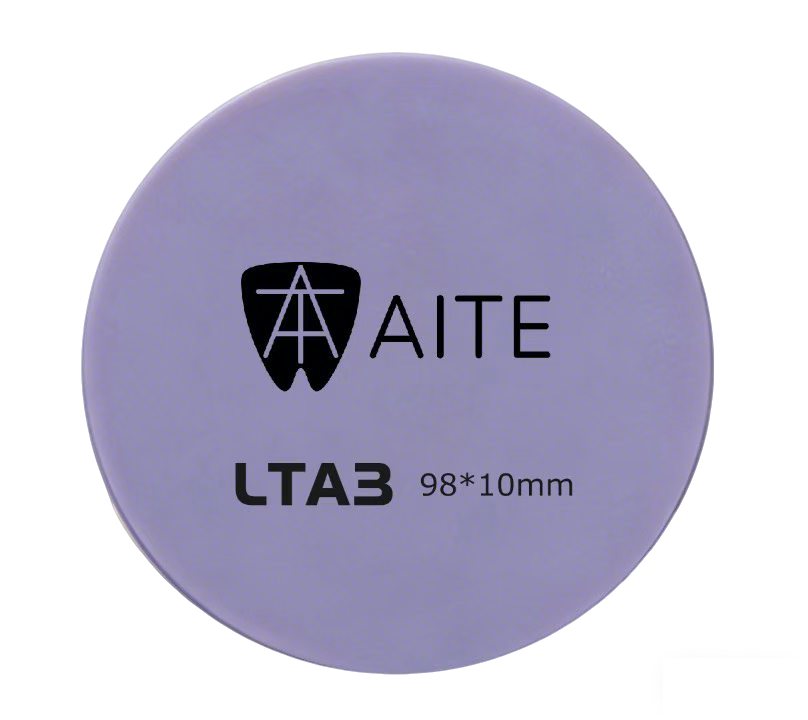
The market offers numerous options for Glass-Ceramic Discs, each with distinct material properties, handling characteristics, and clinical applications. Making an informed choice requires evaluating translucency levels, strength ratings, processing compatibility, and your specific case requirements. This comprehensive guide will walk you through the essential factors that distinguish premium Glass-Ceramic Discs from standard alternatives and help you build a selection framework aligned with your practice's clinical goals and patient demographics.
Understanding Glass-Ceramic Disc Material Properties
Composition and Crystalline Structure
Glass-Ceramic Discs are engineered materials combining glass and ceramic phases in precise ratios to deliver optimal balance between strength and translucency. The crystalline structure of Glass-Ceramic Discs directly determines their mechanical properties and aesthetic characteristics. Lithium disilicate-based Glass-Ceramic Discs, for instance, contain crystalline lithium disilicate phases embedded within a glassy matrix, providing exceptional flexural strength ranging from 350 to 400 megapascals while maintaining superior light transmission. Understanding this composition helps you recognize why Glass-Ceramic Discs outperform monolithic zirconia in aesthetic applications and why they offer better wear resistance than feldspathic ceramics in high-stress regions.
Translucency and Aesthetic Considerations
Translucency is perhaps the most visible distinction among Glass-Ceramic Discs products available today. High-translucency Glass-Ceramic Discs allow greater light penetration, creating natural-looking restorations that blend seamlessly with adjacent tooth structure, particularly in anterior regions. Medium-translucency Glass-Ceramic Discs offer a compromise, providing adequate light transmission while delivering slightly higher strength for areas requiring additional durability. Low-translucency Glass-Ceramic Discs maximize strength but sacrifice some aesthetic qualities, making them suitable for posterior crowns where masking discolored abutments is the primary aesthetic goal. Your choice of translucency level in Glass-Ceramic Discs should align with tooth position, underlying abutment shade, and patient-specific aesthetic demands.
Evaluating Strength and Clinical Durability
Flexural Strength and Load-Bearing Capacity
Glass-Ceramic Discs must withstand significant masticatory forces, particularly in posterior regions where occlusal loads can exceed 1200 newtons. The flexural strength of Glass-Ceramic Discs typically ranges from 300 to 400 megapascals, substantially higher than traditional feldspathic ceramic options yet comparable to or slightly lower than translucent zirconia. When selecting Glass-Ceramic Discs for your cases, verify the specific strength specifications from the manufacturer's documentation. For patients with heavy occlusal forces, bruxism, or heavy clenching habits, prioritize Glass-Ceramic Discs formulations with higher flexural strength. For routine cases with normal occlusion, medium-strength Glass-Ceramic Discs provide excellent clinical reliability while offering superior translucency advantages.
Fracture Resistance and Edge Durability
Edge durability distinguishes premium Glass-Ceramic Discs from lower-quality alternatives. The margin finish achieved when milling Glass-Ceramic Discs directly affects long-term restoration success and patient comfort. Superior Glass-Ceramic Discs formulations resist chipping and microcracking at restoration margins better than brittle ceramic options. The toughness of Glass-Ceramic Discs—measured by fracture toughness values typically between 2 and 3 megapascals per square root meter—indicates how effectively the material resists crack propagation. When evaluating Glass-Ceramic Discs options, inquire about edge-strength performance data and clinical longevity studies. Consider selecting Glass-Ceramic Discs that demonstrate superior edge finish quality from your milling equipment, as this significantly reduces chairside adjustment requirements and post-insertion complications.
Selecting Glass-Ceramic Discs by Clinical Application
Anterior Crowns and Veneers
Anterior restorations demand maximum aesthetic excellence, making high-translucency Glass-Ceramic Discs the optimal choice for front-tooth applications. Glass-Ceramic Discs engineered for anterior use exhibit exceptional light transmission and natural shade gradation, creating restorations that capture the subtle translucency of natural tooth structure. For anterior veneers specifically, ultra-thin Glass-Ceramic Discs formulations as thin as 0.5 millimeters allow minimal tooth preparation while delivering sufficient strength. When selecting Glass-Ceramic Discs for anterior cases, prioritize materials offering precise shade matching systems and proven longevity in anterior positions. Review clinical case studies showing Glass-Ceramic Discs performance in high-visibility anterior zones, as patient expectations in these regions are characteristically demanding.
Posterior Crowns and Multiple-Unit Restorations
Posterior applications require stronger, more durable Glass-Ceramic Discs formulations capable of withstanding significant masticatory forces without compromising clinical outcomes. Medium-translucency Glass-Ceramic Discs offer the ideal balance for posterior single crowns, delivering adequate aesthetic refinement while maximizing load-bearing capacity. For posterior multiple-unit bridgework, select Glass-Ceramic Discs with verified performance data in high-stress configurations. The connector strength of Glass-Ceramic Discs in bridge applications is critical; confirm that your chosen Glass-Ceramic Discs material has documented clinical success in posterior bridgework spanning two or more units. Consider larger disc sizes when available, as they reduce milling waste and allow for optimal connector design without sacrificing strength.
Color Matching and Shade Integration
Glass-Ceramic Discs are available in multiple shade systems, and proper shade selection ensures seamless integration with natural dentition. Most manufacturers offer Glass-Ceramic Discs in shade ranges corresponding to standard tooth shade guides, with additional options for high-value and low-value restorations. When selecting specific Glass-Ceramic Discs shades, evaluate samples under various lighting conditions—natural daylight, office fluorescent light, and LED illumination—to ensure accurate shade representation. Glass-Ceramic Discs with enhanced shade matching systems reduce adjustment time and improve first-pass clinical acceptance rates. Request shade-matching guidance from your material supplier, and consider maintaining a sample collection of Glass-Ceramic Discs in common shades for chairside verification before final delivery.
FAQ
What distinguishes premium Glass-Ceramic Discs from budget alternatives?
Premium Glass-Ceramic Discs feature superior crystalline uniformity, tighter shade consistency, better edge finish quality, and verified long-term clinical performance data. Budget-grade Glass-Ceramic Discs may exhibit inconsistent translucency, variable fracture toughness, and higher chairside adjustment requirements. Premium formulations typically include advanced processing technologies that minimize internal defects, resulting in higher fracture resistance and more predictable milling characteristics. Investing in established, clinically validated Glass-Ceramic Discs brands reduces complications and supports consistent aesthetic outcomes across your patient population.
Can Glass-Ceramic Discs be used in all crown and veneer applications?
Glass-Ceramic Discs work excellently for most anterior and posterior crown applications and full-coverage veneers. However, they may not be ideal for patients with severe bruxism or heavy occlusal force without adequate design considerations. Glass-Ceramic Discs should not be used in full-mouth rehabilitation cases without thorough occlusal analysis. Patients with existing ceramic restorations and documented fracture history may require alternative materials like zirconia rather than Glass-Ceramic Discs. Consult material specifications and your laboratory regarding case-specific suitability before recommending Glass-Ceramic Discs for complex or high-risk restorative scenarios.
How should Glass-Ceramic Discs be milled and finished for optimal results?
Glass-Ceramic Discs require CAD-CAM milling equipment compatible with their hardness and cutting characteristics. Use appropriate tooling designed specifically for Glass-Ceramic Discs to achieve smooth, chip-free margins and consistent internal geometry. After milling, Glass-Ceramic Discs benefit from gentle polishing to enhance margin quality and reduce chairside adjustment. Avoid aggressive grinding or high-speed polishing that may create microcracks in Glass-Ceramic Discs surfaces. Most manufacturers provide detailed milling protocols specific to their Glass-Ceramic Discs formulations; following these guidelines ensures optimal strength, margin definition, and overall restoration longevity.