
 EN
EN
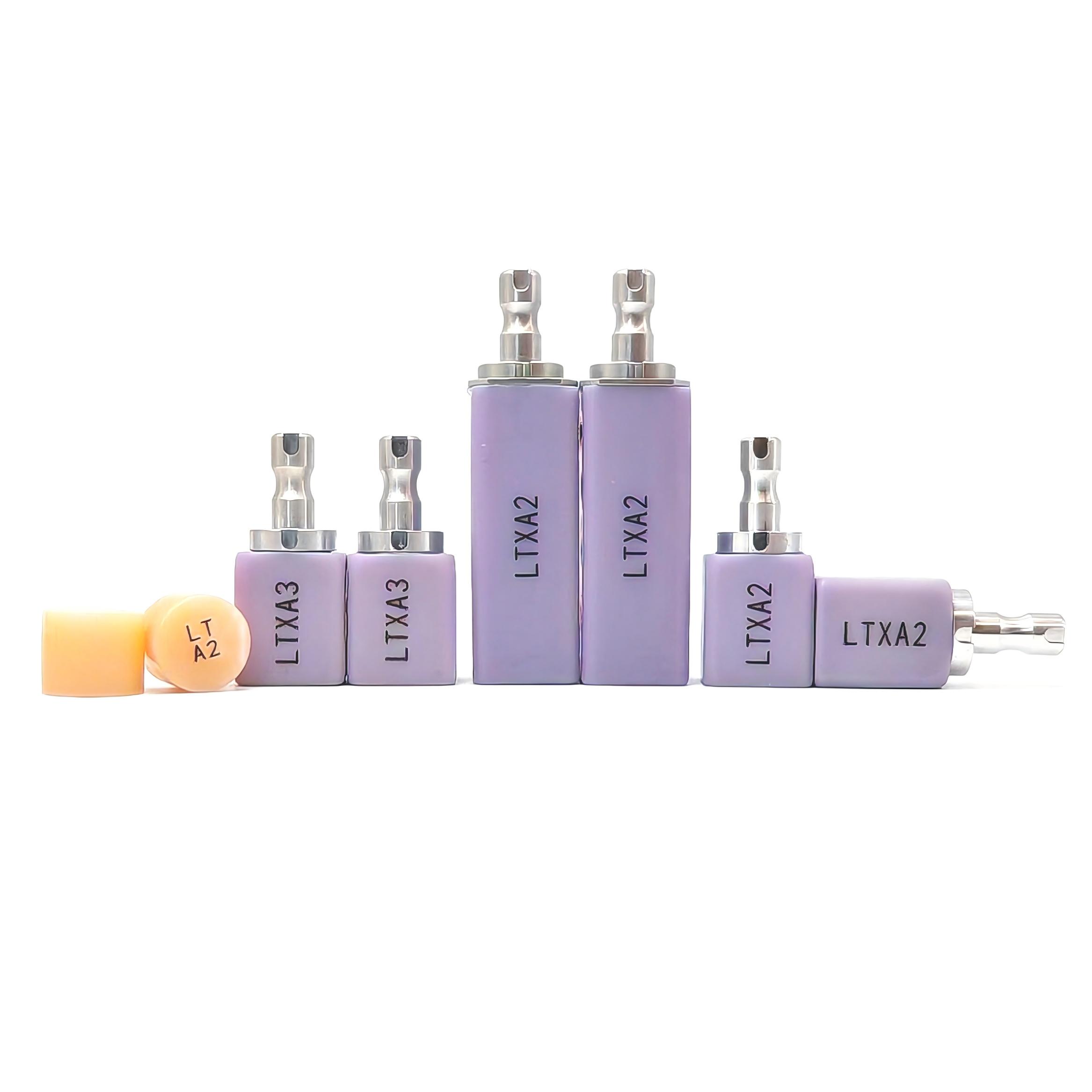
Staining dental lithium disilicate glass ceramic requires precision, technique, and understanding of material properties to achieve consistent, aesthetically pleasing results. The process of staining dental lithium disilicate glass ceramic has become a cornerstone of modern prosthodontic practice, enabling clinicians and technicians to customize restorations with natural-looking color variations and characterization. Whether you are a dental technician working in a laboratory or a clinician seeking to enhance the esthetic outcomes of your restorations, mastering the technique of staining dental lithium disilicate glass ceramic is essential for delivering patient-centered care and competitive clinical results.
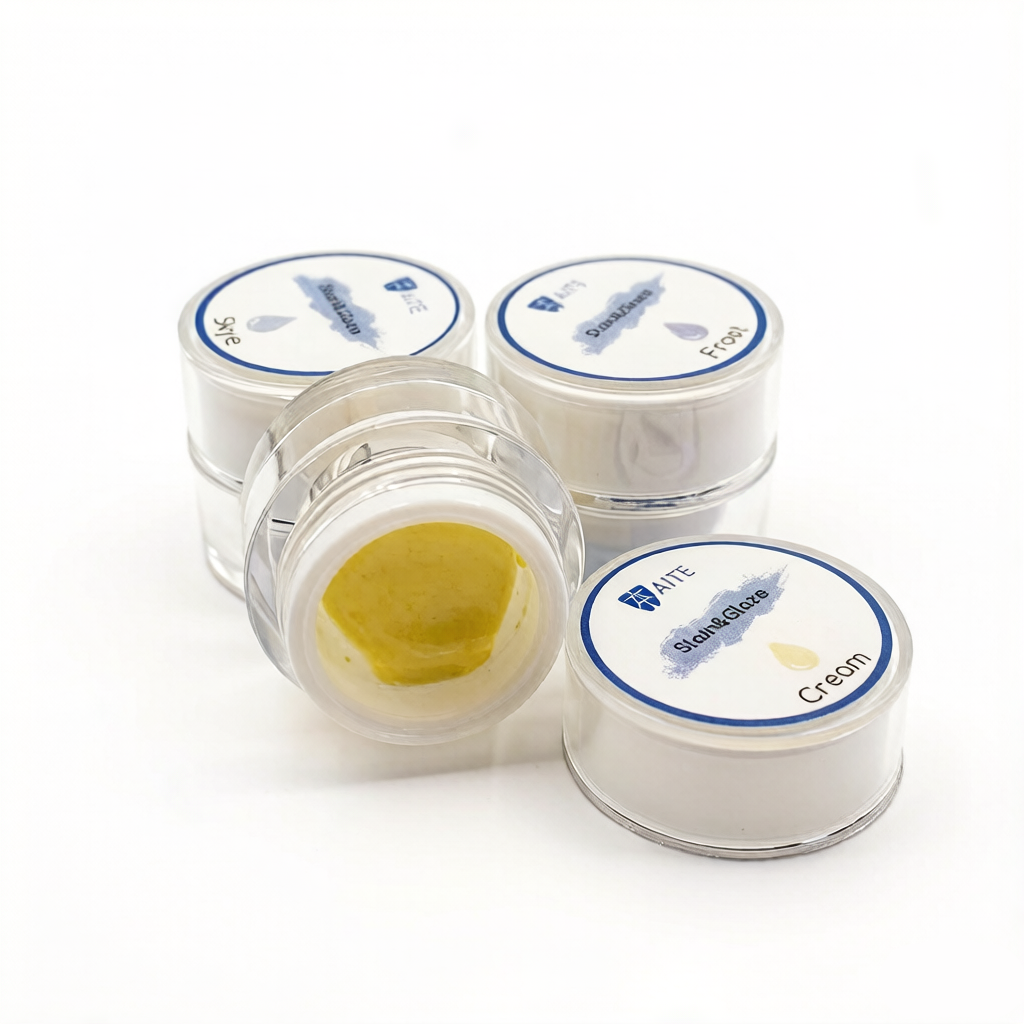
The optical properties of dental lithium disilicate glass ceramic make it an ideal substrate for staining applications. Its crystalline structure and refractive index allow stains to bond effectively while maintaining the material's superior strength and biocompatibility. Successful staining of dental lithium disilicate glass ceramic depends on proper surface preparation, correct application technique, and adherence to manufacturer specifications, all of which directly impact the longevity and appearance of the final restoration.
Surface Preparation and Pre-Treatment
Cleaning and Conditioning the Surface
Before applying stains to dental lithium disilicate glass ceramic, the surface must be thoroughly cleaned to remove any contaminants, dust, or residual materials from milling or prior processing. Use deionized water and a soft brush or ultrasonic cleaner to gently remove particles without scratching the surface. The preparation stage is critical because surface contaminants can prevent stains from adhering uniformly to dental lithium disilicate glass ceramic, resulting in spotty or uneven coloration. After cleaning, allow the restoration to dry completely in a dust-free environment.
Etching Considerations
While dental lithium disilicate glass ceramic has an excellent surface for stain retention, some technicians use selective etching with hydrofluoric acid to improve stain penetration in specific areas. This technique requires careful handling and protective equipment, as etching prepares the surface of dental lithium disilicate glass ceramic to accept stains more readily. If you choose to etch dental lithium disilicate glass ceramic, follow manufacturer guidelines and apply the acid only to designated areas where enhanced stain absorption is desired. Rinse thoroughly with water and allow the material to dry before proceeding to stain application.
Staining Techniques and Application Methods
Selecting Appropriate Stains and Colorants
Professional stains formulated specifically for dental lithium disilicate glass ceramic are essential to achieve reliable, consistent results. These stains are designed to bond chemically with the crystalline matrix of dental lithium disilicate glass ceramic while maintaining its esthetic and functional properties. When selecting stains for dental lithium disilicate glass ceramic, choose products that offer a broad color palette to match patient tooth structure and meet clinical expectations. Different stain concentrations provide varying intensities, allowing customization of dental lithium disilicate glass ceramic restorations from subtle to pronounced characterization.
Application Protocols
The most common method for staining dental lithium disilicate glass ceramic involves using fine brushes or specialized applicators to paint stains directly onto prepared surfaces. Begin by applying thin, even coats of the chosen stain to dental lithium disilicate glass ceramic, allowing each layer to dry slightly before adding additional layers for depth and complexity. Build color gradually rather than applying one thick coat, as this approach ensures better control and more natural-looking results on dental lithium disilicate glass ceramic. Work in well-lit conditions and reference shade guides regularly to verify color accuracy during the staining process for dental lithium disilicate glass ceramic.
Some laboratories employ spray or airbrush techniques for applying stains to dental lithium disilicate glass ceramic, which allows for smoother gradations and more uniform coverage across larger surface areas. Airbrush staining of dental lithium disilicate glass ceramic requires proper equipment maintenance, pressure regulation, and operator skill to avoid over-application or uneven concentration. Regardless of the application method chosen for dental lithium disilicate glass ceramic, consistency and controlled layer buildup remain the foundation of successful esthetic outcomes.
Firing, Sealing, and Finishing
Heat Treatment and Curing
After stains have been applied to dental lithium disilicate glass ceramic, many stains require heat treatment to achieve optimal color development and bonding with the material surface. Consult the stain manufacturer's instructions for specific firing temperatures and duration when curing stains on dental lithium disilicate glass ceramic. The firing process bonds the stain molecules to the crystalline structure of dental lithium disilicate glass ceramic, ensuring durability and color stability throughout the life of the restoration. Over-firing or under-firing can compromise the aesthetic result, so precise temperature control is crucial when heat-treating dental lithium disilicate glass ceramic restorations with applied stains.
Glazing and Surface Protection
Following stain application and any required firing, applying a protective glaze over dental lithium disilicate glass ceramic helps seal the stains and enhances surface luster and longevity. High-quality glazes specifically formulated for dental lithium disilicate glass ceramic create a smooth, protective layer that resists staining from dietary pigments and oral biofilm accumulation. The glaze also enhances the reflective properties of dental lithium disilicate glass ceramic, contributing to improved esthetics and a more lifelike appearance. A second, lighter firing cycle typically seals the glaze onto dental lithium disilicate glass ceramic without affecting the underlying stain integrity.
Final Finishing and Polish
Once staining and glazing are complete, carefully inspect the dental lithium disilicate glass ceramic restoration under appropriate lighting to ensure color uniformity and desired characterization. Light polishing with specialized ceramic polishing agents may be performed on dental lithium disilicate glass ceramic to refine the surface and remove any minor imperfections without damaging the stains or glaze. This finishing step on dental lithium disilicate glass ceramic contributes to patient satisfaction and professional presentation of the completed restoration.
FAQ
Can stains be applied to dental lithium disilicate glass ceramic multiple times for deeper color?
Yes, stains can be layered on dental lithium disilicate glass ceramic, with each layer fired separately to build color depth and complexity. Multiple applications of stains to dental lithium disilicate glass ceramic allow fine-tuned color customization and the creation of natural-looking shade gradations that replicate natural tooth structure variations.
What precautions should be taken when staining dental lithium disilicate glass ceramic?
Always work in a clean, controlled environment when staining dental lithium disilicate glass ceramic to prevent dust contamination. Wear appropriate personal protective equipment, follow manufacturer guidelines precisely for stain and glaze products used on dental lithium disilicate glass ceramic, and maintain accurate documentation of firing temperatures and times to ensure consistent results on dental lithium disilicate glass ceramic restorations.
Is it necessary to use glaze after staining dental lithium disilicate glass ceramic?
While not always mandatory, applying glaze after staining dental lithium disilicate glass ceramic is highly recommended to protect stains from degradation and enhance the overall esthetic outcome. Glazing dental lithium disilicate glass ceramic seals the applied stains, improves surface smoothness, and extends the clinical longevity of the restoration by providing a protective barrier against oral fluids and pigments.