
 EN
EN
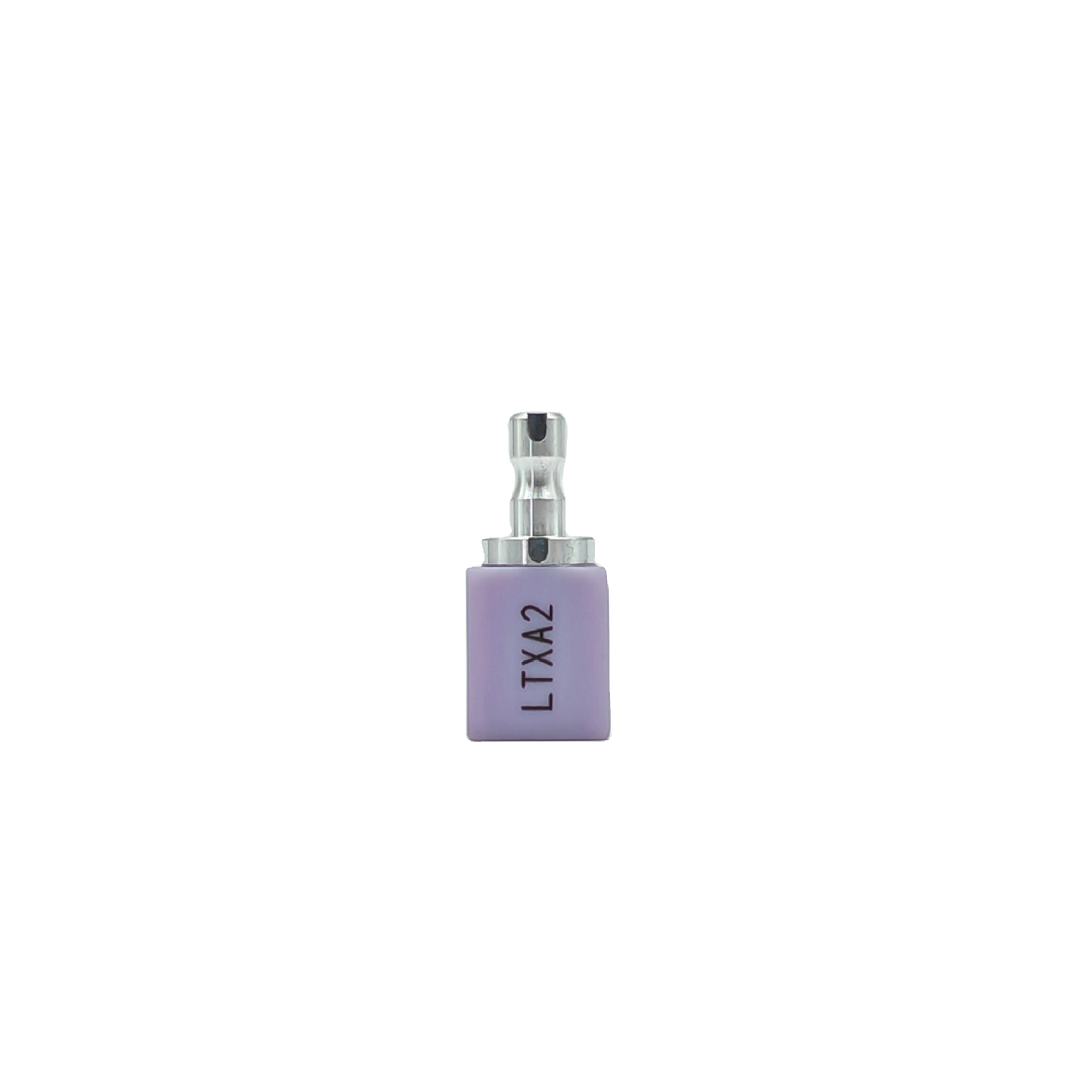
Dental laboratories worldwide have embraced dental lithium disilicate as the gold standard material for crown restorations. This advanced glass ceramic has fundamentally transformed how dental professionals approach aesthetic and functional crown design. The rise of dental lithium disilicate reflects a broader shift toward materials that balance superior clinical performance with exceptional cosmetic outcomes. Laboratories selecting dental lithium disilicate gain a distinct competitive advantage in delivering restorations that meet the highest patient expectations.
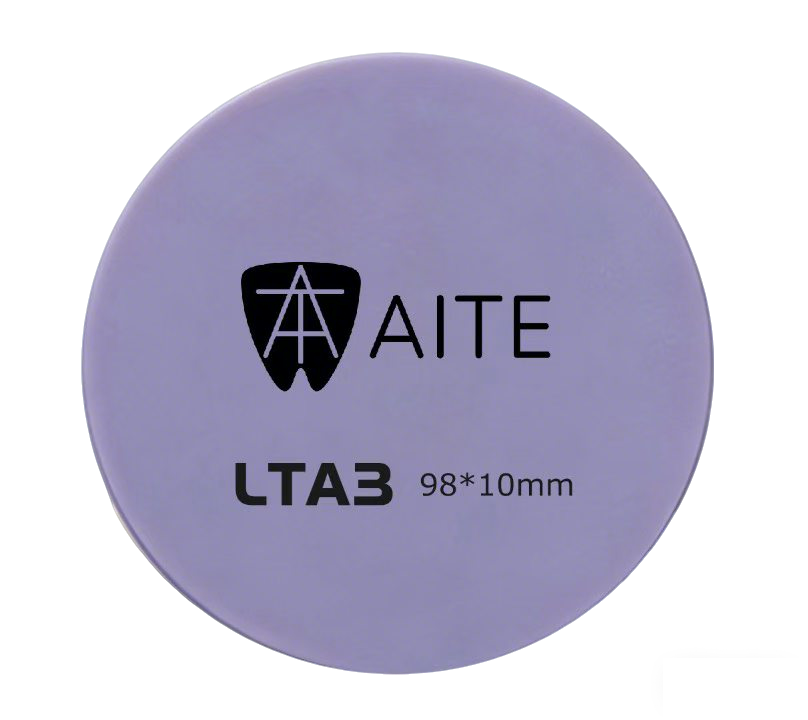
The decision to choose dental lithium disilicate represents a commitment to material excellence that directly impacts clinical success rates and patient satisfaction. Laboratories that invest in dental lithium disilicate processing capabilities position themselves as leaders in precision restorative dentistry. Understanding why dental lithium disilicate dominates laboratory workflows requires examining its unique combination of mechanical strength, optical properties, and processing efficiency that competing materials cannot consistently match.
Superior Mechanical Strength and Durability
Fracture Resistance and Clinical Longevity
Dental lithium disilicate demonstrates exceptional fracture toughness that directly translates to extended crown longevity in clinical service. The crystalline microstructure of dental lithium disilicate creates a material matrix capable of withstanding substantial occlusal forces without catastrophic failure. Laboratories that select dental lithium disilicate benefit from significantly lower remake rates compared to alternative glass ceramics, directly improving profitability and reputation. Clinical studies consistently demonstrate that dental lithium disilicate crowns maintain structural integrity across diverse patient demographics and functional demands.
Processing Advantages in CAD/CAM Workflows
The dental lithium disilicate material exhibits superior machinability characteristics that streamline CAD/CAM production processes. Modern milling units process dental lithium disilicate with precision and speed, reducing chairside adjustment requirements and enhancing fit accuracy. Laboratories operating digital workflows find that dental lithium disilicate blanks mill cleanly, producing minimal waste and maintaining consistent dimensional tolerances across production runs. The inherent stability of dental lithium disilicate during milling ensures predictable outcomes that align precisely with digital design specifications.
Aesthetic Excellence and Optical Properties
Natural Light Transmission and Color Reproduction
Dental lithium disilicate possesses optical transparency characteristics that enable natural light transmission through crown thickness, creating restorations with superior aesthetic warmth and vitality. The material's refractive index closely approximates that of natural tooth structure, allowing dental lithium disilicate to reflect and refract light in clinically indistinguishable ways. Laboratories specializing in anterior restorations leverage dental lithium disilicate's optical advantages to deliver crowns exhibiting lifelike translucency gradients that mimic natural dentition. The aesthetic superiority of dental lithium disilicate distinguishes laboratory work from competing restorations using less optically sophisticated materials.
Customization and Staining Capabilities
The chemical composition of dental lithium disilicate allows for precise shade customization through internal and external staining techniques that enhance personalization for individual patient anatomy. Laboratories applying advanced staining protocols to dental lithium disilicate achieve color matches that withstand long-term clinical observation, maintaining patient satisfaction throughout the restoration's service life. Dental lithium disilicate accepts stains uniformly, eliminating surface inconsistencies common in less homogeneous ceramic alternatives. This staining predictability makes dental lithium disilicate the preferred choice for laboratories committed to premium aesthetic outcomes.
Clinical Reliability and Material Consistency
Predictable Performance Across Patient Populations
Laboratories depend on dental lithium disilicate because the material delivers consistent clinical performance regardless of patient age, anatomical variation, or functional demands. The homogeneous crystalline structure of dental lithium disilicate eliminates variability in mechanical properties that characterize less refined ceramic systems. Dentists referring cases to laboratories recognize that dental lithium disilicate restorations maintain structural stability and aesthetic appearance through years of clinical service. This reliability builds referral networks and establishes laboratory reputation as a dependable source of high-quality restorations.
Biocompatibility and Long-Term Oral Integration
Dental lithium disilicate exhibits excellent biocompatibility with oral tissues, eliminating allergenic responses or chemical degradation common in certain alternative materials. The inert glass ceramic composition of dental lithium disilicate ensures stable marginal adaptation over extended clinical periods, preventing microleakage and secondary decay. Laboratories selecting dental lithium disilicate demonstrate clinical responsibility by providing restorations that support long-term oral health without systemic or local tissue complications. This biocompatible profile of dental lithium disilicate reinforces its selection as the material of choice for restorations requiring maximum clinical longevity.
FAQ
What makes dental lithium disilicate stronger than other crown materials?
Dental lithium disilicate achieves superior strength through its crystalline microstructure, where lithium disilicate crystals are distributed throughout a glass matrix. This composition creates a material with fracture toughness exceeding that of feldspathic porcelain and matching or exceeding zirconia in many clinical applications. The reinforced crystal lattice of dental lithium disilicate absorbs and disperses stress loads, preventing sudden catastrophic failure and extending crown service life significantly.
Can dental lithium disilicate be milled on standard CAD/CAM equipment?
Yes, dental lithium disilicate is compatible with most modern CAD/CAM milling units designed for dental applications. The material mills efficiently with standard diamond burs, producing precise restorations without requiring specialized equipment modifications. Laboratories can integrate dental lithium disilicate into existing workflows without significant capital investment, making material adoption feasible for facilities of any size.
How does dental lithium disilicate compare to zirconia for crown restorations?
Dental lithium disilicate offers superior optical properties and aesthetic outcomes compared to zirconia, particularly in anterior regions where light transmission and color matching are critical. While zirconia provides extreme hardness, dental lithium disilicate provides more natural light behavior and easier shade customization. Many laboratories maintain both materials in inventory, selecting dental lithium disilicate for aesthetic-demanding cases and zirconia for high-load posterior situations, allowing practitioners to optimize material selection for specific clinical requirements.