
 EN
EN
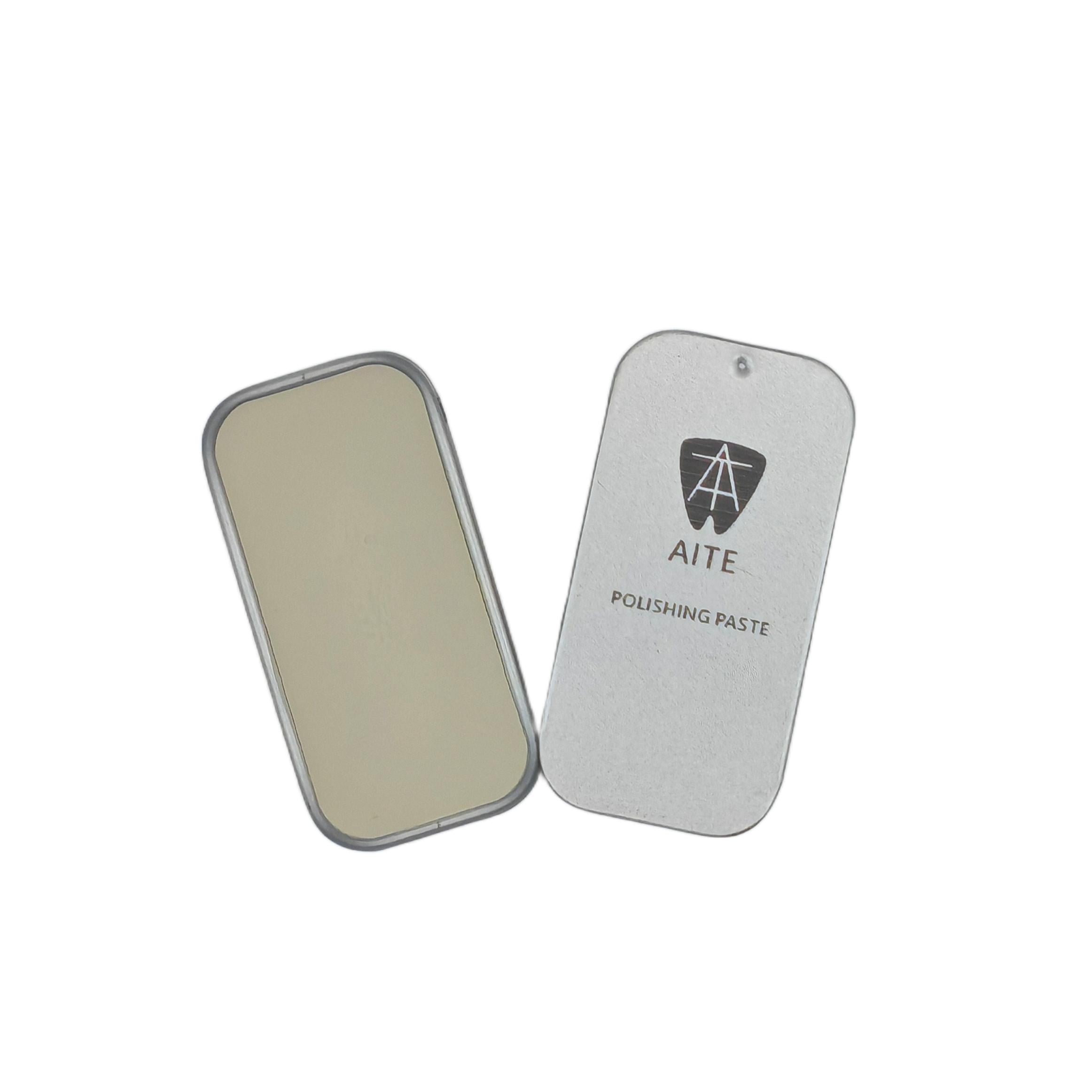
Dental laboratory consumables represent a significant operational expense for any dental lab, directly affecting profitability and competitive positioning in the market. Understanding the key cost factors that influence dental laboratory consumables pricing is essential for lab managers and owners seeking to optimize their budgets without compromising quality or production capacity. From raw material sourcing to specialized processing requirements, multiple variables shape the final cost of dental laboratory consumables that your facility purchases and uses daily.
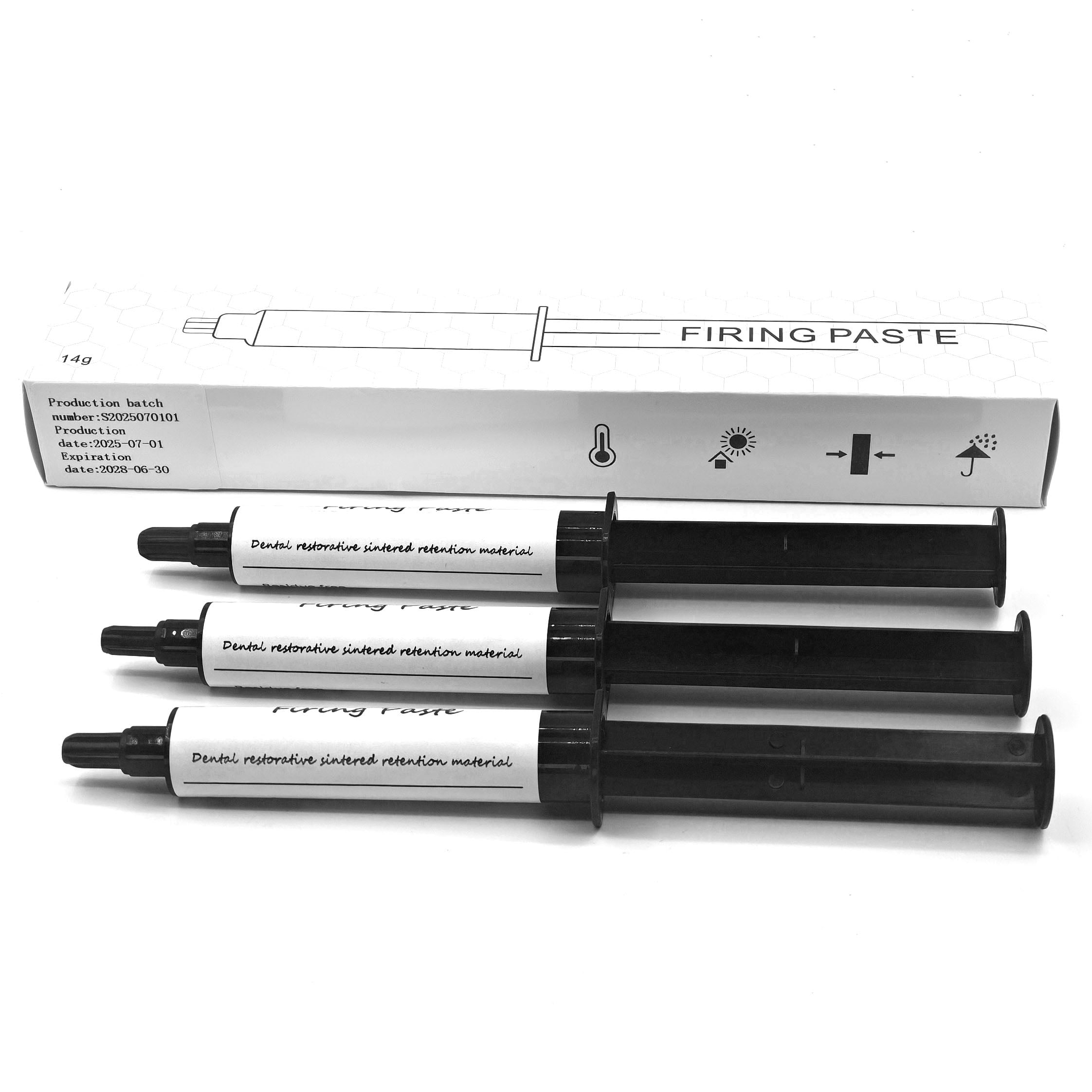
The complexity of dental laboratory consumables pricing extends beyond simple material costs. Regulatory compliance, supplier relationships, production volume, and technological specifications all intersect to determine what your laboratory actually pays for essential supplies. By systematically examining these cost drivers, dental labs can make informed procurement decisions that balance expense management with operational excellence and clinical outcomes.
Raw Material Quality and Sourcing
Material Grade and Composition
The quality grade of raw materials used in dental laboratory consumables fundamentally impacts pricing structures across the industry. Premium-grade dental porcelains, acrylics, and composite materials command higher prices than standard alternatives, reflecting superior consistency, biocompatibility, and esthetic properties. Dental laboratory consumables manufactured from high-purity source materials often demonstrate better color stability, reduced shrinkage rates, and enhanced marginal adaptation, factors that justify their increased cost from both operational and clinical perspectives.
Suppliers of dental laboratory consumables typically offer tiered material options, allowing labs to select consumables aligned with their production capabilities and market positioning. Mid-range dental laboratory consumables balance affordability with reliable performance metrics, while economy options serve high-volume fabrication scenarios where cost efficiency drives decision-making. Understanding the performance boundaries of different material grades within dental laboratory consumables offerings enables procurement managers to avoid both unnecessary overspending and quality-related complications.
Supply Chain and Geographic Origin
Geographic sourcing significantly influences the cost structure of dental laboratory consumables, with materials originating from different regions reflecting distinct production standards, regulatory environments, and transportation logistics. Domestically sourced dental laboratory consumables typically involve higher labor costs but reduced import tariffs and shipping expenses, whereas international dental laboratory consumables sourcing may offer lower base material costs offset by extended lead times and customs processing. Supply chain complexity for dental laboratory consumables has increased substantially, making vendor reliability and consistency critical factors in total cost calculations beyond the quoted unit price.
Currency fluctuations, trade agreements, and geopolitical factors directly affect the landed cost of imported dental laboratory consumables, creating pricing volatility that impacts quarterly budget forecasts. Laboratories managing large inventories of dental laboratory consumables must balance bulk purchasing advantages against storage costs and the risk of material obsolescence or degradation during extended holding periods.
Production Scale and Volume Discounts
Minimum Order Quantities and Bulk Pricing
Minimum order quantities represent a fundamental cost driver affecting how dental laboratory consumables are priced by manufacturers and distributors. Larger volume commitments for dental laboratory consumables typically unlock progressive discounts, with tiered pricing models rewarding labs that consolidate purchases across multiple product categories. Smaller independent laboratories often face disadvantages in securing optimal pricing for dental laboratory consumables due to their inability to meet minimum order thresholds established by wholesalers and manufacturers.
Strategic volume planning for dental laboratory consumables allows facilities to capture bulk discounts while managing working capital constraints and storage capacity limitations. Group purchasing organizations within dental laboratory networks sometimes pool demand to negotiate better rates on dental laboratory consumables, distributing volume benefits across member facilities. Understanding your lab's true consumption velocity for different dental laboratory consumables categories enables accurate forecasting and negotiation leverage with suppliers.
Just-in-Time Versus Inventory Management
Inventory strategy directly impacts the total cost of ownership for dental laboratory consumables in your facility. Just-in-time ordering minimizes capital tied up in excess stock and reduces waste from expired or degraded dental laboratory consumables, but typically attracts premium pricing for smaller purchase quantities. Conversely, maintaining larger inventory buffers of dental laboratory consumables spreads fixed logistics costs across more units, reducing per-unit procurement costs while introducing carrying costs, obsolescence risk, and potential quality degradation.
The optimal balance between inventory investment and ordering frequency for dental laboratory consumables varies by material type, consumption predictability, and storage conditions. Perishable or time-sensitive dental laboratory consumables require different inventory calculus than stable materials, necessitating differentiated procurement strategies within your consumables management framework.
Regulatory Compliance and Quality Assurance
Certification and Testing Requirements
Regulatory certification significantly influences the cost structure of compliant dental laboratory consumables across regional markets. Dental laboratory consumables meeting FDA requirements, ISO standards, and biocompatibility testing protocols embed certification costs into their pricing, reflecting manufacturers' investment in quality assurance documentation and third-party validation. Materials lacking comprehensive certification may appear cheaper, but dental laboratory consumables without proper regulatory backing create liability exposure and potential clinical complications that far exceed initial savings.
Different regions impose varying compliance requirements on dental laboratory consumables, affecting sourcing decisions and pricing for laboratories operating across multiple jurisdictions. European dental laboratory consumables often carry additional regulatory costs compared to materials meeting only domestic requirements, yet these enhanced standards may justify premium pricing through superior quality assurance and reduced clinical failure rates.
Quality Control and Consistency Standards
Manufacturing consistency and quality control protocols directly translate into predictable pricing for premium dental laboratory consumables versus economical alternatives. Suppliers investing heavily in quality control systems for dental laboratory consumables maintain tighter specification tolerances, resulting in more reliable performance but at higher production costs passed to purchasers. Your laboratory's tolerance for material variability fundamentally shapes which tier of dental laboratory consumables represents optimal value.
Batch-to-batch consistency in dental laboratory consumables reduces rework rates, accelerates learning curves for clinical staff, and minimizes patient complaints related to marginal fit or esthetic outcomes. These operational benefits of consistent, quality-assured dental laboratory consumables often justify premium acquisition costs through downstream productivity gains and reputation protection.
Specialized Equipment and Processing Requirements
Some dental laboratory consumables demand specialized equipment, unique processing conditions, or proprietary techniques that inherently increase their cost compared to standardized alternatives. High-precision firing pastes, advanced denture base acrylics, and premium composite materials often require specific furnaces, mixing equipment, or environmental controls that raise both direct material costs and indirect facility expenses. Laboratories equipped with modern processing technology may justify investments in premium dental laboratory consumables that deliver superior outcomes, whereas basic equipment configurations may force selection toward materials compatible with standard processing capabilities.
The relationship between dental laboratory consumables selection and facility infrastructure creates interdependent cost considerations that extend beyond simple per-unit pricing analysis. Upgrading to advanced dental laboratory consumables sometimes necessitates equipment investments or process modifications that reshape the total cost calculus over time horizons beyond immediate procurement decisions.
FAQ
What is the typical cost range for quality dental laboratory consumables?
Quality dental laboratory consumables vary widely in price depending on material type, sourcing, and certification levels. Premium-grade dental laboratory consumables typically range from 15 to 50 percent higher than economy alternatives, with mid-range options offering balanced cost and performance. Budget allocation for dental laboratory consumables should account for your specific production volume, quality standards, and target market positioning rather than pursuing lowest-cost options universally.
How can laboratories reduce dental laboratory consumables costs without sacrificing quality?
Effective cost reduction strategies for dental laboratory consumables include consolidating supplier relationships to improve volume discounts, implementing just-in-time inventory practices to reduce carrying costs, and evaluating mid-range dental laboratory consumables that balance quality with affordability. Strategic purchasing agreements, participation in group purchasing organizations, and careful consumption tracking all contribute to optimizing dental laboratory consumables expenses while maintaining clinical standards and operational efficiency.
Why do regulatory certifications increase dental laboratory consumables pricing?
Regulatory certifications for dental laboratory consumables reflect manufacturers' investment in quality assurance testing, third-party validation, and documentation compliance required by regional authorities. These certifications protect your laboratory from liability, ensure clinical compatibility, and reduce failure rates associated with uncertified dental laboratory consumables. The certification costs embedded in dental laboratory consumables pricing ultimately provide risk mitigation value that extends beyond the initial purchase expense through improved patient outcomes and reputation protection.