
 EN
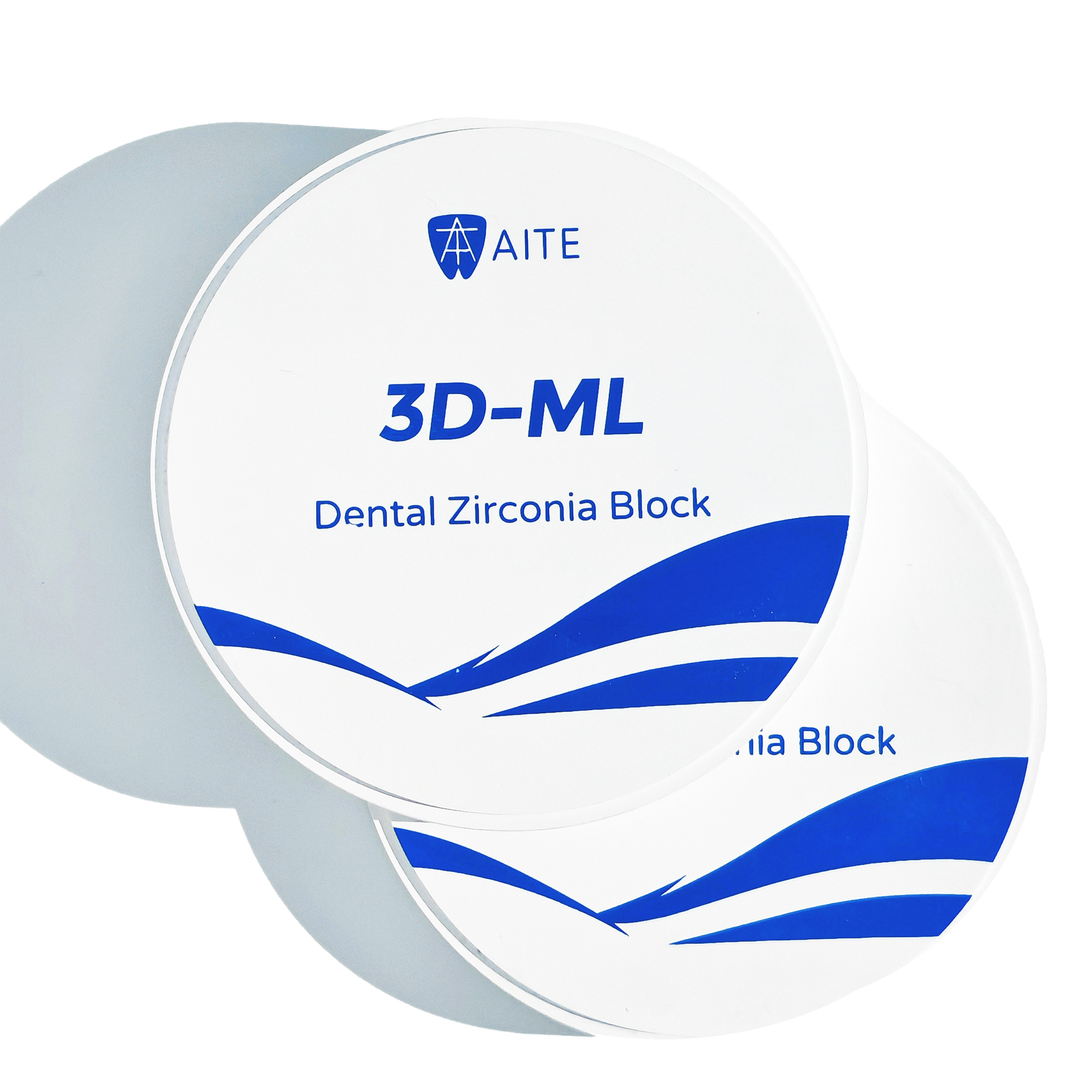
In modern restorative dentistry, Glass-Ceramic Discs have revolutionized the way clinicians design and fabricate tooth-colored restorations. Whether you are creating crowns, inlays, veneers, or other aesthetic restorations, Glass-Ceramic Discs offer a compelling combination of strength, beauty, and clinical reliability that traditional materials often cannot match. Understanding the distinct advantages of Glass-Ceramic Discs is essential for dental professionals seeking to improve patient outcomes while maintaining efficient clinical workflows.
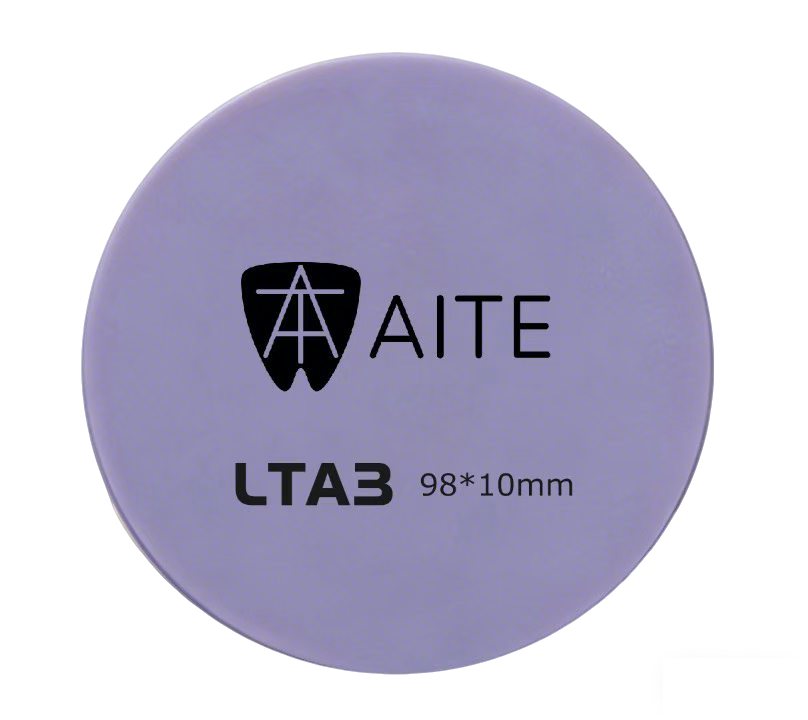
The rapid adoption of Glass-Ceramic Discs across dental practices reflects their superior performance in both mechanical and aesthetic domains. These biocompatible materials integrate seamlessly into CAD/CAM milling systems, enabling same-day restoration delivery without the delays associated with traditional laboratory fabrication. By choosing Glass-Ceramic Discs, dental teams unlock advantages that directly translate to enhanced patient satisfaction, reduced appointment time, and improved clinical predictability.
Superior Aesthetic Properties of Glass-Ceramic Discs
Natural Light Transmission and Color Matching
One of the most compelling advantages of Glass-Ceramic Discs lies in their exceptional light transmission characteristics. Glass-Ceramic Discs mimic the optical properties of natural tooth structure, allowing light to pass through the restoration in a manner that creates a lifelike appearance indistinguishable from healthy enamel and dentin. This natural translucency means Glass-Ceramic Discs can be bonded directly to tooth structure without requiring opaque masking layers, preserving the restoration's aesthetic integration with the surrounding dentition.
The color range available in Glass-Ceramic Discs enables clinicians to match nearly any natural tooth shade with precision. Unlike traditional all-ceramic materials that may appear artificial or chalky under certain lighting conditions, Glass-Ceramic Discs display the subtle color gradations and light-scattering properties found in natural teeth. This advantage ensures that restorations created from Glass-Ceramic Discs blend seamlessly into the patient's smile, enhancing both immediate confidence and long-term satisfaction.
Margin Adaptation and Surface Finish
Glass-Ceramic Discs achieve exceptional marginal adaptation when milled with modern CAD/CAM technology. The uniform density and homogeneous structure of Glass-Ceramic Discs allow for precise, tight margins that resist microleakage and reduce the risk of secondary caries. Additionally, Glass-Ceramic Discs can be finished to a highly polished surface that resists plaque accumulation and maintains aesthetic shine over the restoration's lifetime, supporting long-term periodontal health.
Mechanical Strength and Clinical Durability
Fracture Resistance and Longevity
Glass-Ceramic Discs demonstrate remarkable fracture resistance due to their crystalline microstructure, which reinforces the glass matrix and distributes stress more effectively than traditional feldspathic ceramics. This mechanical advantage makes Glass-Ceramic Discs ideal for posterior restorations subject to heavy occlusal forces. Clinical studies confirm that restorations fabricated from Glass-Ceramic Discs show significantly higher survival rates and lower rates of chipping or fracture compared to conventional ceramic alternatives, justifying their selection for demanding clinical applications.
The durability of Glass-Ceramic Discs extends beyond simple fracture resistance. These materials maintain their surface integrity and aesthetic properties over many years of normal use, resisting wear, discoloration, and degradation. For patients seeking restorations that will remain beautiful and functional for a decade or more, Glass-Ceramic Discs provide the mechanical reliability and aesthetic stability that justify the investment in advanced CAD/CAM technology.
Biocompatibility and Wear Characteristics
Glass-Ceramic Discs exhibit exceptional biocompatibility, making them safe for long-term contact with oral tissues and pulpal anatomy. The inert nature of Glass-Ceramic Discs means they do not leach potentially harmful substances into the oral environment, protecting both the restoration and surrounding tooth structure. Furthermore, Glass-Ceramic Discs display minimal wear against natural opposing dentition, meaning patients do not experience the accelerated wear patterns sometimes seen with harder ceramic materials that can damage natural teeth over time.
Clinical Efficiency and Workflow Integration
Same-Day Restoration Delivery
Perhaps the most transformative advantage of Glass-Ceramic Discs is their compatibility with in-office CAD/CAM milling systems that enable same-day restoration fabrication. By eliminating the need for temporary restorations and multiple appointments, Glass-Ceramic Discs reduce patient inconvenience, improve appointment efficiency, and decrease the risk of complications associated with extended provisional coverage. Practices that incorporate Glass-Ceramic Discs into their workflow report higher patient satisfaction scores and increased case acceptance rates, as patients appreciate the convenience of completing their restoration in a single visit.
The streamlined workflow enabled by Glass-Ceramic Discs also reduces administrative burden and laboratory communication delays. Clinical staff can design, mill, and seat Glass-Ceramic Discs within a single appointment, minimizing the documentation, shipping, and coordination overhead associated with sending cases to external laboratories. This efficiency translates into better resource utilization and improved practice profitability for dental teams committed to modern restorative methods.
Precision and Digital Integration
Glass-Ceramic Discs integrate seamlessly with digital dentistry workflows, including intraoral scanning, digital shade selection, and computer-aided design platforms. The standardized dimensions and consistent material properties of Glass-Ceramic Discs ensure that digital design parameters translate reliably into accurate physical restorations. This precision reduces chairside adjustment requirements and enables clinicians to achieve optimal occlusion, contacts, and marginal fit with minimal manual refinement, saving valuable clinical time while improving restoration quality.
FAQ
What clinical situations make Glass-Ceramic Discs the optimal material choice?
Glass-Ceramic Discs excel in aesthetic zones where natural appearance is paramount, including anterior crowns, veneers, and inlays. They are equally suitable for posterior restorations where combined aesthetic requirements and moderate-to-high occlusal forces demand materials offering both beauty and strength. Glass-Ceramic Discs also benefit patients who prioritize convenience, since these materials enable same-day restoration completion through modern CAD/CAM technology. Additionally, patients with documented ceramic allergies or sensitivity concerns benefit from the proven biocompatibility of Glass-Ceramic Discs.
How do Glass-Ceramic Discs compare to traditional feldspathic ceramics in terms of longevity?
Clinical evidence demonstrates that restorations created from Glass-Ceramic Discs consistently outperform traditional feldspathic ceramic restorations in long-term survival rates and resistance to chipping or fracture. While feldspathic ceramics offer excellent aesthetics, their lower fracture toughness makes them vulnerable to failure under heavy or repeated stress. Glass-Ceramic Discs bridge this gap by combining superior optical properties with enhanced mechanical strength, delivering the aesthetic excellence of feldspathic ceramics combined with the durability of strengthened ceramic systems. This advantage is particularly evident in posterior regions where occlusal forces are most intense.
Can Glass-Ceramic Discs be used for implant-supported restorations?
Yes, Glass-Ceramic Discs are excellent choices for implant-supported crowns and bridges, offering the same aesthetic and mechanical advantages they provide for tooth-supported restorations. The biocompatibility of Glass-Ceramic Discs eliminates concerns about tissue irritation or peri-implant complications. When bonded to implant abutments using appropriate adhesive protocols, Glass-Ceramic Discs create restorations that rival natural dentition in appearance while maintaining exceptional durability and implant longevity. The precision milling capability of Glass-Ceramic Discs also enables custom abutment design that optimizes emergence profile and soft tissue contours around implant sites.