
 EN
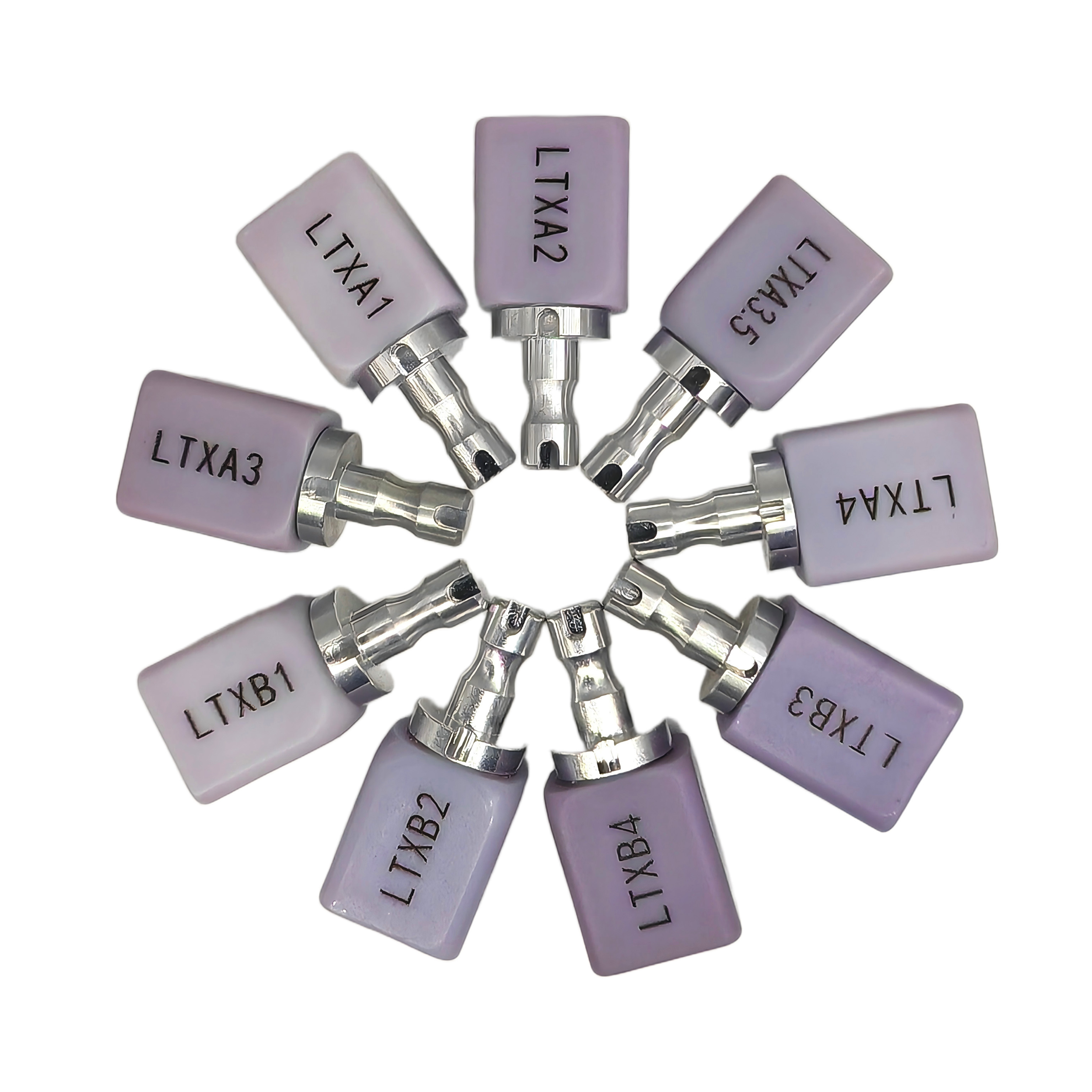
Low-temperature glaze paste sintering represents a significant advancement in dental and ceramic material processing technology. Understanding the advantages of glaze paste in modern manufacturing helps professionals make informed decisions about material selection and production methods. Glaze paste formulations have evolved considerably, offering improved efficiency, reduced energy consumption, and enhanced aesthetic outcomes compared to traditional high-temperature sintering approaches. This article explores the comprehensive benefits of adopting low-temperature glaze paste sintering in contemporary dental laboratories and ceramic production facilities.
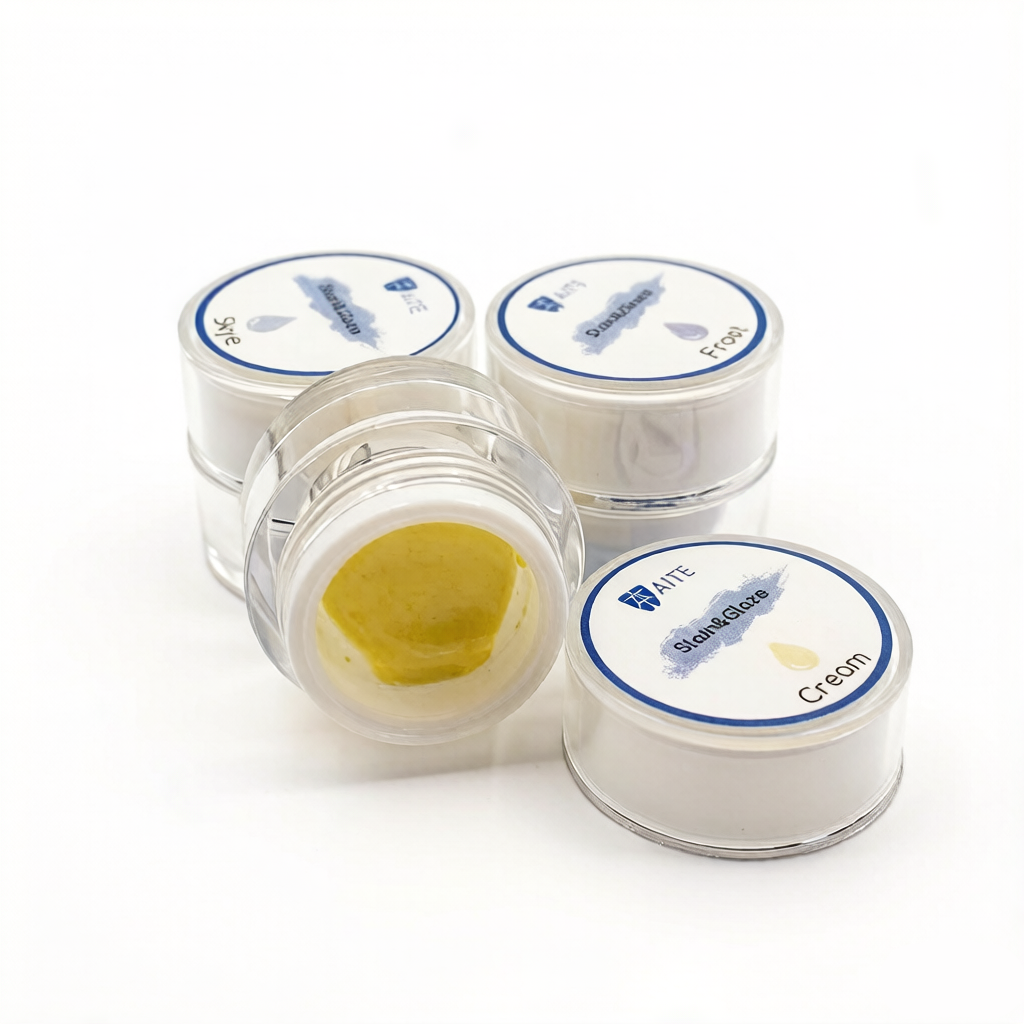
The adoption of low-temperature glaze paste sintering reflects a broader industry shift toward sustainable, cost-effective manufacturing practices. When professionals evaluate sintering technologies, the advantages of glaze paste become increasingly apparent through measurable operational improvements and superior product characteristics. By examining the specific benefits of glaze paste applications, dental technicians and ceramic manufacturers can optimize their workflows and achieve competitive advantages in their respective markets.
Energy Efficiency and Cost Reduction
Reduced Thermal Processing Requirements
The most compelling advantage of glaze paste lies in its ability to achieve superior results at substantially lower temperatures compared to conventional sintering methods. Glaze paste formulations are engineered to densify and fuse at temperatures typically 200 to 400 degrees Celsius lower than standard ceramic materials. This reduction in thermal processing directly translates to decreased energy consumption, lower operational costs, and reduced environmental impact. Facilities utilizing low-temperature glaze paste sintering report significant savings in electrical expenses and heating system maintenance over extended production cycles.
Extended Equipment Lifespan
Operating furnaces at lower temperatures through glaze paste sintering methodology significantly extends the service life of expensive kiln equipment and heating elements. The thermal stress on furnace components decreases substantially when processing glaze paste at reduced temperatures, resulting in fewer replacements, repairs, and unplanned maintenance shutdowns. This advantage of glaze paste directly improves facility profitability by protecting capital equipment investments. Dental laboratories and ceramic production centers can allocate resources more efficiently when equipment longevity increases through the adoption of low-temperature glaze paste techniques.
Material Performance and Quality Enhancement
Superior Surface Characteristics
Low-temperature glaze paste sintering produces exceptionally smooth, glossy surfaces with minimal porosity and superior aesthetic properties compared to higher-temperature alternatives. The Glaze Paste formulations create consistent, uniform coloration and enhanced light reflection that dental restorations and decorative ceramics require. The controlled sintering environment of glaze paste processing allows technicians to achieve precise color matching and surface finishes without excessive heat distortion or material degradation. This advantage of glaze paste proves particularly valuable in aesthetic dentistry, where restoration translucency and natural appearance directly influence clinical outcomes and patient satisfaction.
Reduced Material Shrinkage and Dimensional Stability
Glaze paste sintering at lower temperatures produces significantly less volumetric shrinkage compared to conventional high-temperature sintering processes. The reduced thermal stress during low-temperature glaze paste processing translates to improved dimensional accuracy and predictable fit characteristics in dental restorations. Technicians working with glaze paste experience fewer marginal discrepancies, better interproximal contacts, and enhanced clinical adaptation without requiring excessive adjustments or rework. This dimensional stability advantage of glaze paste directly reduces waste, minimizes production errors, and increases the first-time success rate for complex restorations.
Production Efficiency and Operational Flexibility
Faster Processing Cycles
Low-temperature glaze paste sintering dramatically reduces processing times by eliminating prolonged heating and cooling phases required in traditional sintering protocols. Glaze paste formulations reach optimal sintering temperatures more rapidly, achieving complete fusion and surface finishing within significantly shorter timeframes. This advantage of glaze paste enables dental laboratories and ceramic manufacturers to increase daily production capacity without expanding facility infrastructure or hiring additional personnel. Faster turnaround times create competitive advantages in markets where rapid delivery and responsive service differentiate successful operations from slower competitors.
Enhanced Temperature Control and Process Consistency
Modern furnaces utilizing low-temperature glaze paste sintering technology offer superior temperature precision and stability compared to conventional equipment designed for high-temperature applications. Glaze paste processing benefits from refined temperature control systems that maintain consistent conditions throughout the sintering cycle, ensuring predictable material properties and reliable aesthetic outcomes across large production batches. The advantage of glaze paste consistency reduces quality variability, minimizes reject rates, and streamlines quality assurance protocols. Laboratories implementing standardized glaze paste sintering procedures experience improved documentation compliance and simplified regulatory adherence across dental and ceramic production environments.
Environmental and Regulatory Benefits
Reduced Carbon Footprint and Emissions
Adopting low-temperature glaze paste sintering significantly diminishes the carbon emissions associated with dental and ceramic manufacturing processes. Lower kiln temperatures reduce energy grid demand, minimize fossil fuel consumption, and support sustainability initiatives increasingly mandated by environmental regulations and industry standards. Facilities embracing glaze paste technology demonstrate corporate responsibility and alignment with global environmental objectives. This advantage of glaze paste appeals to environmentally conscious dental practices, contract manufacturers, and enterprises committed to reducing their operational ecological impact while maintaining product quality.
Compliance with Modern Manufacturing Standards
Low-temperature glaze paste sintering aligns with contemporary manufacturing best practices and emerging regulatory frameworks emphasizing sustainable production methods. Glaze paste technology supports compliance with energy efficiency standards, emissions regulations, and certifications increasingly required in international dental and ceramic markets. Organizations utilizing glaze paste sintering methodologies strengthen their market positioning, enhance competitive credentials, and future-proof their operations against evolving regulatory requirements. This advantage of glaze paste extends beyond immediate operational benefits to provide long-term strategic advantages in markets prioritizing environmental responsibility and regulatory compliance.
FAQ
What materials can be processed using low-temperature glaze paste sintering?
Low-temperature glaze paste sintering accommodates a diverse range of dental ceramics, including porcelain veneers, crown restorations, bridge frameworks, and aesthetic surface finishes on zirconia substructures. Glaze paste technology works effectively with feldspathic porcelains, leucite-reinforced ceramics, and glass-ceramic materials commonly employed in modern restorative dentistry. The advantage of glaze paste extends to decorative ceramics, tile glazing, and specialized industrial applications requiring controlled surface finishing without excessive thermal processing.
How does low-temperature glaze paste sintering compare to traditional high-temperature methods?
Traditional high-temperature sintering requires substantially longer processing cycles, higher energy consumption, and greater equipment stress compared to low-temperature glaze paste methodologies. Glaze paste sintering achieves superior aesthetic results and dimensional stability while reducing operational costs and environmental impact. The advantage of glaze paste becomes particularly evident through measurable improvements in production efficiency, equipment longevity, and material consistency across extended manufacturing campaigns.
Can existing dental laboratory equipment accommodate low-temperature glaze paste sintering?
Many existing laboratory furnaces can process low-temperature glaze paste with modified temperature protocols, though specialized equipment optimized for glaze paste sintering offers superior performance, faster cycles, and enhanced temperature precision. Upgrading to dedicated low-temperature glaze paste equipment represents a manageable capital investment yielding significant returns through reduced energy costs and improved production metrics. The advantage of glaze paste justifies equipment investment decisions when laboratories project increased volume or prioritize operational efficiency improvements.