
 EN
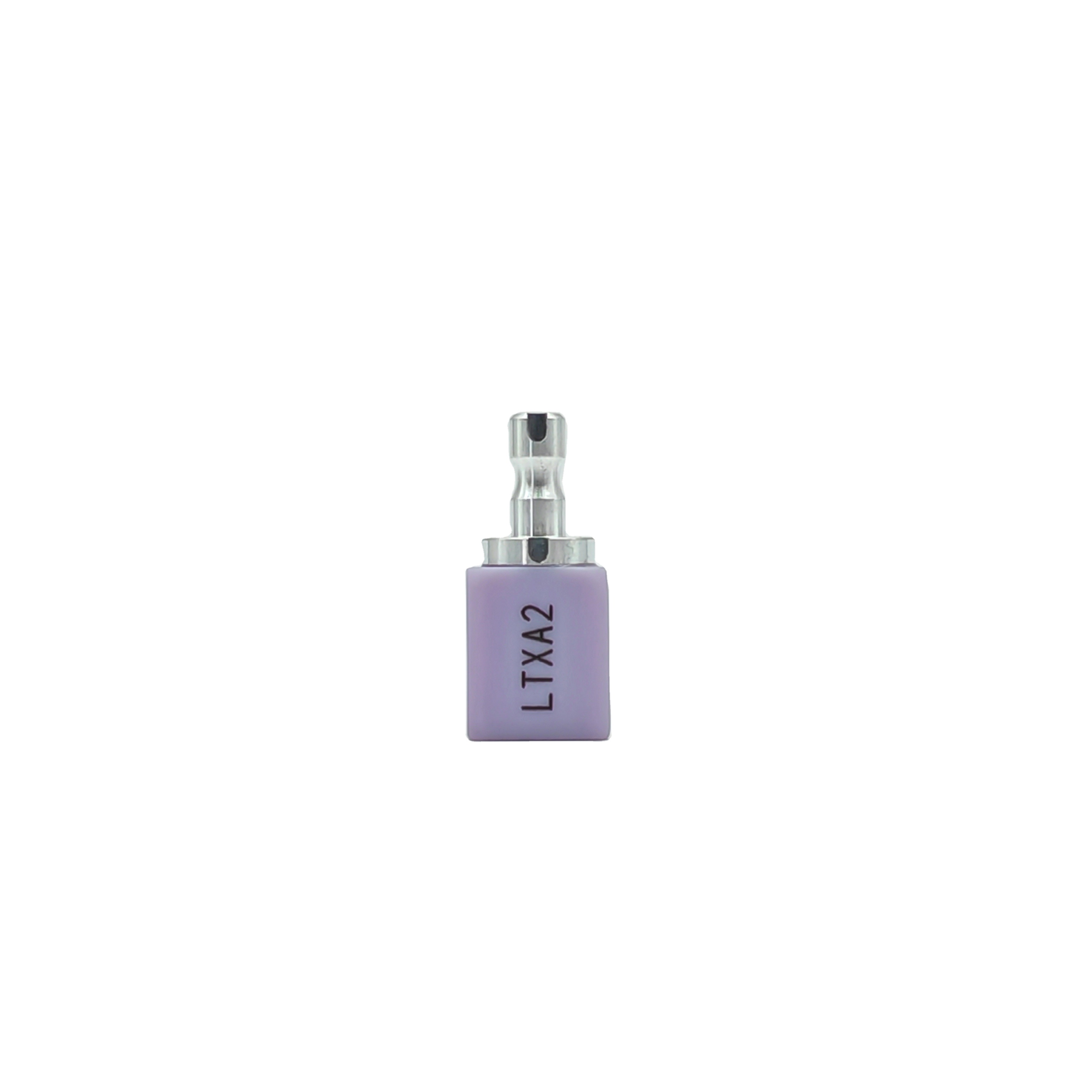
The ability to achieve precise, lifelike restorations depends heavily on the materials dentists use during final finishing stages. Glaze paste has emerged as a transformative solution in modern restorative dentistry, offering sophisticated shaping capabilities that extend far beyond simple surface application. Understanding what glaze paste can accomplish helps practitioners optimize their restoration outcomes and deliver superior esthetics that patients expect and deserve.
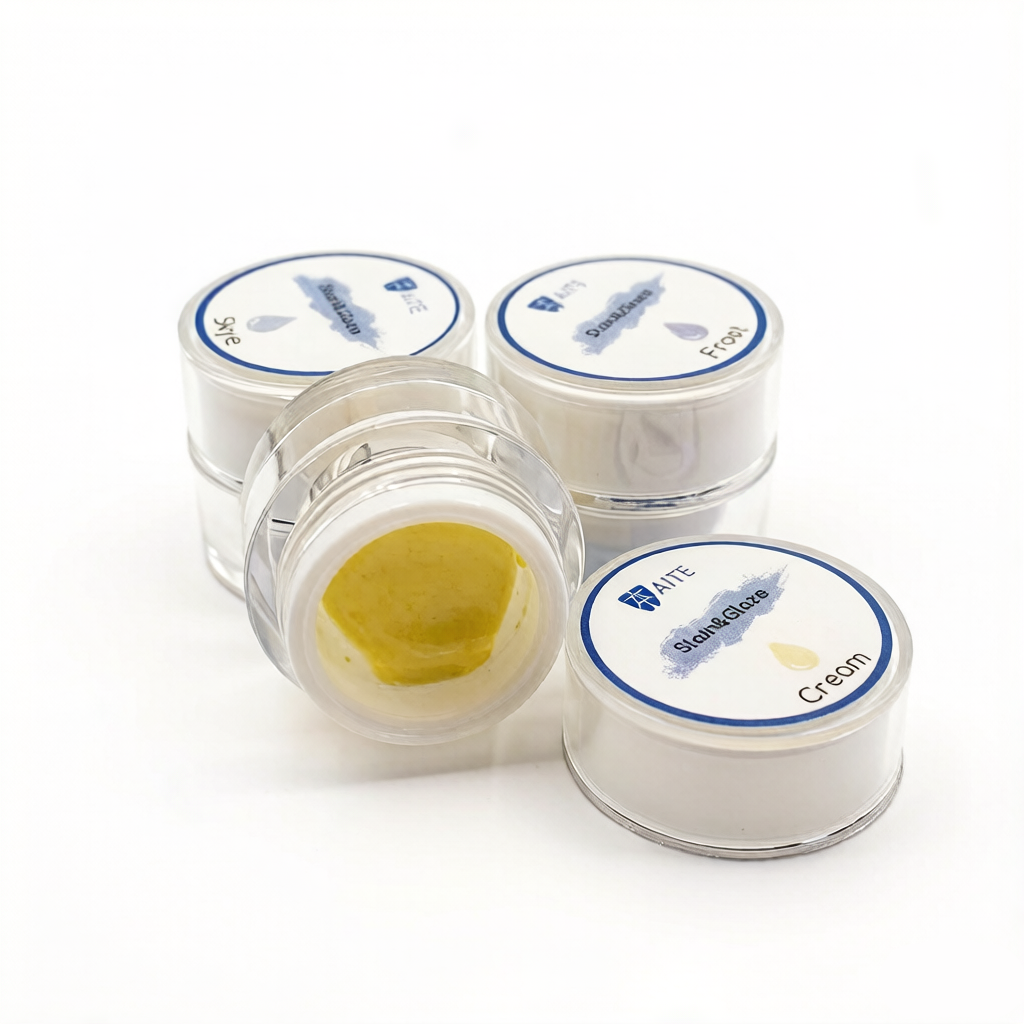
Glaze paste represents a significant advancement in how dental professionals shape and refine restorative materials. This specialized formulation allows clinicians to manipulate surface contours, adjust anatomical features, and create natural-looking textures with remarkable control. The versatility of glaze paste across different restoration types and clinical scenarios makes it an indispensable component of modern restorative protocols.
Understanding Glaze Paste Shaping Mechanics
How Glaze Paste Enables Precise Surface Modification
Glaze paste operates through a unique chemistry that allows controlled manipulation of restoration surfaces. When applied correctly, glaze paste creates a moldable interface that dentists can shape and contour before final polymerization. This characteristic gives clinicians the freedom to adjust anatomical form, refine marginal fit, and enhance natural surface textures that would be difficult to achieve through other methods alone.
The shaping capabilities of glaze paste stem from its specific viscosity and setting characteristics. Unlike rigid restorative materials, glaze paste maintains workability during the critical application window, permitting real-time adjustments to tooth morphology. This adaptability ensures that restorations can be customized to match individual patient anatomy, improving both esthetic harmony and functional occlusion without requiring complete restoration replacement.
Consistency and Predictability in Restoration Finishing
Dentists rely on consistent material behavior to produce predictable results, and glaze paste delivers this reliability. The standardized formulation ensures that shaping capabilities remain uniform across different applications and clinical settings. This consistency reduces variables that might otherwise compromise restoration quality and allows practitioners to develop refined technique protocols that yield repeatable excellence in restoration finishing.
Clinical Applications of Glaze Paste Shaping
Anterior Restoration Enhancement with Glaze Paste
Anterior restorations demand exceptional esthetic precision, making glaze paste an essential tool for this challenging application. Glaze paste enables dentists to refine incisal texture, create natural-looking surface anatomy, and achieve subtle color gradations that enhance the overall appearance of anterior teeth. The shaping capabilities of glaze paste allow clinicians to correct minor contour deficiencies and implement sophisticated surface characterization that mimics natural tooth morphology.
When applied to anterior restorations, glaze paste creates opportunities for fine-tuning marginal adaptation and eliminating micro-gaps that might compromise esthetics or longevity. The ability to shape and adjust surfaces with glaze paste means that restorations can be perfected without requiring complete remake, representing significant time and material savings while delivering superior patient outcomes.
Posterior Restoration Refinement Using Glaze Paste
Posterior restorations require functional precision alongside esthetic refinement, and glaze paste accommodates both requirements through its advanced shaping capabilities. Glaze paste allows practitioners to sculpt occlusal surfaces with accuracy, creating natural cusp anatomy and precise groove patterns that support proper mastication and long-term restoration stability. This level of control prevents premature wear and reduces adjustment requirements after restoration delivery.
The shaping potential of glaze paste extends to refining marginal contours in posterior restorations, ensuring seamless integration with remaining tooth structure. By utilizing glaze paste strategically, dentists can address minor contour issues, optimize contact relationships, and enhance the restoration's overall fit without compromising the underlying restoration integrity or requiring extensive re-treatment protocols.
Advanced Shaping Techniques and Outcomes
Texture and Characterization Through Glaze Paste Application
Creating natural-looking tooth surfaces requires sophisticated understanding of surface texture and light interaction. Glaze paste enables dentists to apply varied surface characterization that mimics natural tooth features, including perikymata, developmental grooves, and subtle dimpling patterns. These textural elements, when properly executed using glaze paste, dramatically enhance restoration esthetics and create restorations that seamlessly blend with natural dentition from any viewing angle.
The shaping capabilities of glaze paste make it possible to implement advanced characterization techniques that would otherwise require invasive modification of the underlying restoration. By selectively applying and manipulating glaze paste across restoration surfaces, clinicians can create individualized patterns that reflect each patient's unique dental anatomy, elevating the level of customization and patient satisfaction with final restoration appearance.
Marginal Adaptation and Longevity Enhancement
Marginal fit fundamentally influences restoration longevity, and glaze paste provides powerful capabilities for achieving and maintaining optimal margins. Glaze paste allows dentists to refine marginal contours, eliminate micro-gaps, and ensure seamless transitions between restoration and tooth structure. This precision prevents bacterial infiltration, reduces secondary decay risk, and extends restoration service life through superior interface quality.
The shaping potential of glaze paste enables practitioners to address minor marginal deficiencies discovered during try-in or post-cementation inspection without resorting to complete restoration replacement. This clinical flexibility, combined with the protective benefits of proper marginal adaptation, makes glaze paste an invaluable resource for clinicians committed to delivering restorations that maintain their excellence throughout their service life.
FAQ
What specific surface features can glaze paste shape on dental restorations?
Glaze paste allows dentists to shape and refine multiple surface features including incisal edges, occlusal anatomy, marginal contours, texture patterns, and subtle surface characterization. The material enables creation of natural-looking grooves, dimples, and developmental features that enhance esthetic integration while maintaining functional precision required for long-term restoration success.
How does glaze paste improve restoration longevity through its shaping capabilities?
Glaze paste enhances longevity by enabling precise marginal adaptation, eliminating micro-gaps that could trap bacteria, and allowing adjustment of surface contours to prevent stress concentration. By perfecting the interface between restoration and tooth structure, glaze paste reduces secondary decay risk, minimizes fracture potential, and helps restorations maintain their integrity throughout their clinical service life.
Can glaze paste shaping capabilities address minor restoration deficiencies without complete remake?
Yes, glaze paste provides exceptional capability for addressing minor contour deficiencies, texture issues, and marginal imperfections discovered during restoration delivery. Rather than requiring complete remake, dentists can use glaze paste to refine problem areas quickly and predictably, saving time and material costs while ensuring patient satisfaction with the final restoration appearance and fit.