
 EN
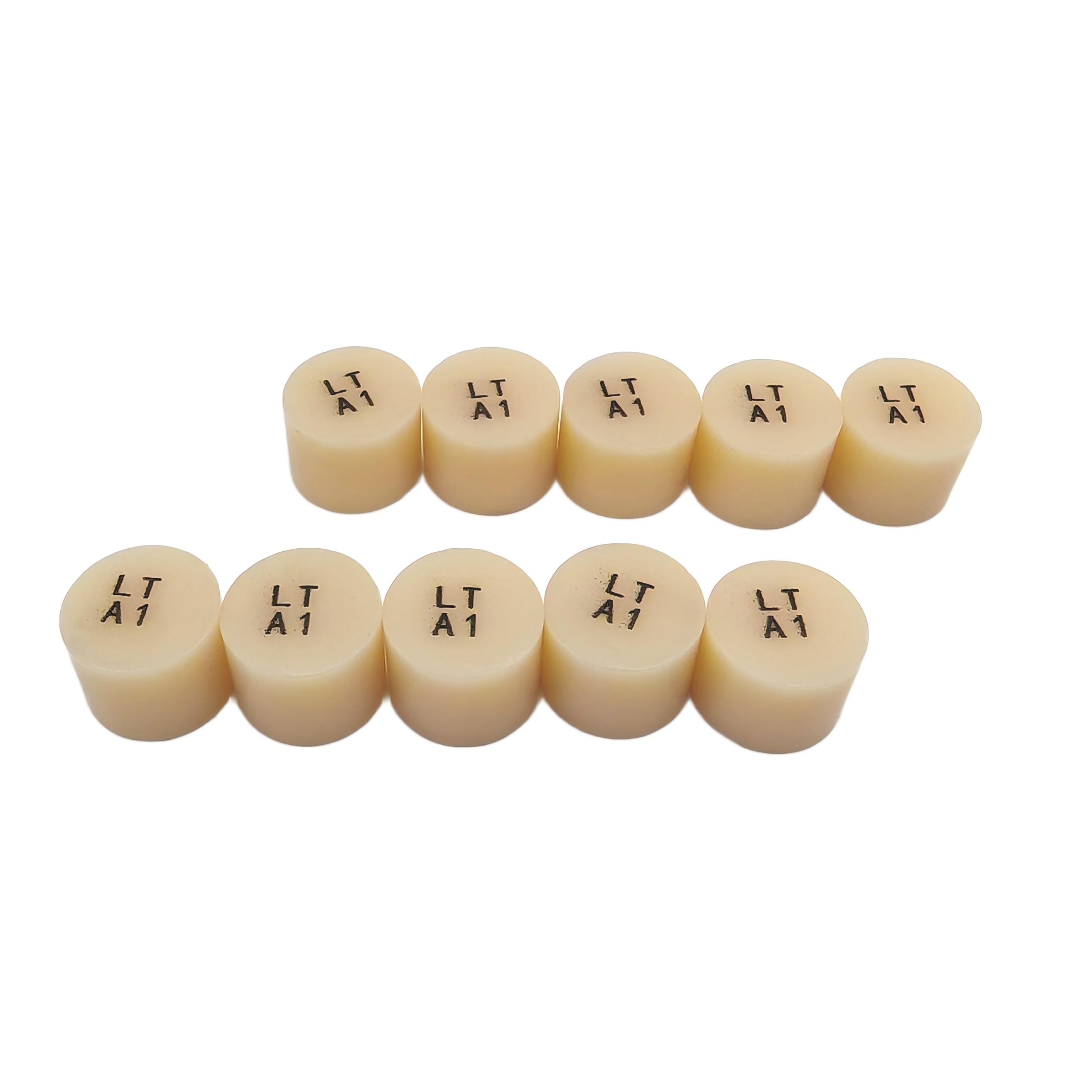
The final shade of a glass-ceramic restoration depends on numerous factors working in concert, and among the most critical is the glaze paste applied during the finishing stages. Many dental professionals and laboratory technicians understand that glaze paste serves a protective function, but fewer recognize its profound influence on the aesthetic outcome. The chemical composition, application thickness, firing temperature, and pigment concentration of glaze paste directly determine whether a restoration matches the patient's natural dentition or appears misaligned in color. Understanding this relationship transforms how practitioners approach shade verification, material selection, and final restoration delivery.
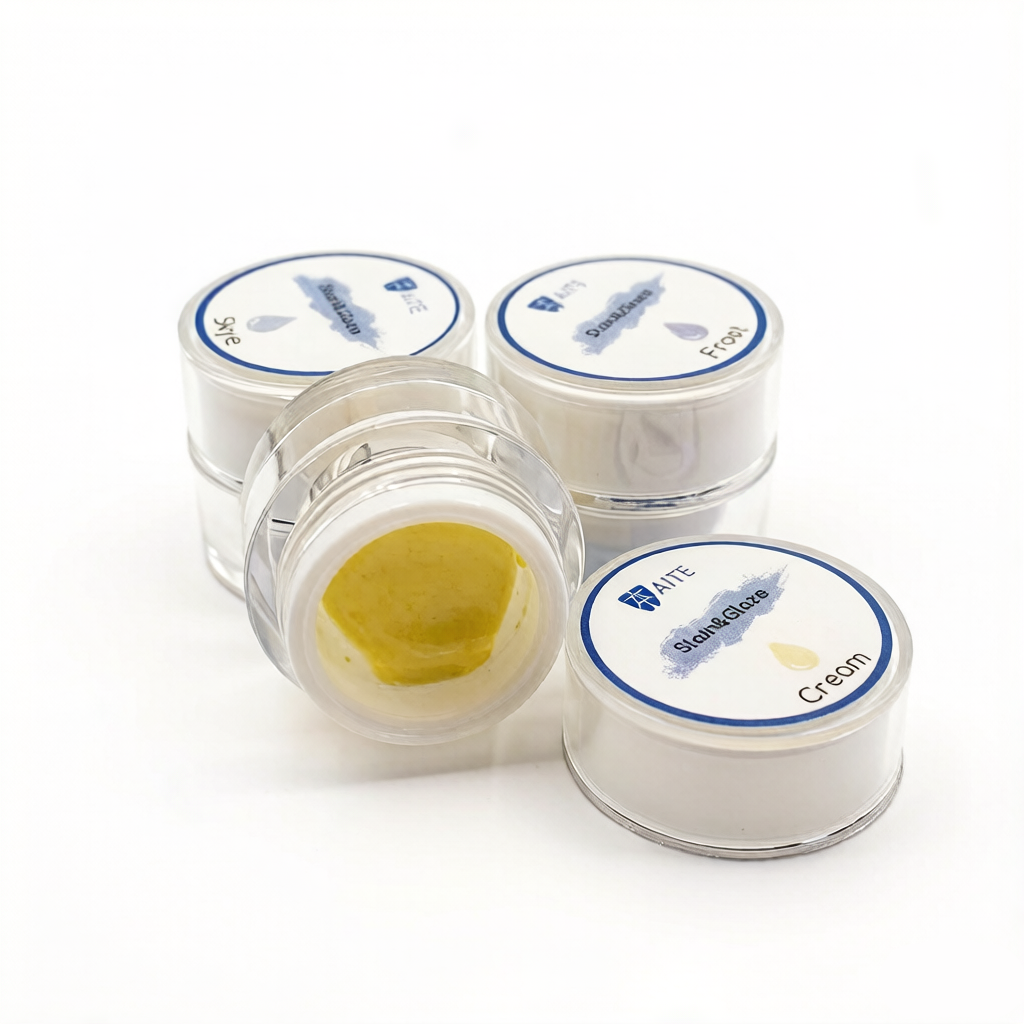
Glass-ceramic restorations begin as carefully selected base materials engineered to replicate tooth structure and optical properties. However, the journey from milled blank to delivered restoration involves critical refinement steps, with glaze paste application being one of the most transformative. The surface characteristics, translucency, gloss level, and ultimately the perceived shade all shift when glaze paste is introduced to the restoration. This final layer acts as both a protective barrier and an optical modifier, introducing new refractive properties and color dimensions that were not present in the unglazed ceramic. Recognizing this mechanism allows clinicians to predict, control, and optimize shade outcomes systematically.
The Chemical Composition of Glaze Paste and Shade Impact
How Glaze Paste Formulation Influences Color Perception
The glaze paste formulation itself contains glass-forming oxides, flux materials, and pigments that interact with the underlying glass-ceramic substrate. Different glaze paste manufacturers use varying ratios of silica, feldspar, and borax to achieve different viscosity and flow characteristics during firing. When glaze paste melts and fuses to the ceramic surface, it creates a new optical layer with its own refractive index. This refractive difference between the glaze paste and the base ceramic causes light to refract differently, effectively modifying the perceived shade. A glaze paste with higher transparency will allow more light to pass through to the underlying ceramic, while a more opaque glaze paste will scatter light and appear slightly lighter or more muted in tone.
Pigment Concentration in Glaze Paste and Final Shade
Pigment concentration within the glaze paste product directly correlates to the intensity of shade shift. High-quality glaze paste formulations use standardized pigment loading to ensure consistency batch to batch, while lower-grade glaze paste products may exhibit batch-to-batch variation that leads to unpredictable shade outcomes. Iron oxide, cobalt, manganese, and chromium compounds in glaze paste contribute to shade modification, with each pigment absorbing specific wavelengths of light. A glaze paste containing more iron oxide will shift the restoration toward warmer, more amber tones, whereas glaze paste with higher cobalt content moves the shade toward cooler, more blue-gray hues. Understanding the pigment profile of your chosen glaze paste brand allows technicians to make informed material selections before entering the firing chamber.
Application Thickness and Its Effect on Glass-Ceramic Shade
Glaze Paste Layer Thickness and Optical Behavior
The thickness at which glaze paste is applied to the glass-ceramic surface fundamentally alters the final shade outcome. A thin glaze paste application, typically 0.1 to 0.3 millimeters, creates minimal shade shift because light penetrates the thin layer quickly and reflects primarily from the underlying ceramic substrate. As glaze paste thickness increases toward 0.5 to 1.0 millimeters, the cumulative color saturation intensifies. The glaze paste becomes thick enough to create its own dominant optical contribution, making the shade noticeably darker, more saturated, or shifted toward the pigment's hue. Inconsistent glaze paste application thickness is a leading cause of unexpected shade variations between identical restorations, particularly when applying glaze paste by brush versus spray techniques.
Controlling Glaze Paste Thickness for Shade Predictability
Professional laboratories achieve consistent results by standardizing glaze paste application methods and thickness measurements. Using a calibrated glaze paste dispenser, brush, or spray applicator ensures repeatable layer thickness. Some advanced laboratories employ digital thickness gauges to verify glaze paste depth before firing, allowing technicians to make real-time adjustments. The glaze paste application consistency directly influences whether shade correction attempts succeed or create further variability. When glaze paste is applied uniformly across the entire restoration surface, the shade shift is predictable and uniform. Conversely, uneven glaze paste application leads to uneven shade shift, creating restorations that appear to have color gradation or blotching under clinical lighting.
Firing Temperature and Glaze Paste Maturation Effects on Final Shade
Temperature Profiles and Glaze Paste Color Development
Firing temperature has a substantial influence on how glaze paste matures and contributes to final shade. Standard glaze paste products are formulated to achieve full maturation at specific temperature ranges, typically between 870 and 920 degrees Celsius for dental glass-ceramic applications. When glaze paste is fired below its recommended temperature, it remains slightly underfused, creating a less glossy surface and incomplete color development. The glaze paste pigments may not fully activate, resulting in a lighter or washed-out appearance compared to properly fired samples. Conversely, overfiring the glaze paste beyond recommended temperatures can cause pigments to decompose or over-saturate, pushing the shade toward darker or more extreme hues than intended.
Furnace Calibration and Glaze Paste Consistency
Many laboratory furnaces exhibit temperature drift over time, meaning the actual firing temperature may differ from the programmed setpoint. If a furnace consistently fires 20 to 30 degrees Celsius cooler than programmed, every glaze paste application will be underfired, leading to systematically lighter shades across all restorations. Conversely, a furnace running hot will consistently overfuse the glaze paste, creating systematically darker outcomes. Regular furnace calibration using independent temperature verification ensures that glaze paste firing occurs at intended temperatures. This calibration step is particularly critical when switching between glaze paste brands or formulations, as different glaze paste products have different optimal firing curves. Technicians who maintain consistent glaze paste firing temperatures enjoy predictable, reproducible shade outcomes that align with their initial shade predictions.
Practical Integration of Glaze Paste into Shade Matching Workflows
Pre-Glaze Shade Verification and Glaze Paste Selection
Best-practice shade matching begins before glaze paste is ever selected or applied. Clinicians and technicians should establish baseline shade using unglazed or minimally glazed sample blocks to understand how their specific glaze paste shifts the appearance. Once this baseline is established, the glaze paste product chosen becomes a standardized tool within the workflow. Selecting a single glaze paste brand and formulation eliminates one major source of variability. When the entire laboratory consistently uses the same glaze paste product, technicians develop intuitive understanding of how that particular glaze paste modifies shade at different application thicknesses and firing temperatures. This standardization reduces clinical remakes due to unacceptable shade, directly improving efficiency and patient satisfaction.
Documentation and Shade Adjustment Protocols Involving Glaze Paste
Documentation of glaze paste variables creates a traceable record that supports continuous improvement. Recording the glaze paste batch number, application thickness, furnace temperature, and resulting shade comparison allows technicians to identify patterns and refine processes. When a glaze paste application requires shade correction, documenting whether the glaze paste thickness was increased, decreased, or the furnace temperature was adjusted builds institutional knowledge. This data-driven approach to glaze paste management transforms aesthetic dentistry from an art dependent on individual skill into a reproducible system. Laboratories that implement glaze paste documentation protocols consistently outperform those relying on intuitive judgment alone, as the documented glaze paste specifications provide a foundation for training new technicians and maintaining quality standards.
FAQ
How Much Shade Shift Should I Expect When Applying Glaze Paste?
The magnitude of shade shift from glaze paste application depends on the product formulation, pigment concentration, and layer thickness applied. Typically, a standard glaze paste application shifts the shade between 0.5 and 2.0 shade units on a conventional shade guide. This shift is usually in the direction of slightly darker and more saturated appearance due to the optical contribution of the glaze paste layer. Understanding your specific glaze paste product's typical shade shift range allows you to account for this effect during initial shade selection before the glaze paste is applied. Some manufacturers provide shade prediction charts showing how their glaze paste affects different base ceramics.
Can I Use Different Glaze Paste Products and Still Maintain Shade Consistency?
Switching between different glaze paste brands or formulations introduces significant variability because each glaze paste product has its own pigment profile, refractive properties, and optimal firing characteristics. Using multiple glaze paste products within the same laboratory results in inconsistent shade outcomes even when technicians follow identical application and firing protocols. For this reason, professional laboratories standardize on a single glaze paste product that best aligns with their clinical requirements and aesthetic philosophy. Once you establish baseline performance data for your chosen glaze paste, stick with it consistently to maintain predictable, reproducible results.
What Happens If Glaze Paste Is Applied Too Thick?
Excessive glaze paste thickness can create several problems including unpredictable and overly intense shade shift, loss of detail on the restoration surface, and increased risk of glaze paste pooling in concave areas. When glaze paste is applied too thickly, the pigments become overly saturated, pushing the shade toward extremely dark or artificially vivid hues that do not match natural tooth structure. Additionally, thick glaze paste layers may obscure surface anatomy and texture details that were meticulously crafted during the ceramic milling and contouring phases. Proper glaze paste application involves using a minimal, even layer that provides sufficient maturation and gloss without compromising aesthetic details or creating unpredictable shade outcomes.