
 EN
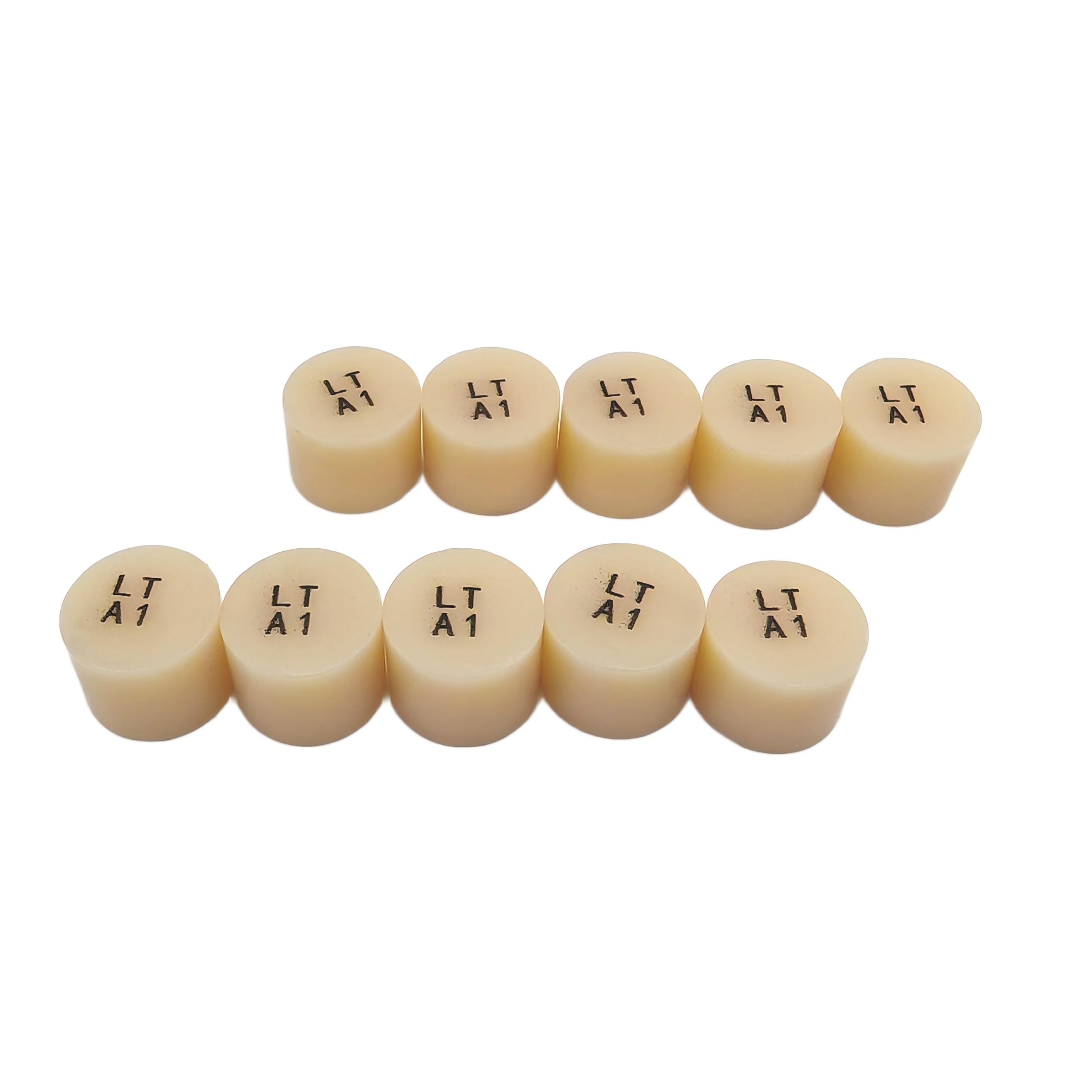
Selecting the right glaze paste is fundamental to achieving durable, esthetically superior lithium disilicate restorations. Lithium disilicate has become the material of choice for anterior and posterior restorations due to its excellent strength, translucency, and biocompatibility. However, the final clinical outcome depends significantly on how the restoration surface is finished and protected. The glaze paste applied to lithium disilicate acts as a protective seal, enhances surface luster, and improves overall restoration longevity. Without proper glaze paste application, even the most precisely fabricated restoration may exhibit surface irregularities, reduced light reflection, and compromised resistance to staining and wear.
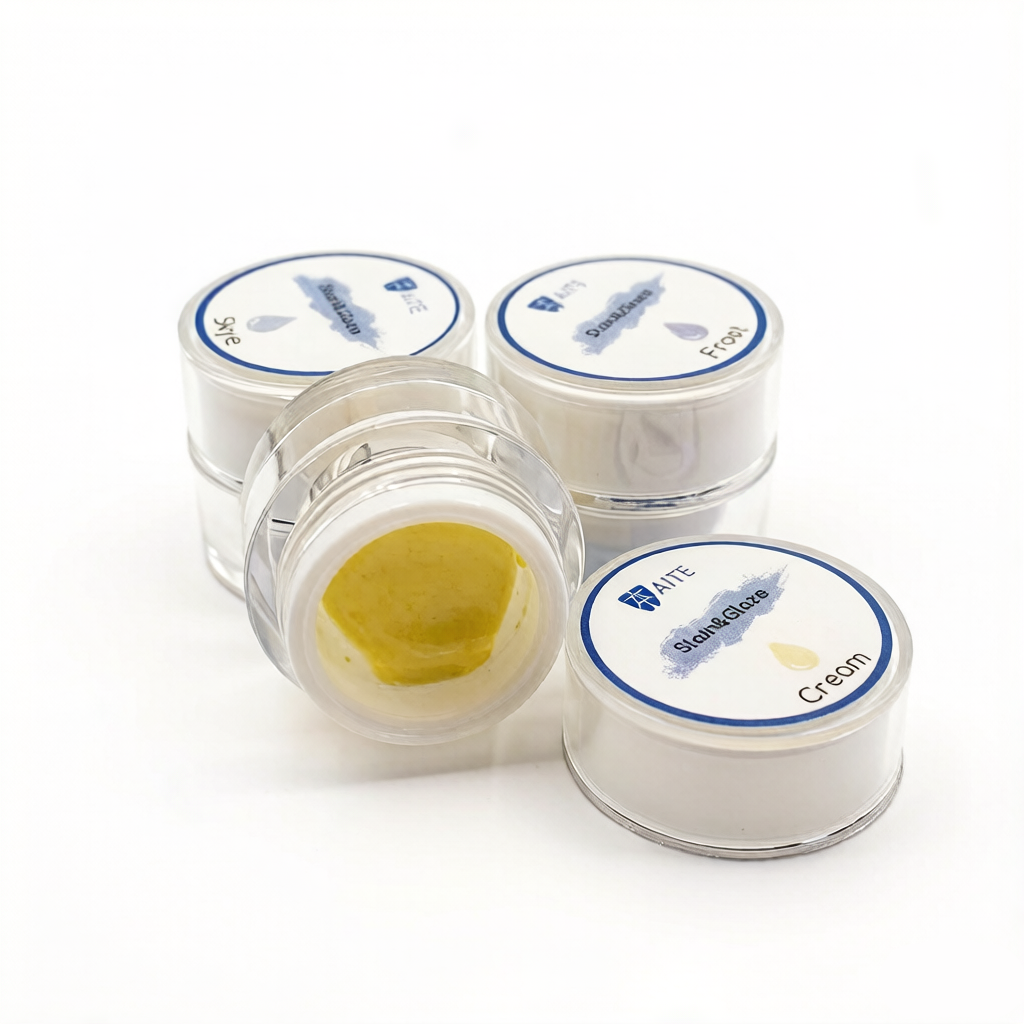
Clinicians and laboratory technicians face multiple decisions when selecting a glaze paste for lithium disilicate work. The choice involves understanding material chemistry, application methodology, firing parameters, and compatibility with the underlying restoration substrate. This comprehensive guide examines how to choose and apply the optimal glaze paste for lithium disilicate restorations, ensuring predictable esthetic and functional results that meet modern clinical expectations.
Understanding Glaze Paste Composition and Function
Chemical Composition and Adhesion Mechanism
Glaze paste formulations designed for lithium disilicate contain carefully balanced glass components that chemically bond to the restoration surface. The glaze paste composition typically includes feldspar, silica, alumina, and flux agents that lower the melting point and promote surface flow. When glaze paste is fired at appropriate temperatures, it creates a continuous, nonporous surface layer that seals microscopic irregularities created during milling, adjusting, or polishing. This chemical integration ensures the glaze paste becomes an integral part of the restoration rather than merely sitting on the surface.
Surface Protection and Esthetic Enhancement
The primary function of quality glaze paste for lithium disilicate is to protect the underlying ceramic from contamination and wear. Surface-sealed restorations exhibit superior resistance to staining, moisture infiltration, and mechanical abrasion. Additionally, a well-applied glaze paste layer enhances the restoration's translucency and light reflection characteristics, contributing to improved esthetics and a more natural appearance. The glaze paste also prevents plaque accumulation by creating a smoother, less reactive surface, which supports better oral hygiene and periodontal health around the restoration.
Selection Criteria for Optimal Glaze Paste Performance
Compatibility with Lithium Disilicate Substrate
Not all glaze paste products perform identically on lithium disilicate. The coefficient of thermal expansion of the glaze paste must closely match that of the lithium disilicate to prevent crazing, peeling, or fracture during cooling. Manufacturer specifications should always be verified to confirm the glaze paste is specifically formulated for lithium disilicate use. Incompatible glaze paste materials can cause surface defects, reduced adhesion, and premature failure. Leading dental material suppliers provide glaze paste products with documented compatibility data and clinical evidence supporting their use on lithium disilicate restorations.
Color Stability and Light Transmission
Premium glaze paste products maintain color stability without yellowing or darkening over time. The glaze paste should be transparent or minimally tinted so it does not alter the underlying restoration's original shade and translucency characteristics. Some glaze paste formulations are offered in tinted versions for specific applications, but neutral glaze paste options remain standard for most anterior restorations. Testing the glaze paste on shade samples before clinical application ensures the final restoration meets esthetic expectations.
Application Technique and Firing Protocols
Preparation and Glaze Paste Application
Before applying glaze paste, the lithium disilicate restoration surface must be thoroughly cleaned to remove any residues, oils, or contaminants. Many clinicians and technicians use light sandblasting or acid etching to create a microretentive surface that enhances glaze paste adhesion. The glaze paste should be applied in a thin, even layer using a specialized brush or applicator to ensure uniform coverage. Excess glaze paste must be carefully removed to prevent dripping or pooling on the restoration margins. The glaze paste application thickness directly influences the final surface quality and must follow the specific product instructions provided by the manufacturer.
Firing Temperature and Duration Optimization
Firing parameters are critical to achieving successful glaze paste integration with lithium disilicate. Most glaze paste products require firing at temperatures between 850 and 950 degrees Celsius, though specific requirements vary by product formulation. The glaze paste firing time, ramp rate, and hold duration must be precisely controlled to achieve proper flow and surface fusion without damaging the underlying restoration. Underfired glaze paste results in incomplete surface sealing and reduced luster, while overfiring the glaze paste can cause surface roughness or unwanted color shifts. Following the manufacturer's recommended firing protocol for each glaze paste product ensures optimal clinical results.
Post-Firing Surface Assessment
After the glaze paste firing cycle is complete, the restoration surface should be examined under magnification to verify the glaze paste created a smooth, glossy, nonporous finish. A successful glaze paste application appears uniform in color and luster across the entire visible surface. Any areas where the glaze paste appears dull, rough, or mottled may indicate inadequate firing, surface contamination, or product incompatibility. If surface irregularities are detected after glaze paste firing, selective polishing or reapplication of glaze paste may be necessary before delivery to the patient.
FAQ
Can a lithium disilicate restoration be used without glaze paste application?
While lithium disilicate restorations are functional without glaze paste, the lack of surface sealing significantly reduces longevity and esthetic stability. Unglazed restorations exhibit greater porosity, increased susceptibility to staining, and reduced resistance to mechanical wear. Clinical evidence strongly supports glaze paste application as a standard protocol for maximizing restoration durability and patient satisfaction. Most contemporary practices and laboratories consider glaze paste finishing an essential step rather than an optional enhancement.
How long does glaze paste typically maintain its protective properties?
Properly applied glaze paste on lithium disilicate restorations typically maintains protective and esthetic properties for the lifespan of the restoration, often exceeding ten years or more. The glaze paste surface may gradually show minor wear from normal mastication and oral function, but the underlying restoration remains sealed and protected. If significant glaze paste degradation occurs prematurely, it may indicate initial application issues, incompatible product selection, or underlying restoration complications. Regular clinical evaluation allows early detection of any glaze paste deterioration.
Are there differences in glaze paste performance between laboratory and chairside applications?
Laboratory-applied glaze paste benefits from controlled firing environments and specialized equipment, typically resulting in more consistent and superior surface quality compared to chairside applications. However, chairside glaze paste application using portable firing units is possible and acceptable when done with careful attention to preparation, application, and firing protocols. Regardless of setting, the fundamental principles for achieving optimal glaze paste results remain consistent. Clinicians should verify their equipment capabilities and receive proper training on glaze paste application techniques appropriate to their practice environment.