
 EN
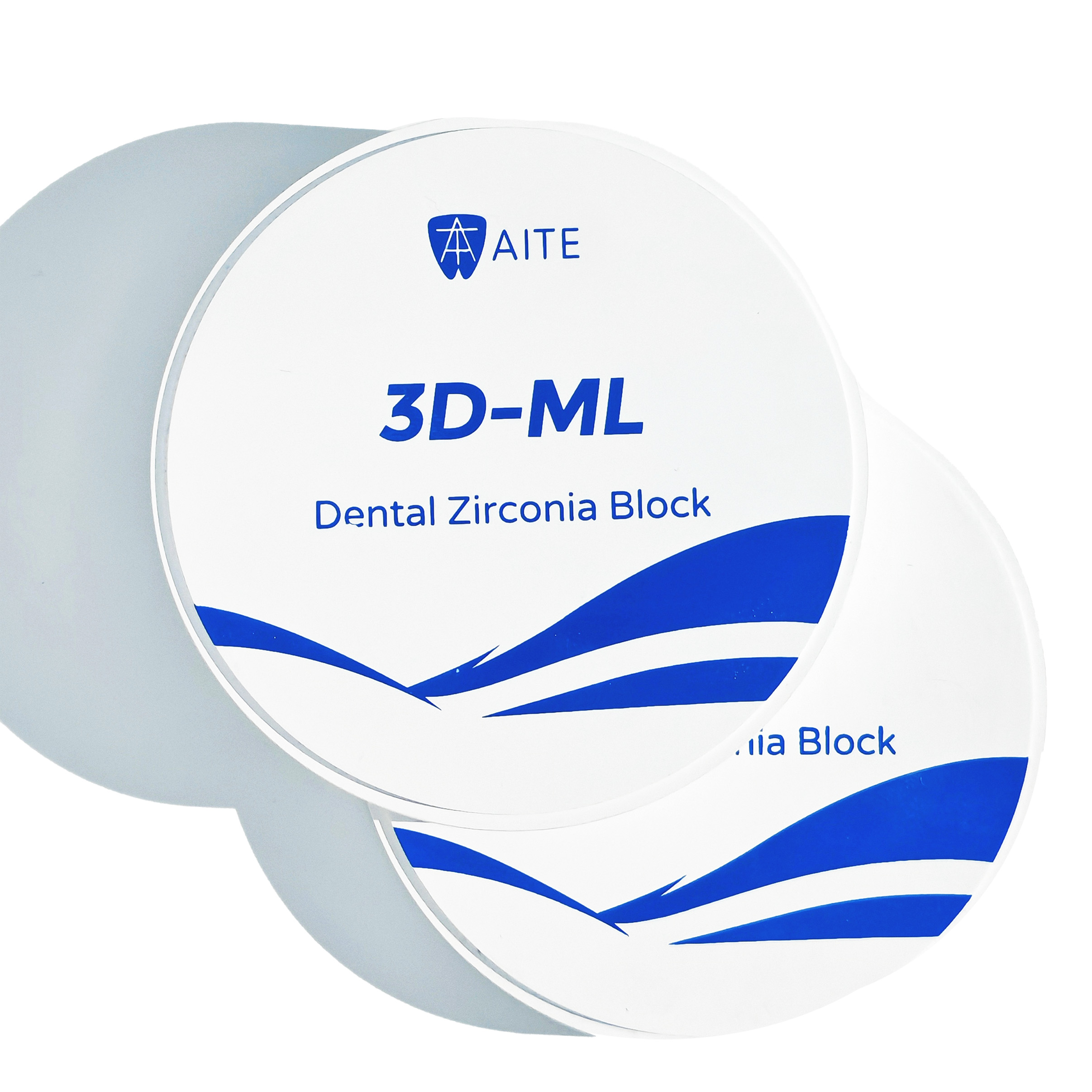
Machining Glass-Ceramic Discs is a precision process that demands careful attention to material properties, tooling strategies, and processing parameters. Dental technicians and manufacturers who work with Glass-Ceramic Discs understand that even small errors can compromise the final restoration's strength, fit, and aesthetics. The brittle nature of Glass-Ceramic Discs requires specialized knowledge to prevent chipping, fracturing, and surface degradation during milling operations. Understanding how to avoid defects when machining Glass-Ceramic Discs is essential for maintaining product quality and reducing waste in dental manufacturing environments.
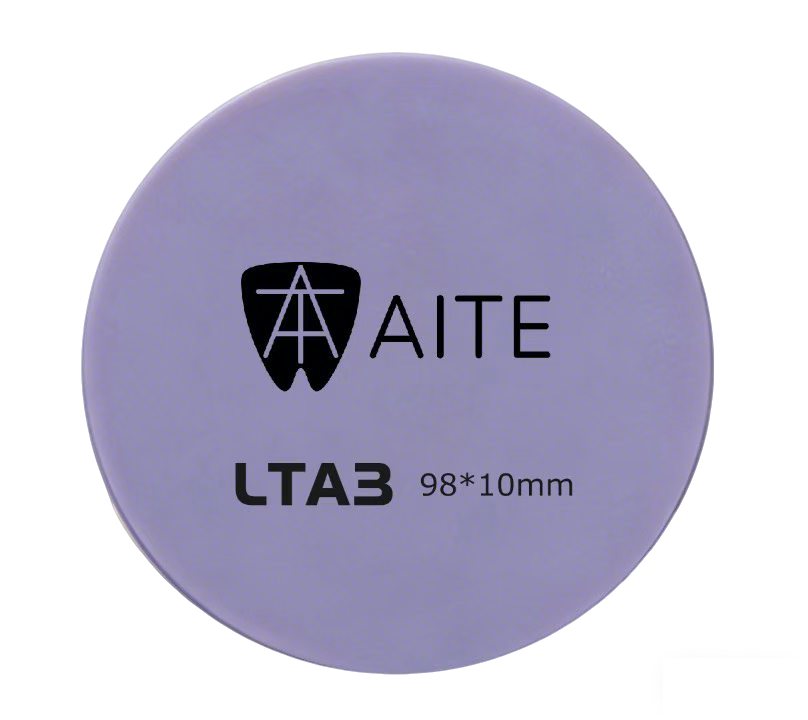
The challenge of machining Glass-Ceramic Discs lies in balancing cutting speed, feed rate, and tool geometry to achieve smooth surfaces without inducing microcracks or structural weaknesses. Glass-Ceramic Discs, particularly lithium disilicate compositions, have unique mechanical properties that differ significantly from metals or other ceramics. When operators lack proper understanding of Glass-Ceramic Discs handling during CAD-CAM milling, defects accumulate quickly, leading to increased scrap rates and project delays. This guide explores proven strategies for preventing defects when machining Glass-Ceramic Discs and maintaining consistency across production batches.
Understanding Material Properties of Glass-Ceramic Discs
Brittle Behavior and Fracture Mechanics
Glass-Ceramic Discs exhibit brittle fracture behavior, meaning they resist deformation but fail suddenly when stress exceeds their threshold. Unlike malleable metals, Glass-Ceramic Discs cannot absorb energy through plastic deformation, making them prone to chipping during cutting operations. The crystalline structure within Glass-Ceramic Discs creates internal stress points that can propagate into visible defects if cutting forces are not carefully controlled. Understanding this fundamental characteristic is critical before attempting to machine Glass-Ceramic Discs with conventional tooling or aggressive parameters.
Thermal Sensitivity and Heat Generation
Glass-Ceramic Discs are sensitive to rapid temperature fluctuations during machining. Excessive heat generated at the cutting interface can create thermal stress within Glass-Ceramic Discs, leading to internal microcracks invisible to the naked eye. These latent defects may not appear until the restoration is glazed, adjusted, or placed in the mouth, causing catastrophic failure after delivery. Controlling heat during machining of Glass-Ceramic Discs requires proper coolant application, moderate cutting speeds, and tool selection that minimizes friction without sacrificing precision.
Optimizing Tooling and Cutting Strategies for Glass-Ceramic Discs
Selecting the Right Cutting Tools
Diamond-coated or carbide tools are essential when machining Glass-Ceramic Discs because they withstand the hardness of the material while maintaining edge sharpness throughout the cut. Dull tools generate excessive heat and force during machining of Glass-Ceramic Discs, dramatically increasing the risk of chipping and subsurface fracturing. Tool geometry plays a vital role when working with Glass-Ceramic Discs; specialized cutting edges designed for ceramic materials maintain better surface quality than general-purpose milling tools. Regular inspection and timely replacement of worn tools prevent the gradual degradation of surface finish and the introduction of hidden defects in Glass-Ceramic Discs.
Spindle Speed and Feed Rate Optimization
The spindle speed for machining Glass-Ceramic Discs should be higher than for metal machining but lower than for stone or composite materials, typically between 12,000 and 20,000 RPM depending on disc thickness and tool size. Feed rates must remain conservative when working with Glass-Ceramic Discs, advancing slowly through the material to allow the tool to cut cleanly rather than fracture material from the edge. Aggressive parameters commonly used for other dental materials will produce catastrophic chipping in Glass-Ceramic Discs. Testing material-specific parameters before production runs ensures that each batch of Glass-Ceramic Discs experiences optimal cutting conditions that minimize defects.
Controlling Environmental and Process Variables
Coolant and Fluid Management
Continuous coolant application during machining of Glass-Ceramic Discs removes heat, protects the tool edge, and flushes away debris that might otherwise scratch or crack the workpiece. Water-based coolants are preferred for Glass-Ceramic Discs because they provide superior thermal control and reduce the risk of thermal shock-induced microcracks. The coolant flow rate must be sufficient to maintain consistent temperature around the cutting zone without creating turbulence that might stress Glass-Ceramic Discs unpredictably. Inadequate cooling is one of the most common causes of defects in machined Glass-Ceramic Discs, making this control point non-negotiable in quality manufacturing.
Fixture Stability and Vibration Reduction
Glass-Ceramic Discs must be held securely in fixtures that distribute clamping pressure evenly to prevent localized stress concentration. Excessive vibration during milling of Glass-Ceramic Discs introduces dynamic stress that can initiate cracks even if static cutting forces remain within acceptable ranges. Rigid spindle systems, balanced tools, and precision fixtures collectively minimize vibration that would otherwise compromise surface quality and structural integrity of Glass-Ceramic Discs. Regular maintenance of milling equipment and verification of fixture alignment before each production run reduce vibration-induced defects in Glass-Ceramic Discs.
Post-Milling Inspection and Quality Assurance
Surface Analysis and Defect Detection
Visual inspection under magnification reveals surface chipping and edge irregularities in machined Glass-Ceramic Discs, but subsurface microcracks require more sophisticated detection methods. Ultrasonic scanning and thermal imaging can identify internal defects within Glass-Ceramic Discs that are invisible to optical inspection but will cause premature failure during clinical use. Implementing systematic inspection protocols for every batch of Glass-Ceramic Discs ensures that only flawless restorations reach the patient, protecting both clinical outcomes and laboratory reputation.
Dimensional Verification and Tolerance Control
Precise dimensional control ensures that Glass-Ceramic Discs fit accurately into the milling unit and produce restorations that seat properly without requiring excessive adjustment. Tolerance drift often correlates with tool wear during machining of Glass-Ceramic Discs; monitoring dimensional accuracy helps detect when tools require replacement before they cause surface defects. Strict adherence to CAD-CAM software specifications and regular calibration of measurement equipment maintain tight tolerances for Glass-Ceramic Discs throughout production.
FAQ
Why do Glass-Ceramic Discs chip more easily than other dental materials?
Glass-Ceramic Discs have brittle material properties that prevent plastic deformation, unlike metals or resin composites. When cutting forces exceed the strength threshold of Glass-Ceramic Discs, the material fractures suddenly at the tool interface rather than bending or flowing. This brittleness is inherent to the crystalline structure of Glass-Ceramic Discs and requires machining techniques specifically designed for brittle materials to prevent chipping and microcracking.
What coolant type is best for machining Glass-Ceramic Discs?
Water-based coolants are optimal for machining Glass-Ceramic Discs because they provide superior heat dissipation compared to oil-based or aerosol coolants. Water's high thermal capacity effectively removes heat generated during milling of Glass-Ceramic Discs, reducing the risk of thermal stress-induced microcracks. The coolant must flow continuously during the entire cutting operation for Glass-Ceramic Discs to maintain consistent temperature and prevent thermal shock to the workpiece.
How can labs detect hidden defects in machined Glass-Ceramic Discs?
Beyond visual inspection, ultrasonic scanning and thermal imaging can reveal subsurface microcracks in Glass-Ceramic Discs that would otherwise go undetected until clinical failure occurs. Some laboratories use high-resolution optical scanning to map surface texture and identify stress concentrations within Glass-Ceramic Discs. Implementing a combination of inspection methods ensures that only structurally sound Glass-Ceramic Discs enter the delivery pipeline, protecting patient outcomes and laboratory reputation.