
 EN
EN
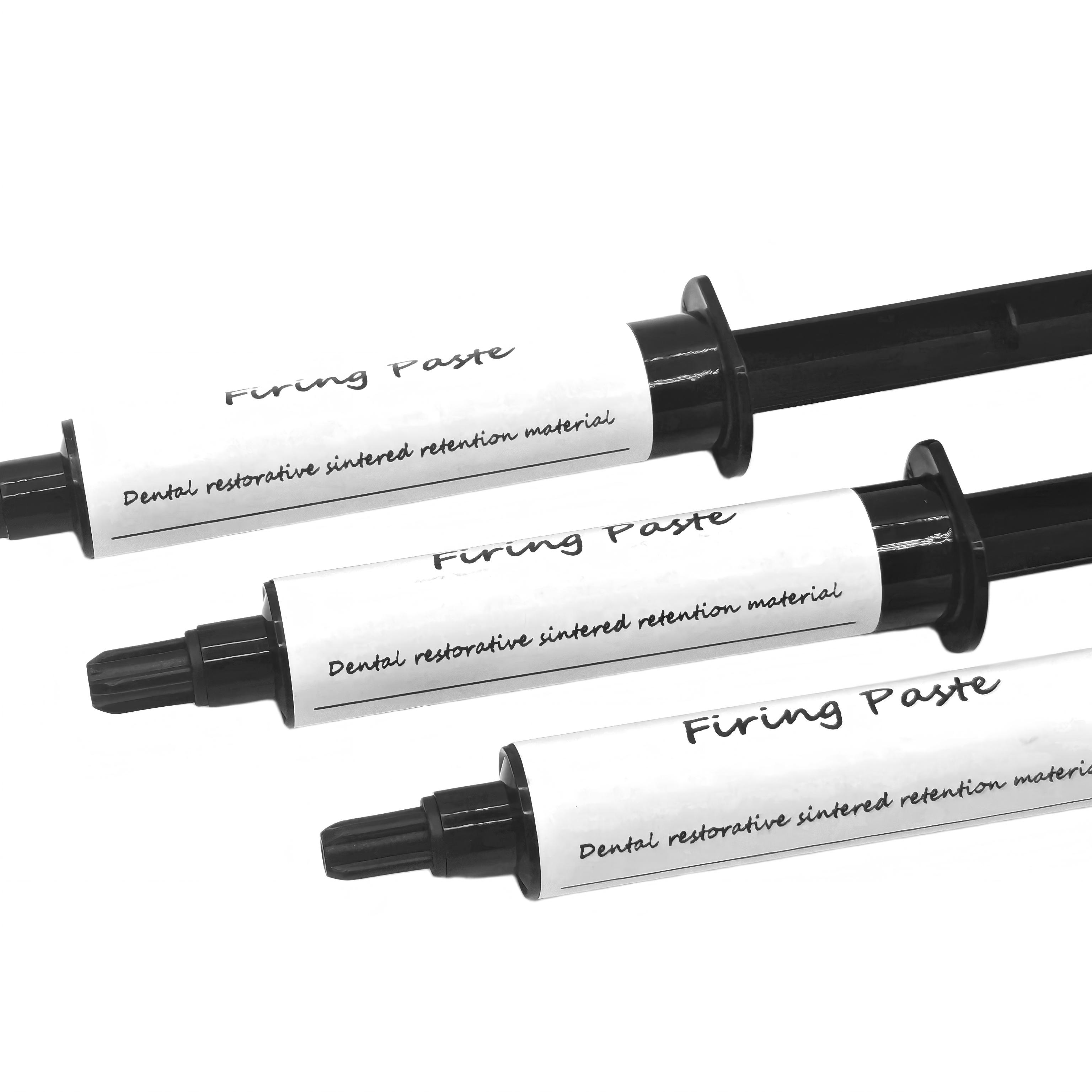
The purpose of dental firing paste is to provide essential support and protection during the high-temperature firing process of ceramic dental restorations. Dental professionals recognize that dental firing paste serves as a critical material in achieving durable, aesthetically superior restorations that meet modern clinical standards. Understanding the purpose of dental firing paste and its role in restorative dentistry helps practitioners deliver consistent, high-quality outcomes for patients requiring crown, bridge, or veneer work.
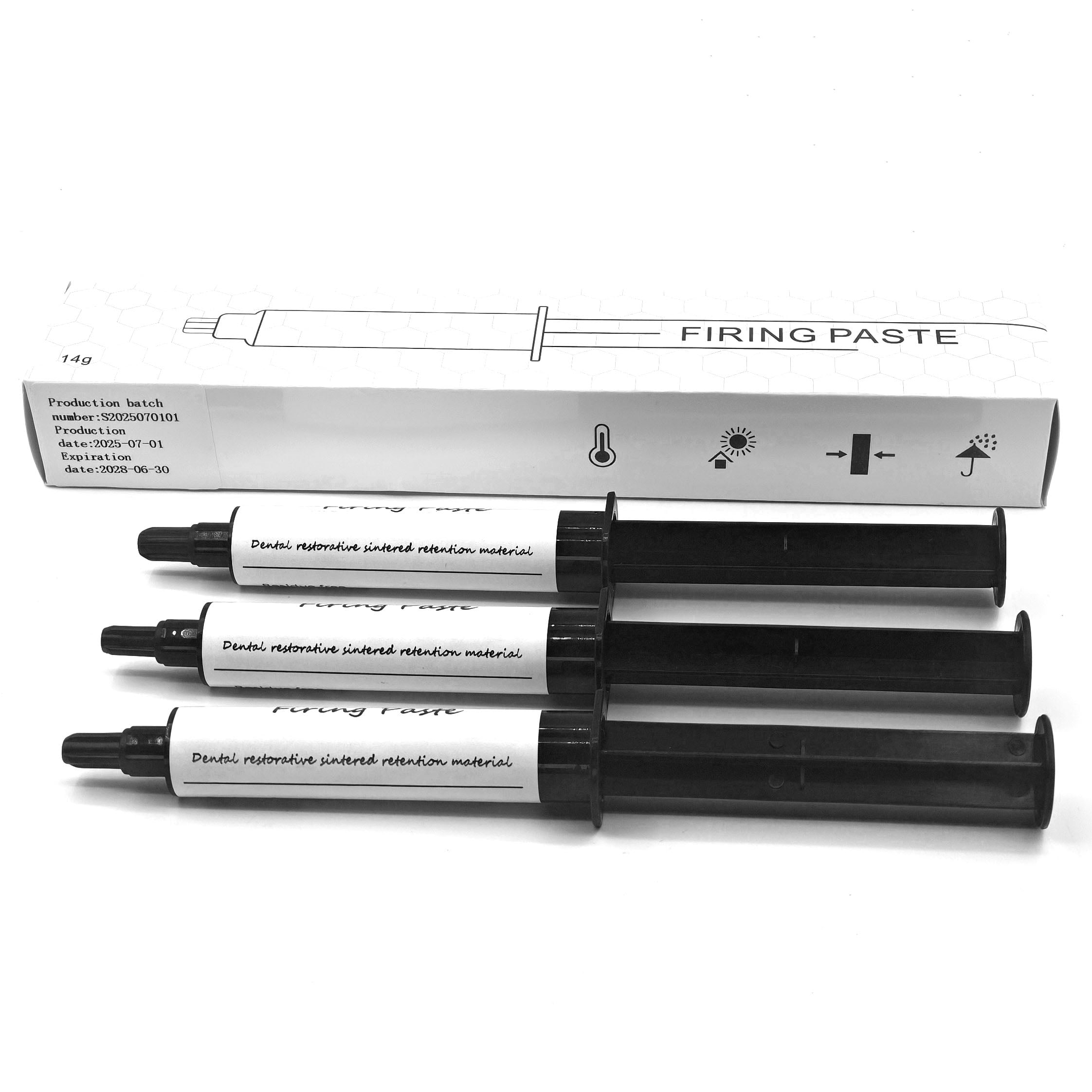
Ceramic dental restorations require precise firing conditions to develop their final strength, color stability, and surface characteristics. The purpose of dental firing paste extends beyond simple material placement—it actively manages heat distribution, prevents unwanted chemical reactions, and maintains the dimensional accuracy of the restoration throughout the firing cycle. This specialized application ensures that each restoration achieves optimal clinical performance while maintaining the aesthetic properties that patients expect.
Primary Functions of Dental Firing Paste
Supporting Restoration Geometry During Firing
The purpose of dental firing paste includes providing mechanical support to prevent warping, slumping, or distortion as ceramic materials reach their sintering temperature. During the firing process, ceramic materials experience thermal expansion and contraction, which can compromise restoration margins, occlusal anatomy, and overall fit if not properly supported. Dental firing paste fills the space beneath and around the restoration, creating a stable platform that maintains precise geometry while the ceramic undergoes phase changes at elevated temperatures. This support function directly influences the clinical success and longevity of the finished restoration.
Preventing Unwanted Surface Reactions
Another critical purpose of dental firing paste is to create a barrier between the restoration and kiln atmosphere, reducing oxidation and preventing surface contamination during the heating cycle. Without adequate firing paste application, the exposed ceramic surface may develop discoloration, oxidation marks, or rough textures that compromise aesthetics and require additional finishing. The purpose of dental firing paste also includes protecting glaze layers and preventing them from running or fusing improperly during high-temperature exposure. This protective function ensures the restoration maintains its intended color, translucency, and surface finish after firing.
Technical Benefits and Clinical Outcomes
Enhancing Color Stability and Aesthetics
Proper use of dental firing paste ensures consistent color development and prevents unwanted staining or discoloration during the firing process. The purpose of dental firing paste in protecting aesthetic properties cannot be overstated, as color matching represents one of the most critical aspects of restorative success. When dental firing paste is applied correctly, it maintains the restoration's intended shade, translucency, and surface luster, eliminating the need for post-firing corrections or replacements. This consistency in aesthetic outcomes builds patient satisfaction and reduces rework time in the laboratory.
Optimizing Structural Integrity
The purpose of dental firing paste extends to promoting proper sintering and crystalline phase development within the ceramic material. By maintaining controlled heating rates and preventing rapid temperature fluctuations, dental firing paste contributes to the development of strong, uniformly dense ceramic that resists fracture and wear. Laboratory professionals who understand the purpose of dental firing paste can select appropriate application thickness and coverage patterns based on restoration type, size, and ceramic composition. This optimization translates into restorations with superior marginal fit, resistance to chipping, and extended clinical longevity.
Application Standards and Best Practices
Proper Selection and Application Techniques
Achieving the intended purpose of dental firing paste requires understanding the specific composition, consistency, and coverage requirements for different restoration scenarios. Practitioners must consider restoration size, ceramic type, firing temperature profile, and kiln characteristics when determining the purpose of dental firing paste and how best to apply it. Consistent application thickness, typically between 2 to 4 millimeters, ensures uniform heat distribution and prevents localized cooling variations that could compromise restoration quality. The purpose of dental firing paste is fully realized only when practitioners follow manufacturer recommendations and maintain disciplined application protocols.
Integration with Firing Protocols
The purpose of dental firing paste is optimized when integrated with appropriate kiln programming, including controlled heating rates, holding times at peak temperature, and gradual cooling cycles. Rapid temperature changes can overwhelm the protective function of dental firing paste, leading to thermal stress and restoration failure. Professional laboratories establish standardized firing programs that work in concert with their chosen dental firing paste, ensuring repeatability and predictability in restoration outcomes. This systematic approach to utilizing dental firing paste reflects best practices in contemporary dental technology and supports both clinical success and operational efficiency.
FAQ
What specific purpose does dental firing paste serve during ceramic sintering?
Dental firing paste serves multiple essential purposes during ceramic sintering: it prevents warping and slumping by providing mechanical support to the restoration, protects the ceramic surface from oxidation and atmospheric contamination, maintains dimensional accuracy as the material expands and contracts with temperature changes, and promotes uniform color development and aesthetic outcomes. The material essentially acts as a stabilizing medium that allows controlled ceramic transformation at high temperatures.
How does the purpose of dental firing paste differ from other kiln materials?
The purpose of dental firing paste differs from other kiln materials because it is specifically formulated to contact the restoration directly while providing thermal buffering and chemical protection. Unlike refractory kiln shelves or stilts, dental firing paste offers intimate contact that distributes heat evenly across the restoration's underside and prevents surface defects. The purpose of dental firing paste also includes dissolving or releasing from the restoration surface after firing, leaving a clean restoration that requires minimal post-processing, whereas other materials remain as permanent kiln elements.
Can understanding the purpose of dental firing paste improve restoration quality?
Yes, practitioners who understand the purpose of dental firing paste can make informed decisions about application depth, coverage patterns, and firing protocols that directly impact restoration quality. When laboratory professionals recognize that the purpose of dental firing paste extends to controlling thermal dynamics and protecting aesthetics, they apply it more thoughtfully and achieve more consistent results. This knowledge-based approach reduces failures, minimizes rework, and helps deliver restorations with superior fit, color accuracy, and clinical longevity.