
 EN
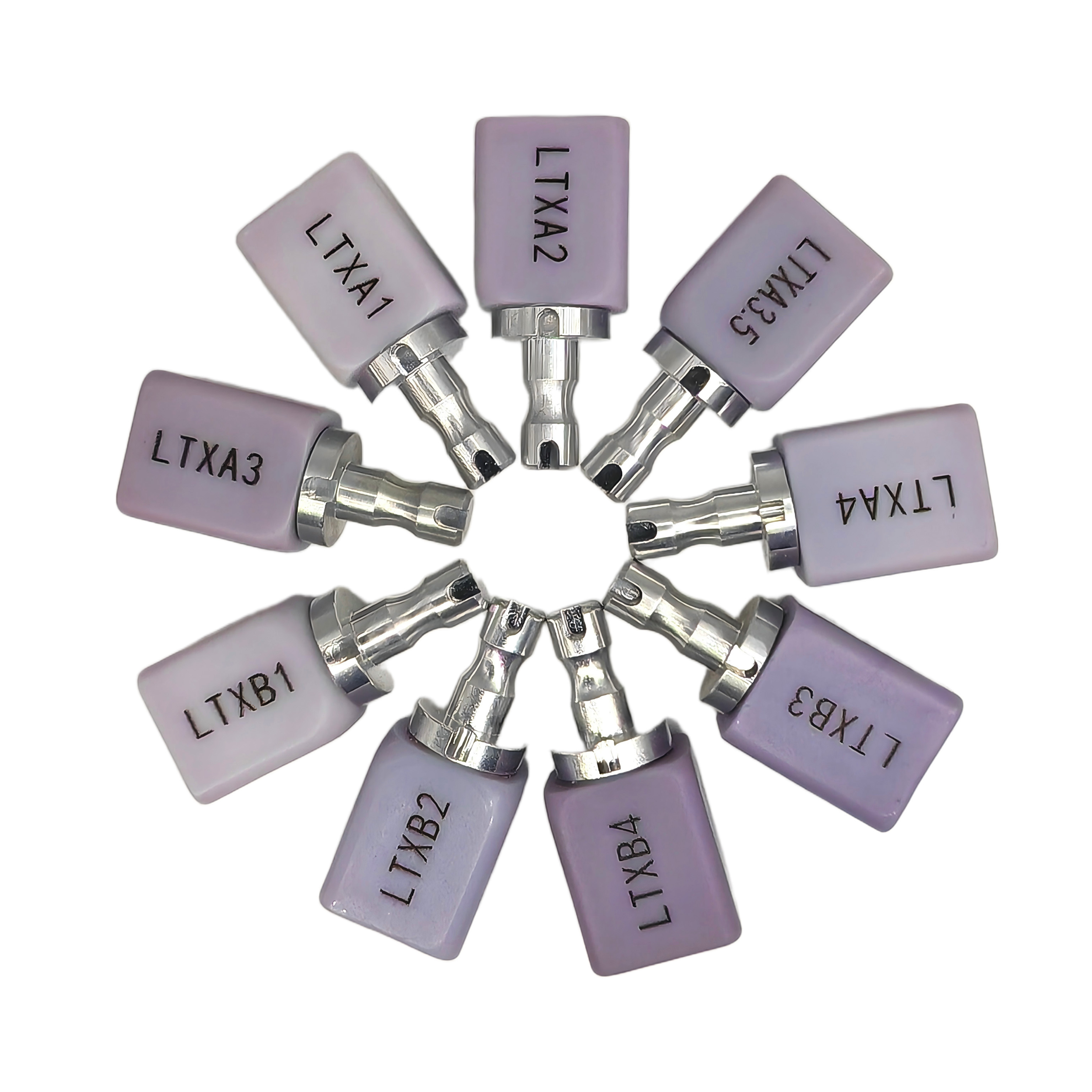
A milling machine stands as the backbone of modern lithium disilicate processing in dental laboratories and industrial settings. The longevity and precision of your milling machine directly determine both the quality of processed materials and your operational efficiency. When maintenance is neglected, even the most advanced milling machine suffers accelerated wear, reduced accuracy, and ultimately, shortened service life. Understanding how to properly maintain your milling machine ensures that lithium disilicate materials achieve their full processing potential while keeping downtime and replacement costs to a minimum.
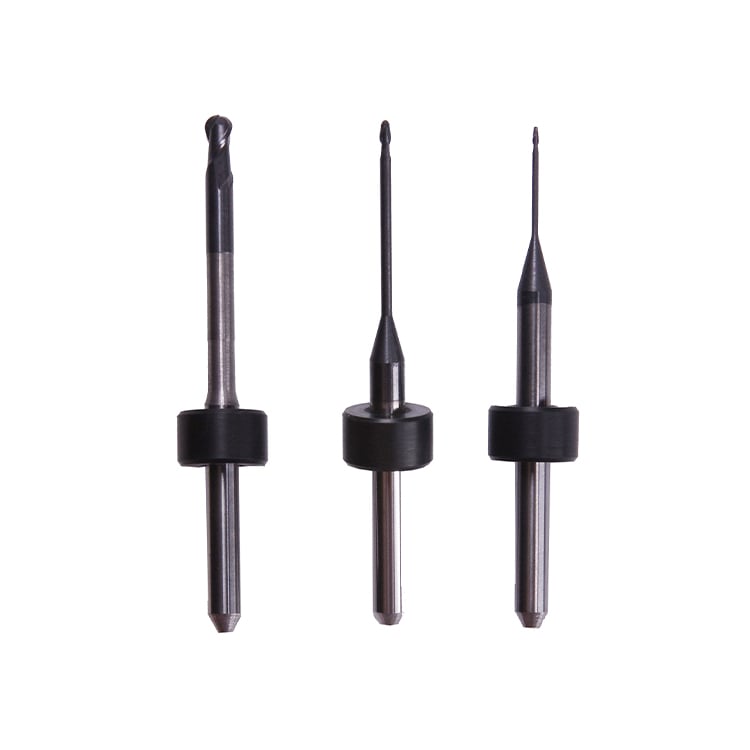
Lithium disilicate is a demanding material that places specific stresses on milling equipment due to its hardness and brittleness. A well-maintained milling machine handles this challenging material with precision, consistently producing high-quality restorations without chipping, fracturing, or dimensional drift. Preventive care transforms your milling machine from a source of operational worry into a reliable asset that performs predictably across thousands of cycles.
Core Maintenance Practices for Extended Milling Machine Life
Regular Cleaning and Spindle Care
The spindle is the heart of your milling machine, and its condition directly affects machining accuracy and material quality. After each lithium disilicate processing session, debris, dust, and fine particles accumulate within the spindle housing and around the chuck interface. A milling machine with contaminated spindle components experiences increased friction, thermal drift, and premature bearing wear. Weekly spindle flushing with appropriate compressed air and periodic manual inspection prevent particle buildup that compromises your milling machine's precision. For high-volume operations, investing in automated spindle cleaning systems ensures your milling machine maintains tolerances within specification limits even during continuous lithium disilicate production.
Tool and Chuck Maintenance
The cutting tools and chuck assembly determine how effectively your milling machine processes lithium disilicate. Dull or damaged cutting tools force the milling machine to work harder, generating excessive heat that degrades both the tool and surrounding mechanical components. Establish a tool replacement schedule based on your lithium disilicate volume; tools should be replaced before they become visibly worn. Similarly, the chuck that holds tools must be inspected monthly for jaw alignment and clamping force consistency. A milling machine with an improperly functioning chuck cannot maintain concentricity, resulting in uneven lithium disilicate material removal and surface quality degradation.
Thermal Management and Calibration Protocols
Temperature Monitoring and Environmental Control
Lithium disilicate processing generates measurable heat within your milling machine, particularly during intensive grinding and shaping operations. Temperature fluctuations cause thermal expansion in the milling machine structure, leading to dimensional accuracy loss and material inconsistency. Maintaining stable ambient temperature in your laboratory or manufacturing facility protects your milling machine from thermal stress. Ideally, keep environmental temperature within a narrow band (±2 degrees Celsius) to prevent the milling machine's structural components from expanding and contracting unpredictably. Additionally, confirm that coolant or chip removal systems function correctly; a milling machine with poor heat dissipation experiences accelerated wear in guideways, spindle bearings, and servo motors.
Periodic Calibration and Accuracy Verification
Even with diligent cleaning, your milling machine gradually drifts from original calibration tolerances due to normal mechanical wear and thermal cycling. Establish a quarterly calibration protocol that tests the milling machine's accuracy across multiple axes and positions. Use calibration blocks or certified reference samples to verify that your milling machine produces lithium disilicate restorations within specified dimensional tolerances. If a milling machine shows drift beyond acceptable limits, recalibration should occur before resuming full production. This preventive approach avoids the costly rework and material waste that result from processing lithium disilicate on an uncalibrated milling machine.
Lubrication, Software Updates, and Wear Parts Replacement
Lubrication Systems and Guideway Care
A milling machine's precision depends on smooth motion through lubricated guideways, ball screws, and bearing assemblies. Over time, lubricant degrades, contamination increases, and wear accelerates if lubrication is ignored. Follow manufacturer specifications for lubricant type and application frequency on your milling machine; using incorrect lubricant or over-lubricating can actually degrade performance. Linear guideways should be visually inspected monthly for signs of corrosion, metal particles, or dry patches. If your milling machine operates in a humid environment or near lithium disilicate dust, additional protective coatings may be necessary to prevent guideway oxidation. Properly lubricated systems ensure your milling machine maintains smooth acceleration and deceleration during lithium disilicate processing, reducing vibration and improving surface finish quality.
Software, Firmware, and Wear Parts Management
Modern milling machines integrate sophisticated control software that optimizes lithium disilicate processing parameters. Manufacturers regularly release firmware updates that improve accuracy, expand tool compatibility, and address known reliability issues. Neglecting these updates leaves your milling machine vulnerable to software bugs and suboptimal performance during lithium disilicate operations. Additionally, identify and track wear components such as servo motor brushes, encoder belts, and vacuum pump seals; replace these items before failure occurs. A milling machine experiencing sudden servo lag or positioning errors often signals imminent component failure. By maintaining a spare parts inventory and scheduling preventive replacement of high-wear items, you avoid emergency downtime that disrupts lithium disilicate production schedules. Each of these maintenance categories directly contributes to extending your milling machine's operational life while protecting the integrity of processed lithium disilicate materials.
FAQ
How often should a milling machine be serviced for consistent lithium disilicate processing?
A milling machine used for lithium disilicate processing should receive basic maintenance weekly, including spindle cleaning and tool inspection. Monthly visual assessments of guideways, lubrication levels, and chuck function are essential. Comprehensive calibration and thermal verification should occur quarterly. High-volume operations may require more frequent service intervals to maintain consistent lithium disilicate quality and prevent premature wear.
What signs indicate a milling machine needs immediate maintenance during lithium disilicate work?
Warning signs include unusual grinding noises, visible vibration in finished lithium disilicate surfaces, dimensional inconsistency between parts, thermal instability, or positioning errors. If your milling machine produces these symptoms during lithium disilicate processing, stop production immediately and conduct a thorough inspection. Continuing operation risks further damage and compromised material quality.
Can proper maintenance extend a milling machine's lifespan beyond manufacturer expectations?
Yes, comprehensive preventive maintenance can extend a milling machine's effective lifespan significantly beyond original estimates. When lubrication is optimized, thermal management is controlled, and wear parts are replaced proactively, a milling machine remains accurate and reliable for many additional years of milling machine lithium disilicate production. Regular recalibration and software updates further enhance longevity and performance consistency.