
 EN
A milling machine serves as the backbone of modern dental restoration fabrication, particularly when working with glass-ceramic materials. The precision and longevity of glass-ceramic restorations depend critically on the condition of the milling machine and its cutting tools. When a milling machine operates with worn tools, the quality of restoration margins, surface finishes, and overall clinical performance can deteriorate significantly. Understanding how milling machine tool wear impacts glass-ceramic restorations is essential for laboratory technicians and dental professionals seeking consistent, high-quality outcomes.
Glass-ceramic materials require specific milling parameters and tool characteristics to achieve optimal results. When a milling machine's cutting tools experience wear, the entire restoration production process becomes compromised. This article explores the direct relationship between milling machine tool degradation and the quality of glass-ceramic restorations, examining how wear patterns develop, what clinical consequences emerge, and what preventive strategies can extend tool life while maintaining restoration excellence.
Understanding Milling Machine Tool Wear Mechanisms
Progressive Tool Degradation in Milling Machines
Tool wear in a milling machine occurs through multiple simultaneous mechanisms when machining glass-ceramic materials. Abrasive wear happens as the cutting tool encounters the crystalline structure of glass-ceramic blocks, causing gradual erosion of the cutting edge. The milling machine's spindle generates heat during the cutting process, and thermal stress accelerates tool degradation, especially when cooling protocols are inadequate. Adhesive wear can occur when microscopic material particles weld to the tool surface, then fracture away, creating micro-chipping patterns that compound over time.
Wear Patterns Specific to Milling Machine Operations
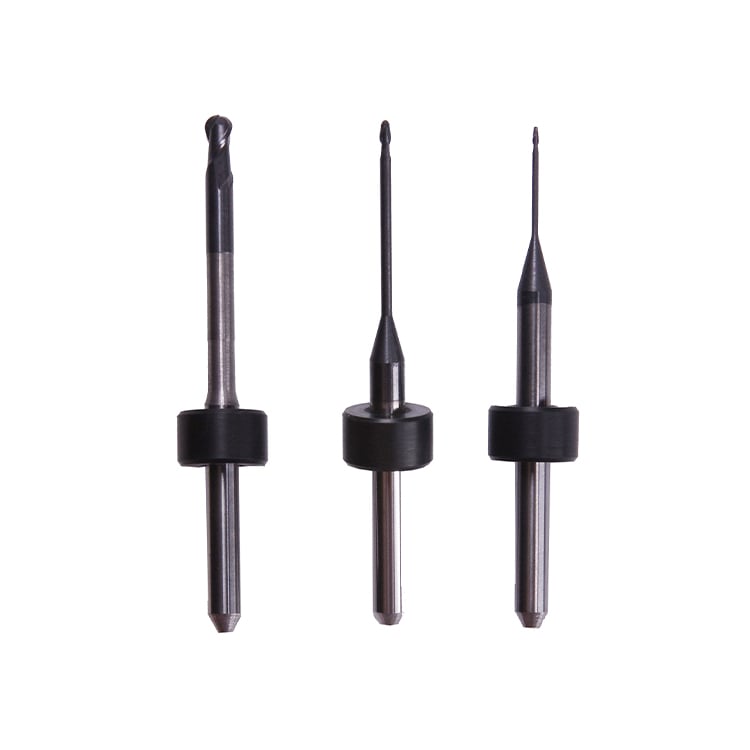
A milling machine cutting glass-ceramic materials exhibits distinctive wear patterns that differ from conventional metal machining. The cutting edge of a milling machine tool typically develops a crater-like depression on the rake face, where the highest cutting temperatures concentrate. Flank wear appears as a uniform greyish band on the tool's flank surface, indicating sustained friction between the milling machine tool and the workpiece. Chipping and microspalling become visible as the milling machine tool reaches critical wear stages, where fragments of the cutting edge break away, leaving irregular damage patterns that affect restoration surface quality.
Direct Impact of Tool Wear on Glass-Ceramic Restoration Quality
Margin Precision and Adaptation Challenges
The marginal fit of glass-ceramic restorations depends entirely on the milling machine's ability to cut precise dimensions and smooth transitions. When milling machine tool wear progresses, the cutting edge loses its sharpness and geometric accuracy, causing the milling machine to cut slightly oversized or undersized dimensions. Worn milling machine tools produce rough, chattered margins instead of smooth, sharp internal lines. These marginal discrepancies lead to increased cement thickness, compromised seating, and higher failure rates due to margin leakage and cement washout in glass-ceramic restorations.
Surface Finish Degradation Effects
Glass-ceramic restorations require smooth occlusal and buccal surfaces to optimize esthetics and function. A milling machine with worn tools cannot produce the mirror-like surface finish that fresh tools deliver. Surface roughness increases progressively as milling machine tool wear advances, creating microscopic irregularities that appear dull and require additional polishing. These poor surface finishes not only compromise the esthetic appeal of glass-ceramic restorations but also create pathways for bacterial adhesion and biofilm accumulation, reducing long-term clinical success.
Dimensional Accuracy Loss During Production
Every pass of a milling machine removes a precise amount of material, and worn tools remove material inconsistently. Glass-ceramic restorations milled with a worn milling machine may exceed tolerance ranges for thickness, occlusal anatomy, or internal morphology. Thickness variations in glass-ceramic materials affect optical properties and strength characteristics. The milling machine's inability to maintain dimensional accuracy with worn tools results in restorations that may require extensive adjustments, chairside modifications, or complete remilling, escalating production costs and timeline delays.
Clinical Consequences and Long-Term Performance
Restoration Longevity and Failure Modes
Milling machine tool wear directly correlates with premature failure rates of glass-ceramic restorations in clinical service. Marginal discrepancies introduced by a worn milling machine create stress concentrations at the restoration margin, accelerating microleakage and secondary caries development. Glass-ceramic restorations milled with degraded milling machine tools exhibit higher chipping rates at contact points and cusps, where dimensional inaccuracies concentrate mechanical stresses. Studies demonstrate that restorations produced by a milling machine with controlled tool wear show significantly better survival rates compared to those fabricated with heavily worn cutting tools.
Patient Comfort and Esthetic Outcomes
When a milling machine operates with worn tools, the resulting glass-ceramic restorations often require multiple chairside adjustments to achieve proper occlusion and contact. Poor surface finishes from worn milling machine tools create rough areas that irritate soft tissues and accumulate stains, compromising esthetics over time. Patients receiving glass-ceramic restorations fabricated with adequate milling machine tool conditions experience superior esthetic results and longer-lasting restoration performance. The investment in maintaining a milling machine with properly conditioned cutting tools directly translates to enhanced patient satisfaction and clinical success rates.
Strategies for Minimizing Milling Machine Tool Wear Impact
Preventive Tool Management in Milling Machines
Effective tool management begins with establishing predictive tool change intervals based on cutting volume and material type for your milling machine. Track the cumulative milling machine operating time and surface area machined to determine optimal tool replacement points before significant wear develops. Implement a documentation system that records milling machine performance metrics, tool change dates, and quality assessments to identify wear progression patterns. Regular inspection of cutting tools between changes allows technicians to recognize early wear indicators and adjust milling machine parameters before quality deteriorates.
Cooling and Lubrication Optimization
A milling machine's cooling system plays a critical role in managing tool wear during glass-ceramic machining. Ensure adequate coolant flow reaches the cutting zone of the milling machine tool during every operation, reducing thermal stress and extending tool life. Verify that your milling machine's coolant concentration remains within manufacturer specifications, as degraded coolant loses thermal capacity and lubrication effectiveness. Replace coolant regularly to prevent contamination and bacterial growth that compromise milling machine cooling performance. Proper cooling of the milling machine tool reduces wear rates by as much as 30 percent, directly improving glass-ceramic restoration quality.
Spindle Speed and Feed Rate Optimization
Configure your milling machine to operate at spindle speeds and feed rates optimized for glass-ceramic materials, avoiding aggressive parameters that accelerate tool wear. Higher spindle speeds increase cutting temperatures and thermal wear in a milling machine tool, while excessive feed rates cause mechanical stress and chipping. Consult manufacturer guidelines for your specific milling machine model and glass-ceramic material composition to establish ideal cutting parameters. Regular monitoring of milling machine vibration and auditory feedback during operation provides real-time indicators of excessive wear or parameter misalignment that require adjustment.
FAQ
How frequently should a milling machine tool be replaced for glass-ceramic restorations?
Tool replacement intervals for a milling machine depend on cutting volume, material hardness, and specific tool geometry, typically ranging from 50 to 200 restorations per tool. Most laboratories establish replacement schedules based on operating hours or cumulative restoration count rather than calendar time. Your milling machine manufacturer provides wear guidelines specific to glass-ceramic materials, and strict adherence ensures consistent quality. Monitoring quality metrics and restoration marginal fit provides practical indicators for timing tool changes in your milling machine maintenance schedule.
Can milling machine tool wear cause color or opacity changes in glass-ceramic restorations?
While milling machine tool wear primarily affects margin quality and surface finish, severe wear can indirectly impact optical properties through increased surface roughness and subsurface micro-fracturing. Worn milling machine tools generate excessive heat and friction, potentially causing localized color shifts or opacity variations in glass-ceramic materials. However, direct color changes rarely result from milling machine tool wear alone; instead, poor surface finish from a worn milling machine creates optical scattering that alters perceived esthetics. Maintaining proper milling machine tool condition ensures consistent translucency and color stability in glass-ceramic restorations.
What signs indicate a milling machine tool has reached the end of its useful life?
Visual inspection of your milling machine cutting tool reveals flank wear bands exceeding 0.3 millimeters, crater-like depressions on rake faces, or visible chipping patterns indicating critical wear stages. Marginal quality degradation in glass-ceramic restorations milled with your milling machine, such as rough internal lines or dimensional drift, signals that tool replacement is imminent. Increased noise, vibration, or unusual resistance during milling machine operation indicates severe tool wear requiring immediate attention. Most manufacturers recommend replacing milling machine tools before visible damage appears to maintain consistent quality in glass-ceramic restoration production.