
 EN
The choice of equipment directly impacts the quality and efficiency of dental restoration production, particularly when working with advanced materials like lithium disilicate blocks. A high-speed milling machine has become the industry standard for processing these sophisticated ceramic materials, offering distinct advantages that traditional equipment simply cannot match. Understanding why a milling machine designed for high-speed operation is ideal for lithium disilicate blocks requires examining the material properties, precision demands, and workflow realities that define modern dental laboratory practice.
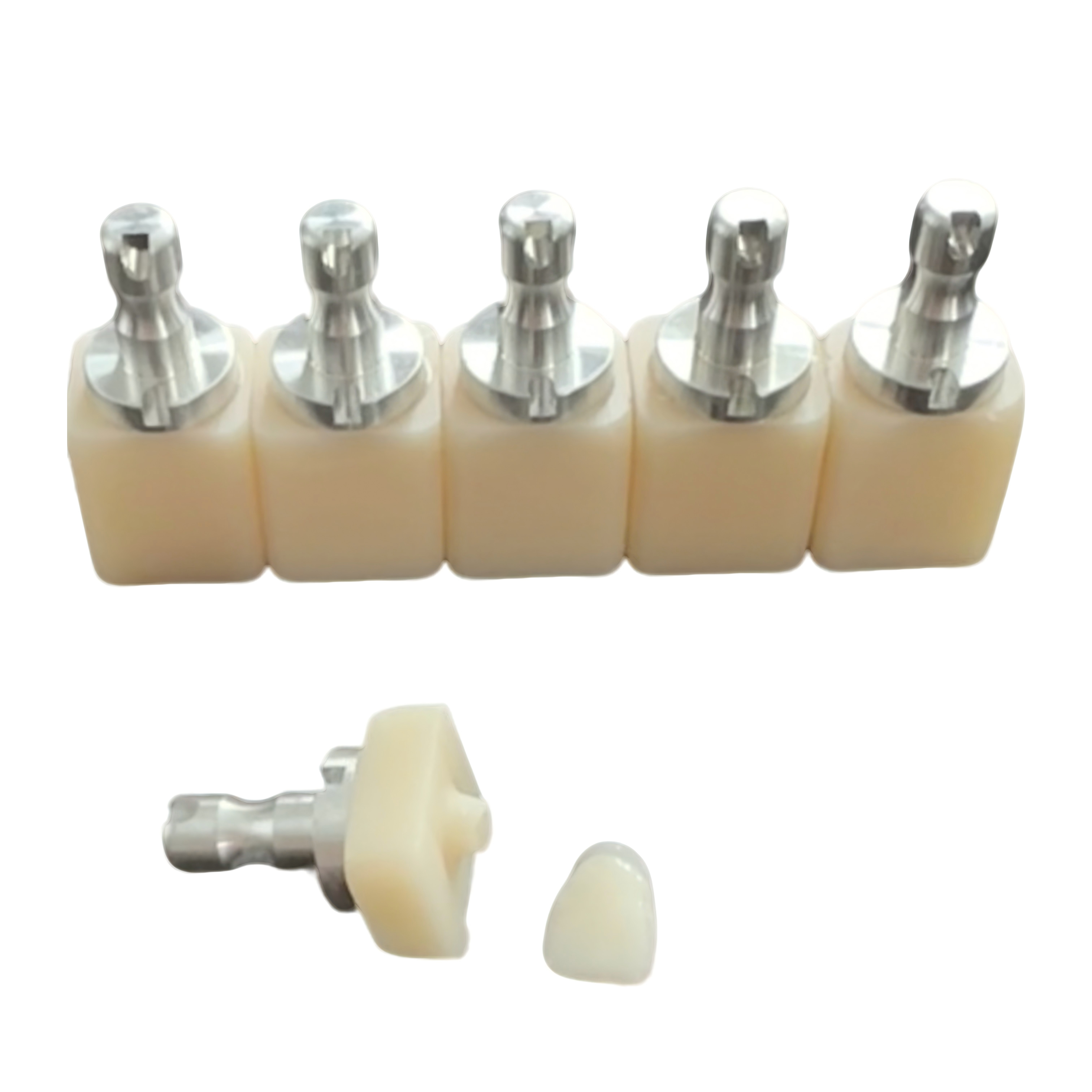
Lithium disilicate represents a breakthrough in dental ceramics, combining superior aesthetic properties with robust mechanical strength. However, this material demands specialized processing capabilities that only a dedicated milling machine can reliably deliver. The speed, precision, and control offered by a modern milling machine ensure that laboratories can transform raw lithium disilicate blocks into finished restorations that meet the highest clinical standards while maintaining production efficiency and cost-effectiveness.
Material Properties and Processing Demands
Understanding Lithium Disilicate Characteristics
Lithium disilicate is a crystalline ceramic material engineered to provide both aesthetic appeal and clinical durability. Its microstructure creates a unique combination of properties that make it exceptionally suitable for anterior and posterior restorations. However, this same microstructure demands precise machining conditions, which is why a milling machine capable of operating at high speeds becomes essential. The brittleness characteristic of lithium disilicate requires controlled cutting forces and optimal rotational speeds to prevent chipping, micro-fractures, or thermal damage during the milling process.
Why Standard Equipment Falls Short
Traditional milling equipment operates at lower spindle speeds and may lack the precision control necessary for lithium disilicate processing. A conventional milling machine often generates excessive heat and vibration, both of which compromise material integrity and dimensional accuracy. The high-speed milling machine addresses these limitations by delivering consistent cutting conditions, maintaining tight tolerances, and preserving the material's structural properties throughout the fabrication workflow. This specialized approach transforms lithium disilicate milling from a challenging, error-prone process into a reliable, repeatable manufacturing operation.
Speed, Precision, and Surface Quality
The Role of High-Speed Spindle Operation
A milling machine engineered for high-speed operation delivers spindle rotational speeds that optimize cutting efficiency while minimizing material stress. When a milling machine operates at appropriate high speeds with optimized feed rates, the cutting action becomes smoother and more controlled. This precision translates directly into superior surface finishes on lithium disilicate blocks, reducing or eliminating the need for extensive post-milling finishing steps. The surface quality achieved by a high-speed milling machine directly impacts crown fit, marginal accuracy, and the longevity of the final restoration.
Achieving Dimensional Accuracy
Clinical success depends on restorations that fit precisely onto prepared teeth or implants. A milling machine with high-speed capabilities maintains rigid positioning and minimizes deflection during cutting, ensuring that dimensional tolerances remain within acceptable clinical ranges. The feedback systems and advanced control mechanisms integrated into a modern milling machine compensate for tool wear, material variation, and environmental factors that might otherwise compromise accuracy. This consistency is particularly critical when producing multiple restorations in a single production run, as each piece must meet identical specifications.
Workflow Efficiency and Laboratory Productivity
Reducing Production Cycle Times
Dental laboratories operate in a time-sensitive environment where patient satisfaction depends on timely delivery of finished restorations. A high-speed milling machine dramatically reduces the time required to mill lithium disilicate blocks into finished forms. By optimizing spindle speed, feed rate, and tool path strategies, a milling machine designed for efficiency can process blocks in minutes rather than extended hours. This capability allows laboratories to increase throughput, meet aggressive delivery schedules, and maintain competitive pricing without sacrificing quality or precision.
Minimizing Material Waste and Maximizing Value
Lithium disilicate blocks represent significant material investment, making waste reduction essential to laboratory profitability. A milling machine that operates with precision and control minimizes the risk of catastrophic failures that result in complete block loss. The optimized cutting conditions generated by a high-speed milling machine also reduce the volume of material removed during the milling process compared to less efficient equipment. When laboratories adopt a milling machine specifically designed for lithium disilicate processing, they protect their material investment while improving their overall cost structure and margin performance.
Material Integrity and Restoration Longevity
Preventing Thermal and Mechanical Damage
The physical properties of lithium disilicate can be compromised by excessive heat generation or mechanical stress during milling. A milling machine engineered for high-speed operation generates less frictional heat at the cutting edge because the cutting action is more efficient and controlled. This thermal management is critical for preserving the material's crystalline structure and ensuring that the finished restoration maintains its intended strength and aesthetic properties. A well-designed milling machine also incorporates cooling systems and strategies that further protect the material during fabrication.
Ensuring Clinical Performance Standards
Restorations milled using optimal parameters from a precision milling machine demonstrate superior clinical performance compared to those produced with inadequate equipment. The material integrity preserved during high-speed milling translates into restorations that resist fracture, maintain marginal integrity over time, and exhibit excellent color stability and translucency. Laboratories that invest in a capable milling machine for lithium disilicate processing can confidently deliver restorations that meet contemporary clinical standards and support long-term patient satisfaction.
FAQ
What spindle speed should a milling machine operate at for lithium disilicate blocks?
The optimal spindle speed for a milling machine processing lithium disilicate typically ranges between 10,000 and 15,000 RPM, though specific speeds depend on tool diameter, feed rate, and the particular milling machine model. Manufacturers provide detailed specifications for each milling machine, and adherence to these parameters ensures both material preservation and equipment performance. Operating at speeds outside the recommended range risks either material damage or equipment strain, making proper milling machine setup critical to success.
Can a standard milling machine produce quality lithium disilicate restorations?
While a standard milling machine might technically mill lithium disilicate, results typically fall short of the precision and quality achievable with a specialized high-speed milling machine. Standard equipment often lacks the rigidity, control, and optimized parameters necessary for consistent results. A dedicated milling machine designed for lithium disilicate processing delivers superior surface finishes, dimensional accuracy, and material integrity, making it a worthwhile investment for laboratories committed to quality.
How often should tools be changed in a milling machine for lithium disilicate production?
Tool life in a milling machine varies based on material hardness, milling speed, feed rate, and tool quality. Lithium disilicate is relatively hard, so a milling machine may require tool changes after 50 to 150 blocks depending on these factors. Regularly replacing worn tools maintains the surface quality and dimensional accuracy that a high-speed milling machine is designed to deliver, preventing the gradual degradation that results from tool wear.