
 EN
Understanding the difference between wet cutting machines and dry cutting machines is essential for manufacturers and machine operators who rely on precision milling machine processes. Both approaches serve distinct operational purposes, and the choice between them directly impacts productivity, tool longevity, and workpiece quality. A milling machine equipped for wet cutting operates fundamentally differently from its dry-cutting counterpart, with implications that extend across material removal rates, environmental conditions, and overall machining efficiency. This comprehensive guide explores how wet and dry cutting methodologies differentiate in the context of modern milling machine technology, helping decision-makers choose the right approach for their specific production needs.
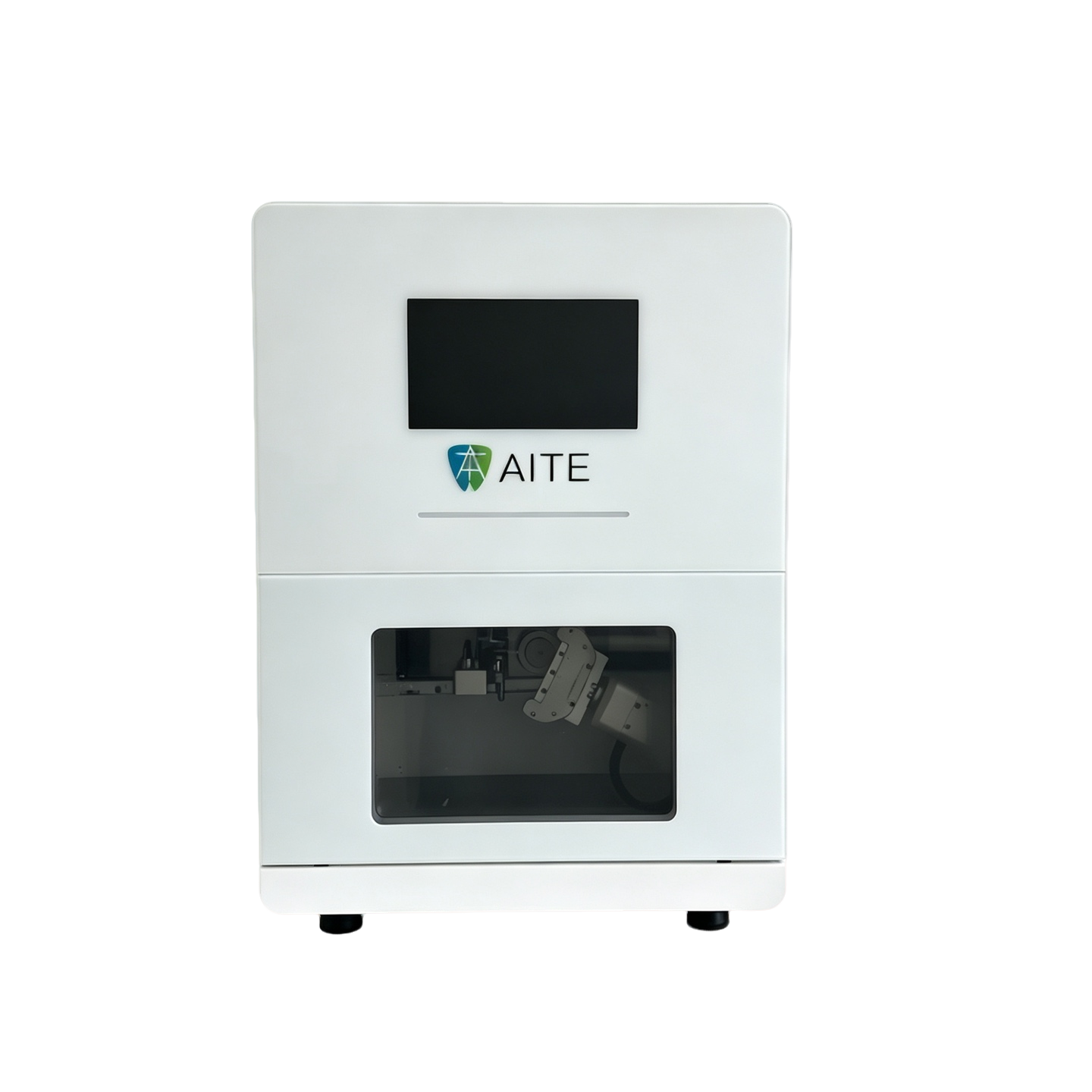
A milling machine represents one of the most versatile tools in modern manufacturing, capable of performing both wet and dry cutting operations depending on design specifications and operational requirements. The distinction between these two cutting methods goes beyond simple coolant application—it encompasses tool design, spindle speed optimization, dust management systems, and thermal control strategies. Industrial operators must recognize that selecting between wet cutting and dry cutting fundamentally shapes the milling machine's performance envelope, maintenance demands, and suitability for specific materials and production volumes.
Cooling Systems and Thermal Management in Milling Machine Operations
Wet Cutting Technology and Coolant Application
Wet cutting with a milling machine involves the continuous application of cutting fluid directly to the tool-workpiece interface during the machining process. This coolant serves multiple critical functions: it absorbs heat generated during material removal, reduces friction between the cutting tool and workpiece, and flushes away chips and debris. A milling machine designed for wet cutting typically features integrated coolant delivery systems, pressure nozzles, and collection mechanisms that recirculate or dispose of spent fluid. The thermal management advantage of wet cutting becomes particularly evident when machining difficult-to-cut materials such as stainless steel or titanium alloys, where tool temperatures can reach critical levels within seconds.
The milling machine's spindle and cutting tool experience significantly lower temperatures during wet cutting operations, which directly extends tool life and enables higher cutting speeds. Coolant also acts as a lubricant, reducing friction-related heat generation and allowing operators to achieve tighter tolerances and superior surface finishes. However, wet cutting demands that the milling machine includes drainage provisions, coolant filtration systems, and regular maintenance protocols to manage fluid degradation and bacterial growth over extended operating periods.
Dry Cutting Technology and Air-Based Heat Dissipation
Dry cutting eliminates the use of coolant entirely, relying instead on air circulation, tool geometry optimization, and controlled spindle speeds to manage thermal conditions in a milling machine. This approach requires the milling machine to employ specially designed cutting tools with enhanced heat resistance and geometries that minimize friction. Dry cutting in a milling machine generates higher localized temperatures at the tool tip, necessitating careful feed rate management and spindle speed selection to prevent thermal damage and premature tool wear.
A milling machine optimized for dry cutting often incorporates air cooling systems, high-pressure air nozzles, or even cryogenic cooling techniques to manage temperature buildup. The absence of liquid coolant means the milling machine avoids coolant-related maintenance, reducing operational complexity. However, the thermal constraints of dry cutting typically limit its application to materials with lower thermal conductivity or operations involving lighter material removal rates where a milling machine can maintain acceptable cutting tool temperatures without fluid assistance.
Environmental Impact and Operational Efficiency of Milling Machine Cutting Methods
Dust Generation and Workplace Environment
One of the most visible differences between wet cutting and dry cutting in a milling machine is dust and chip handling. Dry cutting produces abundant airborne particles and dry chips that require dedicated dust collection systems to maintain workplace safety and air quality. A milling machine operating in dry cutting mode necessitates high-capacity extraction equipment, potentially integrated vacuum systems, and regular air filter maintenance to comply with occupational health standards. The dry cutting approach generates visible dust clouds during operation, requiring operators to use personal protective equipment and ensuring that a milling machine facility maintains robust ventilation infrastructure.
Wet cutting in a milling machine essentially eliminates airborne dust by trapping chips and particles in the coolant fluid, creating a cleaner working environment and simpler workspace management. The milling machine operator experiences less exposure to metallic dust and respiratory irritants, improving long-term workplace health outcomes. Wet cutting's coolant acts as a carrier, containing loose particles and preventing their dispersal into the air, which means a milling machine using wet cutting reduces the burden on facility ventilation systems and dust collection infrastructure.
Coolant Disposal and Environmental Considerations
Wet cutting with a milling machine introduces coolant disposal responsibilities that dry cutting operations completely avoid. Spent cutting fluids from a milling machine require proper treatment and disposal according to environmental regulations, representing a recurring operational cost and logistical consideration. A milling machine facility using wet cutting must implement coolant management protocols, including regular testing, fluid replenishment, waste collection, and potentially hazardous material handling. Conversely, dry cutting in a milling machine generates no liquid waste, eliminating these environmental compliance burdens and reducing the facility's hazardous material footprint.
The environmental trade-off suggests that dry cutting offers cleaner operations from a waste management perspective, yet wet cutting in a milling machine provides superior dust control and workplace air quality. Progressive manufacturers increasingly seek milling machine technologies that balance these competing environmental and operational demands through advanced filtration, coolant recycling systems, and hybrid cooling approaches.
Material Compatibility and Practical Application Scenarios for Milling Machine Operations
Materials Suited to Wet Cutting in Milling Machines
Wet cutting proves superior for a milling machine processing tough, heat-sensitive, or difficult-to-machine materials. Stainless steels, aluminum alloys, titanium, and nickel-based superalloys all benefit from the thermal management and lubrication advantages that wet cutting provides to a milling machine. These materials generate extreme temperatures during chip formation, and a milling machine without coolant application cannot achieve acceptable tool life or surface finishes. Wet cutting enables a milling machine to maintain higher cutting speeds and achieve tighter dimensional tolerances, making it the standard approach for precision aerospace, medical device, and automotive component manufacturing.
A milling machine engaged in high-precision finishing operations almost always requires wet cutting to achieve the surface quality and dimensional accuracy demanded by modern product specifications. Wet cutting's ability to flush away chips and maintain consistent thermal conditions makes it indispensable when a milling machine must hold tight tolerances across large production runs of challenging materials.
Materials Suited to Dry Cutting in Milling Machines
Dry cutting works effectively when a milling machine processes certain cast irons, aluminum composites, and non-metallic materials where thermal sensitivity is lower or where coolant penetration is difficult. Some soft materials like magnesium alloys and pure aluminum actually machine better in dry conditions on a milling machine because coolant can sometimes cause chemical reactions or promote corrosion. A milling machine designed for dry cutting excels when processing brittle ceramics or fiber-reinforced composites where the absence of liquid coolant prevents resin softening or particle delamination.
Dry cutting in a milling machine also suits rapid prototyping and short-run production where coolant setup and cleanup time represent significant proportion of total machining time. A milling machine operator can switch between tasks more quickly without coolant system purging, making dry cutting attractive for job shops and flexible manufacturing environments. However, the performance limitations of dry cutting mean a milling machine will generally produce fewer pieces per tool life and may struggle with materials requiring precise dimensional control.
FAQ
What are the primary cost differences between wet and dry cutting in a milling machine?
Wet cutting in a milling machine involves higher capital investment for coolant systems, filtration equipment, and disposal infrastructure, plus recurring coolant purchase and maintenance expenses. Dry cutting eliminates coolant costs but requires specialized cutting tools designed for higher heat resistance, which may be more expensive per tool. A milling machine's overall operating cost depends on production volume, material type, and tool life—wet cutting typically proves more economical for high-volume production of difficult materials, while dry cutting may reduce costs for short-run operations. The total cost calculation must factor in facility infrastructure, labor for maintenance, and waste management when comparing wet cutting versus dry cutting for a milling machine operation.
Can a milling machine switch between wet and dry cutting during production?
Most conventional milling machines are designed for either wet or dry operation, but not both, though some advanced models include dual-mode capabilities. A milling machine engineered specifically for wet cutting contains coolant delivery systems and drainage provisions that cannot simply be deactivated for dry cutting without risking fluid contamination of dry-cut workpieces. Conversely, retrofitting a dry-cutting milling machine with full wet-cutting capability requires significant modifications to spindle design, work table drainage, and coolant circulation systems. Some modern milling machine manufacturers offer hybrid systems that permit switching, though this requires manual tool changes and system verification to ensure proper operation, making it impractical for frequent transitions during a production schedule.
How does the choice between wet and dry cutting affect milling machine tool selection?
Wet cutting in a milling machine permits the use of geometrically efficient tools with sharper cutting edges and lower rake angles because coolant provides lubrication and thermal management. Dry cutting demands that a milling machine operator select tools with specially engineered geometries, increased tool nose radius for strength, and materials such as coated carbides or ceramics that withstand higher temperatures. A milling machine's tool library must match its cutting method—wet-cutting tools become damaged if used in dry operations, and attempting dry-cutting tools on a wet milling machine may result in inadequate material removal rates and surface quality. Tool compatibility represents a critical operational constraint that reinforces the distinction between wet and dry cutting capabilities for any milling machine.