
 EN
Choosing the right Milling Machine for dental lithium disilicate glass-ceramic applications is a critical decision that directly affects the quality, efficiency, and profitability of your dental laboratory or practice. A Milling Machine designed for this specific material must deliver precision, reliability, and consistent results across hundreds of restorations. The wrong choice can lead to material breakage, dimensional inaccuracies, extended production times, and ultimately higher costs per case. Understanding the essential criteria for selecting a Milling Machine tailored to lithium disilicate processing ensures you invest in equipment that meets your clinical and business objectives.
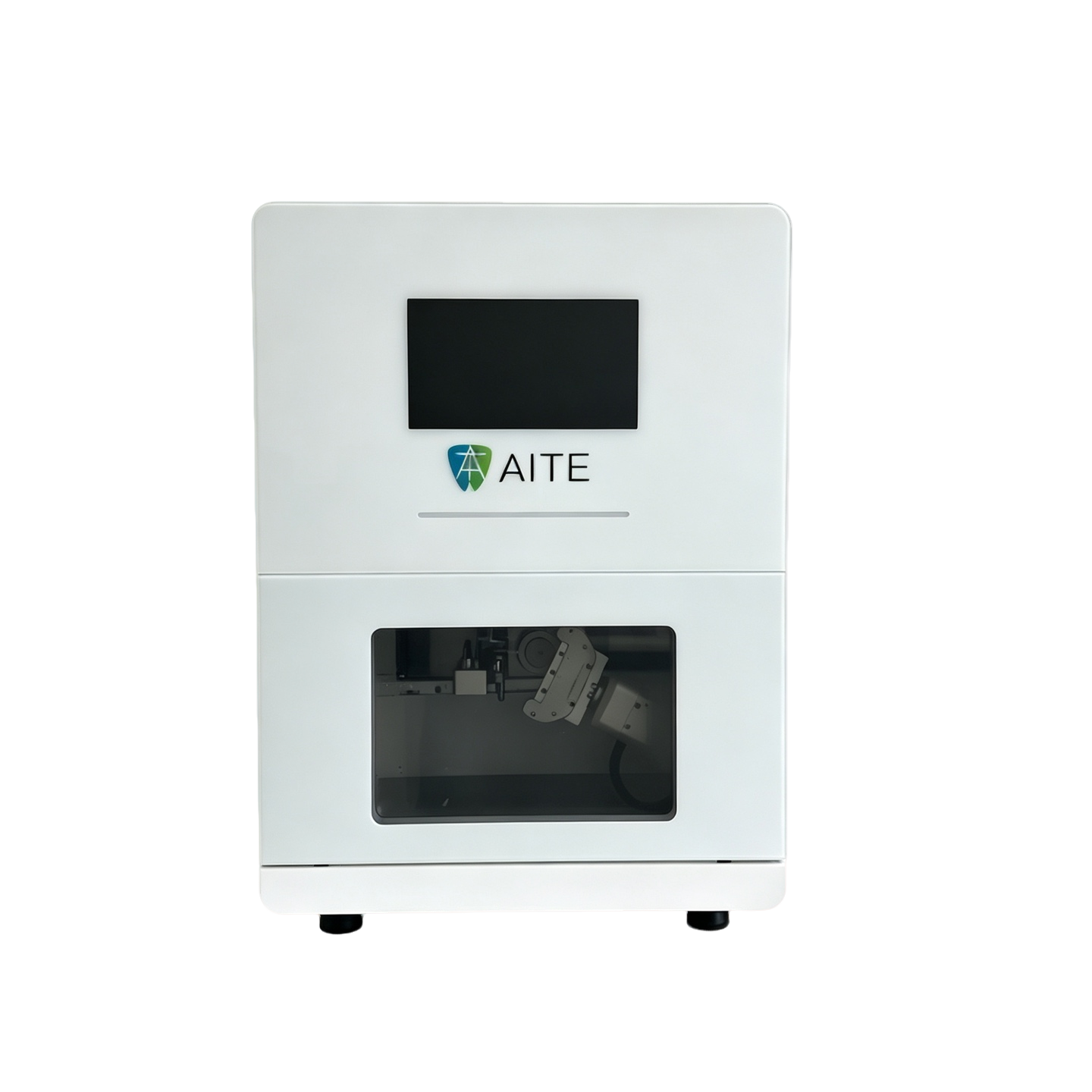
The lithium disilicate glass-ceramic material presents unique milling challenges due to its crystalline structure, hardness, and brittleness. A Milling Machine capable of handling this demanding material requires specialized spindle speed control, advanced cooling systems, and precise feed rate management. Selecting a Milling Machine involves evaluating multiple technical specifications, material compatibility, production volume capacity, and long-term support. This guide walks you through the key decision factors to identify a Milling Machine that optimizes your dental restoration workflow.
Understanding Milling Machine Requirements for Lithium Disilicate
Material Properties and Milling Constraints
Lithium disilicate glass-ceramic is harder than porcelain but more brittle than zirconia, requiring a Milling Machine engineered for controlled material removal. The crystalline composition of lithium disilicate demands precise spindle speeds, typically ranging from 10,000 to 50,000 RPM depending on tool geometry and bur design. A Milling Machine must maintain consistent speed and minimize vibration to prevent chipping, cracking, or material delamination during the milling process. Without proper Milling Machine calibration and tool selection, lithium disilicate restorations can develop surface defects that compromise both aesthetics and longevity.
Precision and Accuracy Standards
Dental Milling Machine precision directly impacts marginal fit, internal adaptation, and final restoration accuracy. A high-quality Milling Machine should deliver tolerances within 25 to 50 micrometers to ensure clinically acceptable crowns, inlays, and veneers. The Milling Machine's interpolation algorithms, servo motor responsiveness, and ball-screw backlash compensation all contribute to dimensional accuracy. When selecting a Milling Machine, verify that the equipment can consistently achieve sub-50 micrometer precision across multiple consecutive milling cycles, as material variability and tool wear gradually impact accuracy over time.
Key Technical Specifications to Evaluate
Spindle Speed, Power, and Cooling Capability
The Milling Machine spindle is the core component determining milling efficiency and material quality. A high-speed Milling Machine spindle rated for 50,000 RPM or higher provides faster material removal while maintaining surface finish quality. The Milling Machine motor power should be sufficient to maintain consistent spindle torque under load; typically 3 to 5 kilowatts meets dental milling demands. Equally important is the Milling Machine cooling system, whether water-cooled or air-cooled, which dissipates heat generated during lithium disilicate milling. A Milling Machine with integrated water-cooling reduces tool wear, prevents thermal stress on the restoration blank, and prolongs spindle bearing life. Evaluate whether the Milling Machine cooling system requires regular maintenance, coolant replacement, or filtration upgrades to sustain long-term performance.
Axis Configuration and Work Envelope
A Milling Machine with five-axis capability offers superior flexibility for complex restoration geometries, including undercuts and contoured surfaces on posterior teeth. The Milling Machine work envelope must accommodate the maximum restoration size you intend to mill; most dental Milling Machine models support individual crowns and inlays within a 25 mm to 35 mm height range. The Milling Machine axis resolution, measured in micrometers per step, should be fine enough to translate digital design details into physical accuracy. When comparing Milling Machine options, confirm that the equipment supports your intended restoration types and sizes without requiring multiple setup iterations or manual finishing.
Tool Compatibility and Bur Specifications
The Milling Machine tool library and bur compatibility directly affect material processing efficiency. A Milling Machine should support industry-standard diamond-coated burs, tungsten carbide tools, and ceramic-specific cutting geometries optimized for lithium disilicate. Verify that your chosen Milling Machine provides automatic tool change capability, reducing manual intervention and improving workflow consistency. The Milling Machine software should include pre-loaded tool profiles that automatically adjust spindle speed, feed rate, and depth of cut based on the selected bur type, minimizing user error and optimizing lithium disilicate surface finish.
Production Volume, Software Integration, and Total Cost of Ownership
Throughput Capacity and Milling Time
A Milling Machine's production capacity depends on average milling time per restoration, tool change speed, and queue management. High-volume dental labs require a Milling Machine capable of completing a single crown mill cycle in 8 to 15 minutes, including tool changes and repositioning. The Milling Machine software should support batch milling, allowing multiple restorations to be stacked or nested within the work envelope for sequential processing. Evaluate your lab's typical monthly volume and select a Milling Machine whose throughput aligns with demand; undersizing leads to bottlenecks, while oversizing creates unnecessary capital expense and ongoing operational costs.
CAD/CAM Software Compatibility and Workflow Integration
Your Milling Machine must integrate seamlessly with your CAD/CAM design software and laboratory management system. The Milling Machine software interface should support direct import from major design platforms, automatic tool path generation, and collision detection to prevent tool breakage. A user-friendly Milling Machine software reduces training time and minimizes operator errors that can damage restorations or tools. Confirm that the Milling Machine vendor provides regular software updates, technical support, and troubleshooting resources to keep your system running efficiently throughout its operational lifetime.
Maintenance, Support, and Long-Term Cost Factors
The true cost of a Milling Machine extends beyond purchase price to include maintenance, tool replacement, coolant costs, and warranty coverage. A reliable Milling Machine vendor offers comprehensive service agreements, emergency support, and rapid parts replacement to minimize downtime. Evaluate the Milling Machine's mean time between failures, expected spindle bearing life, and cost of replacement components. Dental labs operating on thin margins must factor these ongoing expenses into equipment selection; a slightly more expensive Milling Machine with superior reliability and lower maintenance costs often delivers better financial returns over a five to ten year lifecycle.
FAQ
What spindle speed should a Milling Machine have for lithium disilicate?
A high-performance Milling Machine for lithium disilicate should maintain spindle speeds between 10,000 and 50,000 RPM, depending on bur design and material hardness. Most advanced dental Milling Machine systems operate at 40,000 to 50,000 RPM for optimal cutting efficiency. A Milling Machine with variable speed control allows operators to adjust spindle speed based on specific bur geometry, restoration size, and desired surface finish. Starting with manufacturer-recommended Milling Machine speed settings and adjusting incrementally ensures consistent results while preventing tool breakage or material fracturing.
How does a Milling Machine cooling system affect lithium disilicate quality?
A Milling Machine cooling system, whether water or air-based, removes heat generated during high-speed cutting and prevents thermal stress on the brittle lithium disilicate material. Inadequate Milling Machine cooling causes accelerated tool wear, material micro-cracking, and surface finish degradation. A water-cooled Milling Machine offers superior thermal management compared to air-cooled alternatives, particularly during extended milling sessions or high-volume production. Verify that your Milling Machine cooling system includes filtration and maintenance protocols to sustain optimal performance and prevent system clogging over time.
What precision tolerance should a dental Milling Machine maintain?
A clinical-grade Milling Machine for dental restorations should consistently achieve tolerances within 25 to 50 micrometers to ensure acceptable marginal fit and internal adaptation. The Milling Machine's axis interpolation, servo response, and tool offset accuracy all contribute to overall dimensional precision. When selecting a Milling Machine, request performance verification data demonstrating consistent accuracy across multiple consecutive milling cycles under real-world production conditions. A Milling Machine that cannot maintain sub-50 micrometer precision may result in excessive chairside adjustments, patient discomfort, and long-term restoration failure.