
 EN
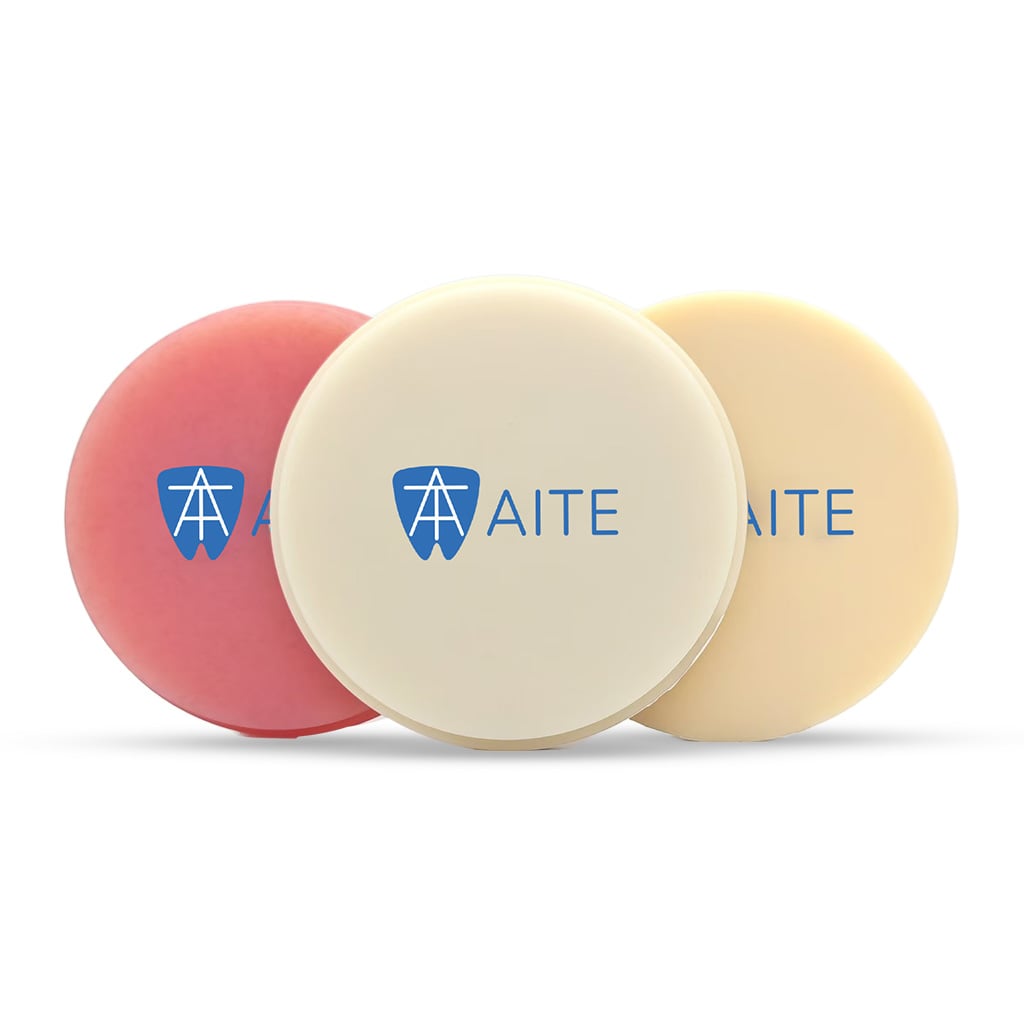
Porcelain furnaces are essential equipment in modern dental laboratories, responsible for firing and crystallizing restorative materials that directly impact clinical outcomes. Lithium disilicate restorations represent some of the most esthetic and durable ceramic solutions available to clinicians today, yet their success hinges entirely on precise furnace control during processing. Even minor deviations in temperature, heating rates, or chamber conditions can transform a promising restoration into a failed case that must be remade at significant cost and time loss. Understanding which operating errors compromise lithium disilicate restorations allows laboratory technicians to implement preventive workflows and maintain consistent quality standards.
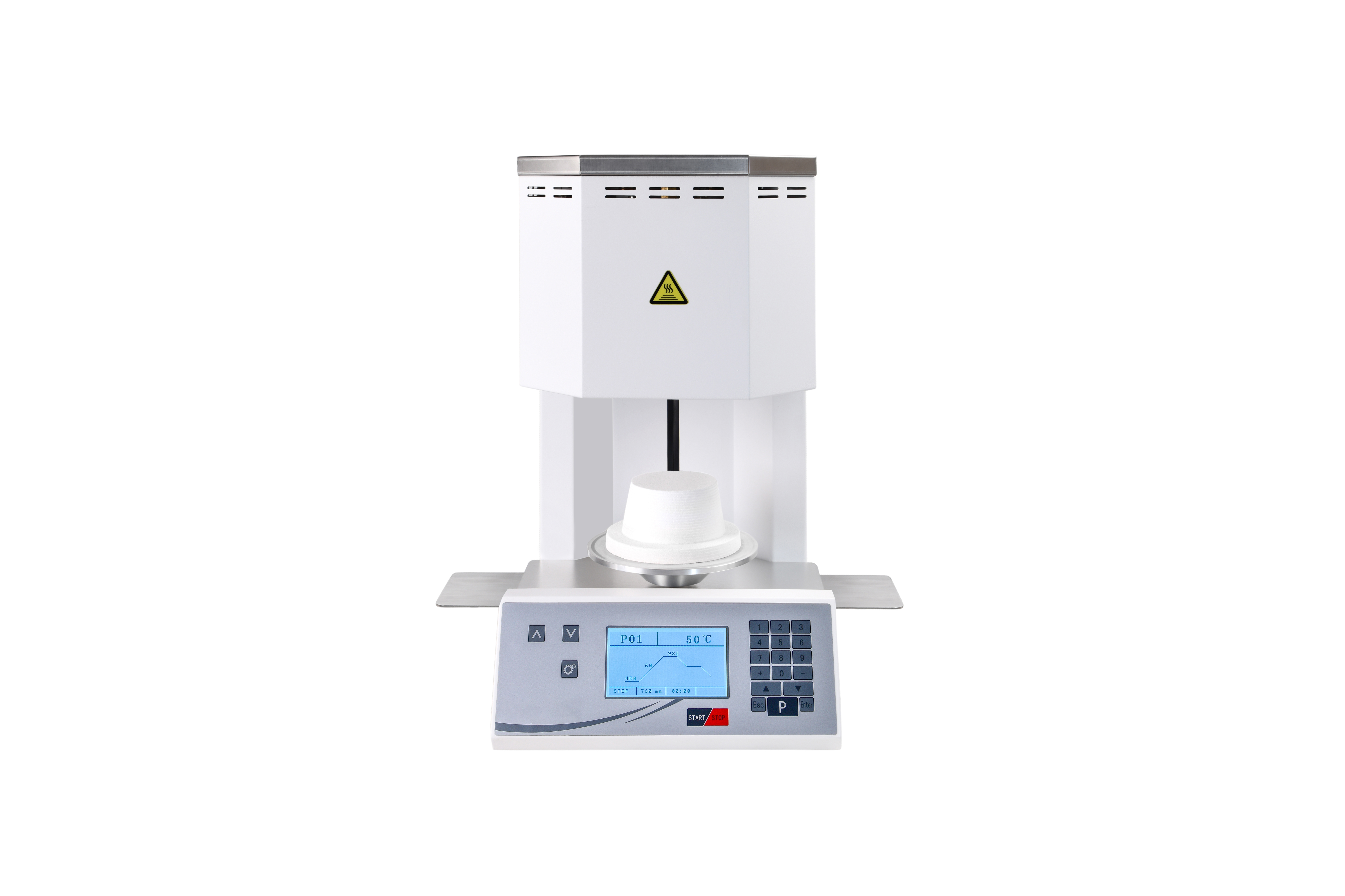
Lithium disilicate materials demand exacting furnace conditions because their crystalline phase transformation occurs within a narrow temperature window. Porcelain furnaces must deliver repeatable, stable heat delivery to ensure proper glass-ceramic conversion and prevent thermal shock, micro-cracking, or surface degradation. When porcelain furnaces operate outside design parameters, the restoration loses its intended mechanical properties, optical clarity, and marginal integrity. This article examines the most common operating errors that damage lithium disilicate restorations and explains how to recognize, prevent, and correct them.
Temperature Control and Calibration Errors
Inadequate Furnace Temperature Stability
Temperature accuracy is the single most critical factor in lithium disilicate processing. Porcelain furnaces must maintain setpoint temperature within ±5°C throughout the firing cycle, yet many clinics operate equipment that has drifted significantly from factory calibration. When porcelain furnaces run 10–15°C above target temperature, lithium disilicate restorations experience accelerated crystallization, causing surface gloss loss, warping, and internal stress fractures. Conversely, underfiring creates incompletely crystallized glass phases that render the restoration fragile and prone to fracture under normal mastication.
Temperature sensors in porcelain furnaces degrade over time, particularly in high-temperature chambers where thermocouples corrode and lose signal accuracy. Many dental labs fail to recalibrate their porcelain furnaces annually, leading to creeping systematic errors that compound across hundreds of firing cycles. A restoration that appears visually acceptable after firing may harbor internal micro-cracks that only manifest clinically months later when the patient contacts the restoration with lateral forces. Preventive maintenance protocols for porcelain furnaces should include monthly calibration checks and annual professional recalibration services.
Rapid Temperature Ramping
Porcelain furnaces equipped with fast-ramp heating elements can reach peak temperature in minutes, but excessive heating speed is a primary cause of lithium disilicate failure. When porcelain furnaces increase temperature faster than 10°C per minute during the early heating phase, thermal stress accumulates within the restoration body faster than it can relieve through the glass matrix. This creates internal cracking patterns visible only under magnification, and these micro-fractures propagate under clinical loading. Industry standards recommend heating rates of 5–8°C per minute for lithium disilicate materials during the rise to peak temperature.
Holding Time and Cooling Protocol Errors
Insufficient Crystallization Holding Time
Porcelain furnaces cycle through a heating ramp, peak temperature hold, and controlled cool-down sequence. The holding phase at peak temperature is when lithium disilicate undergoes critical crystalline phase conversion from metastable glass to stable crystalline structure. When technicians shorten holding times to accelerate throughput, porcelain furnaces remove restorations before crystallization completes. Incomplete crystallization leaves the restoration with excess glassy phase, reducing strength and creating a porous surface that stains and fractures easily. Holding times for porcelain furnaces processing lithium disilicate must never fall below the material manufacturer's specifications, typically 20–30 minutes at peak temperature.
Uncontrolled Rapid Cooling
After peak temperature is reached, porcelain furnaces must cool lithium disilicate restorations gradually to prevent thermal shock. When porcelain furnaces cool too rapidly—dropping more than 15°C per minute in the first 200°C of descent—internal and external surfaces cool at different rates, creating massive residual stress. This thermal gradient fractures the restoration at grain boundaries and can shatter the piece entirely or create latent cracks that fail within days of delivery. Modern porcelain furnaces include programmed cool-down sequences with staged temperature decrements, but malfunctioning cooling fans or blocked ventilation in older furnace models often force accelerated cooling.
Chamber Environment and Loading Errors
Inadequate Chamber Atmosphere Control
Porcelain furnaces maintain a controlled oxidizing atmosphere to ensure proper glass phase stability during lithium disilicate crystallization. When porcelain furnaces have poor ventilation, blocked exhaust ports, or degraded heating element insulation, the chamber atmosphere becomes reducing, introducing carbon and other contaminants into the restoration surface. Contaminated surfaces on lithium disilicate restorations exhibit discoloration, reduced gloss, and compromised marginal adaptation because the glaze layer fails to form properly. Porcelain furnaces must have clear exhaust pathways, functioning atmospheric sensors, and regular vent maintenance to sustain the oxidizing environment that lithium disilicate requires.
Improper Restoration Positioning and Overloading
Porcelain furnaces rely on passive heat convection to distribute temperature evenly across all restorations in the chamber. When technicians overload the furnace chamber or position restorations too close together, heat distribution becomes uneven, creating 'cold spots' where lithium disilicate restorations receive insufficient temperature and fail to crystallize properly. Restorations on the furnace shelf periphery often experience 5–10°C temperature variance compared to center positions. Porcelain furnaces operate most reliably when loaded to 60–75% capacity with restorations spaced at least 3 centimeters apart. Crowded loading schedules that sacrifice spacing to increase productivity directly correlate with higher failure rates and remakes.
FAQ
What temperature range do porcelain furnaces require for lithium disilicate restorations?
Porcelain furnaces must reach 920–960°C depending on the specific lithium disilicate formulation and manufacturer specifications. The exact peak temperature for your porcelain furnaces should be confirmed by the material supplier's technical data sheet. Operating porcelain furnaces outside this window creates under-crystallized or over-fired restorations that fail prematurely. Always verify the correct temperature setting before loading restorations into your porcelain furnaces.
How often should porcelain furnaces be calibrated to maintain lithium disilicate quality?
Porcelain furnaces should be professionally calibrated annually and monitored monthly with thermocouple checks to ensure accuracy. Many laboratories maintain their porcelain furnaces on a quarterly schedule for high-volume facilities. Drift in porcelain furnaces beyond ±5°C from setpoint invalidates the firing process and compromises lithium disilicate integrity. Regular calibration of your porcelain furnaces is the most cost-effective investment in reducing remakes and supporting predictable restoration quality.
Can damaged lithium disilicate restorations be refinished rather than remade?
Lithium disilicate restorations damaged by porcelain furnaces operating errors rarely can be salvaged through refinishing because the internal crystalline structure is compromised. Surface glazing or adjustments may conceal visible defects, but the mechanical weakness remains. Most damaged lithium disilicate restorations must be completely remade to restore clinical reliability. Preventing porcelain furnaces errors through proper maintenance and technique is far more practical than attempting to repair failed cases.