
 EN
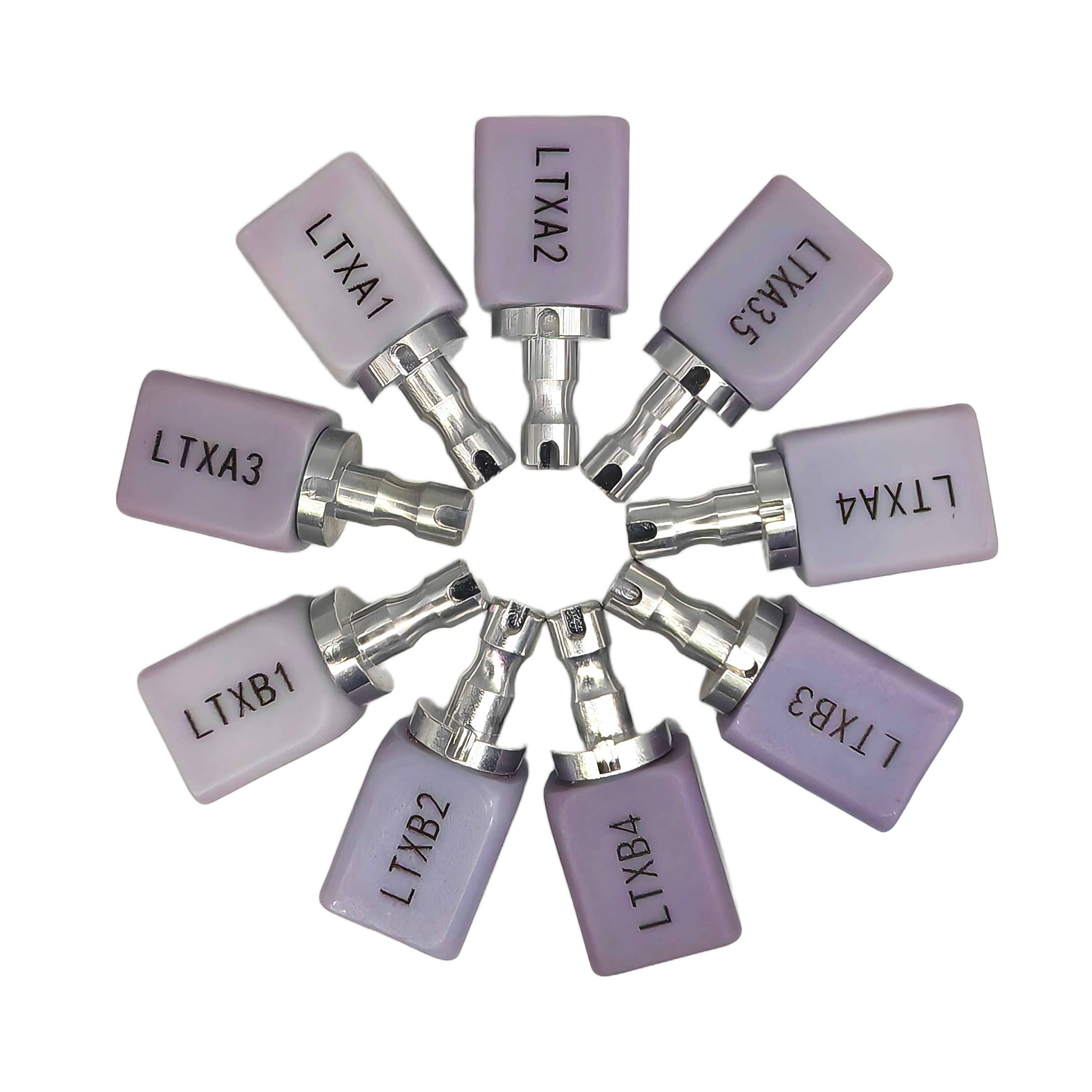
The aesthetic success of modern dental restorations depends heavily on material selection and understanding how different variables influence the final appearance. Glass-Ceramic Discs have become a preferred choice in contemporary dentistry because they offer superior optical properties and exceptional longevity when used correctly. However, not all Glass-Ceramic Discs perform equally in clinical situations. The factors that affect the aesthetic performance of Glass-Ceramic Discs vary significantly based on material composition, manufacturing processes, and how they are clinically applied. Understanding these factors is essential for dentists and laboratory technicians who want to consistently achieve predictable, beautiful results with Glass-Ceramic Discs.
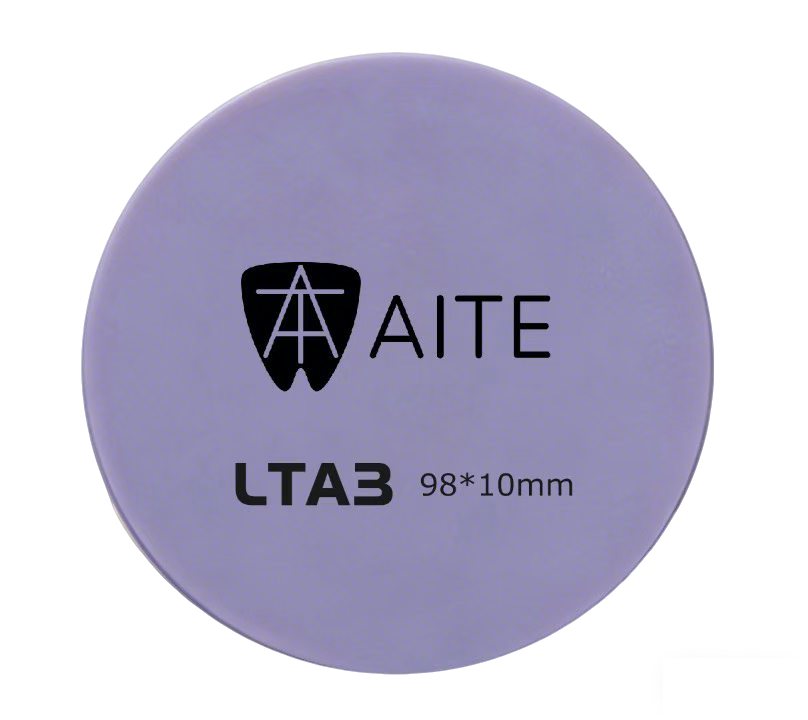
The clinical performance of Glass-Ceramic Discs extends far beyond simple durability or strength metrics. Aesthetic performance encompasses how naturally a restoration blends with adjacent teeth, how light interacts with the material, and how well the final restoration mimics natural tooth structure. Multiple interconnected factors influence these outcomes, and clinicians must recognize how each element contributes to overall aesthetic success. By examining these factors systematically, dental professionals can make informed decisions about material selection, preparation design, and cementing protocols that directly impact patient satisfaction and clinical longevity of restorations created from Glass-Ceramic Discs.
Material Composition and Optical Properties
Lithium Disilicate Structure and Light Transmission
The fundamental composition of Glass-Ceramic Discs determines how light behaves within the restoration. Lithium disilicate-based Glass-Ceramic Discs exhibit specific crystal phase structures that directly influence translucency levels and optical clarity. These crystalline phases scatter and transmit light in ways that affect how the restoration appears under different lighting conditions and viewing angles. The precise distribution of glass and crystal phases within Glass-Ceramic Discs creates distinct optical characteristics that distinguish premium materials from standard variants. Understanding this crystalline architecture is crucial because the aesthetic performance of Glass-Ceramic Discs depends on achieving the right balance between opacity for masking discolored substrates and translucency for achieving natural-looking results.
Refractive Index and Color Depth
Refractive index plays a critical role in determining how Glass-Ceramic Discs interact with light at material boundaries. When light encounters a restoration made from Glass-Ceramic Discs, the refractive index determines how much light bends at the interface between the ceramic material and the underlying tooth structure or cement. Higher refractive index values in premium Glass-Ceramic Discs can create better color matching and more seamless transitions at restoration margins. The color depth of Glass-Ceramic Discs is also influenced by composition because different formulations absorb and reflect wavelengths differently. This means that aesthetic performance of Glass-Ceramic Discs depends not just on surface characteristics but on how deeply and uniformly the material expresses color throughout its thickness.
Translucency Levels and Clinical Applications
High Translucency for Anterior Restorations
High translucency Glass-Ceramic Discs allow maximum light transmission through the restoration, enabling a more lifelike appearance in anterior regions where natural teeth typically show significant light penetration. When properly selected, high translucency Glass-Ceramic Discs can integrate seamlessly with natural tooth structure because they allow the underlying tooth preparation color to influence the final restoration appearance. However, this same transparency means that high translucency Glass-Ceramic Discs require excellent color matching of underlying tooth preparation and careful cement selection to avoid unwanted color shifting. The aesthetic performance of Glass-Ceramic Discs in the anterior region depends heavily on matching the translucency level to the specific clinical situation and the quality of underlying substrate preparation.
Medium and Low Translucency for Posterior and Masked Situations
Medium translucency Glass-Ceramic Discs serve as versatile options for mixed anterior-posterior applications because they balance opacity with natural appearance. When aesthetic performance of Glass-Ceramic Discs must account for severely discolored teeth or dark implant abutments, medium translucency variants provide better substrate masking without appearing opaque. Low translucency Glass-Ceramic Discs offer maximum opacity, making them ideal situations where underlying substrates are extremely dark or when the restoration must completely block underlying discoloration. Selecting the appropriate translucency level for Glass-Ceramic Discs is one of the most critical factors affecting aesthetic performance because choosing the wrong translucency grade can result in either poor masking or an unnaturally opaque appearance that fails to meet patient expectations.
Shade Systems and Surface Characterization
Shade Matching and Available Color Ranges
Modern shade systems for Glass-Ceramic Discs typically offer multiple shade options designed to match natural tooth colors across various skin tones and age groups. The aesthetic performance of Glass-Ceramic Discs is significantly enhanced when the selected shade closely matches the target tooth color before cementation. Premium Glass-Ceramic Discs often provide expanded shade ranges and subtle intermediate shades that traditional materials lack, enabling more precise color matching. Shade tabs should be viewed under standardized lighting conditions and compared to the tooth being restored in its natural wet state to ensure accurate aesthetic performance of Glass-Ceramic Discs. Discrepancies between the chosen shade of Glass-Ceramic Discs and the target tooth become immediately apparent after final cementation and cannot be corrected without complete restoration replacement.
Surface Texture and Characterization Options
The surface properties of Glass-Ceramic Discs influence how light reflects from the restoration, affecting perceived brightness and aesthetic integration. Glass-Ceramic Discs with properly polished surfaces create minimal light scatter and more natural light reflection patterns compared to rough or insufficiently finished surfaces. Some manufacturers offer characterization options where surface stains or texture can be applied to Glass-Ceramic Discs before milling to enhance anatomical realism and aesthetic performance. The final polishing and finishing of Glass-Ceramic Discs by the laboratory directly impacts aesthetic performance because surface irregularities affect both light reflection and stain visibility on the final restoration.
Preparation Design and Thickness Considerations
Adequate Thickness for Structural Support and Aesthetics
The thickness of Glass-Ceramic Discs directly influences both the mechanical properties and aesthetic characteristics of the final restoration. Restorations created from Glass-Ceramic Discs that are too thin may flex under occlusal loading and show color changes or chipping that compromises aesthetic performance. Minimum thickness recommendations for Glass-Ceramic Discs typically range from 0.8mm for veneers to 1.5mm or greater for crowns, depending on preparation geometry and expected loading. When Glass-Ceramic Discs are milled to adequate thickness, the material maintains consistent color expression throughout the restoration, ensuring uniform aesthetic performance. Preparation designs that accommodate appropriate thickness for Glass-Ceramic Discs enable better light transmission characteristics and more stable color perception under various viewing conditions and lighting environments.
Margin Configuration and Transition Zones
How margins are prepared and how Glass-Ceramic Discs transition to the tooth structure significantly affects overall aesthetic perception of the completed restoration. Smooth, well-defined margins in preparations designed for Glass-Ceramic Discs allow for precise seating and minimal cement excess that could compromise aesthetics if not completely removed. The aesthetic performance of Glass-Ceramic Discs improves when preparation walls provide adequate space for the material to express its full color spectrum without shadowing or distortion at margin areas. Deep chamfer or rounded shoulder preparations typically produce superior aesthetic outcomes with Glass-Ceramic Discs compared to knife-edge margins because they allow better light integration at restoration boundaries.
Cementation Methods and Optical Effects
Cement Color and Light-Curing Interaction
The cement selected for final seating of Glass-Ceramic Discs becomes optically integrated into the restoration and directly influences aesthetic performance. Light-cure resin cements change color perception of Glass-Ceramic Discs depending on cement shade choice and whether the restoration exhibits sufficient translucency for light transmission during curing. For high translucency Glass-Ceramic Discs, cement shade becomes critical because the cement color directly affects final restoration appearance through the transparent material. Self-adhesive or universal cements may provide different optical effects than traditional selective-etch adhesive protocols, making cement selection integral to predictable aesthetic performance of Glass-Ceramic Discs. Clinicians must understand how their chosen cement affects the translucency and color expression of Glass-Ceramic Discs to ensure final restorations meet aesthetic objectives.
Substrate Preparation and Underlying Color
The tooth preparation color and opacity of the prepared substrate directly impact aesthetic performance of Glass-Ceramic Discs, particularly for high translucency variants. Severely discolored preparations may require additional masking layers or opaque basecoat cements to prevent color show-through when using high translucency Glass-Ceramic Discs. Implant abutment color becomes critical for aesthetic performance of Glass-Ceramic Discs on implant restorations because dark titanium or ceramic abutments show through translucent materials. Proper substrate selection and surface treatment ensure that aesthetic performance of Glass-Ceramic Discs achieves intended results without requiring compromises in restoration design or material selection.
FAQ
What is the ideal translucency level for anterior Glass-Ceramic Discs restorations?
High translucency Glass-Ceramic Discs are typically ideal for anterior restorations because they allow maximum light penetration and create the most natural appearance when tooth preparation color is favorable. For anterior Glass-Ceramic Discs on severely discolored teeth, medium translucency variants provide better masking while maintaining natural light transmission. The choice depends on specific clinical conditions and whether the underlying tooth preparation can support high translucency without unwanted color shifting in the final restoration made from Glass-Ceramic Discs.
How does cement selection affect the aesthetic performance of Glass-Ceramic Discs?
Cement shade directly influences aesthetic performance of Glass-Ceramic Discs because the cement color becomes visible through translucent materials and affects the final restoration appearance. Clear or try-in cements allow assessment of aesthetic performance of Glass-Ceramic Discs before permanent cementation, helping clinicians verify color matching and integration before final luting. The optical properties of the chosen cement significantly impact how light transmits through and reflects from Glass-Ceramic Discs, making cement selection as important as material selection for achieving predictable aesthetic outcomes.
Can thick preparations improve aesthetic performance of Glass-Ceramic Discs?
While adequate thickness is essential for structural integrity and consistent aesthetic performance of Glass-Ceramic Discs, excessively thick preparations can actually compromise aesthetics by creating bulk and reducing the natural tooth appearance. Optimal thickness for Glass-Ceramic Discs balances structural requirements with aesthetic goals, typically ranging from 1mm to 1.5mm depending on material translucency and restoration type. Proper preparation design ensures that Glass-Ceramic Discs achieve superior aesthetic performance within ideal thickness parameters rather than relying on excessive material bulk to compensate for inadequate preparation design.