
 EN
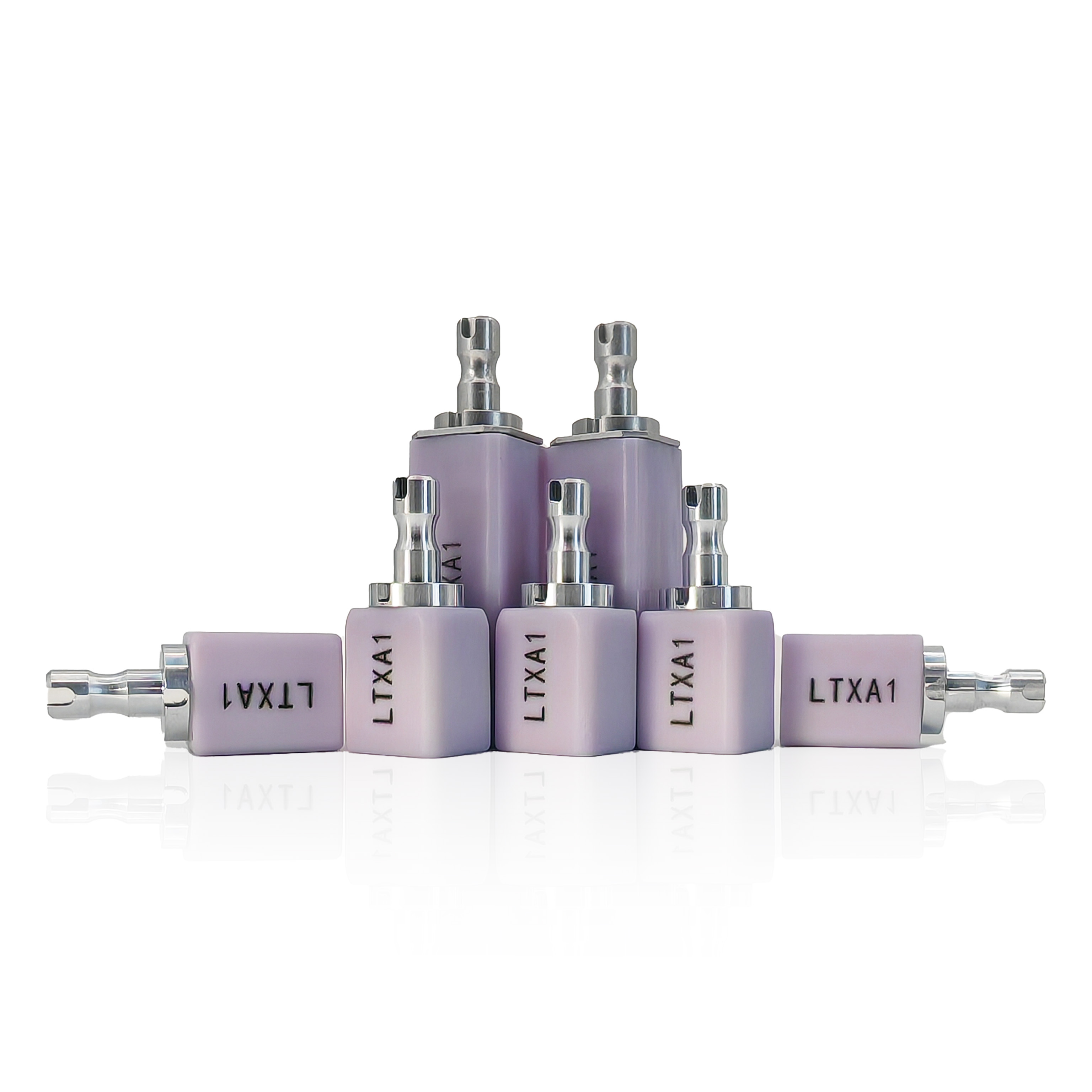
The evolution of restorative dentistry has been shaped by material innovation, and dental glass ceramic stands as one of the most significant breakthroughs in modern laboratory practice. This advanced material combines the aesthetic properties of ceramics with the structural reliability of glass, making it an essential choice for contemporary dental labs. Understanding dental glass ceramic applications helps dental professionals select the right material for complex cases and deliver superior clinical outcomes.
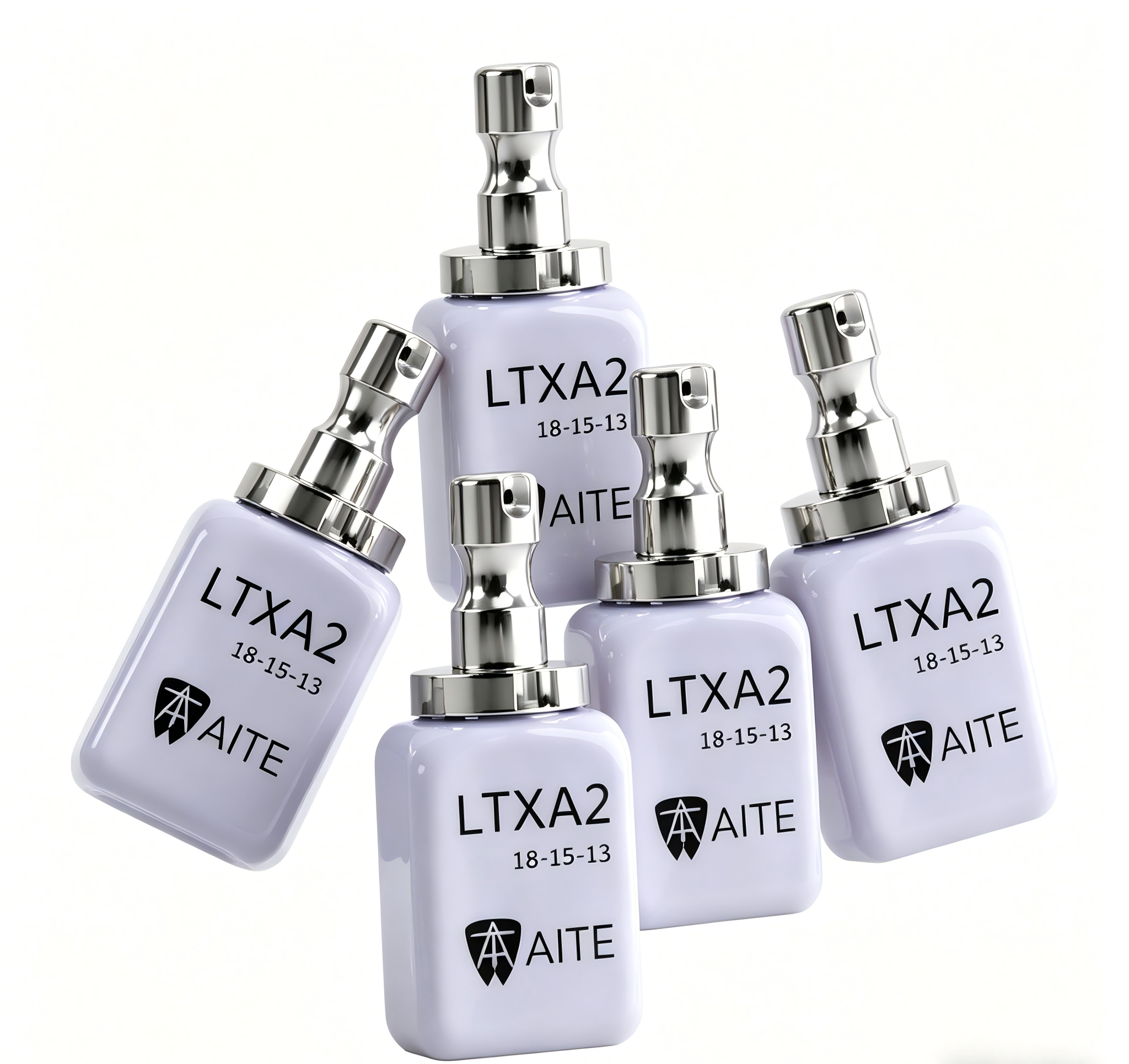
Modern dental laboratories increasingly rely on dental glass ceramic to meet the demanding requirements of both esthetic and functional restoration. The material's unique composition allows technicians to fabricate restorations that mimic natural tooth structure while maintaining excellent biocompatibility and longevity. As digital dentistry and CAD/CAM technologies continue to reshape laboratory workflows, dental glass ceramic remains a cornerstone material that adapts seamlessly to contemporary manufacturing processes.
Understanding Dental Glass Ceramic Composition and Properties
Material Structure and Chemical Composition
The dental glass ceramic material consists of a crystalline phase embedded within a glassy matrix, creating a composite structure that delivers superior mechanical performance. This composition enables dental glass ceramic to achieve high flexural strength while maintaining excellent optical clarity and natural color graduation. The crystalline components typically include lithium disilicate or leucite phases, which reinforce the base glass matrix and enhance resistance to fracture and wear.
Laboratory fabrication of dental glass ceramic restorations relies on precise heat treatment protocols that control crystal nucleation and growth. When technicians apply controlled firing cycles, the dental glass ceramic develops its optimal microstructure, resulting in restorations with superior translucency and strength compared to traditional feldspathic ceramics. This scientific approach to material processing makes dental glass ceramic particularly suitable for CAD/CAM milling and pressing techniques.
Clinical Advantages in Restoration Quality
Practitioners selecting dental glass ceramic for patient cases benefit from significantly improved esthetic outcomes and clinical longevity. The material's refractive index closely resembles natural tooth structure, allowing dental glass ceramic restorations to blend seamlessly with adjacent dentition. Additionally, the reduced opacity compared to conventional zirconia makes dental glass ceramic ideal for anterior regions where esthetic demands are particularly stringent.
The biocompatibility profile of dental glass ceramic ensures excellent soft tissue response and minimal inflammatory reactions when properly fabricated and delivered. Laboratory professionals appreciate that dental glass ceramic can be easily adjusted, glazed, and customized to match individual patient needs, providing flexibility that less adaptable materials cannot offer.
Dental Glass Ceramic Applications Across Different Restoration Types
Single Unit Restorations and Esthetic Dentistry
Single crowns and inlays represent primary applications where dental glass ceramic excels in delivering natural appearance and durability. When laboratories fabricate dental glass ceramic crowns for anterior teeth, the material's translucency creates restorations that respond authentically to light, mimicking the optical properties of vital teeth. Margin adaptation in dental glass ceramic restorations achieves exceptional precision, particularly when utilizing digital design and milling technologies.
Inlay and onlay preparations benefit substantially from dental glass ceramic applications because the material bonds effectively to resin cements while maintaining excellent marginal integrity. The conservative preparation design required for these restorations aligns perfectly with the strength characteristics of dental glass ceramic, minimizing thickness requirements while maximizing longevity.
Multi-Unit Restorations and Complex Cases
While dental glass ceramic traditionally served single-unit applications, modern formulations and manufacturing techniques now enable larger restorations and partial denture frameworks. Laboratory technicians increasingly employ dental glass ceramic for three to four-unit fixed dental prostheses, particularly when esthetic demands supersede other clinical considerations. The dental glass ceramic material's compatibility with adhesive luting protocols ensures optimal bond strength and predictable clinical performance in these extended applications.
Implant abutment restorations frequently utilize dental glass ceramic because the material provides superior esthetic masking of underlying titanium implant components. Custom fabrication of dental glass ceramic abutments requires advanced laboratory skills but delivers unparalleled esthetic results compared to metal-based alternatives.
Modern Laboratory Fabrication Techniques for Dental Glass Ceramic
CAD/CAM Milling and Digital Design Integration
Contemporary dental glass ceramic applications leverage CAD/CAM technology to achieve unprecedented precision and consistency in restoration fabrication. Digital scanning of prepared teeth and optical shade matching allow laboratories to design dental glass ceramic restorations with anatomically accurate morphology and optimal thickness distribution. The milling process for dental glass ceramic blanks produces restorations with minimal external adjustment requirements, reducing chair time for practitioners and improving patient experience.
Laboratory software specifically designed for dental glass ceramic milling accounts for material shrinkage during sintering, ensuring final dimensions achieve perfect fit on prepared teeth. This technological integration has transformed dental glass ceramic from a specialized material requiring skilled hand-pressing into an accessible option for high-volume laboratory production.
Advanced Firing and Customization Protocols
Post-milling heat treatment of dental glass ceramic restorations requires careful control of heating rates, hold temperatures, and cooling cycles to develop optimal crystal structure. Laboratory technicians apply strategic staining and glazing layers atop dental glass ceramic restorations to achieve superior color matching and natural surface texture. These customization steps make dental glass ceramic restorations indistinguishable from natural teeth when properly executed.
Advanced laboratories now employ spectrophotometric analysis to guide shade selection and confirm that finished dental glass ceramic restorations meet predetermined color specifications. Quality assurance protocols for dental glass ceramic applications ensure every restoration meets stringent esthetic and structural standards before clinical delivery.
Clinical Performance and Longevity Considerations
Wear Resistance and Antagonist Wear Patterns
Clinical studies demonstrate that properly fabricated dental glass ceramic restorations exhibit excellent wear resistance while producing minimal wear on opposing dentition. The smooth, glazed surface of dental glass ceramic applications reduces friction and protects natural teeth and other restorations from accelerated wear. Laboratory professionals ensure that dental glass ceramic restorations receive appropriate glazing to maintain these favorable wear characteristics throughout the restoration's clinical lifespan.
The coefficient of friction for dental glass ceramic surfaces compares favorably with natural enamel, making dental glass ceramic applications ideal for patients concerned about antagonist tooth wear. This characteristic differentiates dental glass ceramic from harder ceramic materials that may promote excessive wear on opposing natural dentition.
Fracture Resistance and Margin Stability
Clinicians appreciate the fracture resistance profile of dental glass ceramic restorations, which typically exhibit lower failure rates compared to traditional feldspathic ceramics. The reinforced crystalline structure within dental glass ceramic resists crack propagation and maintains margin integrity even under significant occlusal stress. Long-term clinical follow-up data supports dental glass ceramic applications as a reliable choice for patients with parafunctional habits when appropriate preparation design and material thickness are maintained.
Margin adaptation of dental glass ceramic restorations remains excellent throughout the service period, with minimal microleakage occurring when proper cementation techniques are employed. The adhesive bonding capability of dental glass ceramic creates mechanical and chemical union with tooth structure, enhancing restoration retention and longevity compared to conventionally cemented alternatives.
FAQ
What makes dental glass ceramic superior to traditional feldspathic ceramics?
The dental glass ceramic material incorporates reinforcing crystalline phases that substantially increase flexural strength while maintaining superior esthetic properties compared to traditional feldspathic ceramics. Dental glass ceramic demonstrates improved resistance to fracture, wear, and margin breakdown, making it ideal for cases demanding both esthetic excellence and clinical longevity. Additionally, dental glass ceramic's refractive properties and translucency more closely replicate natural tooth structure than conventional ceramic materials.
Can dental glass ceramic restorations be adjusted or repaired after delivery?
Yes, dental glass ceramic restorations can be adjusted using diamond instruments and polished with specialized ceramic polishing kits, though laboratory remakes are often more practical for significant adjustments. Unlike some harder ceramic alternatives, dental glass ceramic demonstrates sufficient workability to allow minor incisal adjustments or contact refinement without cracking. However, preserving the original glazed surface and esthetic characteristics typically requires careful technique and appropriate instrumentation.
Are dental glass ceramic restorations suitable for posterior teeth?
While dental glass ceramic excels in anterior esthetic applications, careful case selection is necessary for posterior applications because posterior teeth experience higher occlusal forces. Modern dental glass ceramic formulations with reinforced crystalline matrices can support limited posterior applications, particularly in cases with favorable occlusal relationships and appropriate material thickness. Practitioners should evaluate individual patient factors and occlusal patterns before selecting dental glass ceramic for posterior restoration, with posterior single units generally preferred over extended prostheses.