dental firing paste
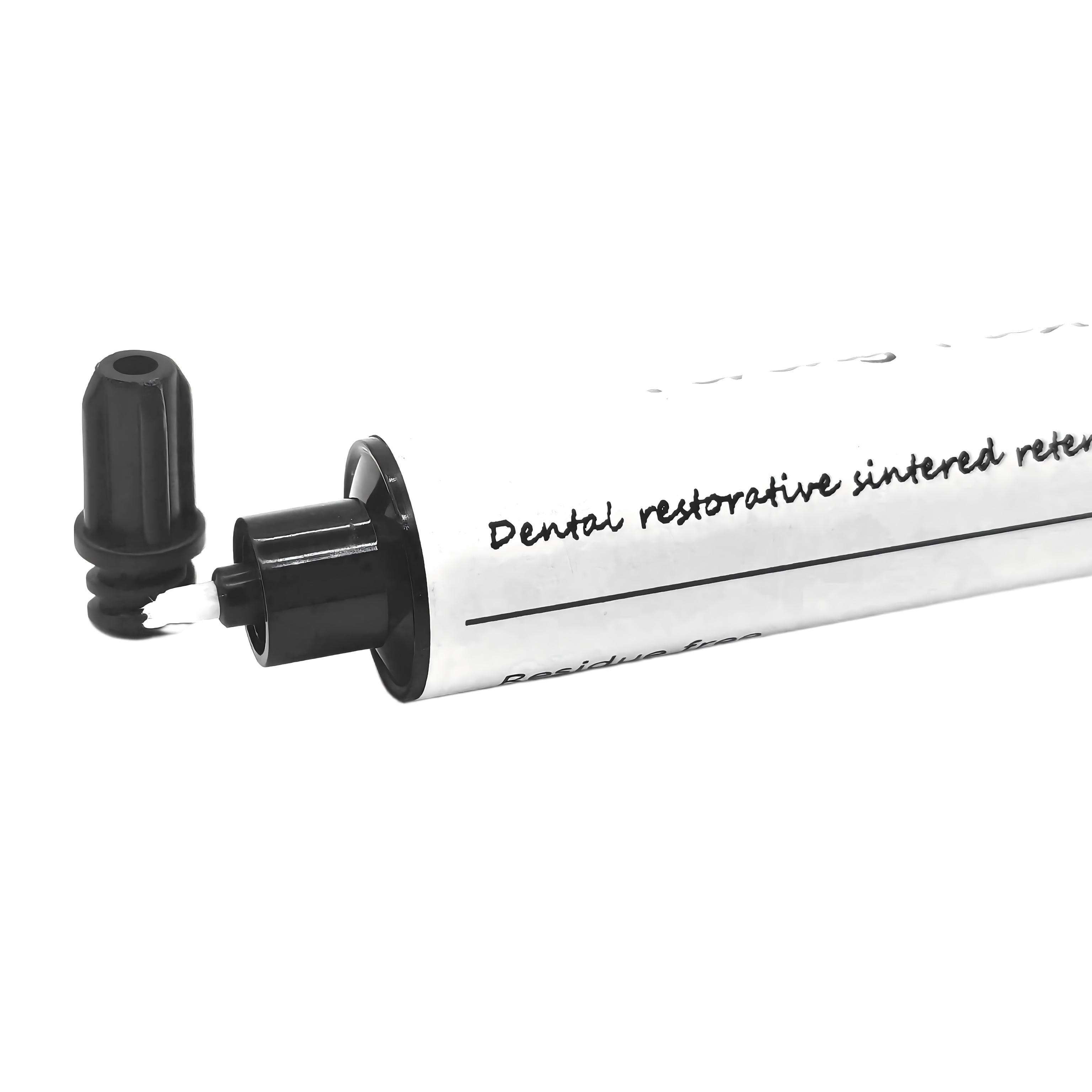
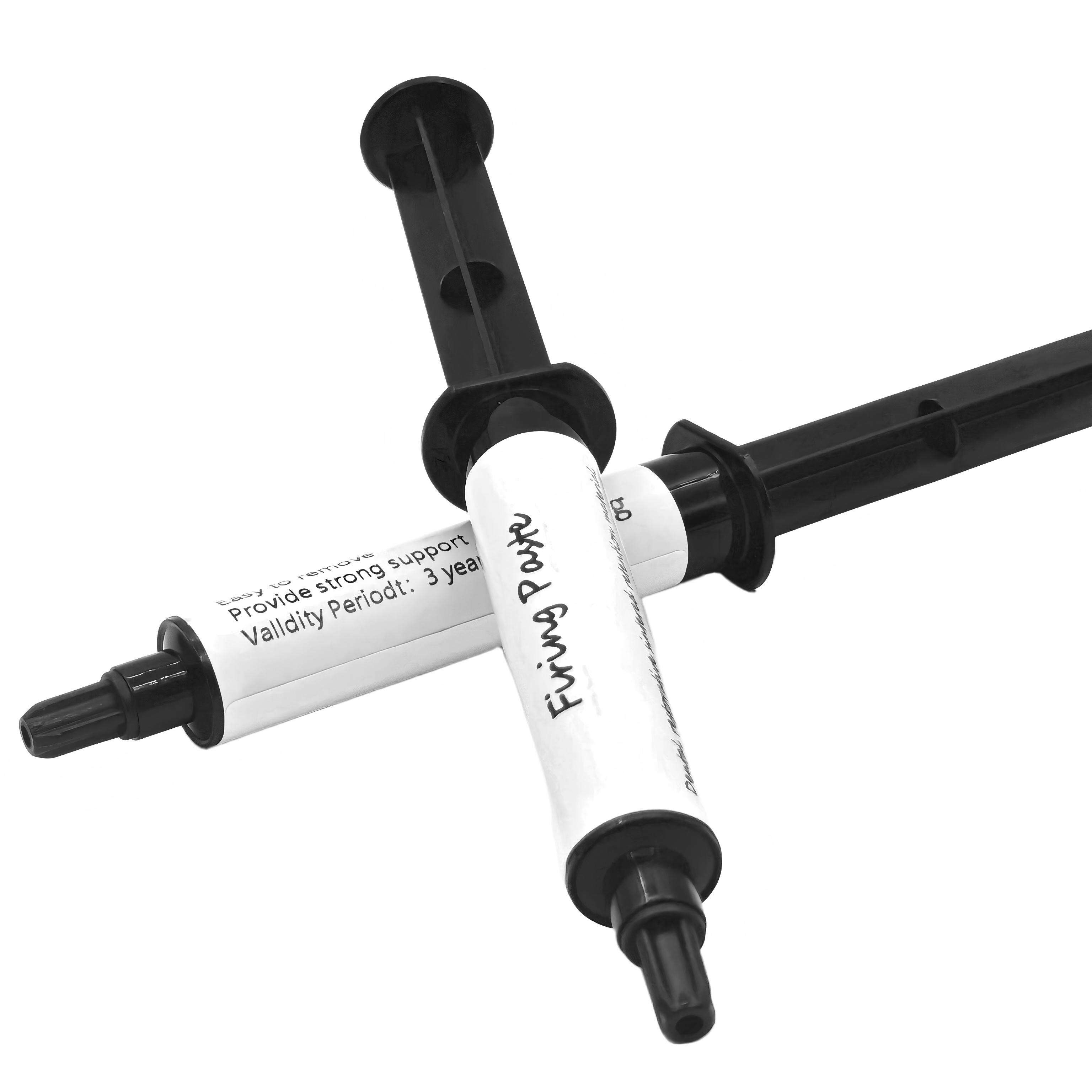
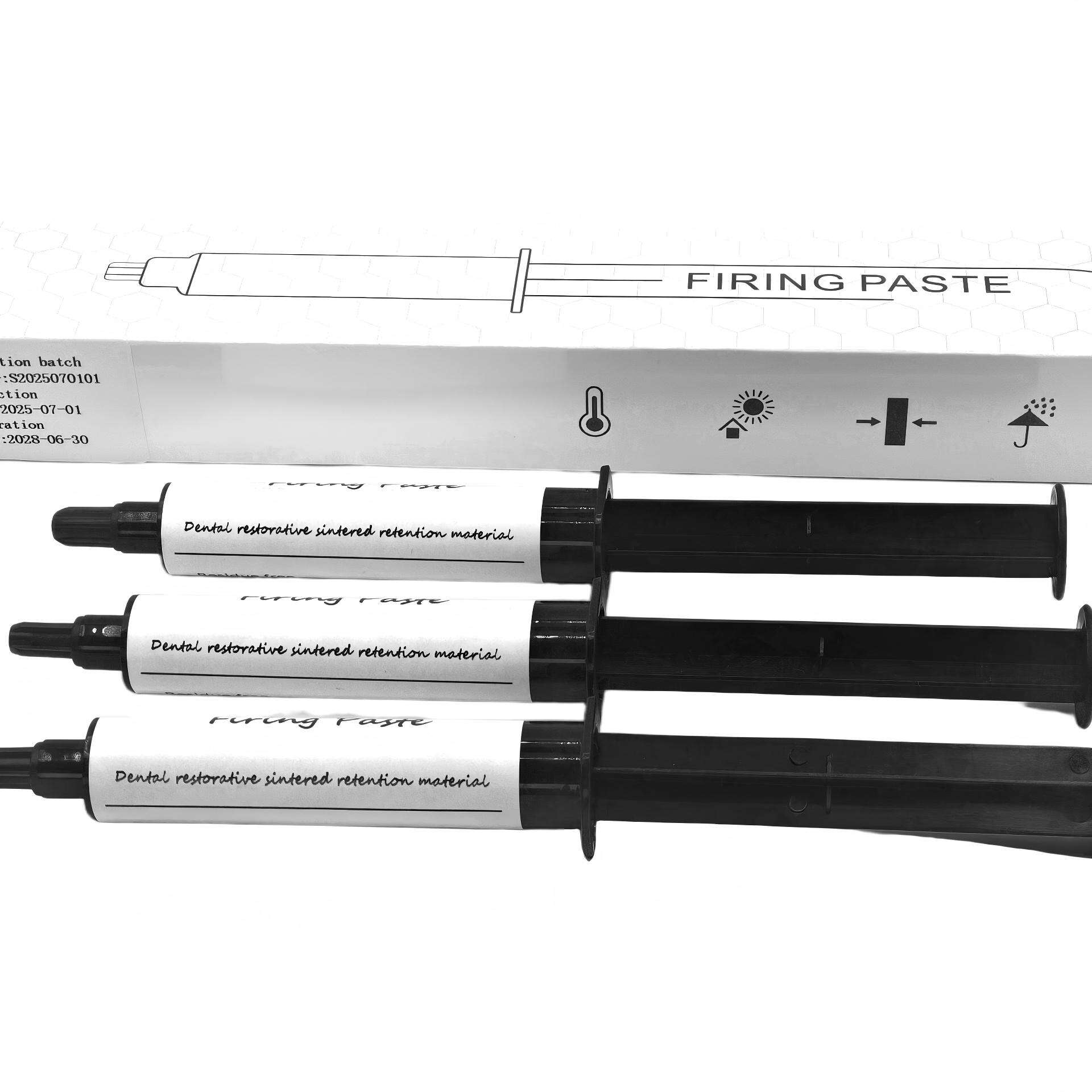
Dental firing paste represents a crucial component in modern prosthetic dentistry, serving as a specialized material designed to enhance the bonding and finishing processes of dental restorations. This innovative paste functions as an intermediary layer during the ceramic firing process, ensuring optimal adhesion between different dental materials while maintaining structural integrity throughout temperature fluctuations. The primary functions of dental firing paste include creating secure bonds between metal frameworks and ceramic veneers, facilitating smooth surface transitions, and providing thermal expansion compatibility during high-temperature processing. Technologically, this paste incorporates advanced ceramic particles suspended in a carefully formulated binder system that exhibits controlled shrinkage characteristics and precise melting points. The composition typically includes glass frits, metal oxides, and specialized additives that enhance workability and final bond strength. These technological features enable dental laboratories to achieve consistent results while reducing the risk of delamination or thermal stress fractures. Applications of dental firing paste span various prosthetic procedures, including crown and bridge fabrication, implant-supported restorations, and complex multi-unit prostheses. The paste proves particularly valuable when working with precious metal alloys, base metal frameworks, and zirconia substrates. During application, technicians spread the paste evenly across prepared surfaces before applying ceramic layers, ensuring uniform coverage and eliminating air pockets that could compromise restoration integrity. The firing process activates the paste's bonding properties, creating molecular-level adhesion that withstands oral environment stresses. Quality dental firing paste demonstrates excellent wetting properties, allowing for easy application and precise control over layer thickness. Modern formulations also incorporate biocompatible ingredients that meet stringent dental safety standards, ensuring patient safety and long-term restoration success in clinical applications.

 EN
EN