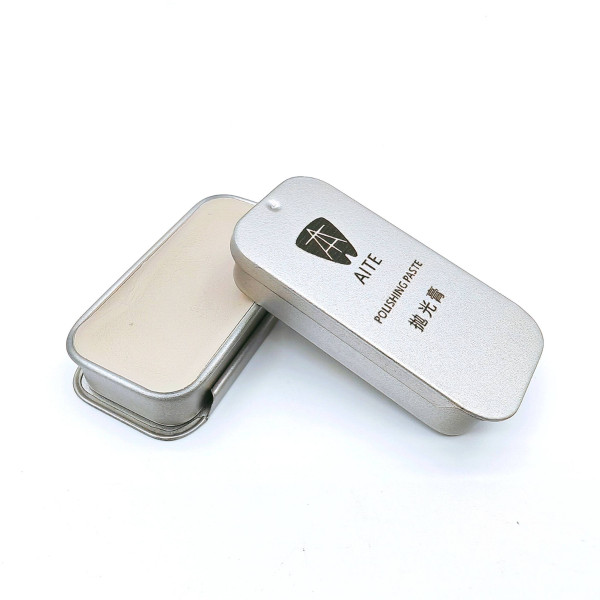
good dental firing paste
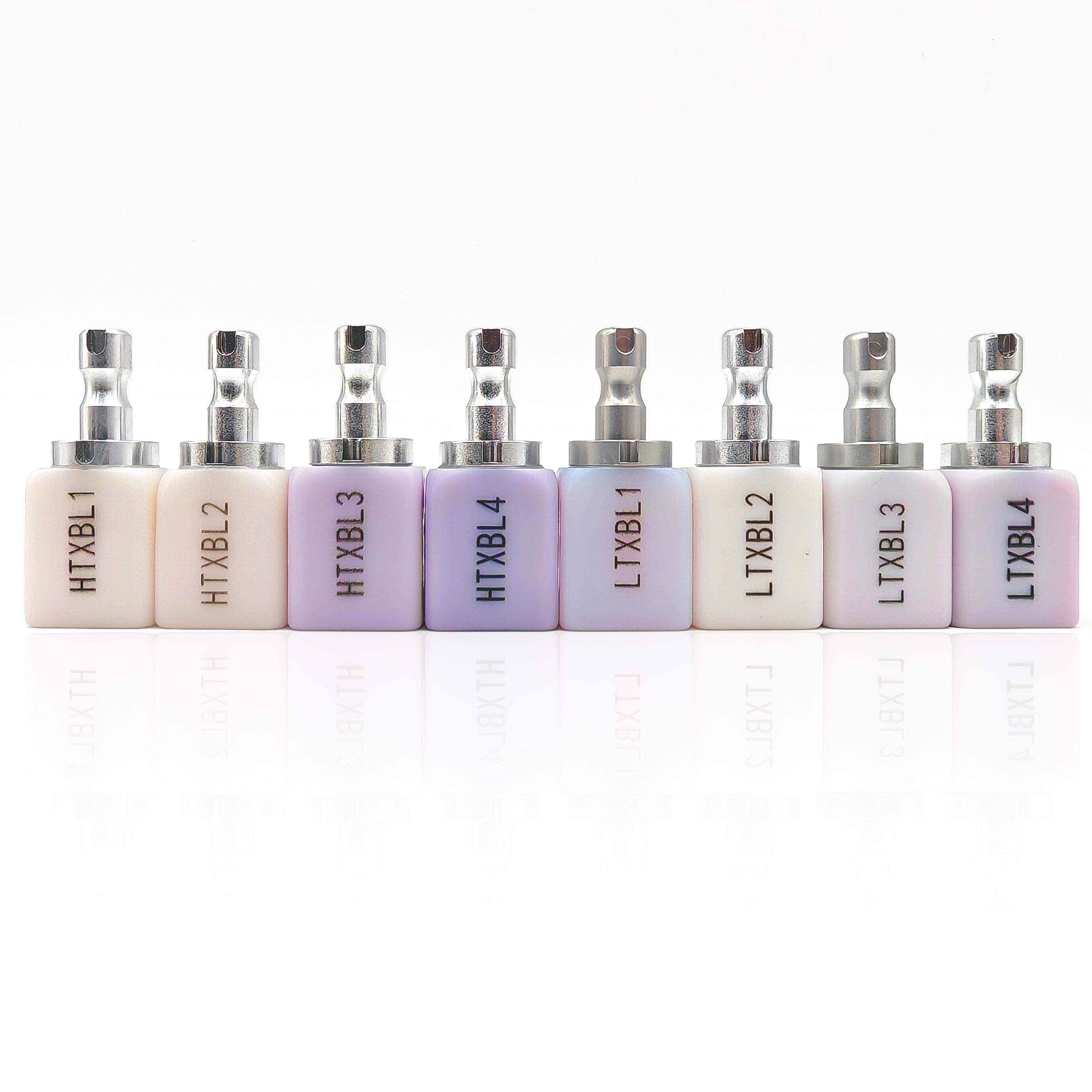
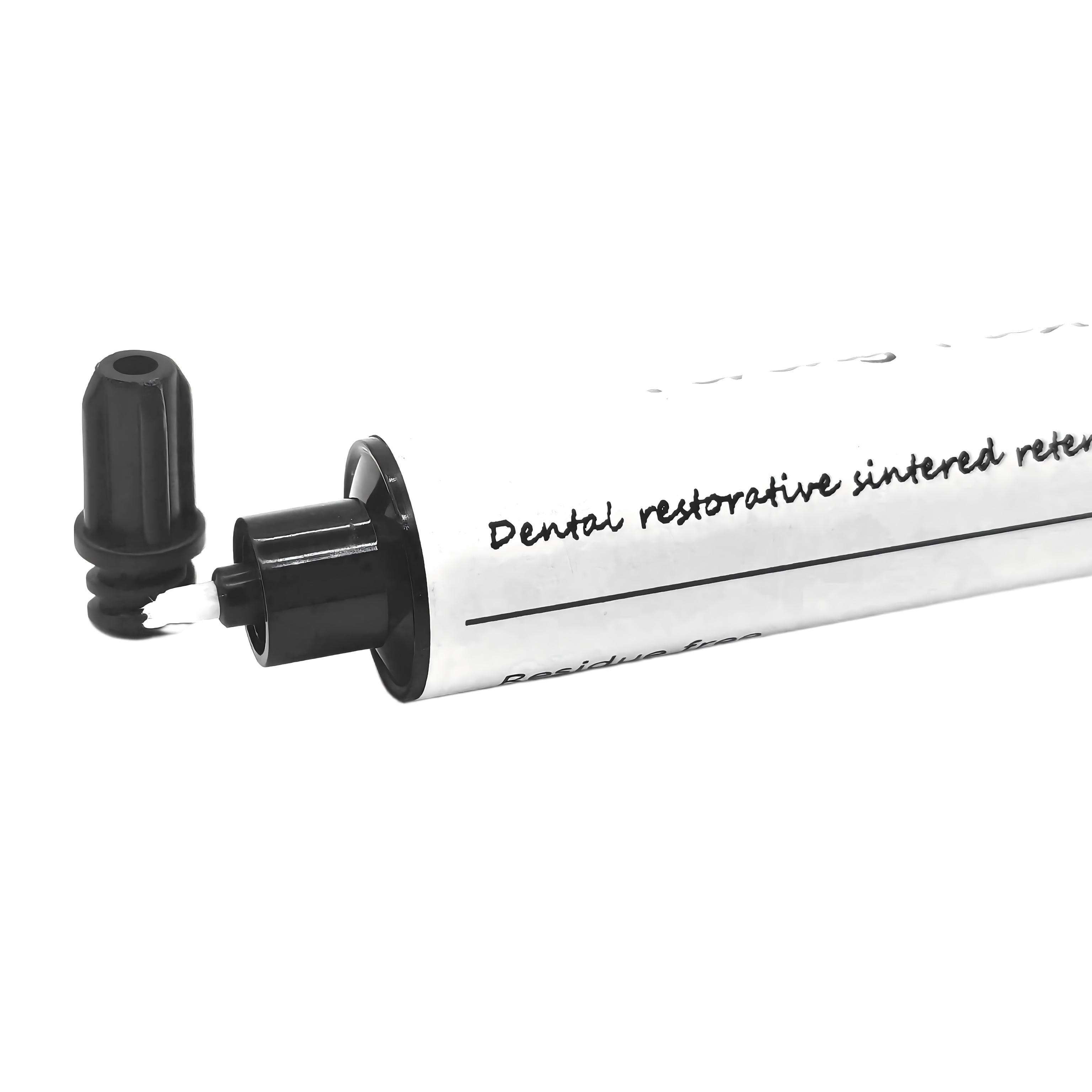
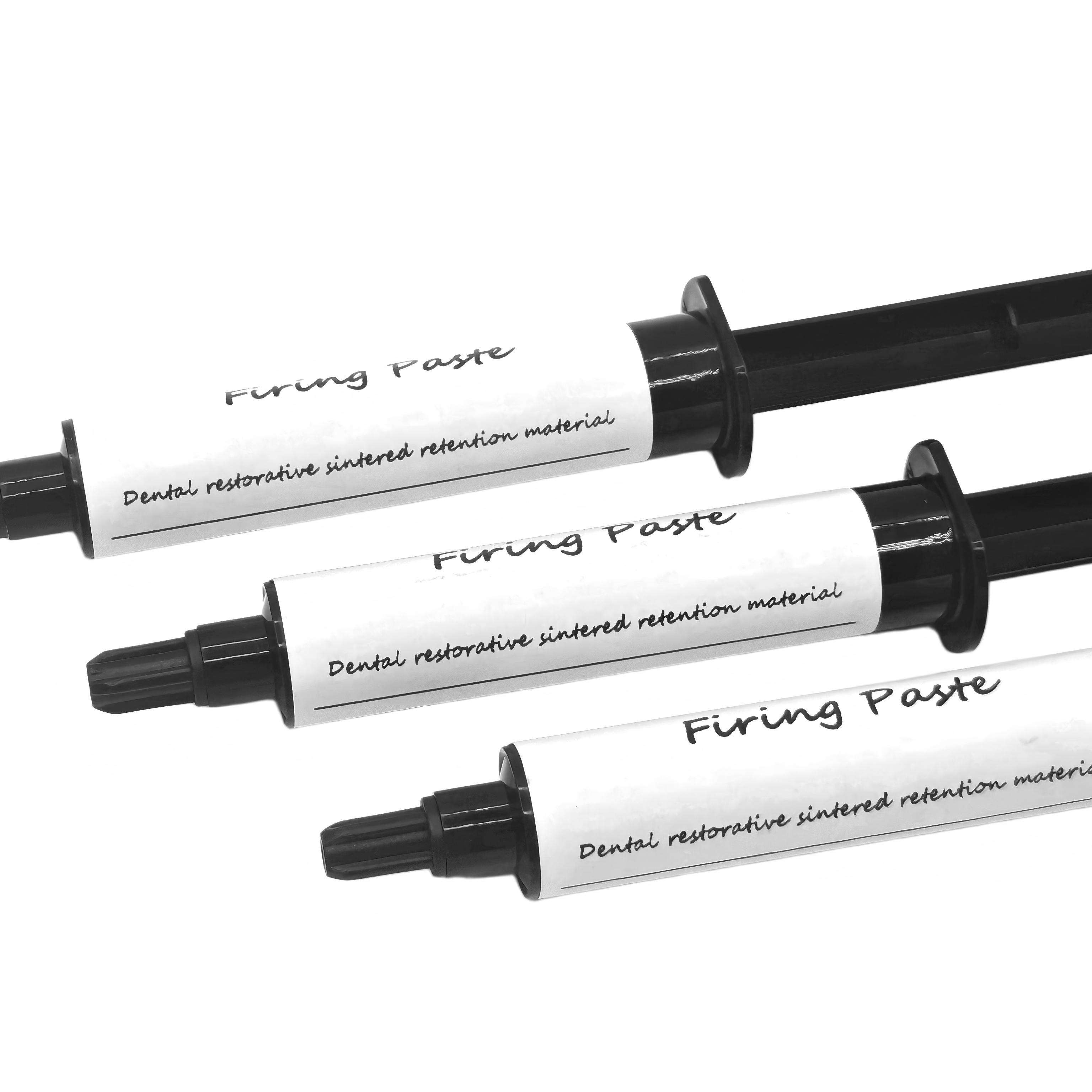
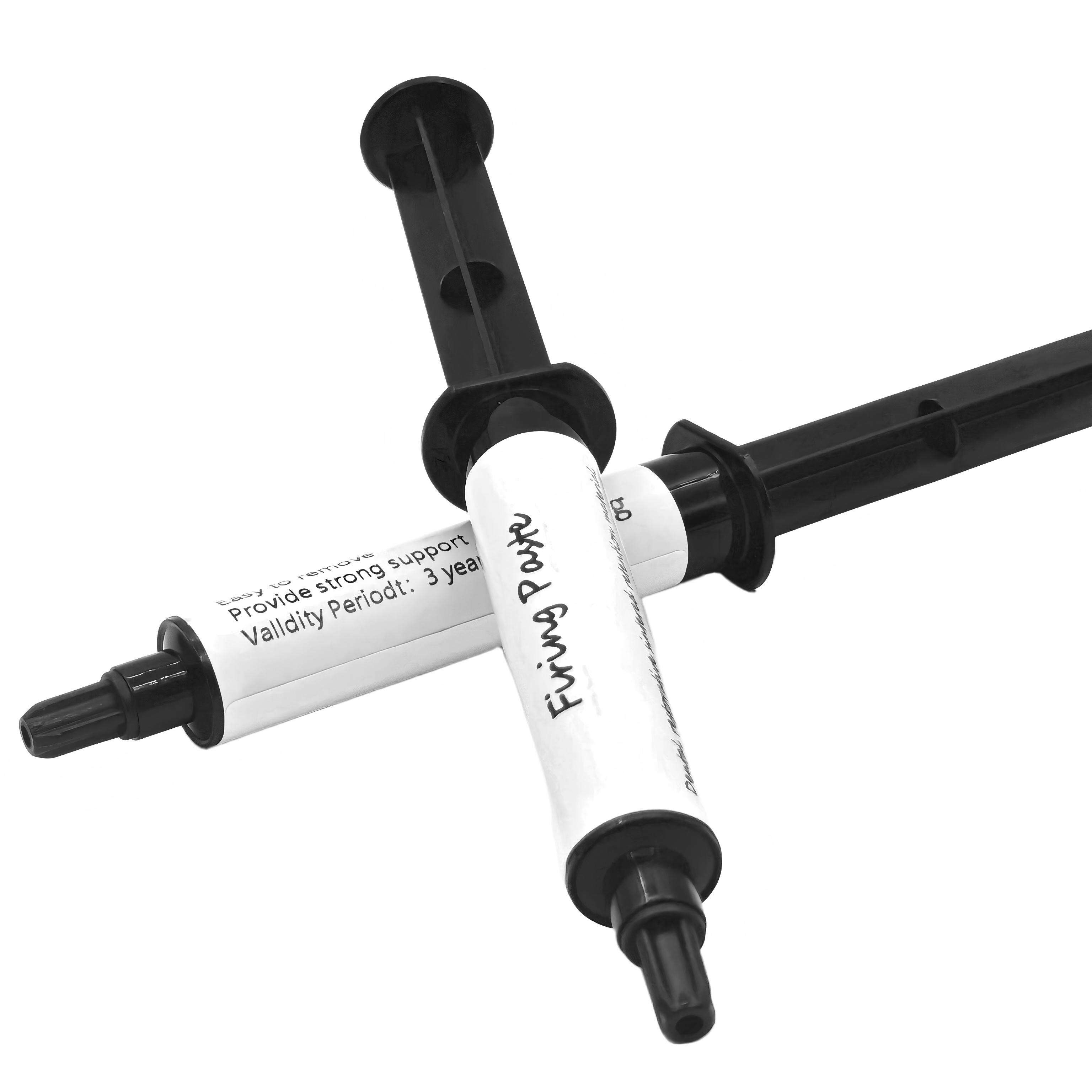
Good dental firing paste represents a revolutionary advancement in dental restoration technology, specifically engineered for porcelain and ceramic dental work. This specialized compound serves as an essential medium during the high-temperature firing process that transforms raw ceramic materials into durable, aesthetically pleasing dental restorations. The good dental firing paste acts as a crucial bonding agent and protective barrier, ensuring optimal results during the complex ceramic firing procedures used in modern dental laboratories. Its sophisticated formulation incorporates advanced ceramic particles, stabilizing agents, and thermal conductors that work synergistically to create superior dental restorations. The primary function of good dental firing paste involves facilitating uniform heat distribution throughout the ceramic structure during firing cycles, preventing thermal shock and ensuring consistent shrinkage patterns. This paste creates an optimal environment for ceramic crystallization, allowing dental technicians to achieve precise color matching and translucency levels that mirror natural tooth enamel. The technological features of good dental firing paste include its exceptional thermal stability, maintaining consistency across temperature ranges from 600 to 1200 degrees Celsius. Its unique viscosity properties allow for easy application while providing sufficient coverage to protect delicate ceramic surfaces from contamination during firing. The paste contains specialized flux agents that promote proper sintering without compromising the structural integrity of the final restoration. Modern formulations of good dental firing paste incorporate nanotechnology enhancements that improve particle distribution and reduce firing time requirements. Applications for good dental firing paste span various dental restoration procedures, including crown and bridge fabrication, veneer creation, and implant prosthetics. Dental laboratories utilize this paste for both single-unit restorations and complex multi-unit cases requiring precise color gradation and anatomical detail. The paste proves invaluable in achieving consistent results across different ceramic systems, whether working with feldspathic porcelains, lithium disilicate materials, or zirconia-based ceramics.

 EN
EN