Premium Dental Firing Paste for Ceramics - Advanced Thermal Protection & Superior Results

All Categories

Get a Free Quote

Our representative will contact you soon.
Email
Name
Company Name
Message
0/1000

dental firing paste for ceramics

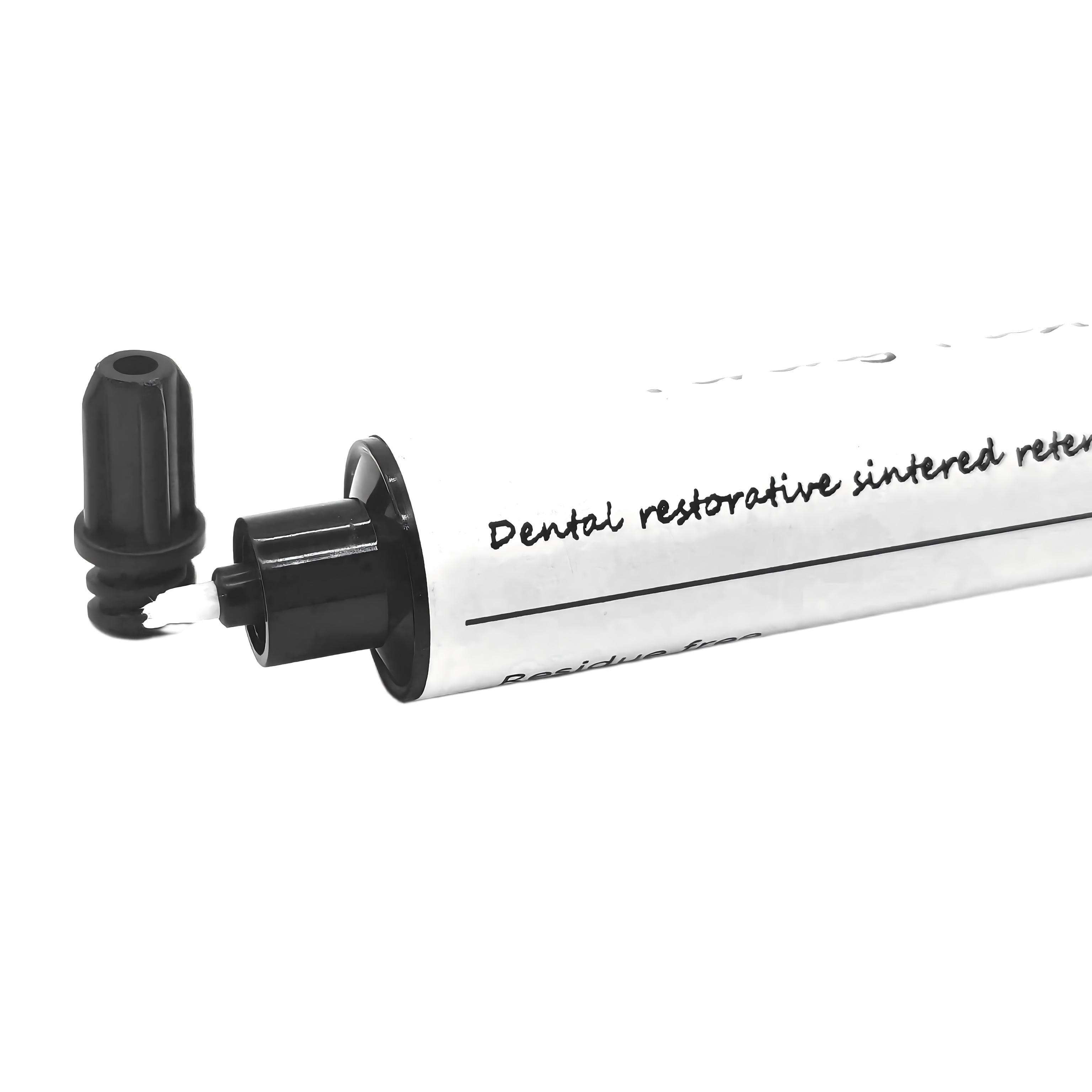
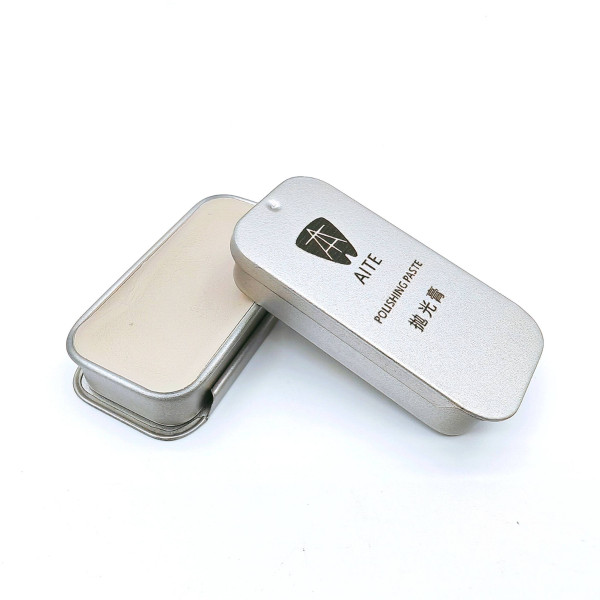
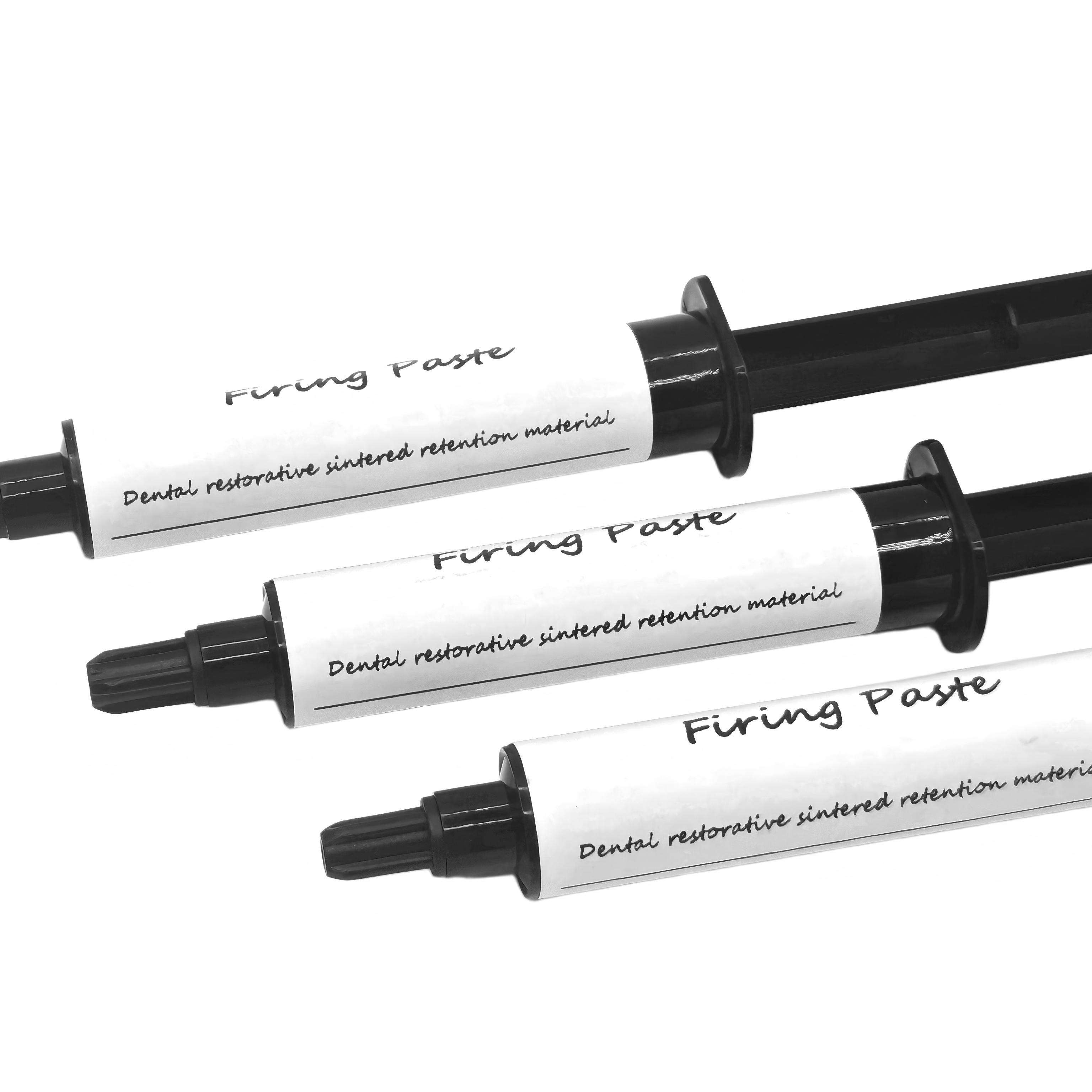
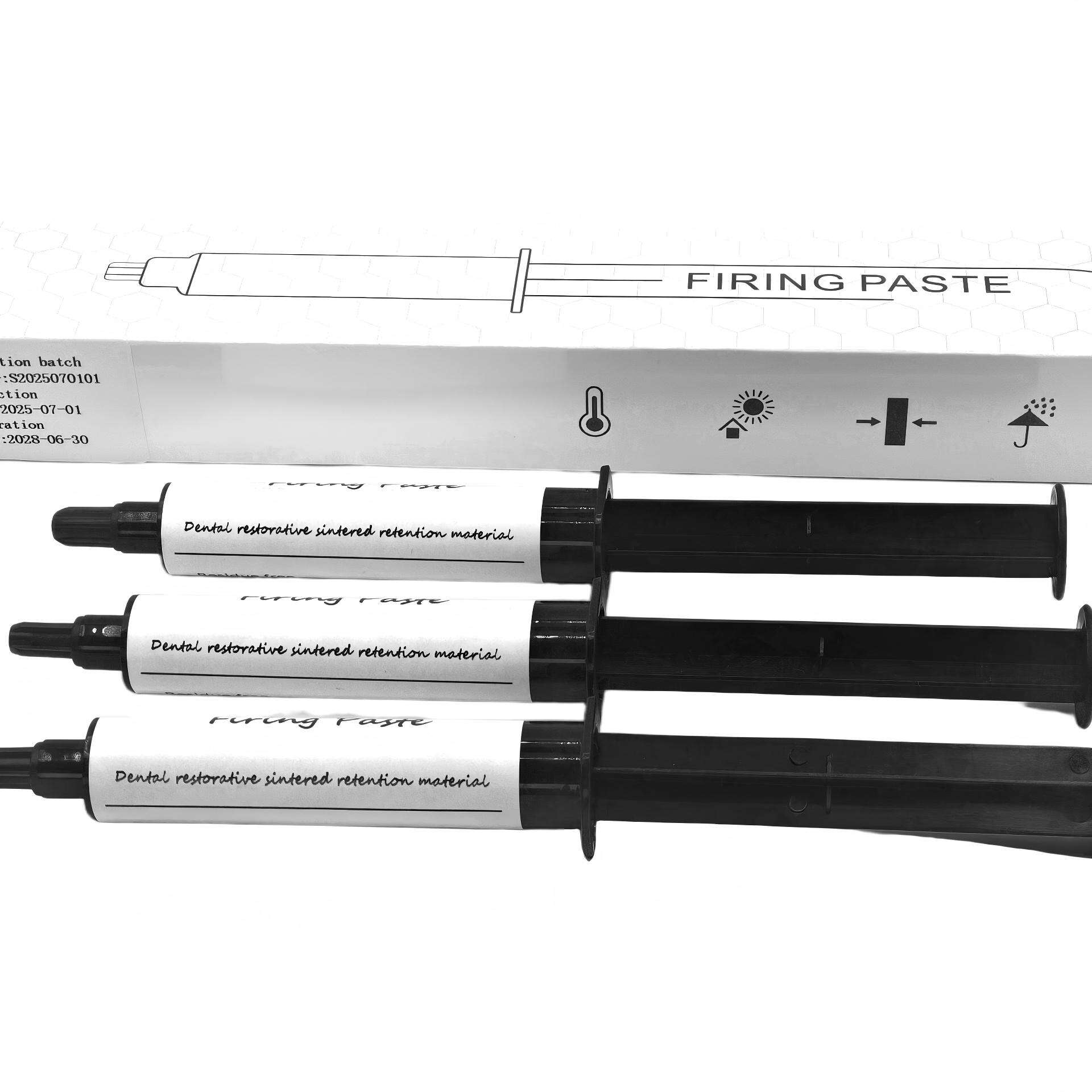
Dental firing paste for ceramics represents a revolutionary advancement in modern dental laboratory technology, serving as an essential material for creating high-quality ceramic dental restorations. This specialized paste acts as a crucial intermediate component in the ceramic firing process, facilitating optimal bonding between ceramic layers and ensuring consistent thermal distribution during high-temperature treatments. The dental firing paste for ceramics primarily functions as a protective and adhesive medium that prevents ceramic materials from cracking, warping, or developing structural defects during the intense firing cycles required for dental prosthetics manufacturing. Its technological features include exceptional thermal stability, maintaining structural integrity at temperatures exceeding 1000 degrees Celsius, while providing uniform heat distribution across ceramic surfaces. The paste exhibits remarkable adhesion properties, creating strong bonds between different ceramic components and supporting materials used in dental restoration fabrication. Modern formulations of dental firing paste for ceramics incorporate advanced ceramic particles and binding agents that enhance mechanical strength and reduce shrinkage rates during cooling phases. The material demonstrates excellent compatibility with various ceramic systems, including feldspathic porcelain, lithium disilicate, and zirconia-based materials commonly used in contemporary dental practices. Applications of dental firing paste for ceramics extend across multiple areas of restorative dentistry, including crown and bridge fabrication, veneer creation, inlay and onlay production, and implant-supported restoration manufacturing. The paste proves particularly valuable in complex multi-layered ceramic constructions where precise thermal management becomes critical for achieving optimal aesthetic and functional outcomes. Its versatility allows dental technicians to work with diverse ceramic materials while maintaining consistent quality standards throughout the firing process, ultimately contributing to the production of durable, aesthetically pleasing dental restorations that meet stringent clinical requirements.
New Product Recommendations

The dental firing paste for ceramics offers numerous practical benefits that significantly enhance the efficiency and quality of dental laboratory operations. First and foremost, this innovative material dramatically reduces the risk of ceramic failures during firing processes, saving both time and expensive materials that would otherwise be wasted due to cracking or warping issues. Dental technicians experience fewer rejected pieces, which translates directly into improved productivity and reduced operational costs for dental laboratories. The paste creates a protective barrier that shields delicate ceramic structures from thermal shock, ensuring that even complex restorations maintain their dimensional accuracy throughout multiple firing cycles. This reliability factor proves especially valuable when working with high-value materials like zirconia or premium aesthetic ceramics where material costs can be substantial. The dental firing paste for ceramics also streamlines workflow processes by eliminating the need for complex setup procedures and specialized equipment that traditional firing methods often require. Technicians can apply the paste quickly and uniformly, reducing preparation time while achieving more consistent results across different projects. The material's excellent flow properties ensure even coverage without air bubbles or gaps that could compromise the final restoration quality. Another significant advantage lies in the paste's ability to accommodate various ceramic expansion coefficients, making it compatible with mixed-material restorations that combine different ceramic types within a single prosthetic. This flexibility allows laboratories to expand their service offerings and tackle more complex cases with confidence. The dental firing paste for ceramics also enhances the aesthetic outcomes of finished restorations by promoting uniform color development and preventing the formation of surface defects that could affect the final appearance. The material's thermal properties help maintain precise temperature control during firing, which is crucial for achieving optimal translucency and color matching in aesthetic zones. Additionally, the paste reduces post-firing adjustments and refinishing work, as restorations emerge from the furnace with smoother surfaces and better marginal integrity. This reduction in finishing time not only improves laboratory efficiency but also ensures that restorations maintain their structural integrity without excessive manipulation that could introduce stress points or surface imperfections.

Latest News

The establishment of the new plant

04

Feb

The establishment of the new plant

View More
Exhibition in Dubai

04

Feb

Exhibition in Dubai

View More
Brazil Exhibition

04

Feb

Brazil Exhibition

View More

Get a Free Quote

Our representative will contact you soon.
Email
Name
Company Name
Message
0/1000

dental firing paste for ceramics

Superior Thermal Management and Stress Reduction Technology

Superior Thermal Management and Stress Reduction Technology

The dental firing paste for ceramics incorporates cutting-edge thermal management technology that revolutionizes how ceramic restorations withstand the extreme temperature variations encountered during firing cycles. This advanced formulation creates a protective thermal buffer zone around ceramic components, effectively distributing heat stress and preventing the formation of micro-cracks that commonly develop during rapid temperature changes. The paste's unique molecular structure allows it to expand and contract in harmony with various ceramic materials, accommodating different thermal expansion coefficients without creating internal stress points that could lead to restoration failure. This sophisticated stress reduction mechanism proves particularly valuable when working with complex multi-unit bridges or extensive crown reconstructions where thermal stress concentration could compromise the entire restoration. The material's thermal conductivity properties are precisely engineered to promote gradual temperature transitions, eliminating hot spots that often cause localized overheating and subsequent ceramic damage. During the heating phase, the dental firing paste for ceramics slowly releases controlled amounts of thermal energy, ensuring that ceramic components reach optimal firing temperatures uniformly across all surfaces. This controlled heating process significantly improves the microstructural development of ceramic materials, resulting in stronger, more durable restorations with enhanced mechanical properties. The cooling phase benefits equally from the paste's thermal management capabilities, as it prevents rapid temperature drops that typically cause thermal shock and surface crazing. Laboratory technicians report dramatically reduced failure rates when using dental firing paste for ceramics, with some facilities experiencing up to 75% fewer ceramic fractures during firing processes. This reliability improvement translates into substantial cost savings, as expensive ceramic materials are preserved and valuable technician time is not wasted on remake procedures. The paste's thermal management technology also enables laboratories to process larger batches of restorations simultaneously, as the uniform heat distribution eliminates concerns about uneven firing that could affect different pieces within the same firing cycle. This batch processing capability significantly improves laboratory throughput while maintaining consistent quality across all produced restorations.
Universal Compatibility with Advanced Ceramic Systems

Universal Compatibility with Advanced Ceramic Systems

The dental firing paste for ceramics demonstrates exceptional versatility through its universal compatibility with virtually all modern ceramic systems used in contemporary dental restoration fabrication. This comprehensive compatibility eliminates the need for multiple specialized products, streamlining inventory management while ensuring consistent results across diverse material platforms. The paste works seamlessly with traditional feldspathic porcelains, providing excellent support for layered veneer constructions and full-coverage crown restorations. Its chemical composition has been specifically formulated to interact favorably with the silicate structures found in conventional porcelain systems, promoting strong interfacial bonds that enhance overall restoration durability. When working with high-strength ceramic materials like lithium disilicate, the dental firing paste for ceramics adapts its bonding characteristics to accommodate the unique crystalline structure of these advanced materials. The paste's ability to form compatible chemical bonds with lithium disilicate crystals ensures that thermal stresses are effectively managed throughout the firing process, preventing the delamination issues that sometimes occur with incompatible support materials. Zirconia-based restorations benefit tremendously from the paste's specialized formulation, which has been designed to work effectively with both conventional zirconia and the newer translucent variants that require modified firing protocols. The paste's compatibility extends to hybrid ceramic materials that combine different ceramic phases within single restorations, such as zirconia frameworks with porcelain veneering layers. This multi-material compatibility proves invaluable for complex aesthetic cases where different ceramic properties must be combined to achieve optimal functional and aesthetic outcomes. The dental firing paste for ceramics also works effectively with CAD/CAM ceramic blocks, supporting the firing requirements of digitally manufactured restorations that often have unique thermal processing needs. Glass ceramic materials, including various leucite and lithium disilicate formulations, receive optimal support from the paste's adaptive bonding properties, which adjust to accommodate the specific thermal expansion characteristics of these materials. Even newer ceramic innovations, such as hybrid resin-ceramic materials and reinforced glass ceramics, demonstrate excellent compatibility with the paste's formulation. This forward compatibility ensures that dental laboratories can adopt new ceramic technologies without needing to change their firing support materials, providing long-term value and operational consistency as ceramic technology continues to evolve.
Enhanced Surface Quality and Aesthetic Optimization

Enhanced Surface Quality and Aesthetic Optimization

The dental firing paste for ceramics delivers remarkable surface quality improvements that directly translate into superior aesthetic outcomes for finished dental restorations. This advanced material functions as a surface conditioning agent during the firing process, creating an optimal environment for ceramic surface development while preventing the formation of surface irregularities that could compromise the final aesthetic result. The paste's unique formulation includes specialized surface-active compounds that promote smooth ceramic surface formation during the critical sintering phase, eliminating the micro-roughness that often develops on ceramic surfaces during high-temperature processing. This surface smoothing effect reduces the need for extensive post-firing polishing procedures, saving valuable technician time while ensuring that restorations achieve optimal light reflection properties essential for natural-looking aesthetic results. The dental firing paste for ceramics also plays a crucial role in color stability and development, protecting ceramic pigments from oxidation and degradation that can occur during exposure to firing atmospheres. This protective function ensures that carefully matched shade selections remain stable throughout the firing process, eliminating the color shifts that sometimes necessitate remake procedures or complex shade adjustments. The paste creates a controlled micro-environment around ceramic surfaces that optimizes oxygen flow and chemical reactions necessary for proper color development, particularly important when working with highly aesthetic anterior restorations where color accuracy is paramount. Surface texture optimization represents another significant benefit of the dental firing paste for ceramics, as it promotes the development of natural-looking surface characteristics that mimic the subtle texture variations found in natural tooth enamel. This texture enhancement capability proves especially valuable for veneer fabrication, where surface texture plays a critical role in achieving lifelike light interaction and visual depth. The paste also prevents the formation of surface contamination that can occur during firing, ensuring that finished restorations maintain pristine surfaces free from particles or discoloration that could affect their clinical acceptance. Marginal quality receives substantial improvement through the paste's ability to support precise edge formation during firing, resulting in better-fitting restorations that require minimal adjustment during clinical delivery. The controlled firing environment created by the dental firing paste for ceramics ensures that restoration margins maintain their intended geometry without the warping or edge rolling that sometimes occurs during uncontrolled firing processes. This marginal integrity improvement reduces chairside adjustment time and enhances the long-term clinical success of fitted restorations.

Get a Free Quote

Our representative will contact you soon.
Email
Name
Company Name
Message
0/1000